Start with the person, not the package
Recovering at home can involve long stretches of rest, changing energy levels and more time indoors than someone would choose. A care package does not need to fill a large box to feel generous. Its best purpose is to let the recipient know they are remembered while making a small part of the day more comfortable or enjoyable.
Before choosing anything, consider what you already know about the person’s tastes and routines. Do they enjoy puzzles, listening to stories or keeping a notebook nearby? Would they appreciate practical supplies more than treats? If you are unsure, a brief message to them or someone helping them can prevent a well-meant gift from becoming something they cannot use. Keep any questions easy to answer, and leave room for them to decline without explanation.
Choose comforts that are easy to use
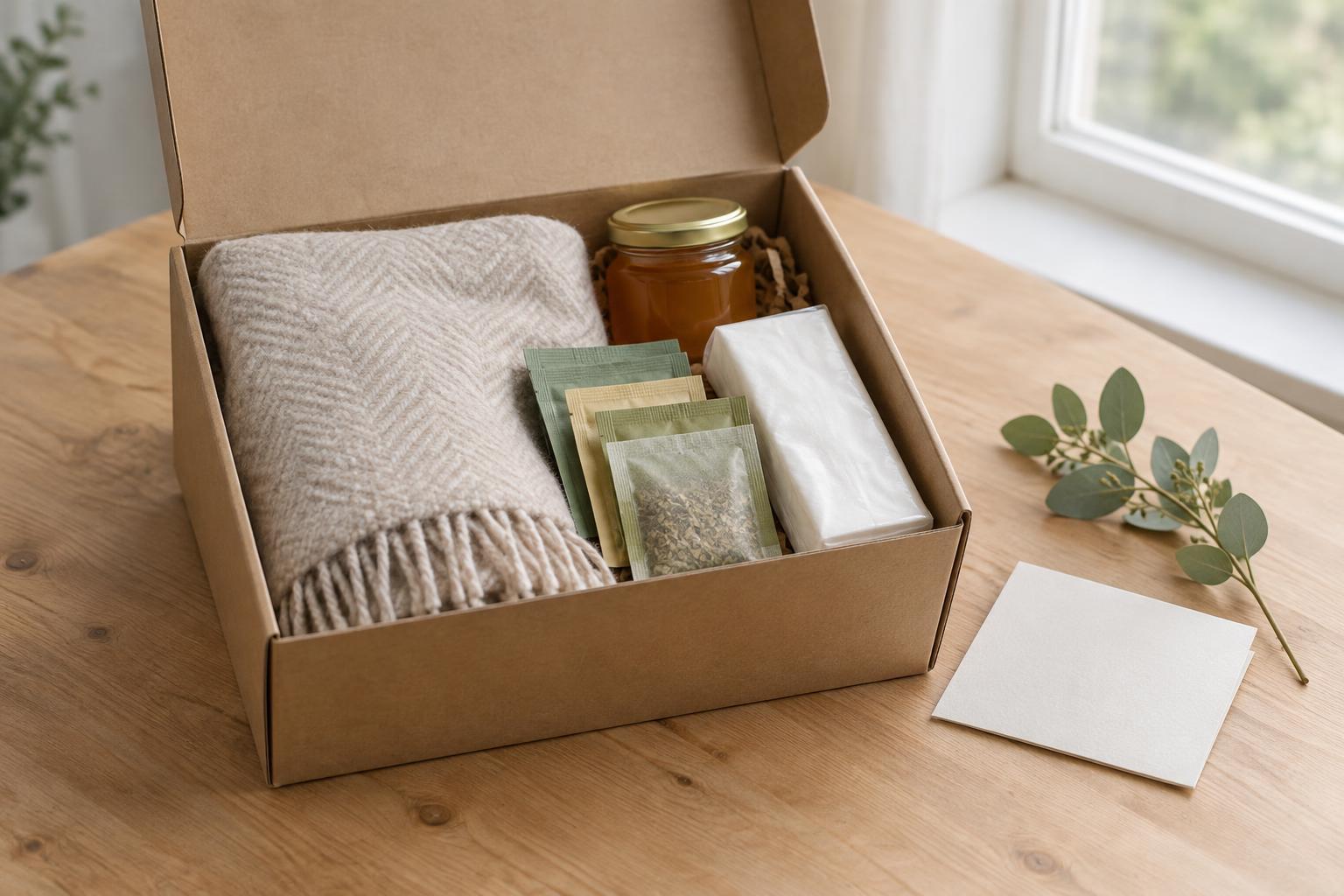
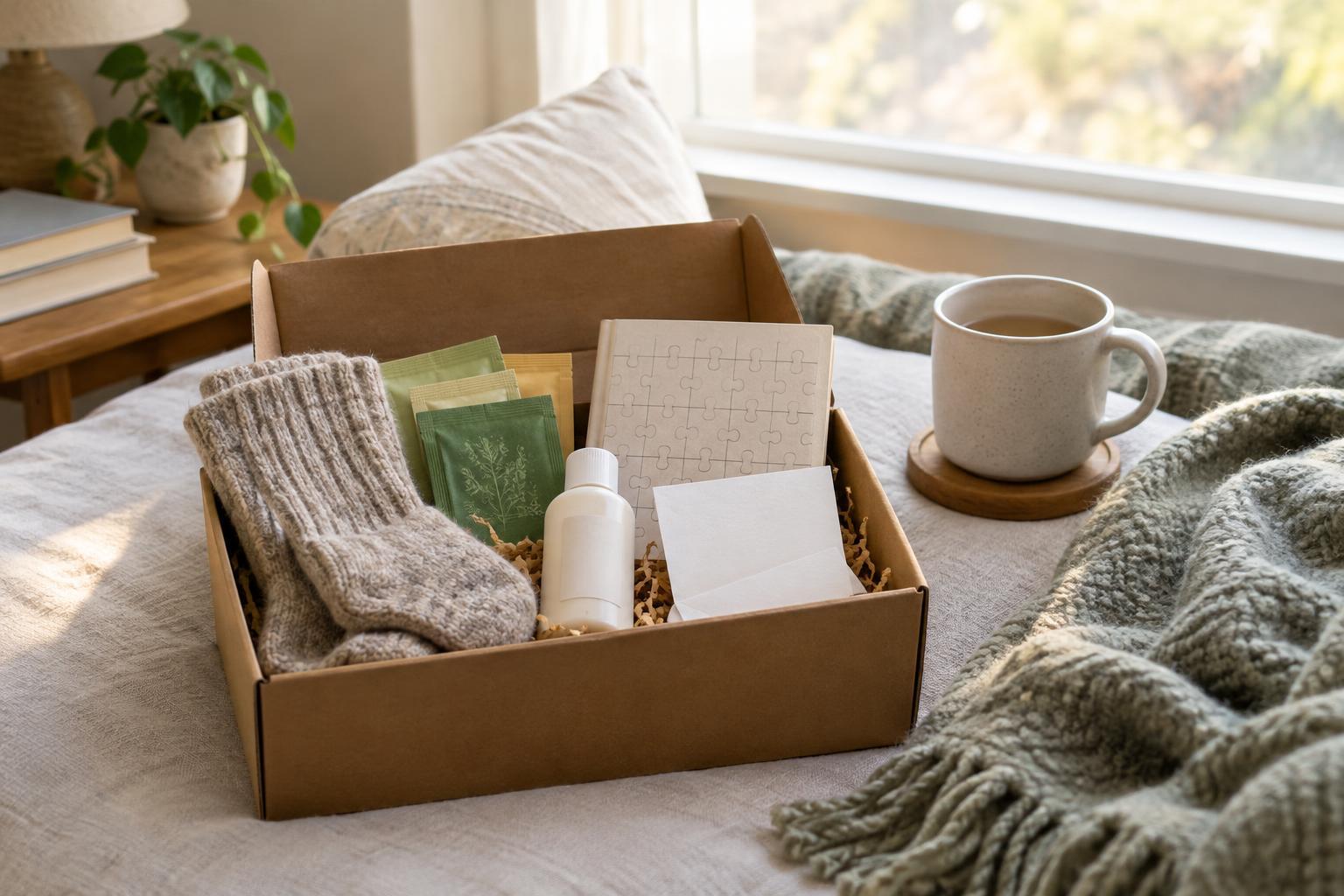
Soft socks, a lightweight blanket, a comfortable eye mask or a small cushion may help make a resting spot feel more inviting. Think about ease of use: items that are washable, simple to reach for and unlikely to create clutter are often more welcome than elaborate accessories. A sturdy cup with a lid or a bookmark can be useful if it suits the person’s usual habits.
Be cautious with strongly scented products, foods and drinks. Preferences, sensitivities or recovery-related restrictions may make these poor surprises. If you want to include an edible treat, check first rather than guessing. You can also build a package entirely without food: a favorite magazine, a fresh pair of cozy socks and a note still make a complete gift.
Add entertainment without adding pressure
Restful activities give someone options for quiet moments, but they should not feel like assignments. A short-story collection, a slim puzzle book, a coloring pad or a small notebook can be picked up and put down easily. Match the choice to the recipient: an avid reader might welcome a book, while someone who has trouble concentrating may prefer a few postcards with interesting images.
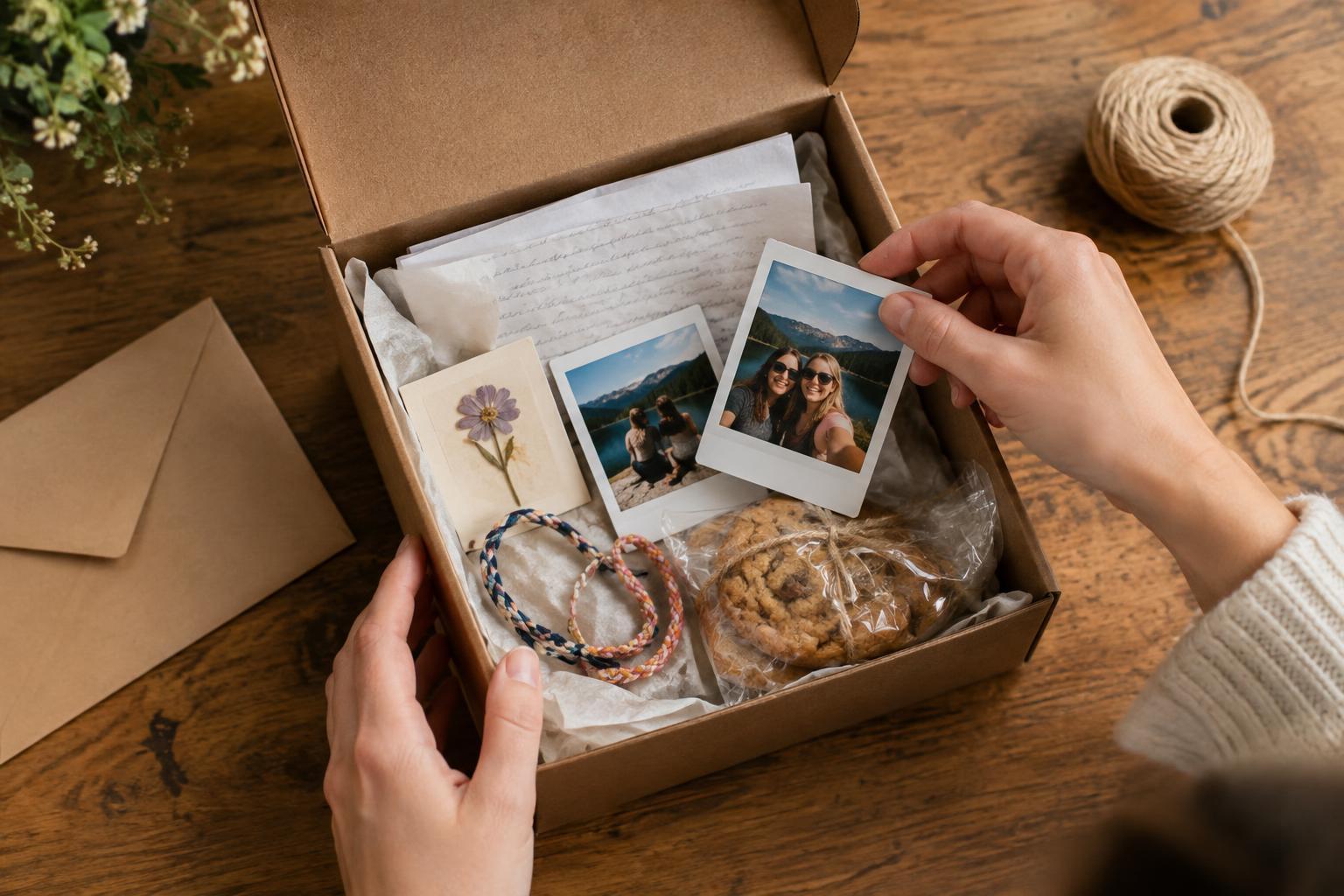
You could tuck in a list of films you think they would enjoy, a playlist written on a card or a few printed photos with captions. These personal touches require little effort from the recipient. Avoid framing the contents as a plan for how they should spend their recovery. “For whenever you feel like it” is a kinder message than an expectation to finish every activity.
Make connection the centerpiece
A handwritten letter can give the package its heart. Share a small piece of everyday life, recall a happy memory or tell the person why you thought of them. There is no need to ask for an update on their recovery. Ending with “no reply needed” makes it clear that the letter is a gift, not another task.
If friends or family want to contribute, invite each person to write a short note or caption a photo. Gathering these in a simple envelope is often easier for the recipient to enjoy than arranging a group call. You might also include a few blank postcards, but only if the person likes writing; they should feel like an option, not an obligation. A message saying you are available to chat when they feel up to it offers company on their terms.
Pack and give it thoughtfully
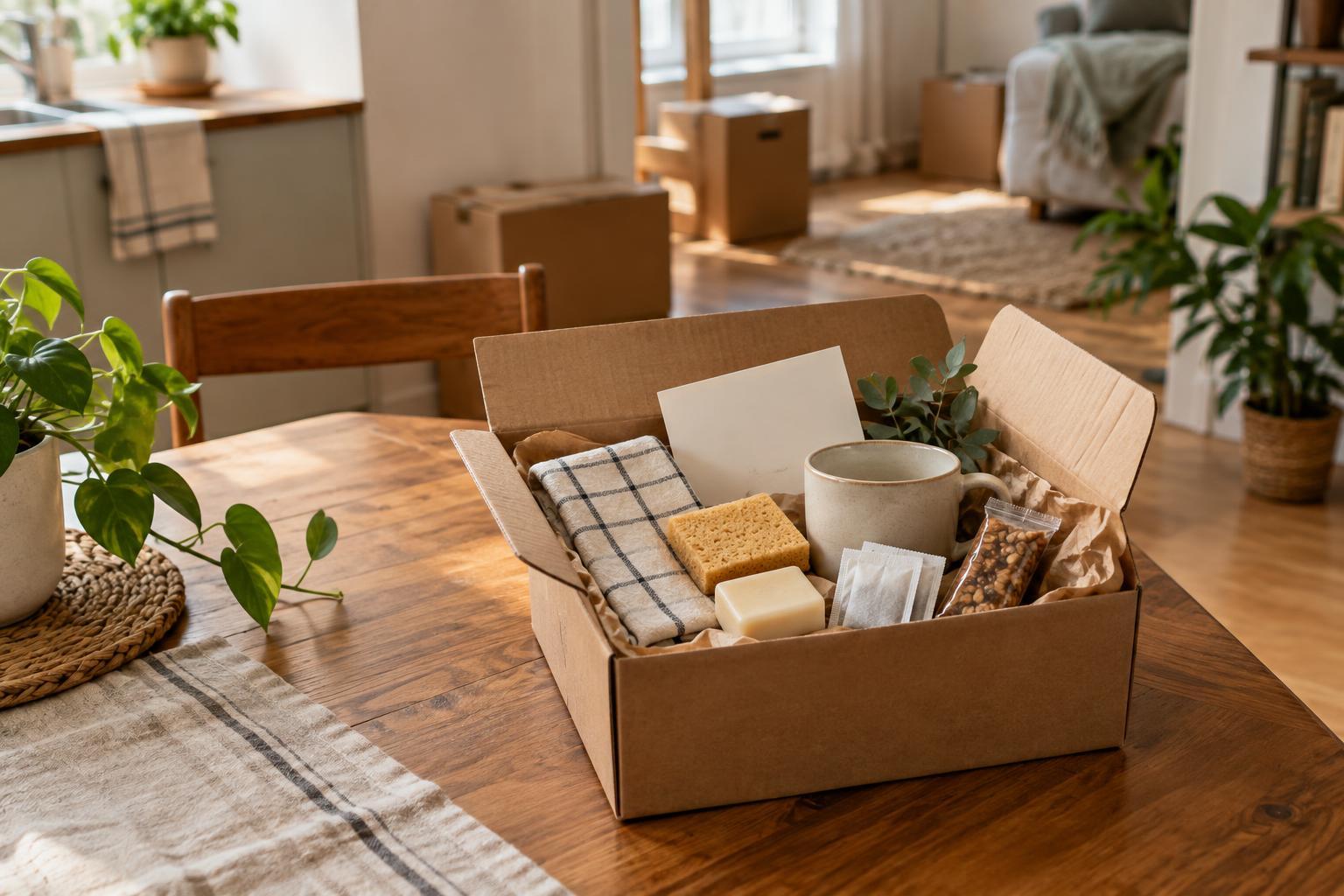
Arrange heavier items at the bottom and protect anything that could bend or leak. A reusable tote, shallow box or basket can make the contents easier to see and reach, but choose a size that will not be awkward to move. If you are dropping the package off, ask when and how the person would prefer to receive it. A doorstep handoff may be more restful than an unexpected visit.
Keep the final selection manageable. One practical comfort, one gentle diversion and one personal note are enough to make a meaningful care package. What matters most is the attention behind each choice: you have considered what this particular person might enjoy, respected their need to rest and offered a reminder that they are not forgotten.