Begin with the person, not a checklist
When someone is grieving, it is natural to want to do something tangible. A care package can be a quiet way to say, “I’m thinking of you,” but it does not need to be elaborate. Before choosing anything, consider what you know about the person’s routines, preferences and relationship to the person they have lost. A familiar snack may feel warmer than a collection of unfamiliar treats; a practical household item may be more welcome than a decorative gift.
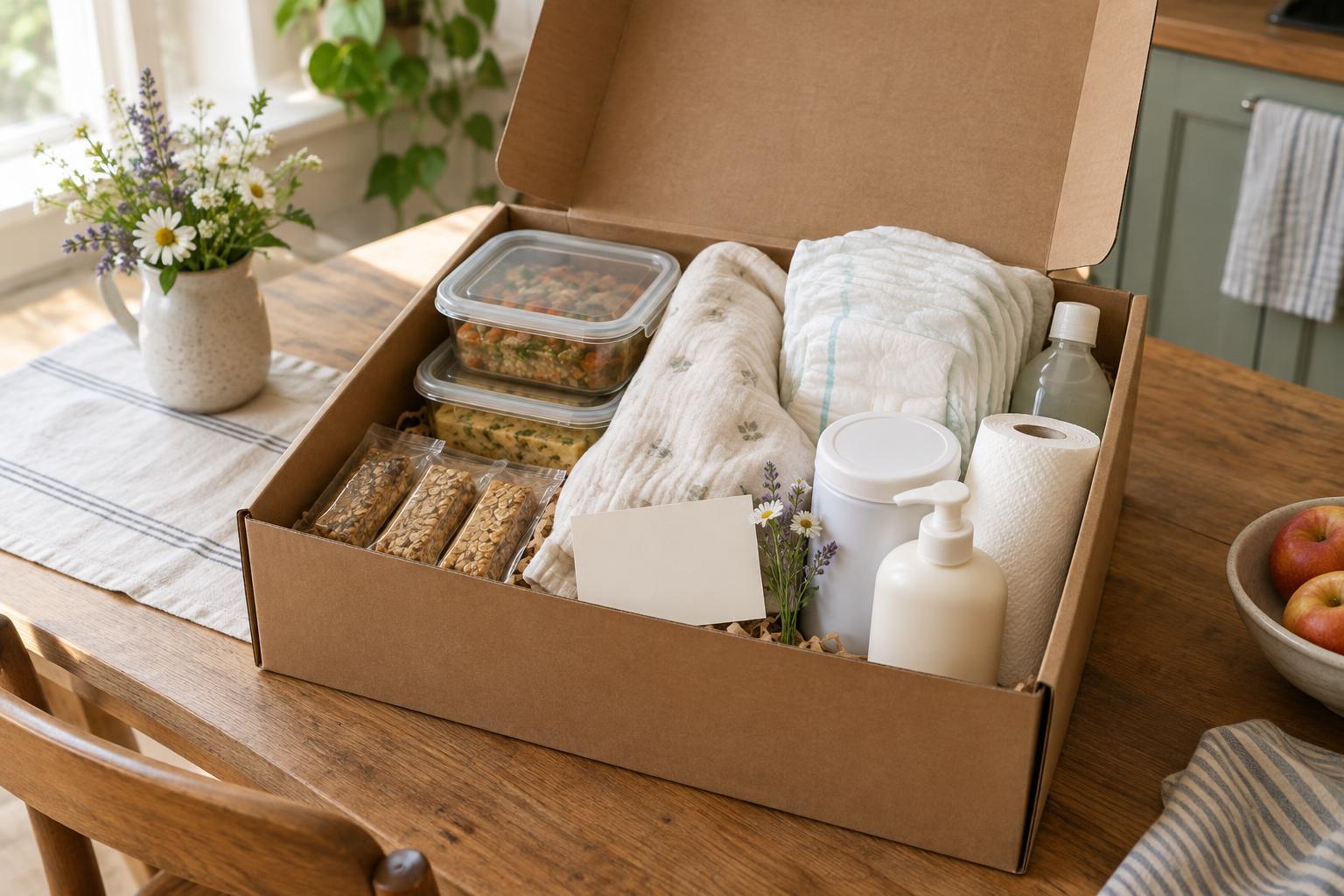
Keep the package small enough that it does not become another task. If you are unsure what would be useful, you can ask a simple question: “Would a few easy meals or some everyday supplies be helpful?” A surprise can be lovely, but checking first is especially considerate if the person has limited space, dietary needs or little energy for visitors. There is no single right way to grieve, so let what you know about them guide you.
Choose comfort that asks little of them
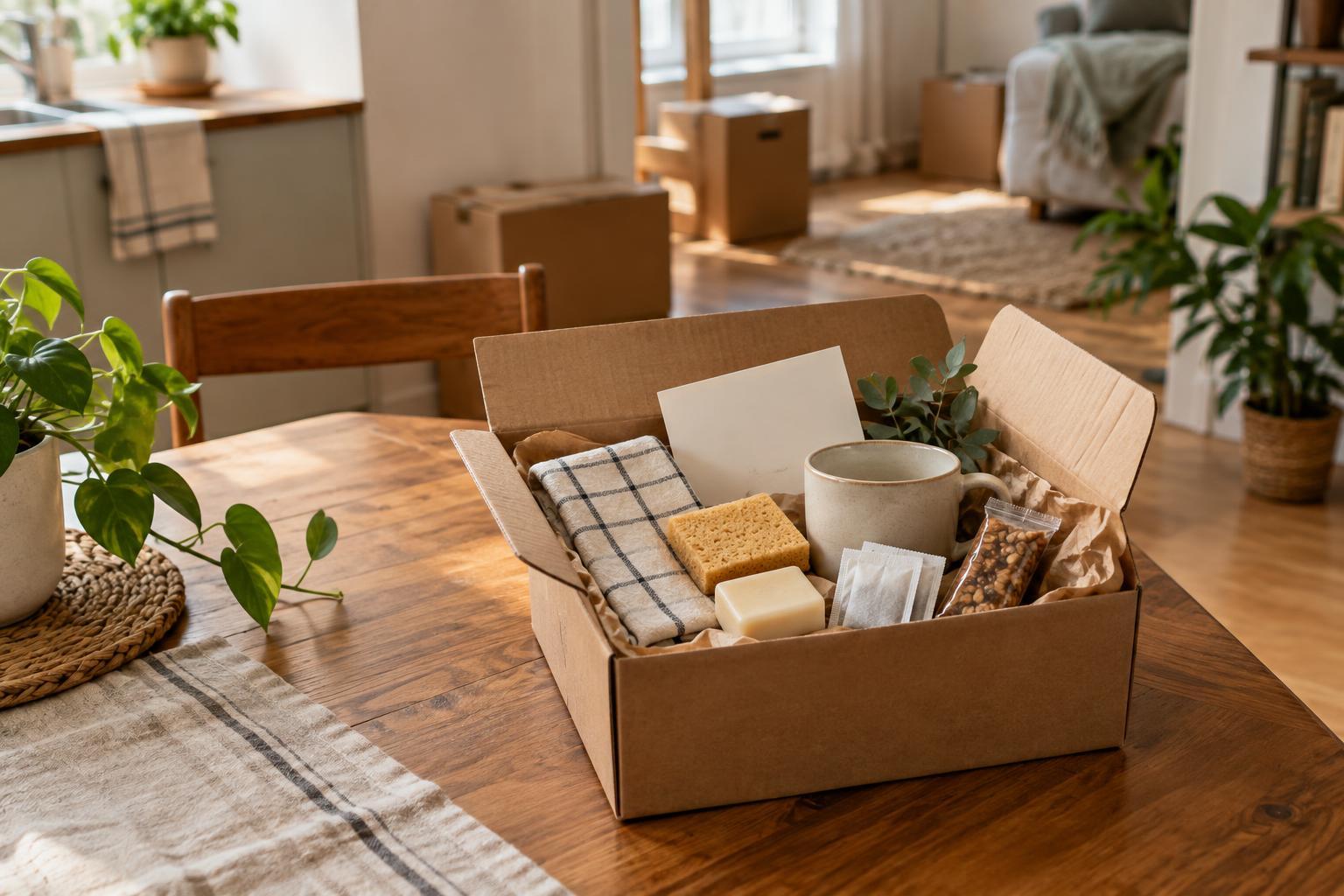
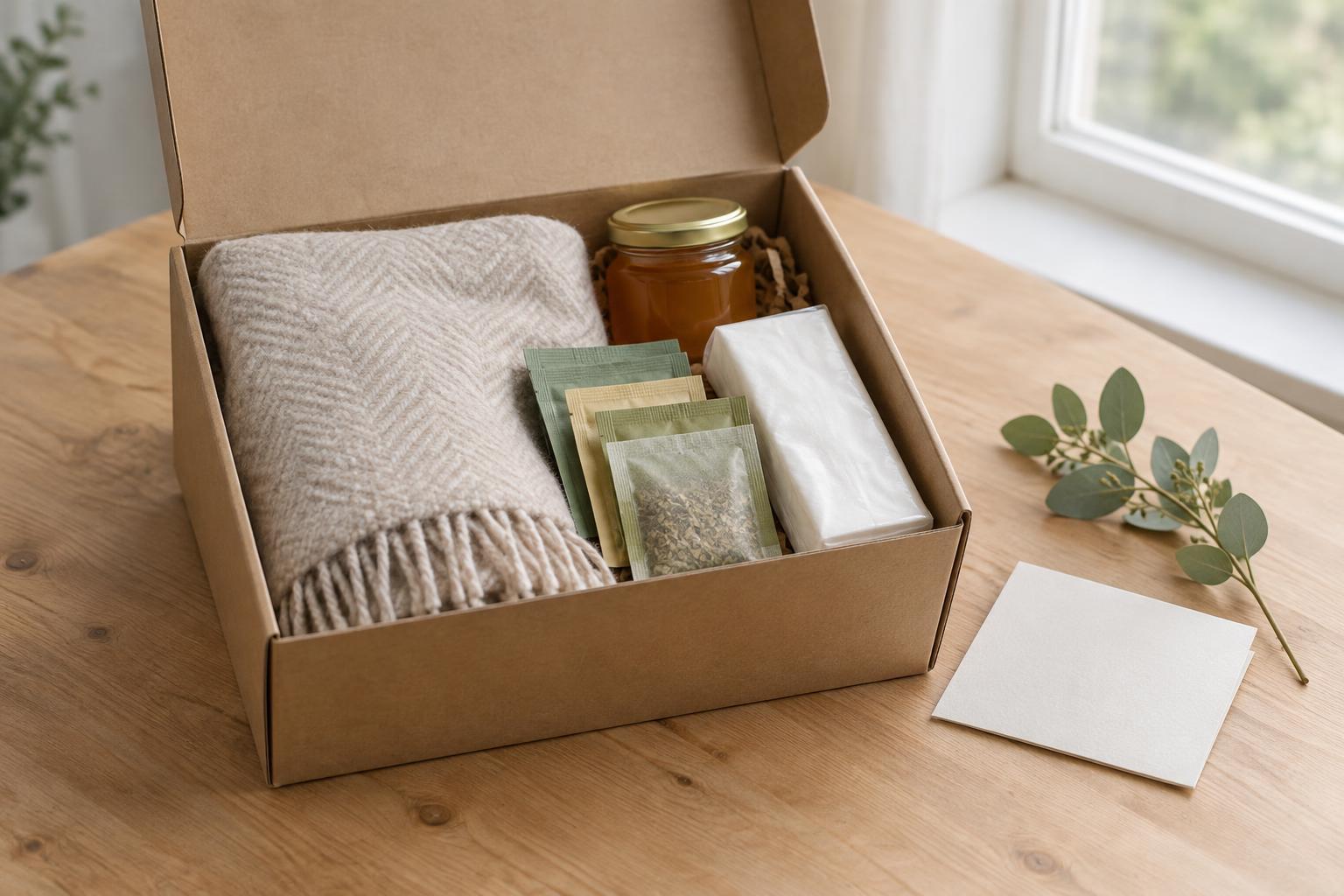
Aim for items that can be used whenever the recipient is ready. Tea or another favorite drink, shelf-stable snacks, soft tissues, a comfortable pair of socks or an unscented hand cream are possibilities. If you include food, check what you can about allergies and preferences, and avoid anything that requires prompt preparation. Individually wrapped portions can be easier to set aside than something that must be finished quickly.
You might also include something that offers a brief, undemanding pause: a small notebook, a pen that writes smoothly or a puzzle book suited to their tastes. Present these as options, not activities they ought to try. Strongly scented products, inspirational slogans and books about grief can be deeply personal choices; when in doubt, leave them out. A useful package is one the recipient can open, put away and return to later without feeling they have let you down.
Write a note that makes room for grief
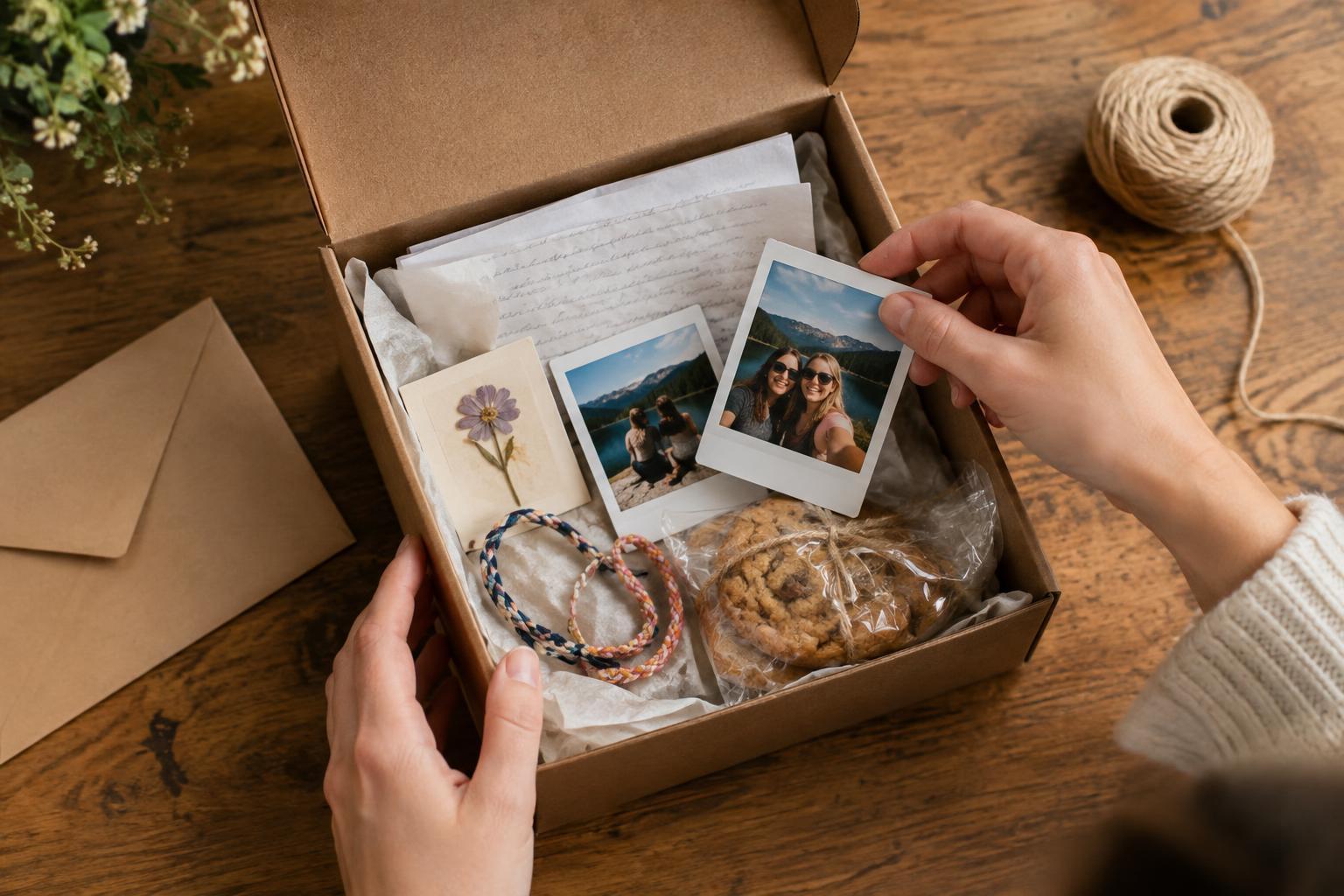
A handwritten note often carries more meaning than an additional item. You do not need to find a phrase that makes the situation better. Use the person’s name, acknowledge the loss plainly and say you are thinking of them. If you knew the person who died, a brief, specific memory can be a gift: something kind they did, a habit you remember or a moment you shared. Keep it sincere rather than trying to sum up an entire life.
Avoid guessing how the recipient feels or promising that things will improve on a particular timeline. You can remove the burden of replying with a line such as, “There’s no need to write back.” If you want to offer help, make it specific and optional: “I can drop off groceries on Thursday if that would be useful.” That gives them an easier choice than a broad invitation to ask for anything, while leaving them free to decline.
Make the packaging gentle and practical
Presentation matters most when it makes the package easy to receive. Choose a sturdy box, bag or reusable container that suits what is inside. Wrap fragile items securely and avoid layers of ribbon or tape that take effort to undo. A simple piece of tissue paper and a note placed on top can make the contents feel cared for without turning the unwrapping into an event.
Think about how the package will reach them. If you plan to leave it at their door, ask whether that is welcome and choose a time that works for them. If you cannot ask directly, a brief message explaining what you have left and that they need not answer immediately can help. For anything being sent, choose items that travel well and are not perishable. The goal is to offer care without adding a delivery problem to their day.
Let the gesture be part of ongoing care
A package can be meaningful, but it is not a substitute for staying in touch. After giving it, resist checking whether every item was liked or used. The recipient may not be able to express thanks, even if the gesture matters to them. Give them room to respond in their own time, or not at all.
Support can continue in small ways: a short message a few weeks later, an invitation that is easy to decline or an offer to handle one ordinary errand. Remembering them beyond the first wave of attention may mean more than finding a perfect gift. Let the care package say what your actions can keep saying: you are here, and they do not have to perform gratitude to be cared for.