How to Choose a Gift for Someone Who Lives Far Away
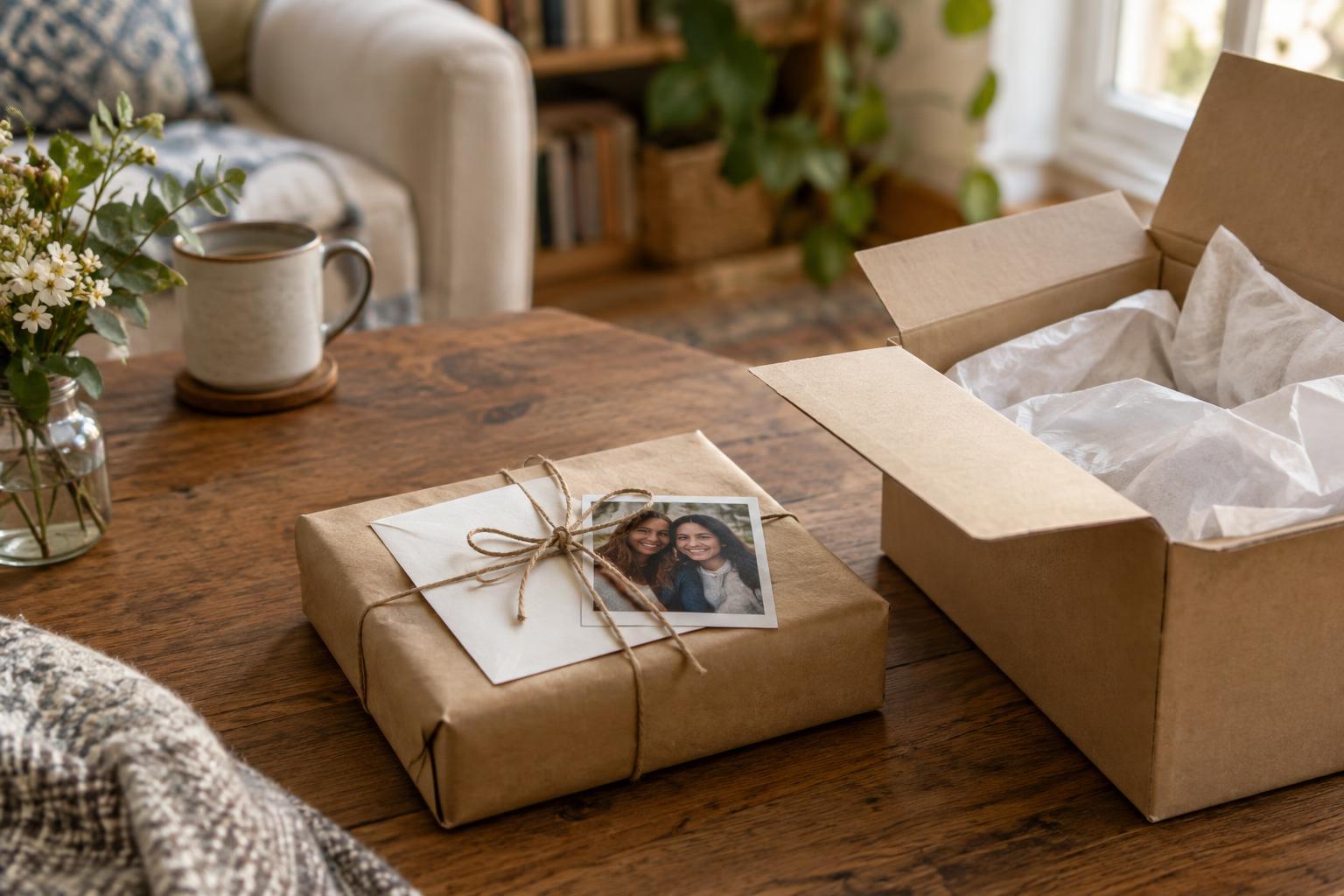
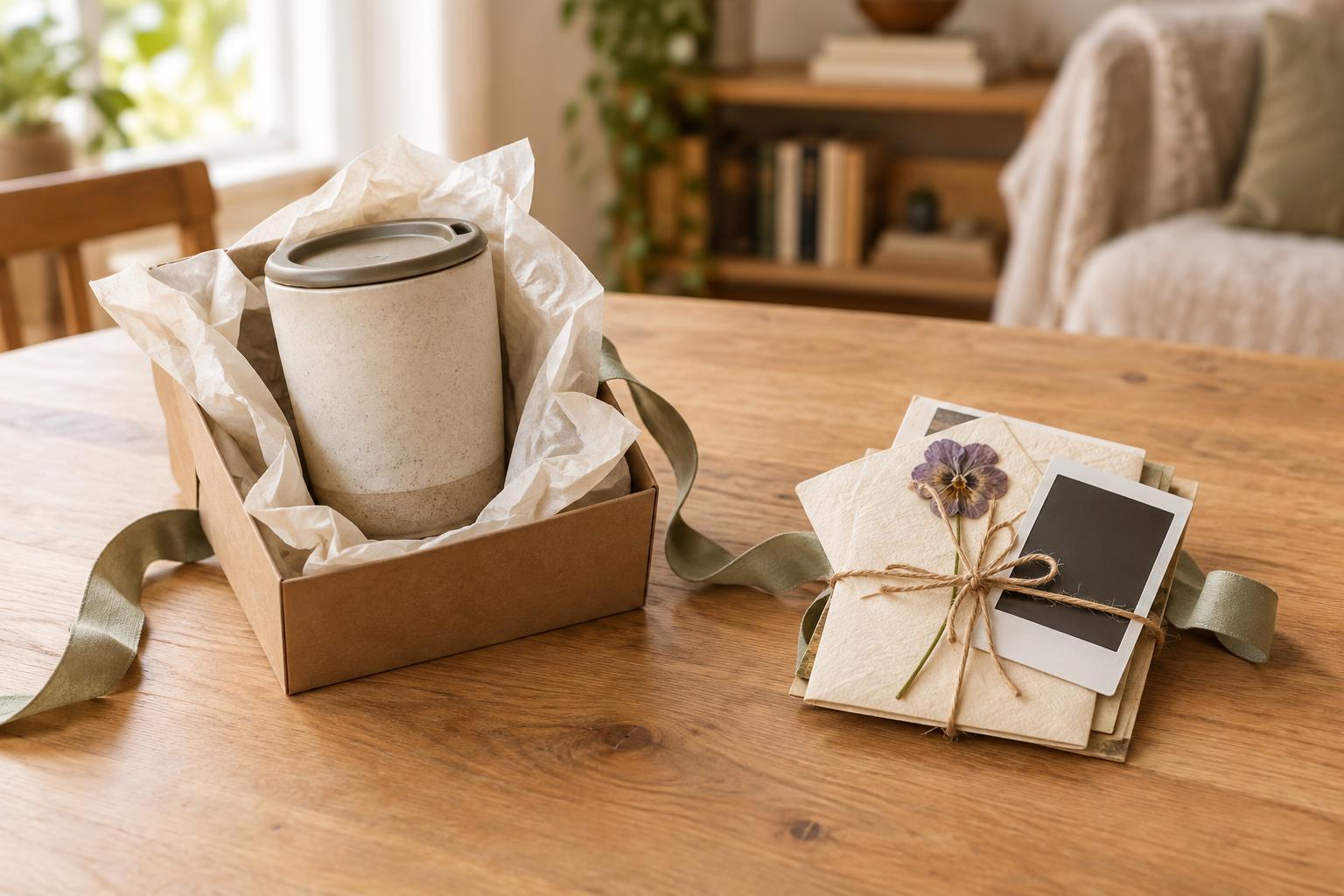
Distance changes the practical side of gift-giving. Choose something that fits the recipient’s space and routines, can reach them without hassle, and still feels personal.
Read article · 4 min↗Gift Ideas
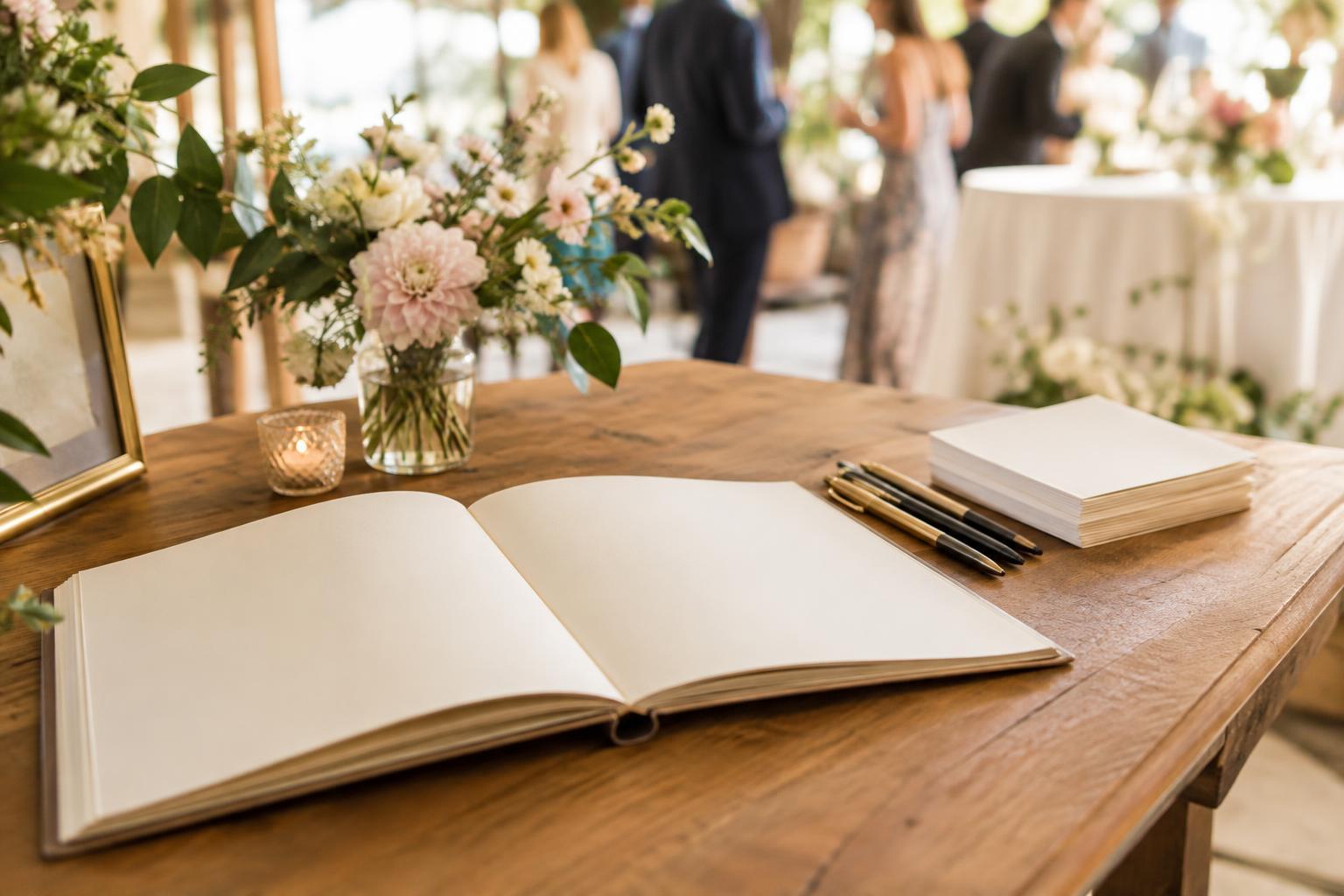
More to discover ↗A guestbook can capture more than a list of names. Make it easy to find, comfortable to use and worth revisiting with thoughtful prompts, flexible ways to contribute and a simple plan for keeping it afterward.
Read article ↗
Celebrations and Keepsakes
More to discover
Distance changes the practical side of gift-giving. Choose something that fits the recipient’s space and routines, can reach them without hassle, and still feels personal.
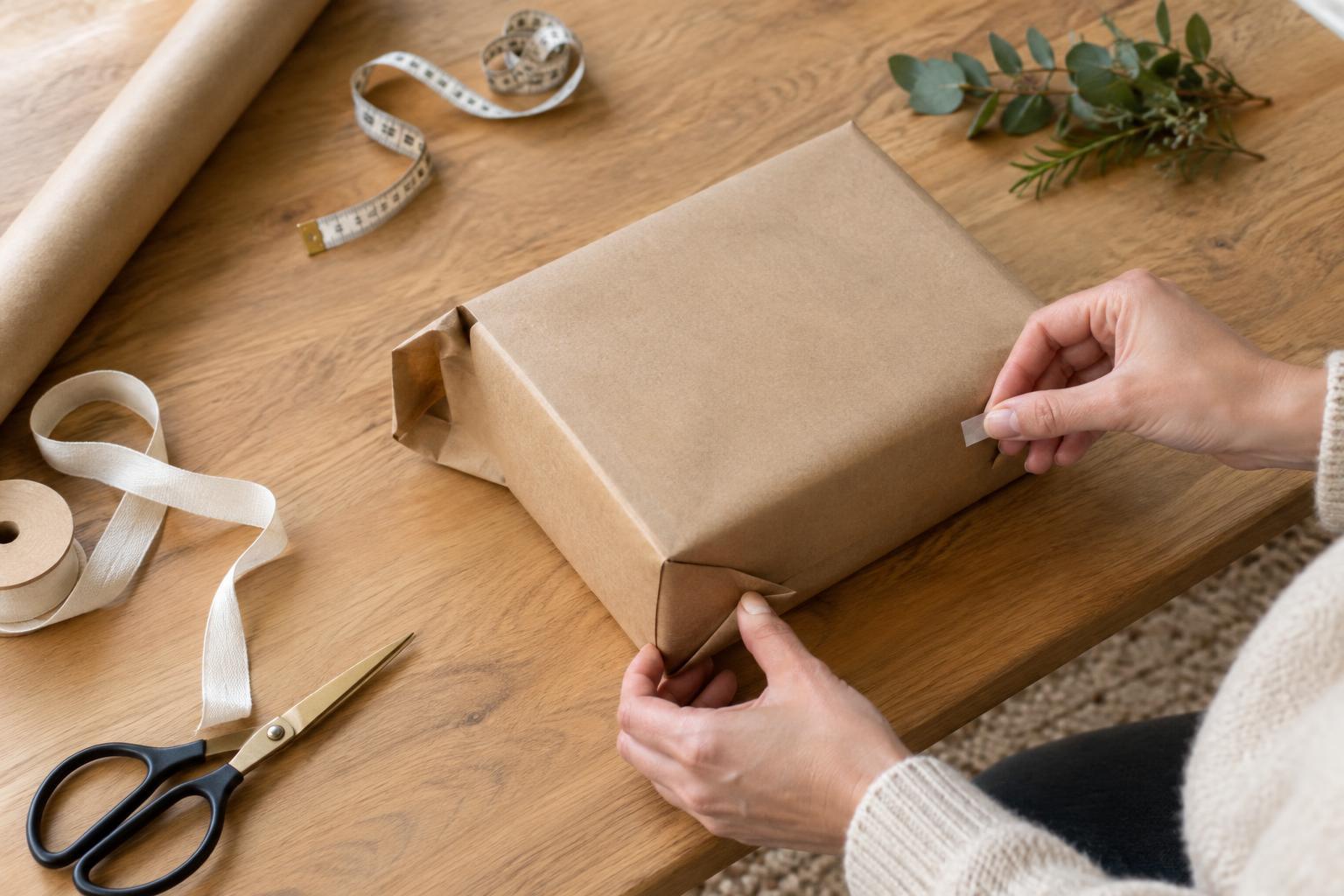
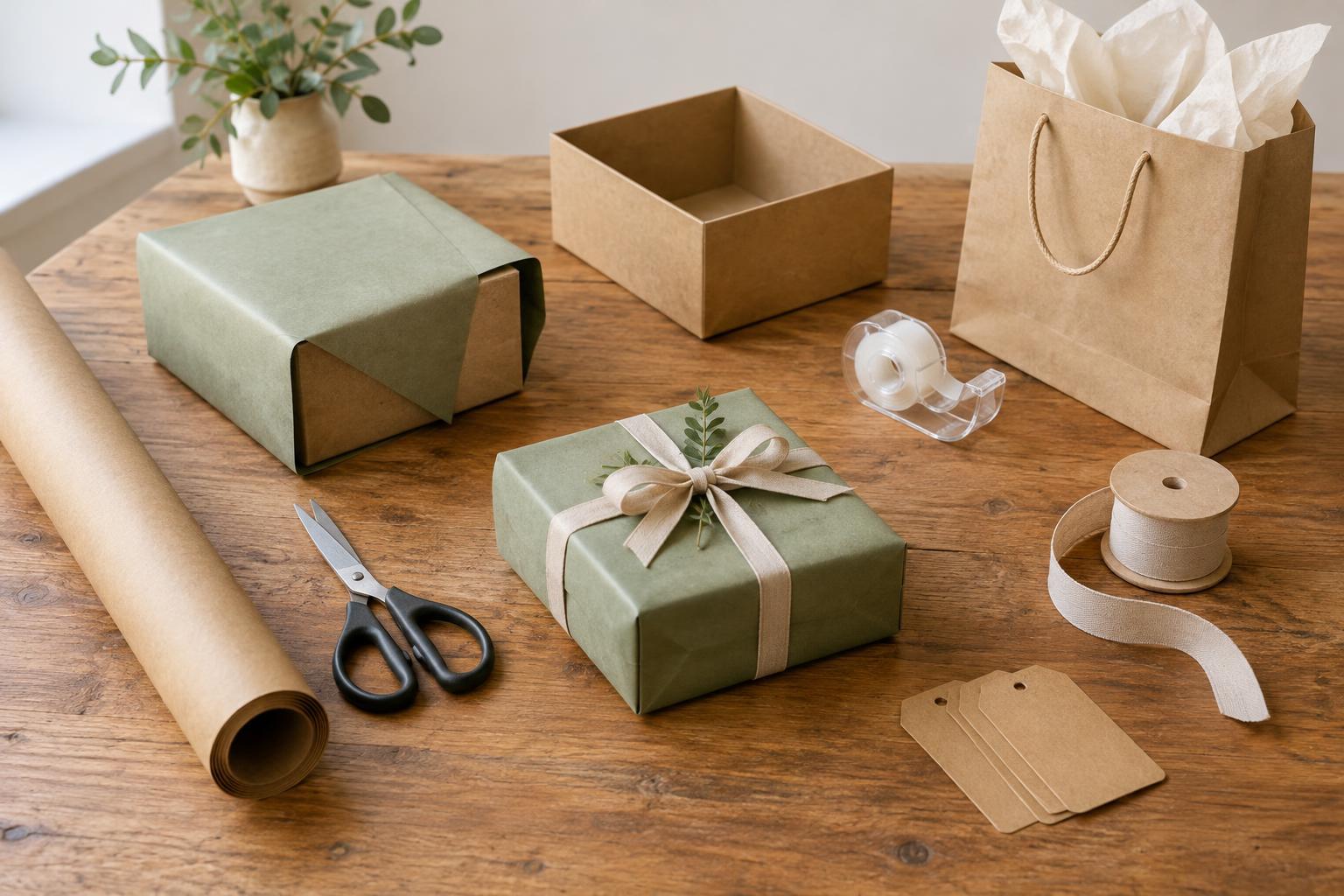
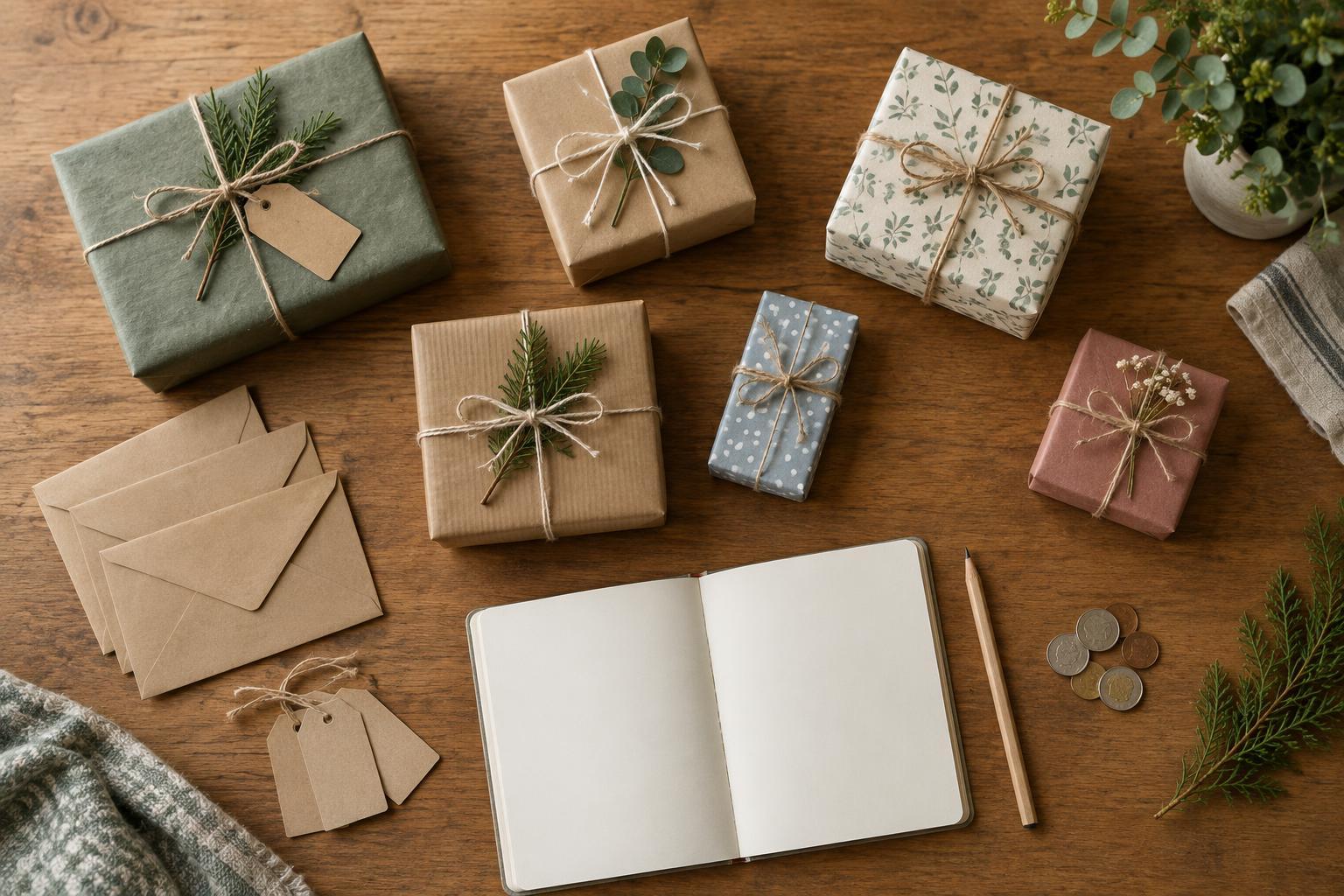
Read article · 4 min↗Paper that will not reach, bulky corners and ribbon that slips can make wrapping frustrating. Learn simple fixes for common gift-wrapping mistakes, including how to measure paper, handle unusual shapes and add a thoughtful finishing touch.
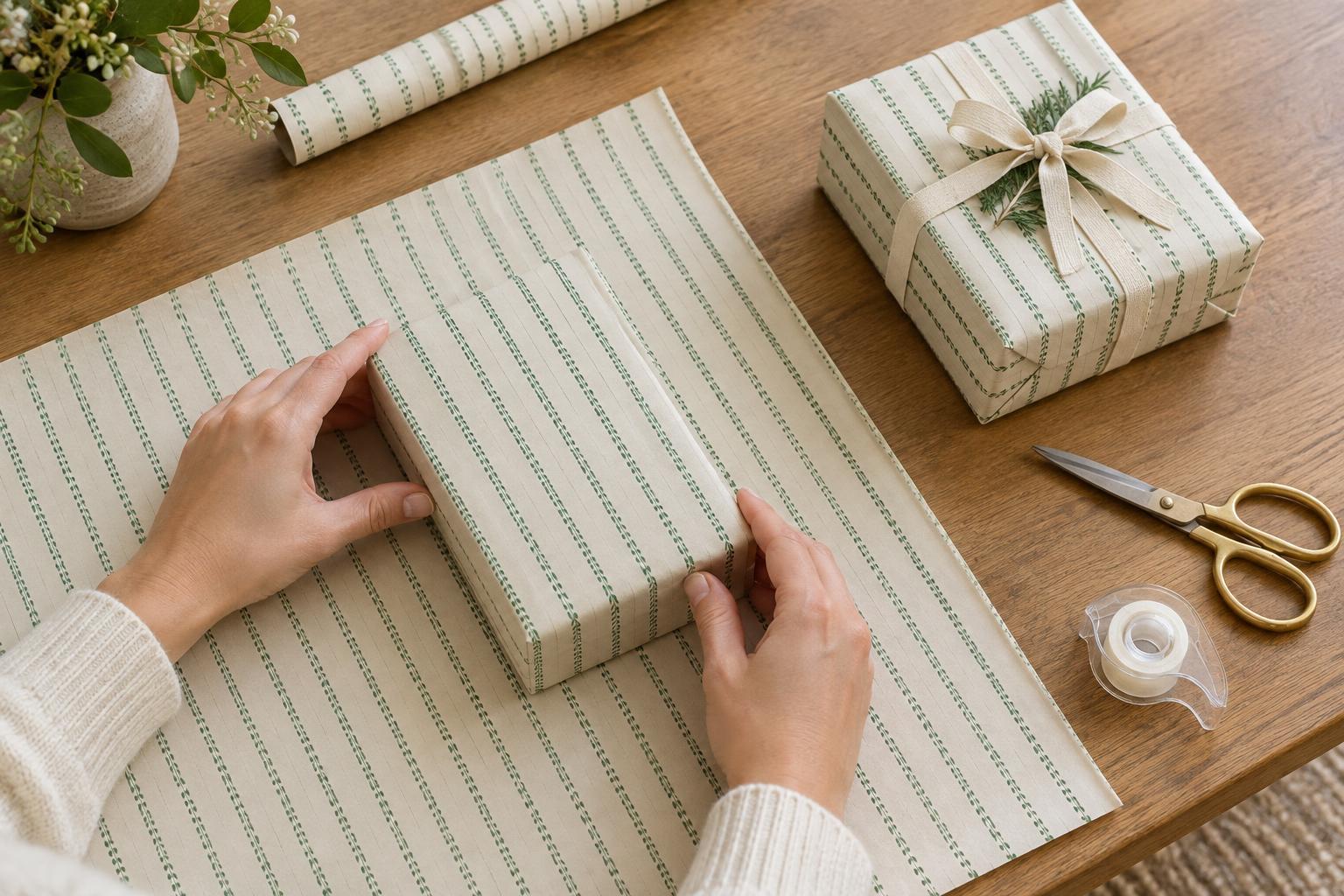
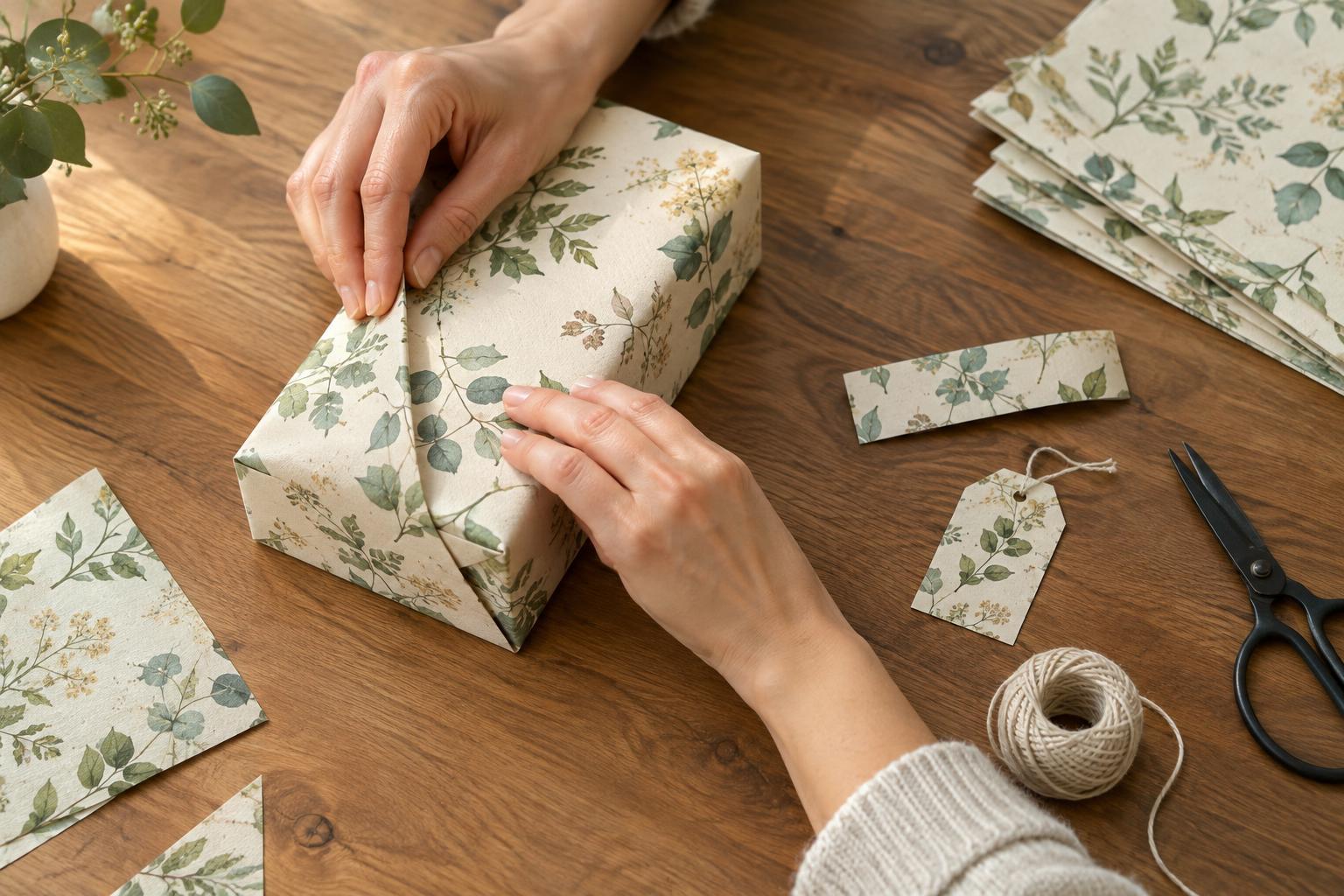
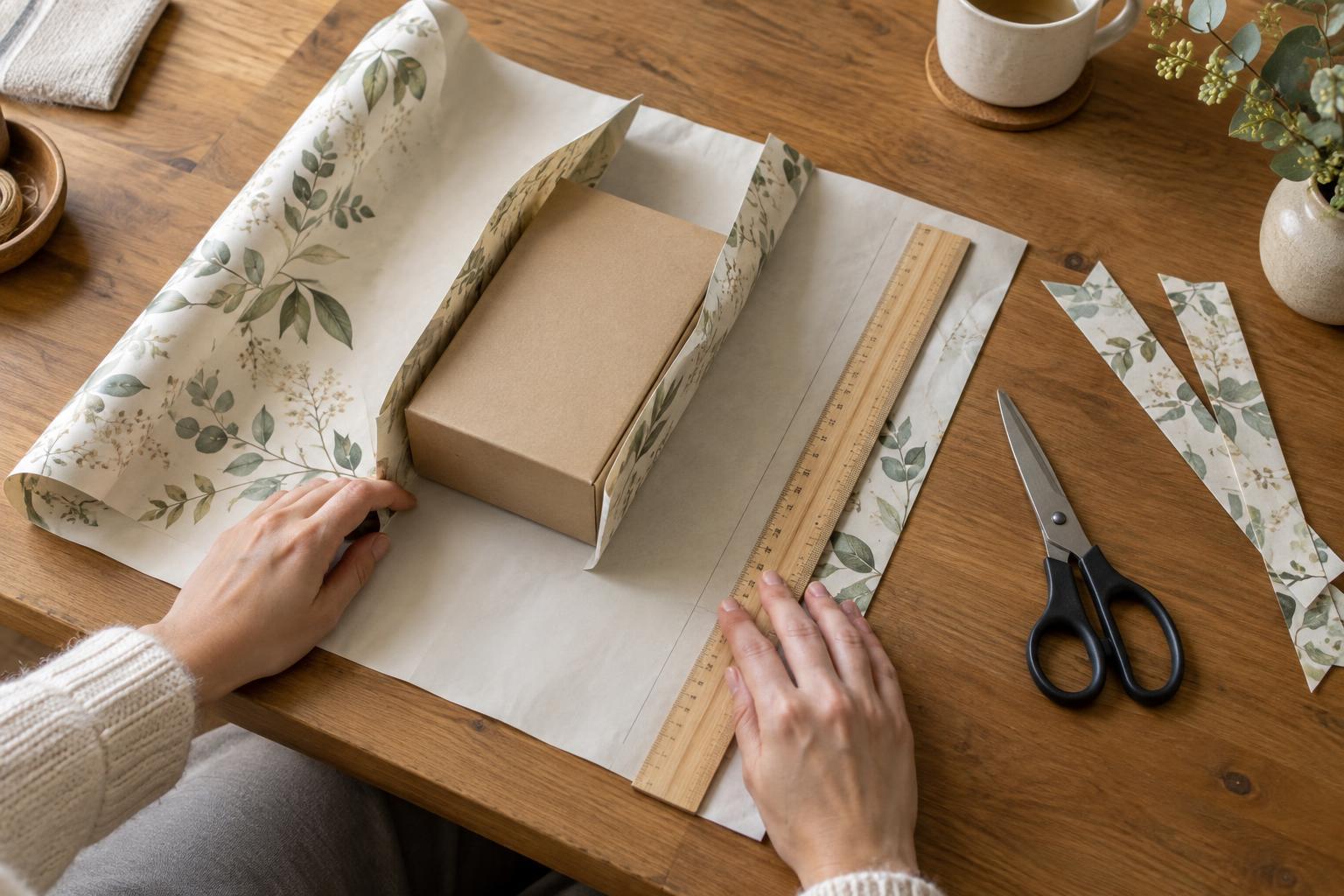
Read article · 4 min↗Patterned paper can make a gift look polished, but crooked lines and visible joins can distract from the design. Learn how to position the paper, make tidy folds and place seams where they are less noticeable.
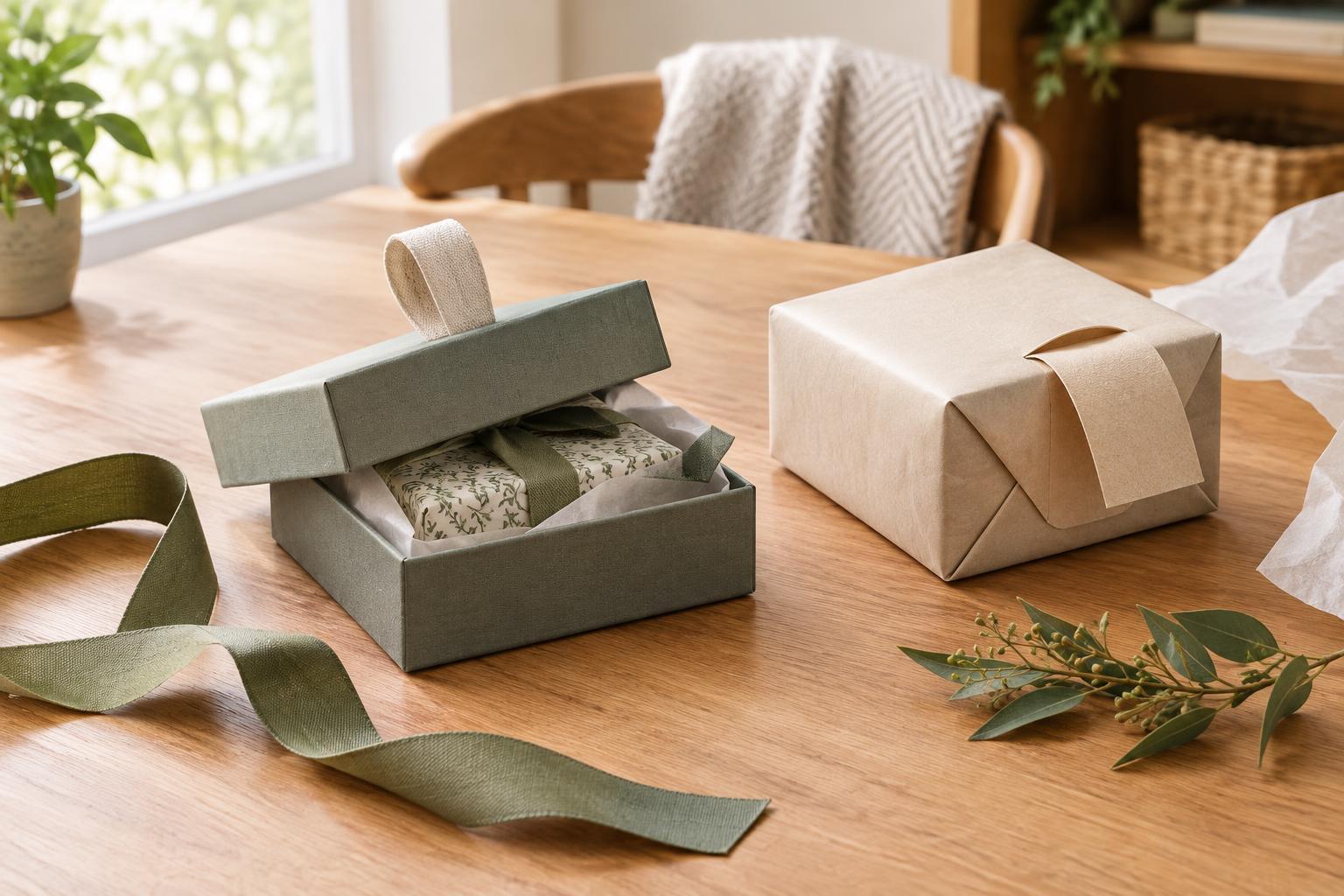
Read article · 4 min↗Thoughtful wrapping can make a gift easier to enjoy. Learn how to choose packaging, closures and pull tabs that require less pinching, peeling or tugging while keeping the presentation personal.
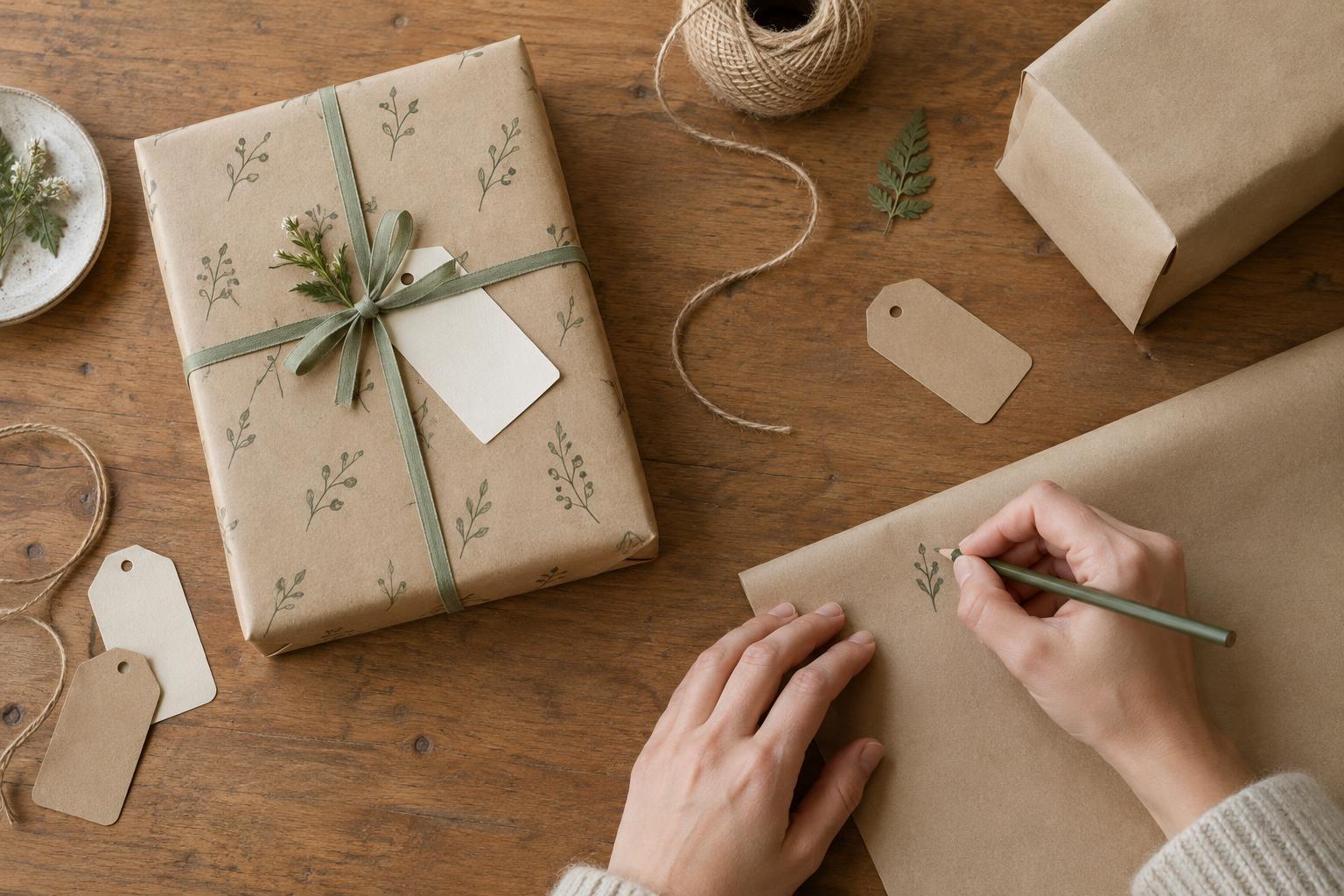
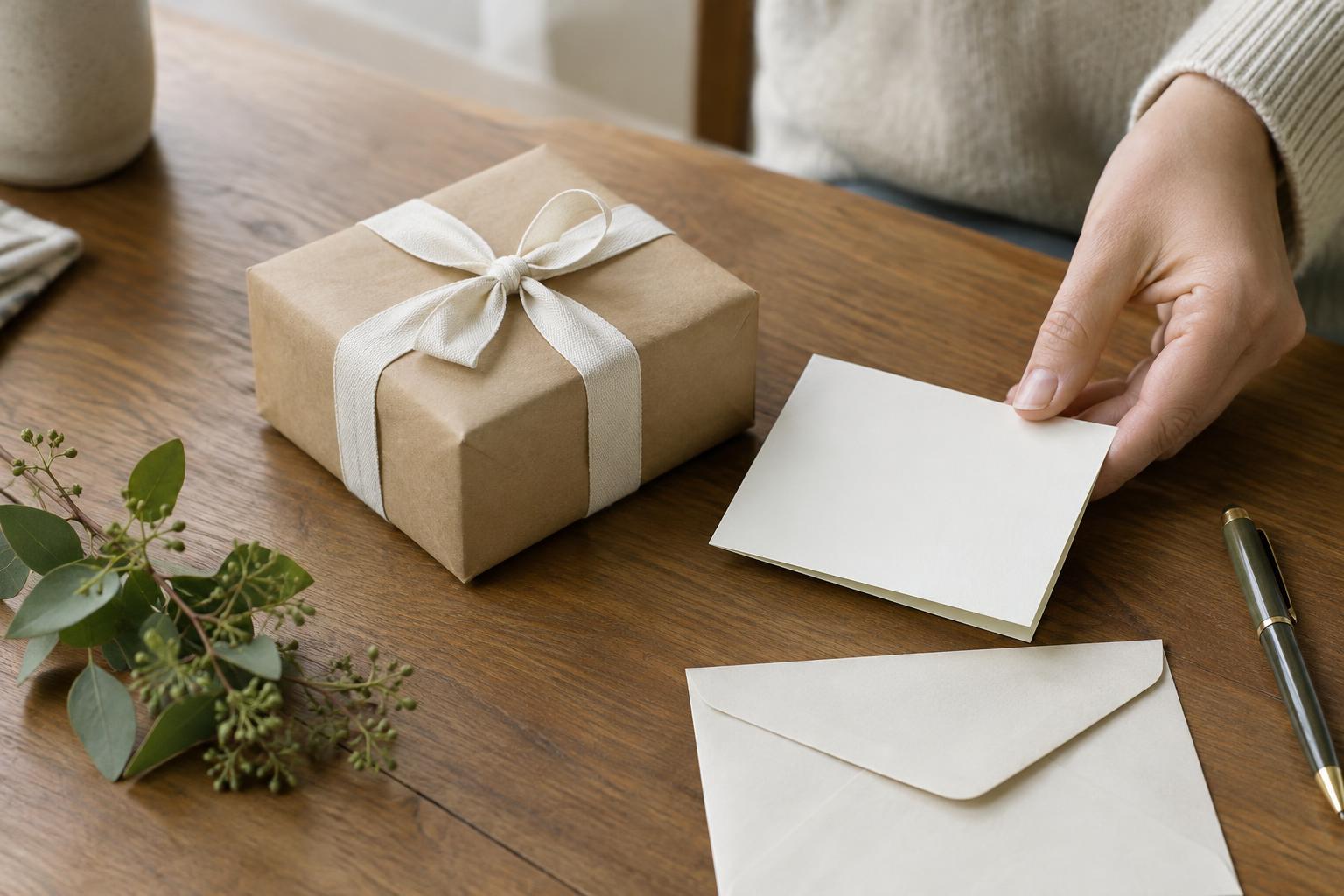
Read article · 4 min↗Plain wrapping paper is a flexible starting point for a thoughtful gift. Add handwriting, simple patterns, small paper keepsakes or a carefully chosen ribbon to make the presentation feel personal without making it complicated.
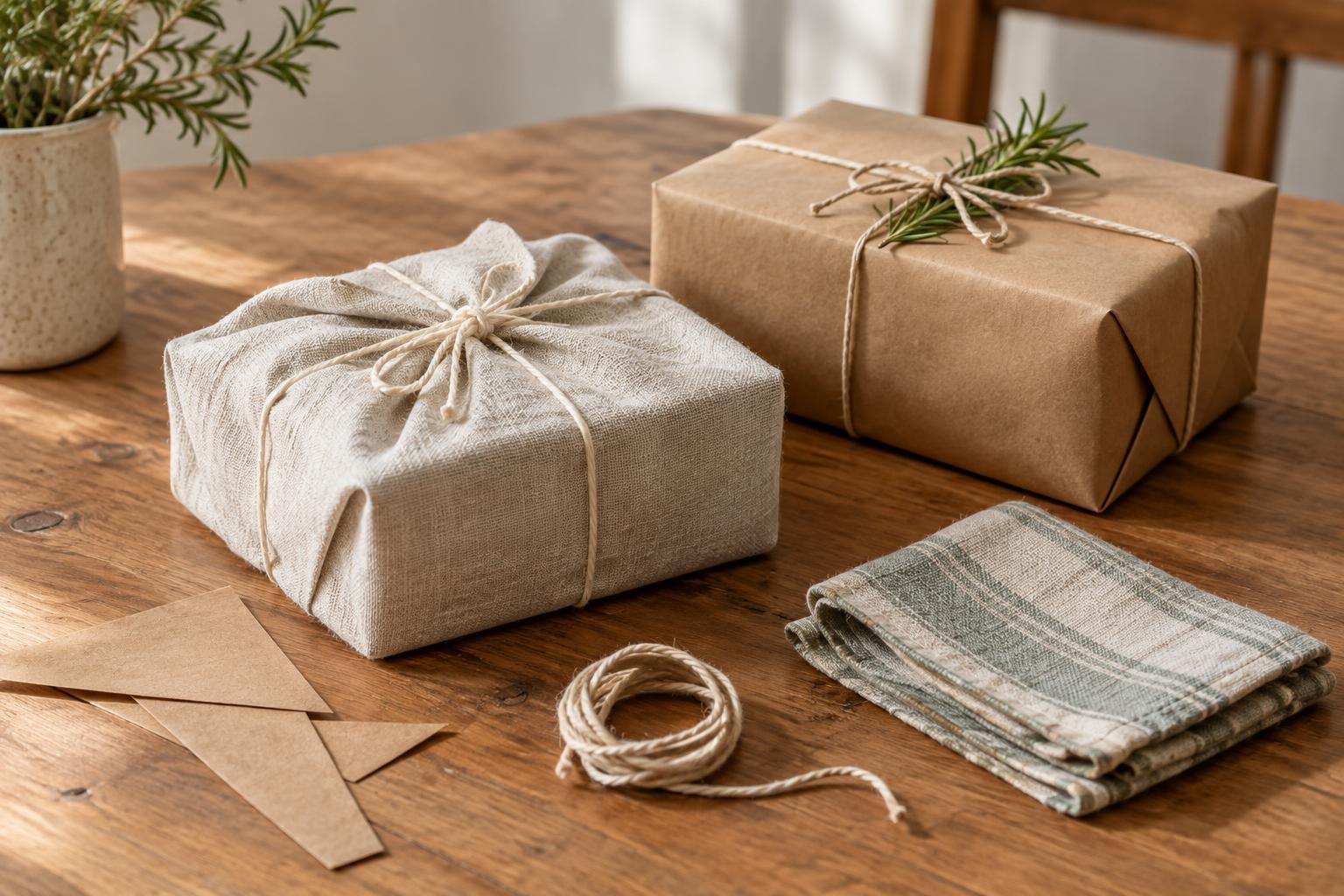
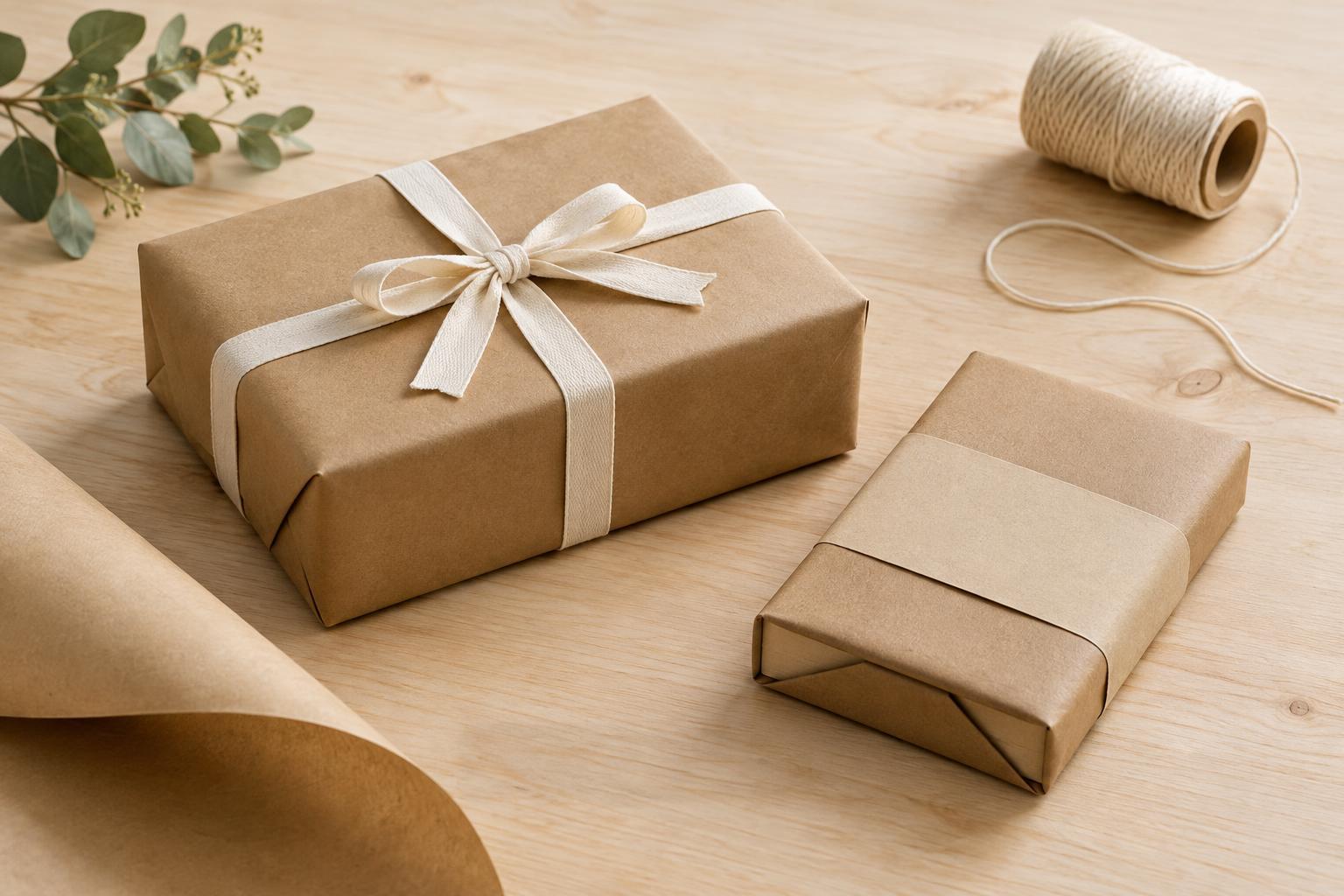
Read article · 4 min↗A thoughtfully wrapped gift does not need layers of new materials. Learn how to use what you already have, choose wrapping that is easy to reuse or recycle, and make the presentation feel personal.
Read article · 4 min↗Previously used wrapping paper can look fresh again with a little sorting and a thoughtful fold. Learn how to work around tape marks, place creases where they will be least visible, and turn smaller clean pieces into attractive gift details.
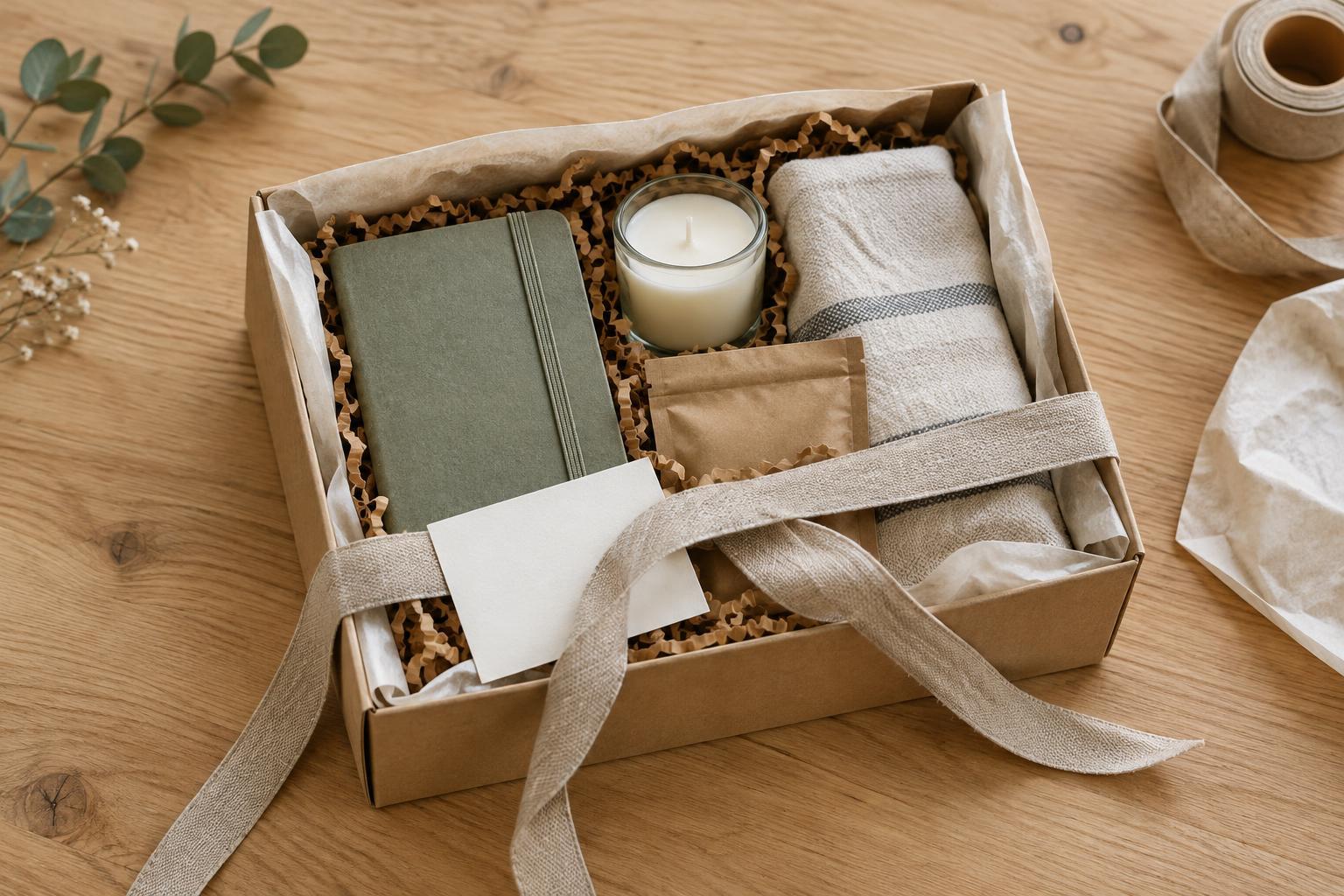
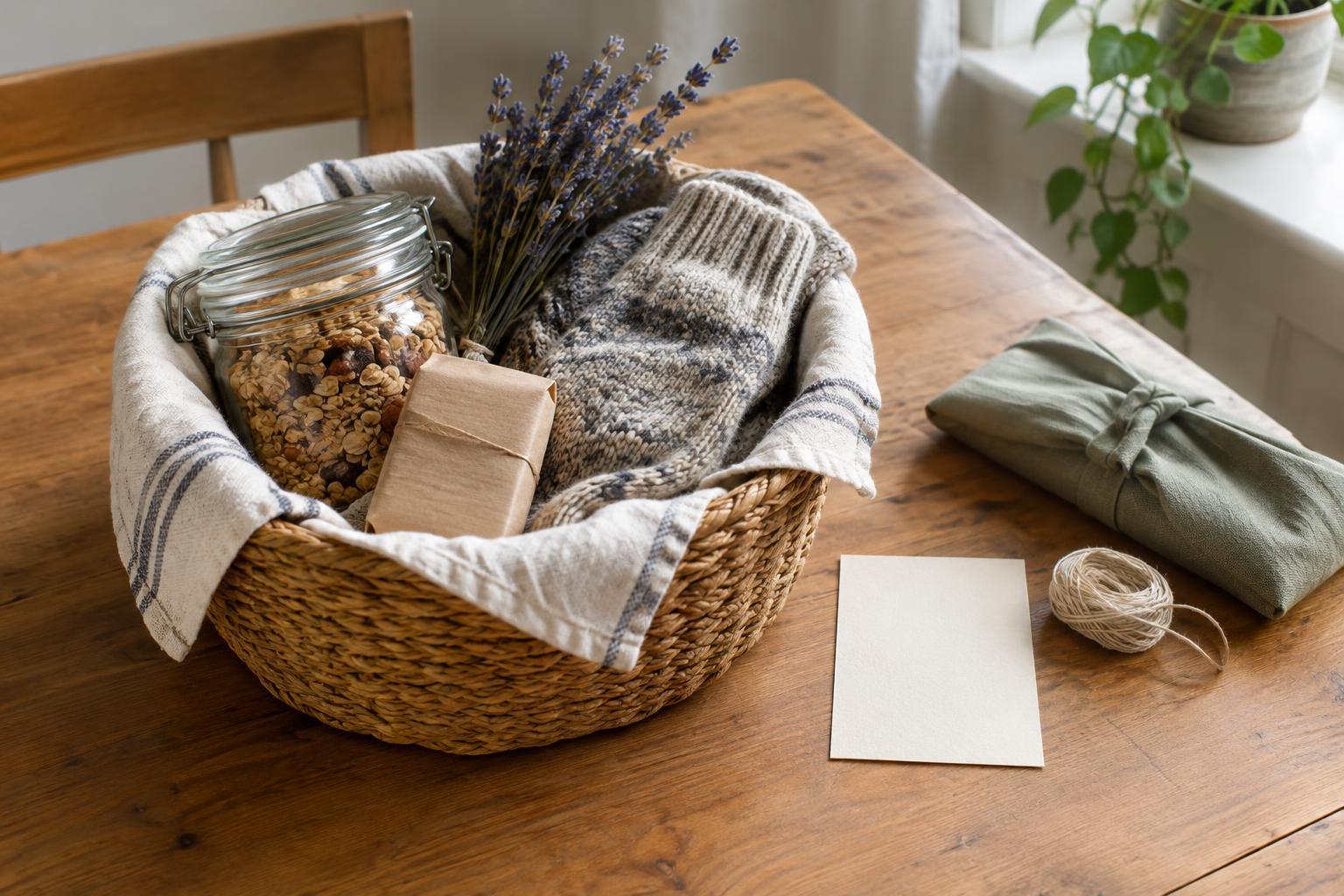
Read article · 4 min↗Several small gifts can feel like one thoughtful present when they share a clear arrangement. Learn how to choose a container, keep items from shifting, and finish the bundle so it looks inviting and is easy to open.
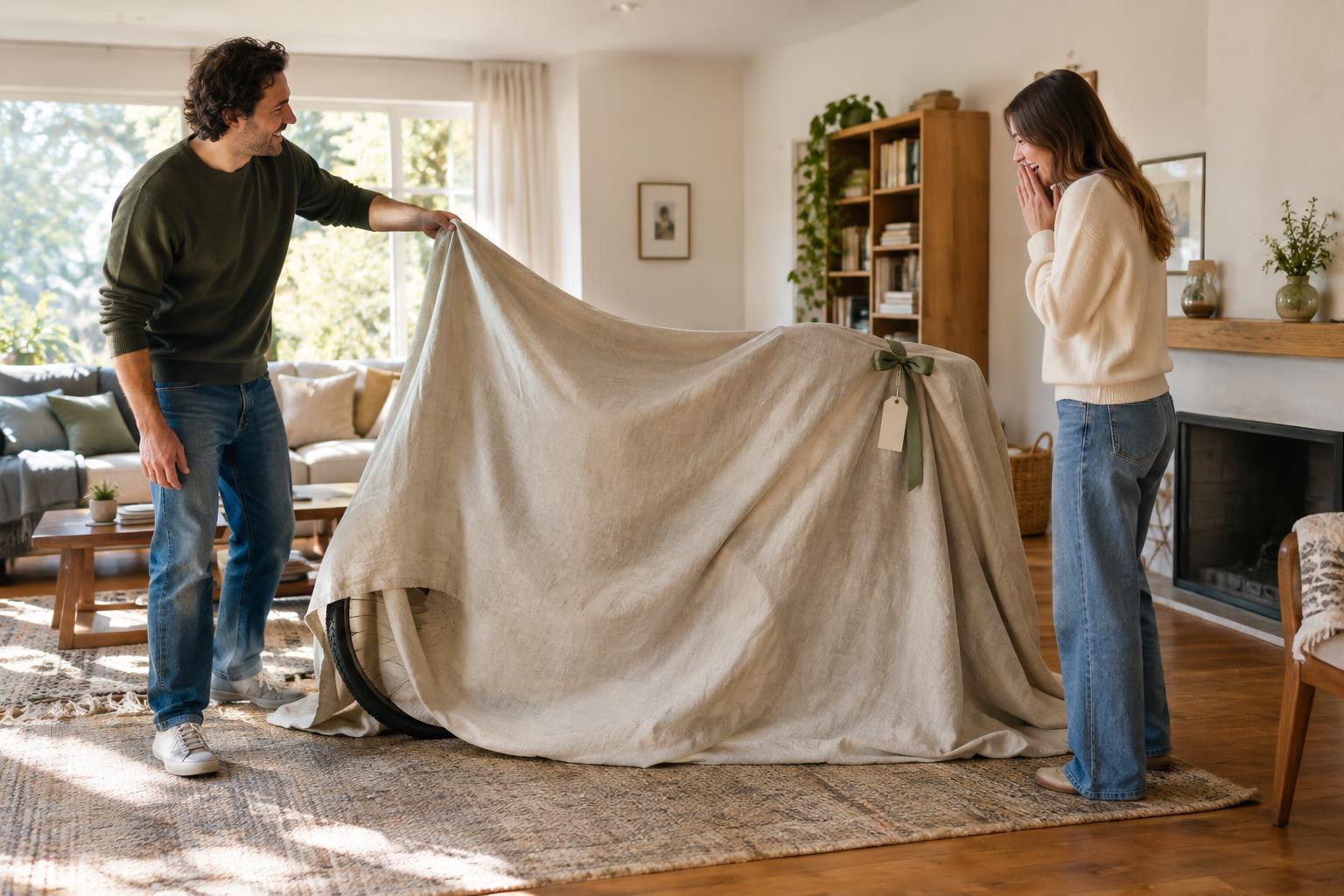
Read article · 3 min↗A large gift does not need a giant roll of wrapping paper to feel special. Use a fabric reveal, a decorated corner, a small clue or a thoughtful note to make the moment of giving feel personal.
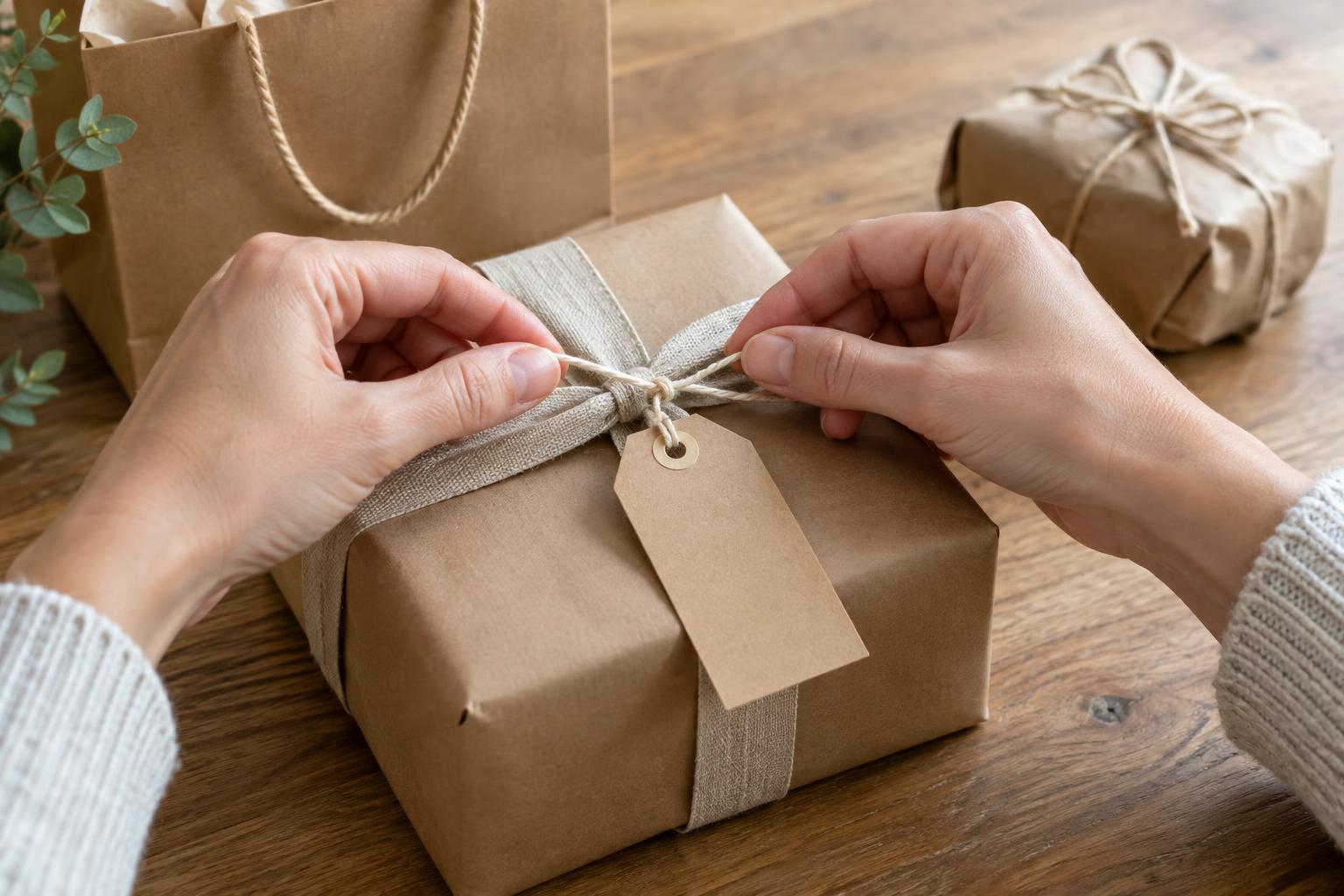
Read article · 4 min↗A gift tag is a small detail, but it needs to stay with the right present. Learn how to choose a secure attachment for ribbon, string, gift bags and awkwardly shaped parcels, plus a few checks before the gift leaves your hands.
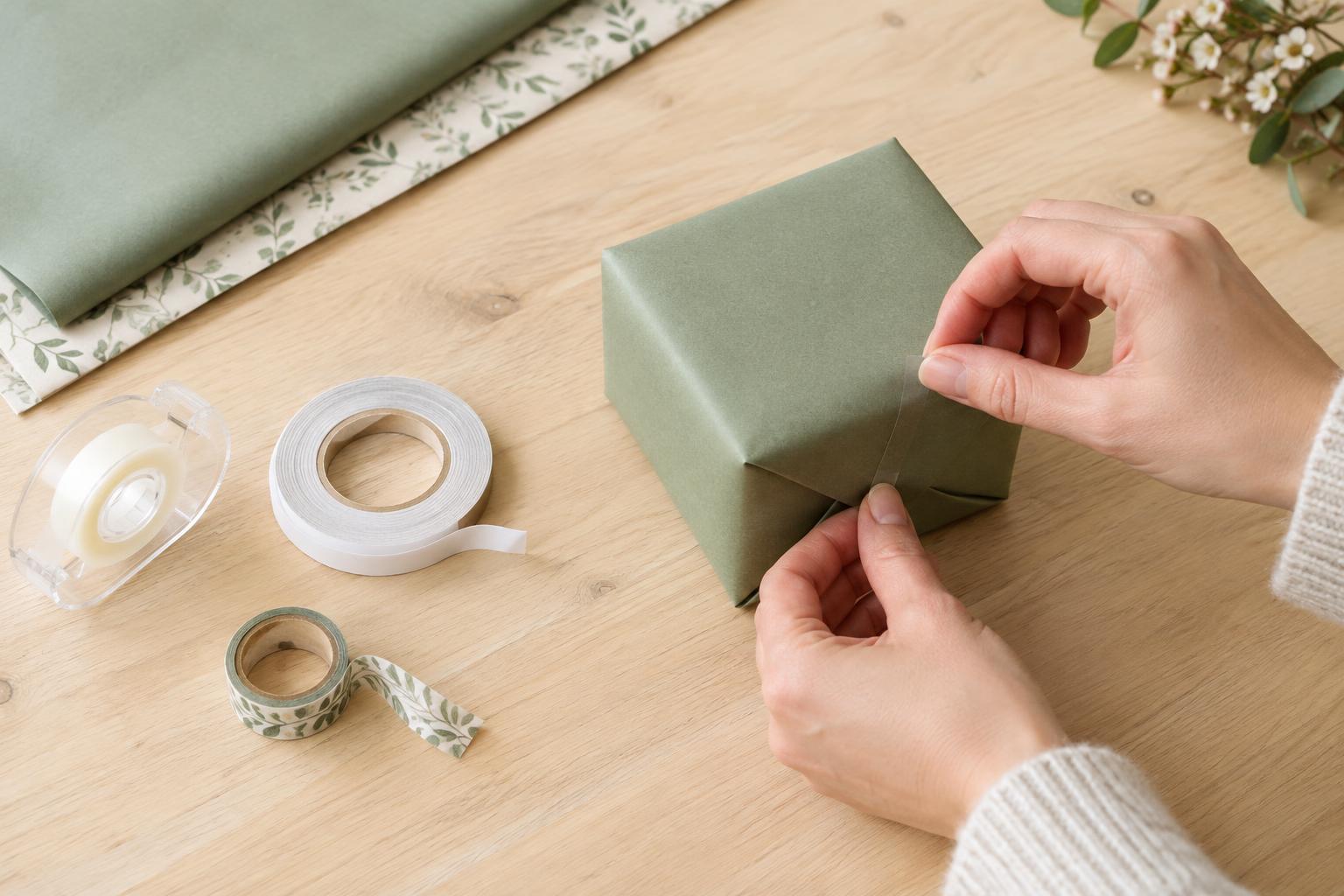
Read article · 4 min↗The right tape can keep a gift neatly wrapped without distracting from the paper or damaging it. Learn when to use clear, matte, double-sided or decorative tape, and how to place each piece for a cleaner finish.
Read article · 3 min↗No tape? A well-placed ribbon, paper band or folded flap can keep a gift neatly wrapped. Learn how to choose the right method for boxes, books and awkward shapes.
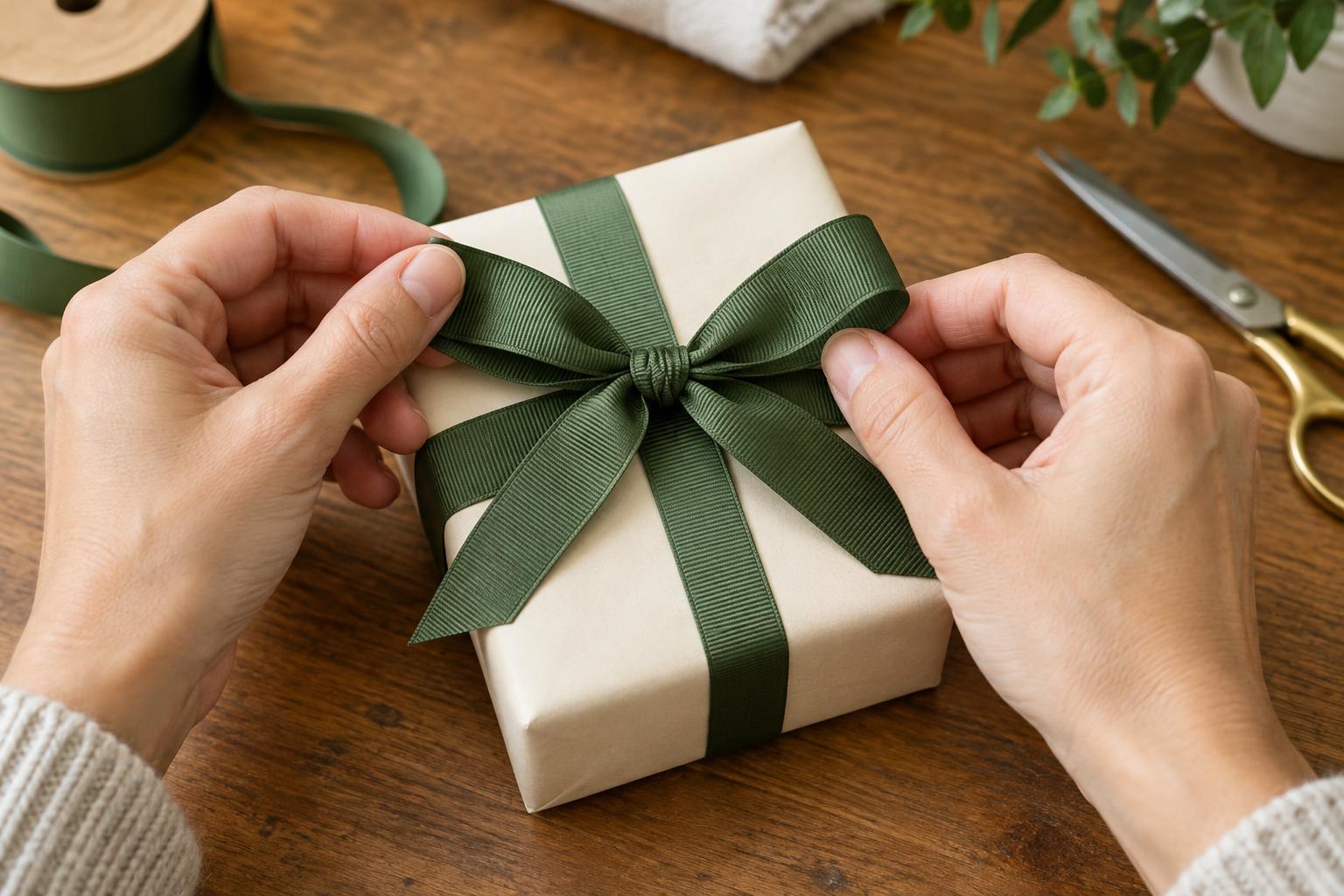
Read article · 4 min↗A gift bow should look lovely when it is tied and still be in place when the gift is opened. Learn how to choose ribbon, anchor it around a box, make a balanced bow and keep slippery loops from coming loose.
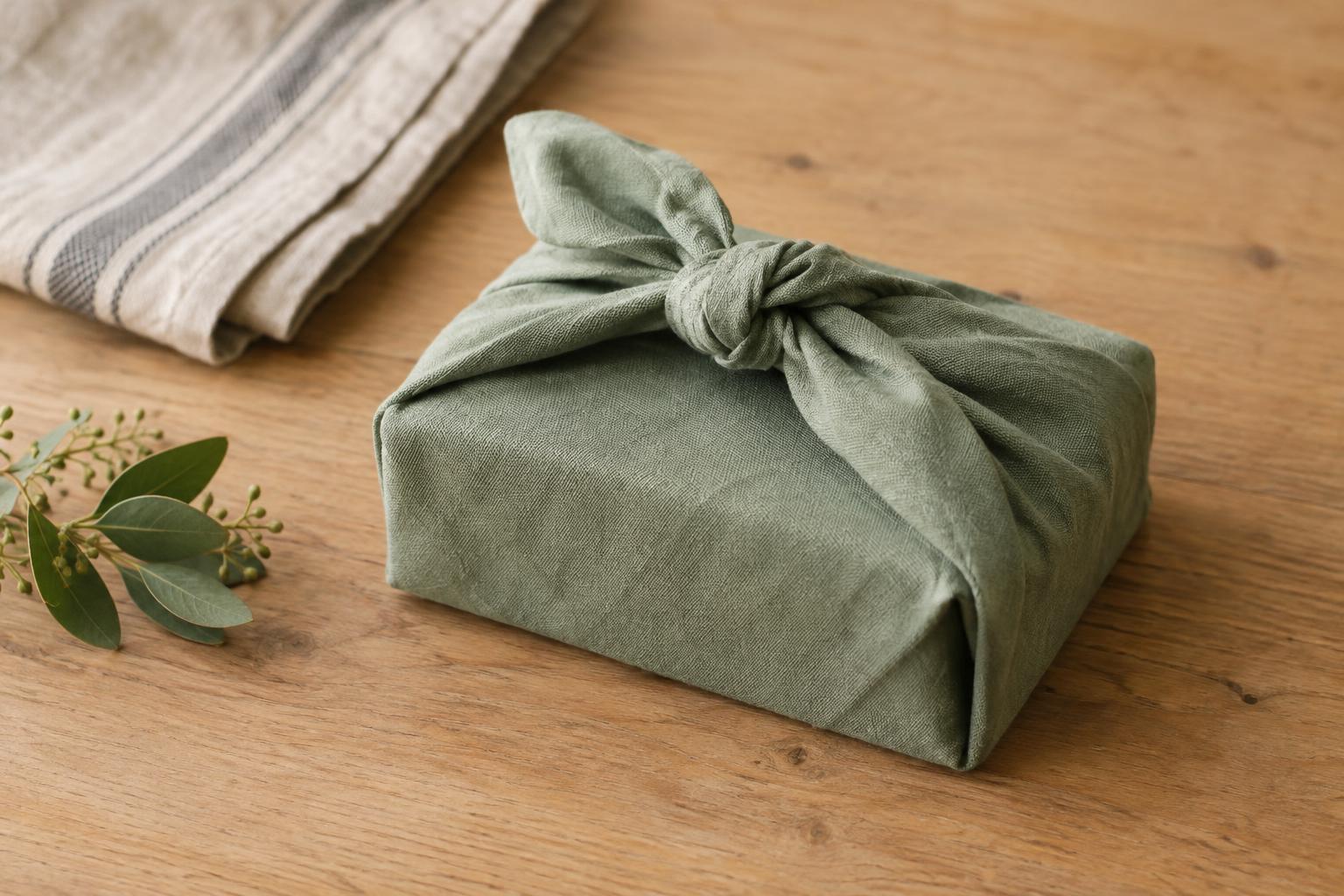
Read article · 4 min↗A fabric wrap can make a gift feel personal without tape or complicated folds. Learn how to choose a cloth, size it to your gift and tie a neat knot that is easy to undo.
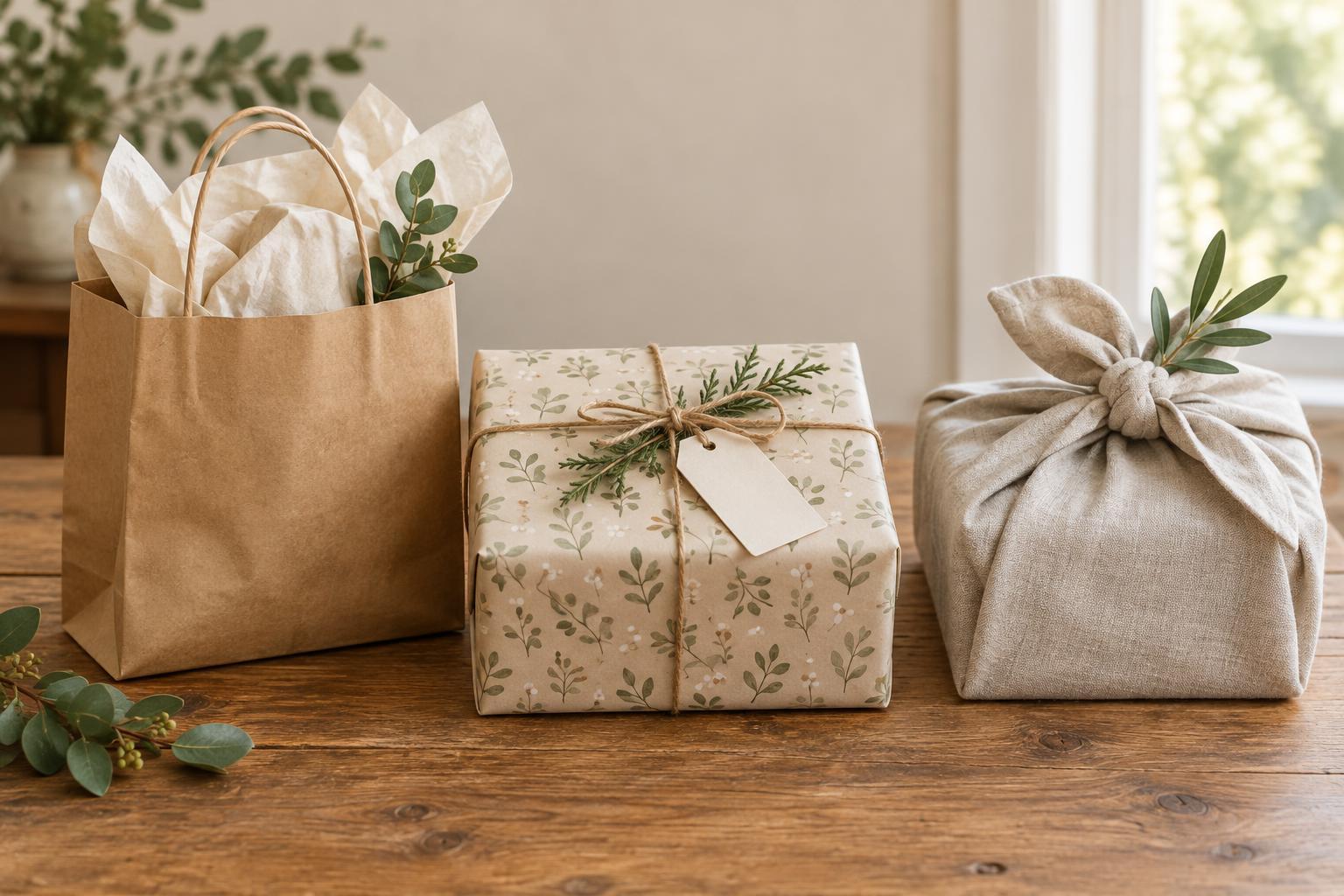
Read article · 4 min↗The best way to present a gift depends on its shape, the occasion and how much time you have. Compare gift bags, wrapping paper and fabric, then add a personal finishing touch.
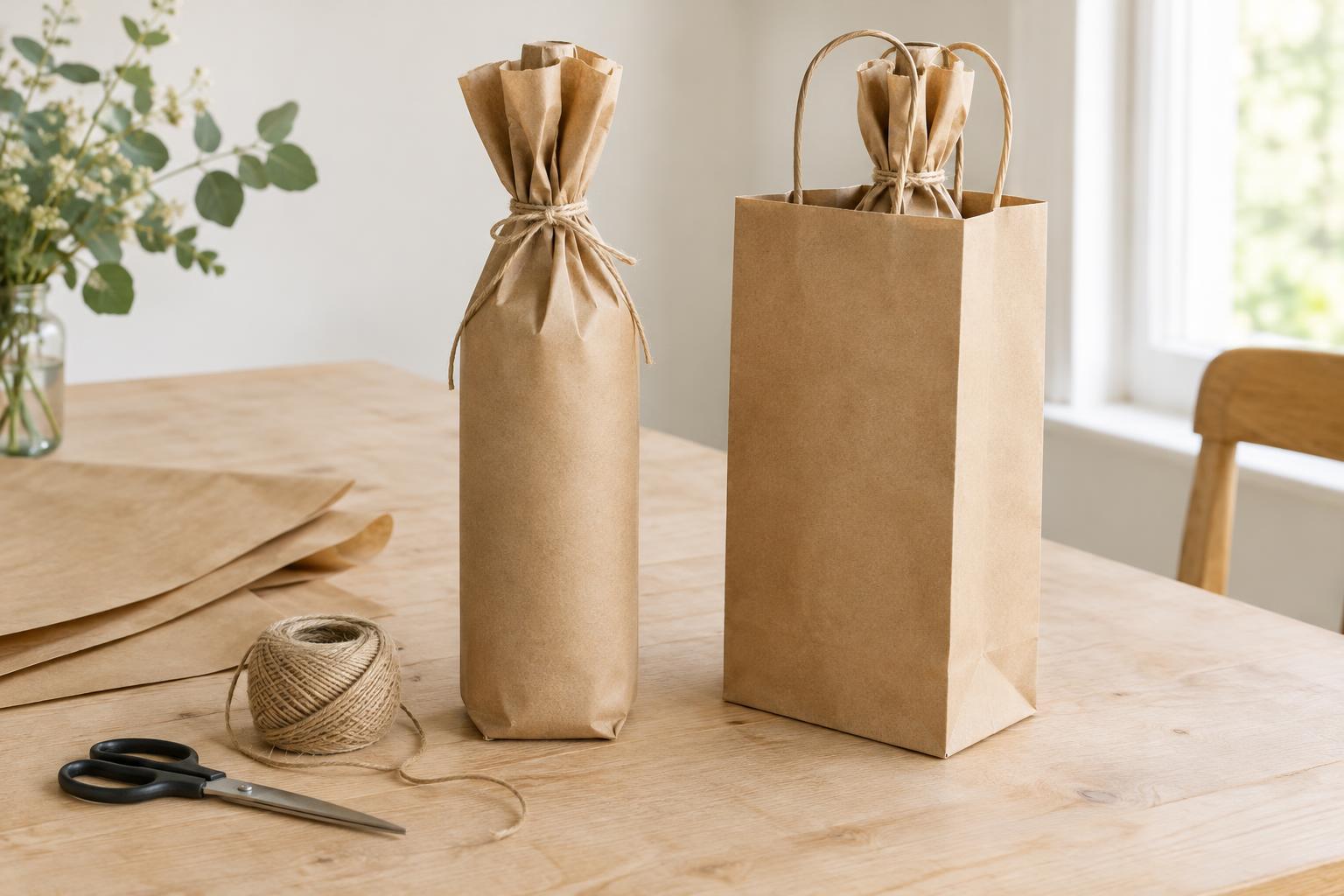
Read article · 4 min↗A bottle is an awkward gift to wrap, but it does not have to end up lying on its side. Learn two simple ways to give it a flat, stable base, then finish the top neatly without relying on ribbon to support the weight.
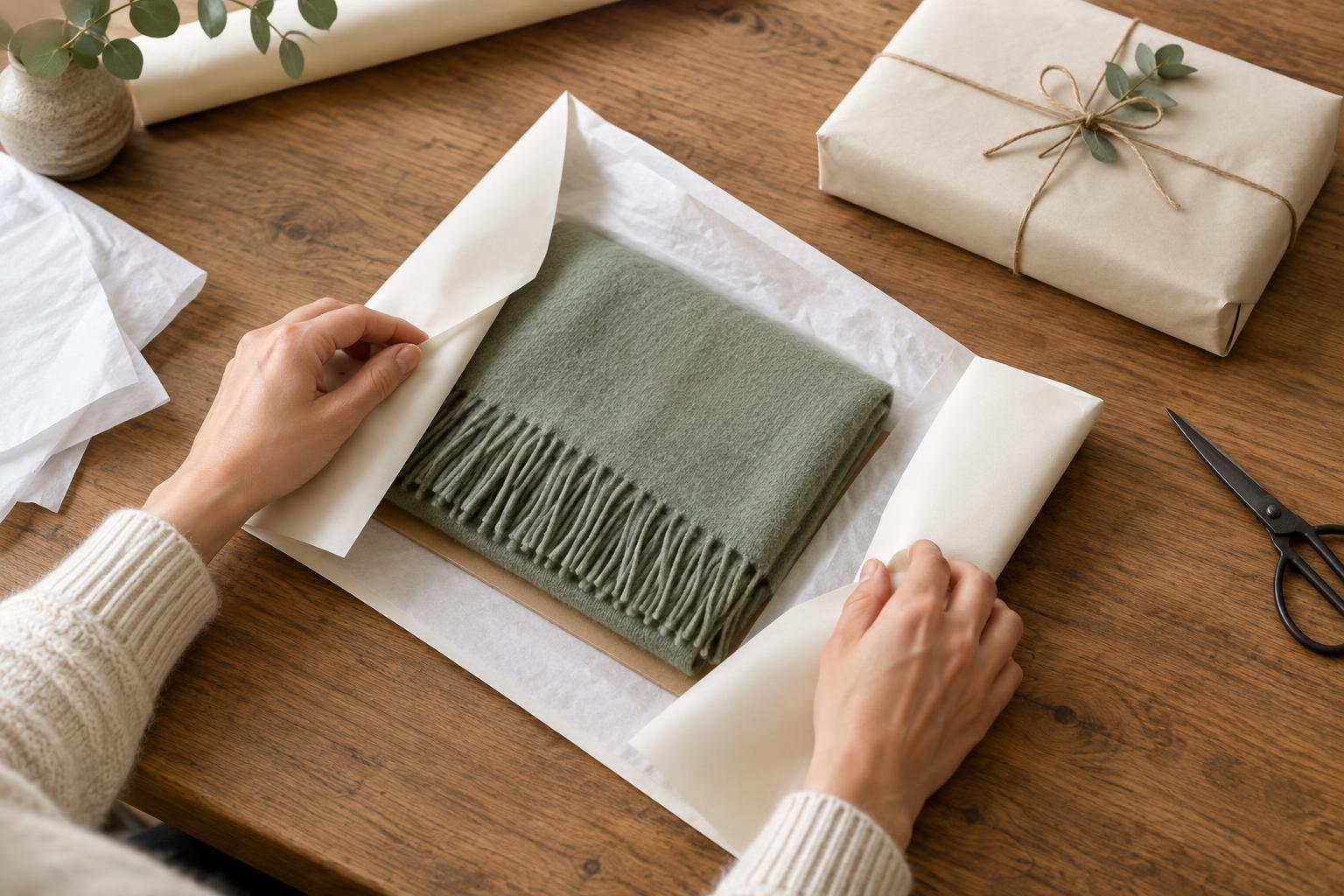
Read article · 3 min↗Soft gifts can be tricky to wrap neatly because they shift, squash and reveal every fold in the paper. Learn how to shape clothing, scarves and other unboxed gifts with tissue, a simple backing and a few well-placed folds.
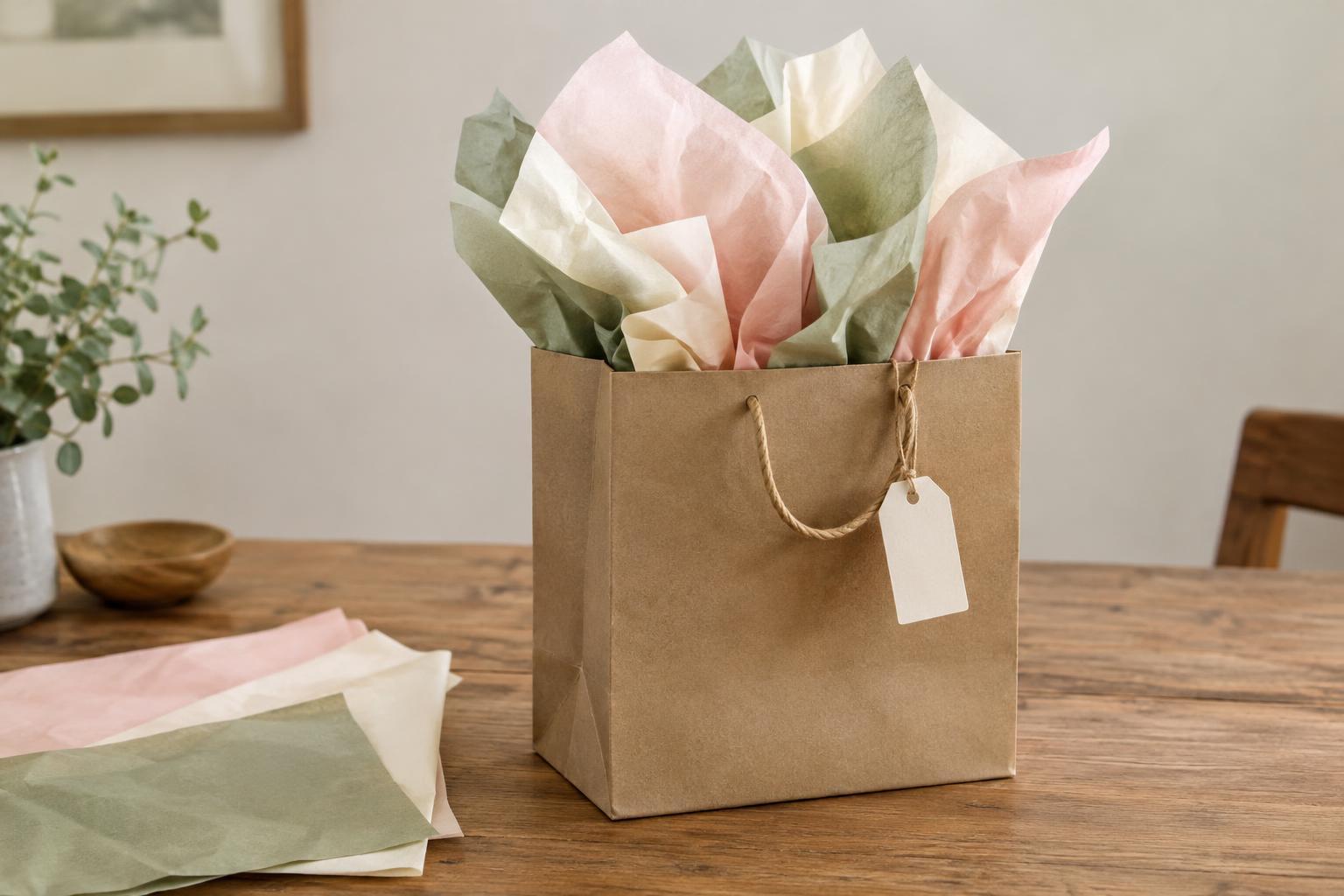
Read article · 4 min↗A few sheets of tissue paper can make a gift bag feel finished while keeping the surprise tucked away. Learn a simple way to build height, add color and adjust the arrangement for gifts of different shapes.
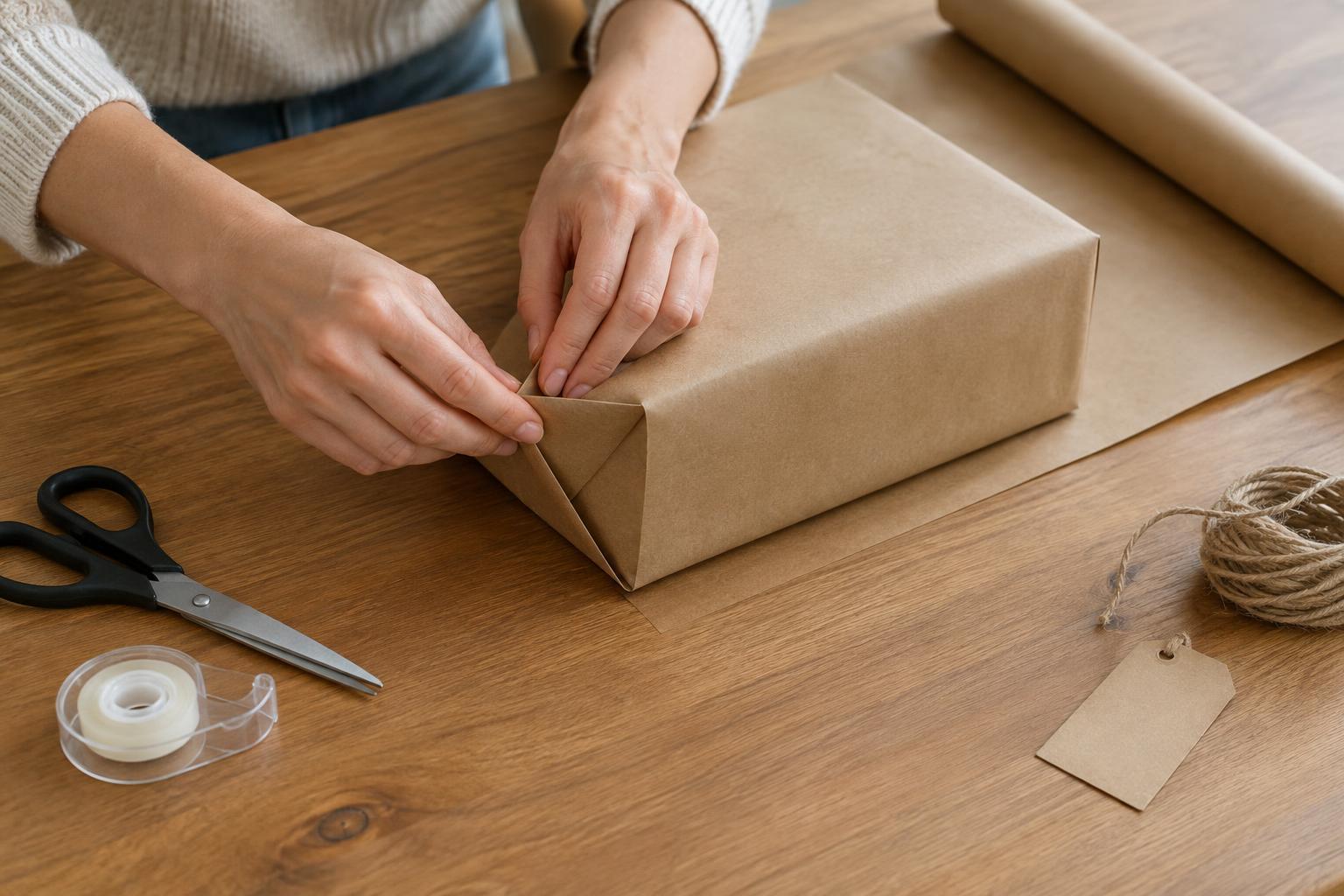
Read article · 4 min↗A neatly wrapped box starts with the right amount of paper and a few deliberate folds. Learn a straightforward method for crisp edges, tidy end flaps and a finish that feels thoughtful without needing special tools.
Read article · 4 min↗A simple way to check paper size before you cut, with tips for measuring boxes, allowing for neat folds and using smaller pieces when a full sheet is more than you need.
Read article · 4 min↗You don’t need a crowded craft drawer to wrap a gift thoughtfully. Learn what wrapping paper, tape, boxes, tissue, ribbon, and tags each do, and how to choose a small set of supplies that works for most presents.
Read article · 4 min↗A personal letter can feel wonderfully private, but the trip from one mailbox to another creates chances for someone else to see it. These simple habits help you decide what to write, protect the pages you send and respect the recipient’s circumstances.
Read article · 3 min↗A thoughtful letter does not need perfect prose. Learn how to avoid the small choices that make a note harder to read, understand or respond to, while keeping your own voice on the page.
Read article · 4 min↗A difficult letter does not have to say everything perfectly. Learn how to choose a clear purpose, write with honesty and restraint, and give the other person room to respond in their own time.
Read article · 4 min↗A letter to a child doesn’t need to be long or elaborate. A familiar detail, a small story and a question they’ll enjoy answering can make it feel personal. Here’s how to write one that suits their age and invites them to connect.
Read article · 4 min↗A thoughtful letter does not need perfect phrasing. Learn how to find your purpose, write a natural first draft, and edit for clarity while keeping the words unmistakably yours.
Read article · 4 min↗A personal letter does not have to be handwritten to feel thoughtful. Consider the occasion, your recipient and the kind of message you want to share, then choose the format that helps you say it well.
Read article · 4 min↗A lasting pen-pal exchange begins with a simple invitation, a manageable rhythm and letters that give the other person something to respond to. Here’s how to get started and keep writing without making it feel like homework.
Read article · 4 min↗A personal congratulations letter does more than name an achievement. Learn how to choose a meaningful detail, recognize the person behind the milestone, and write with warmth in your own voice.
Read article · 4 min↗The first letter after a long silence does not have to explain everything. Learn how to begin warmly, acknowledge the gap without dwelling on it, and leave room for your friend to respond in their own time.
Read article · 4 min↗A thoughtful apology letter names what happened, takes responsibility and leaves room for the other person’s feelings. Learn how to write one without turning an explanation into an excuse or asking for forgiveness on demand.
Read article · 3 min↗A sympathy letter does not need perfect words. Learn how to acknowledge a loss, share a specific memory, offer practical support and close with care—without leaning on phrases that may not fit.
Read article · 4 min↗A meaningful thank-you note does more than name a gift or favor. Learn how to describe the thoughtful detail you noticed, explain its effect, and close with warmth—without making the note feel formal or forced.
Read article · 4 min↗A personal letter feels simple until you are facing a blank envelope. Learn where to put the recipient and return addresses, how to choose the right postage, and what to check before you mail it.
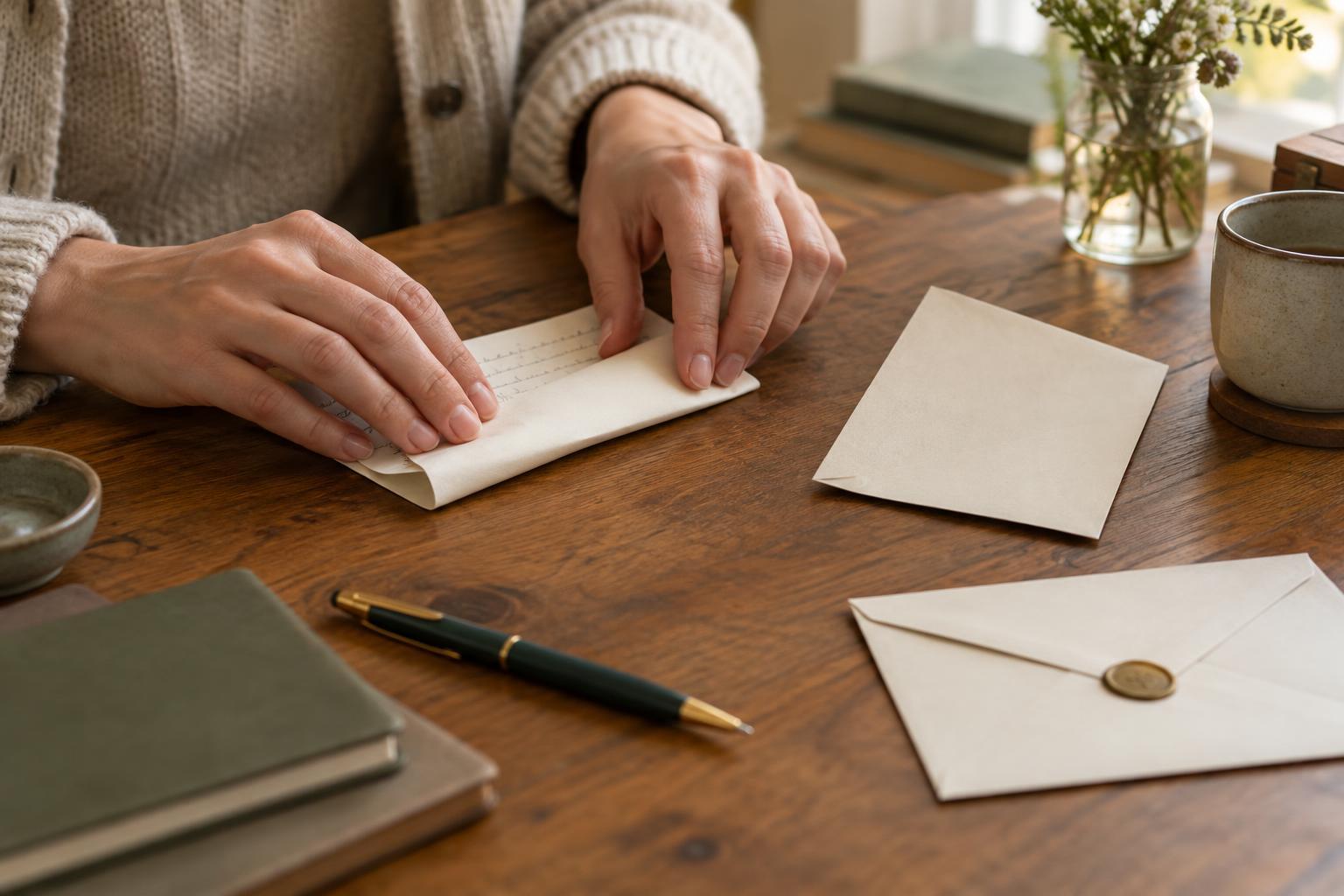
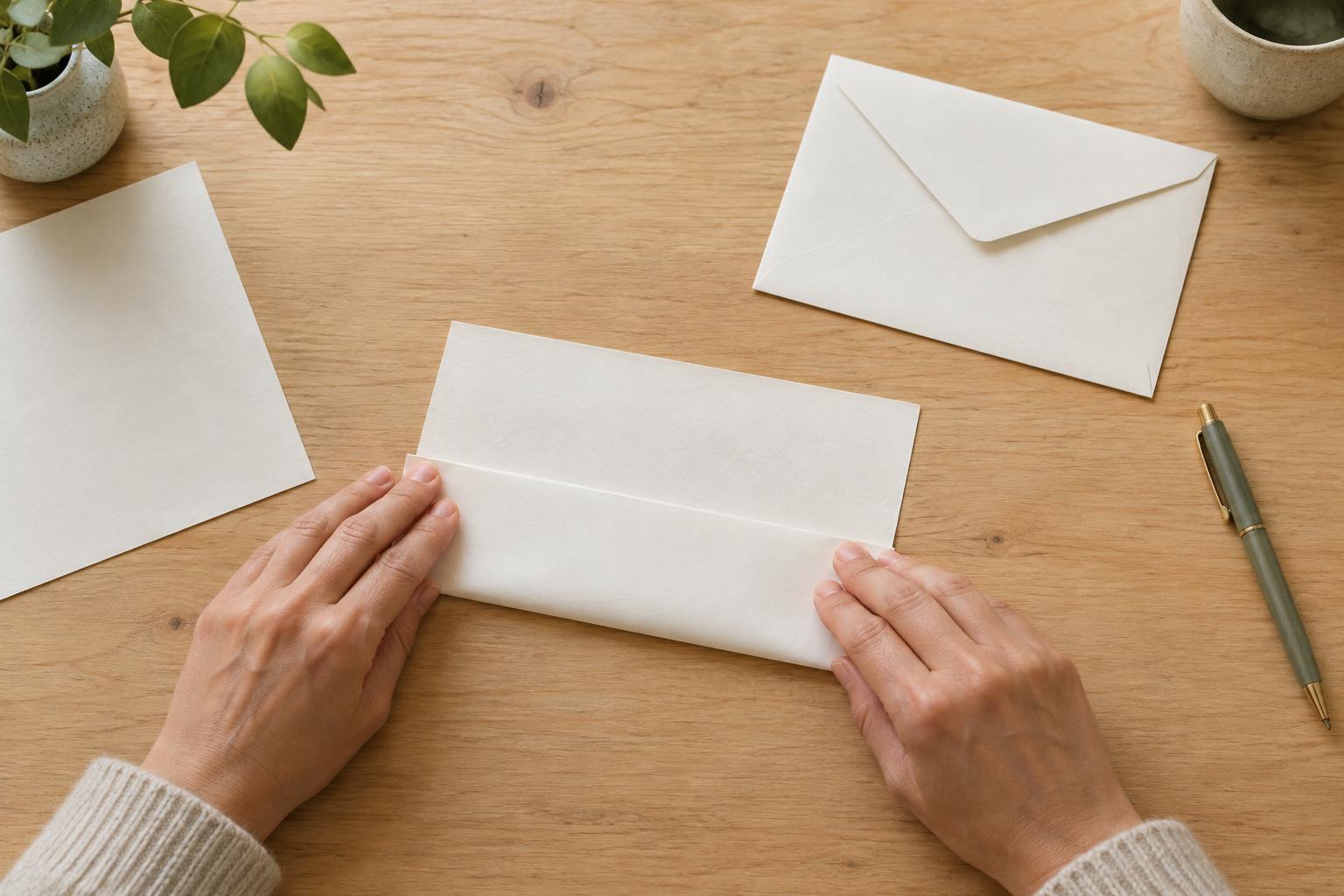
Read article · 3 min↗A tidy letter fold takes only a moment, but it helps your note sit comfortably in its envelope and makes it pleasant to open. Learn a simple three-part fold for everyday writing paper, plus a few ways to prevent crooked edges and bulky creases.
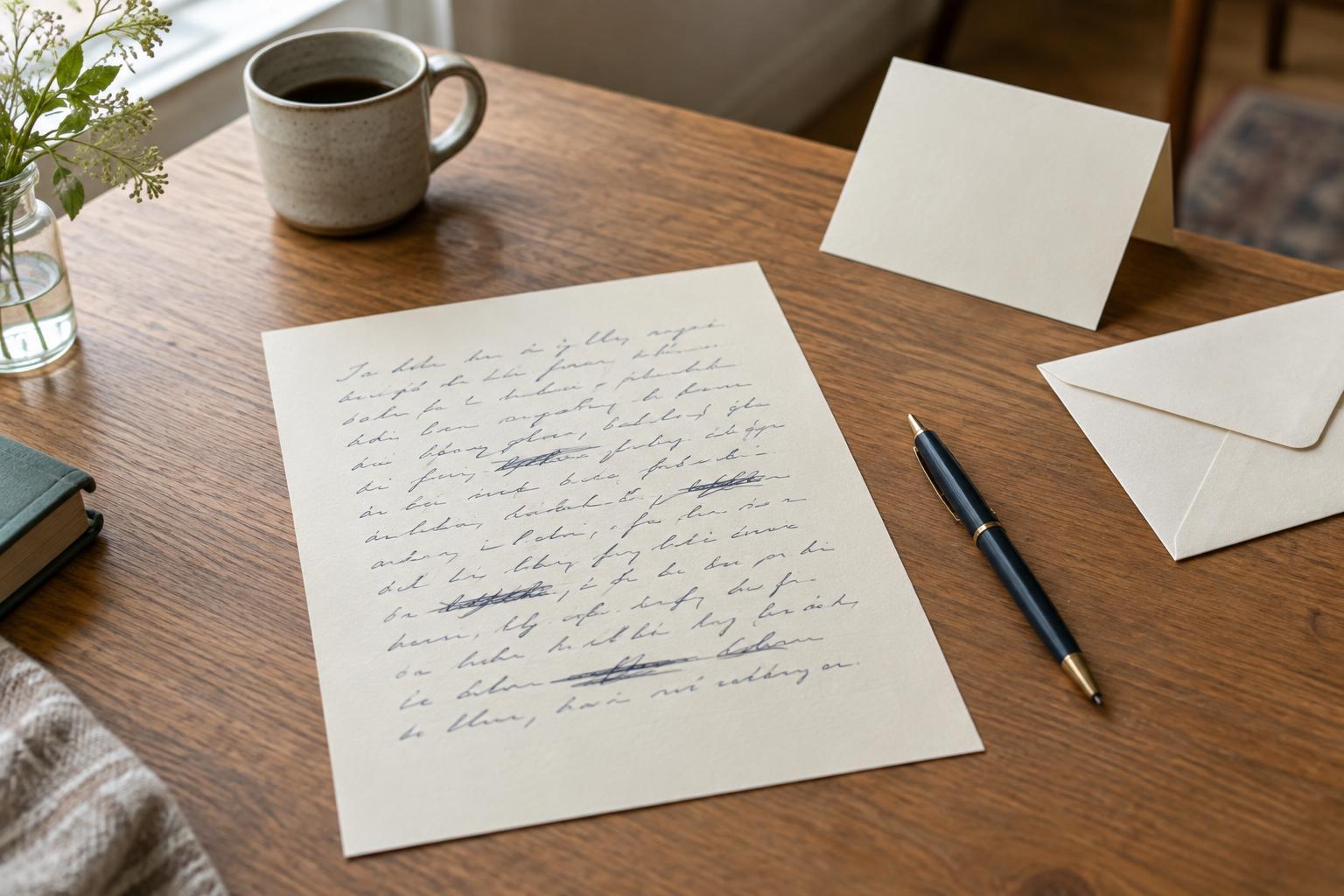
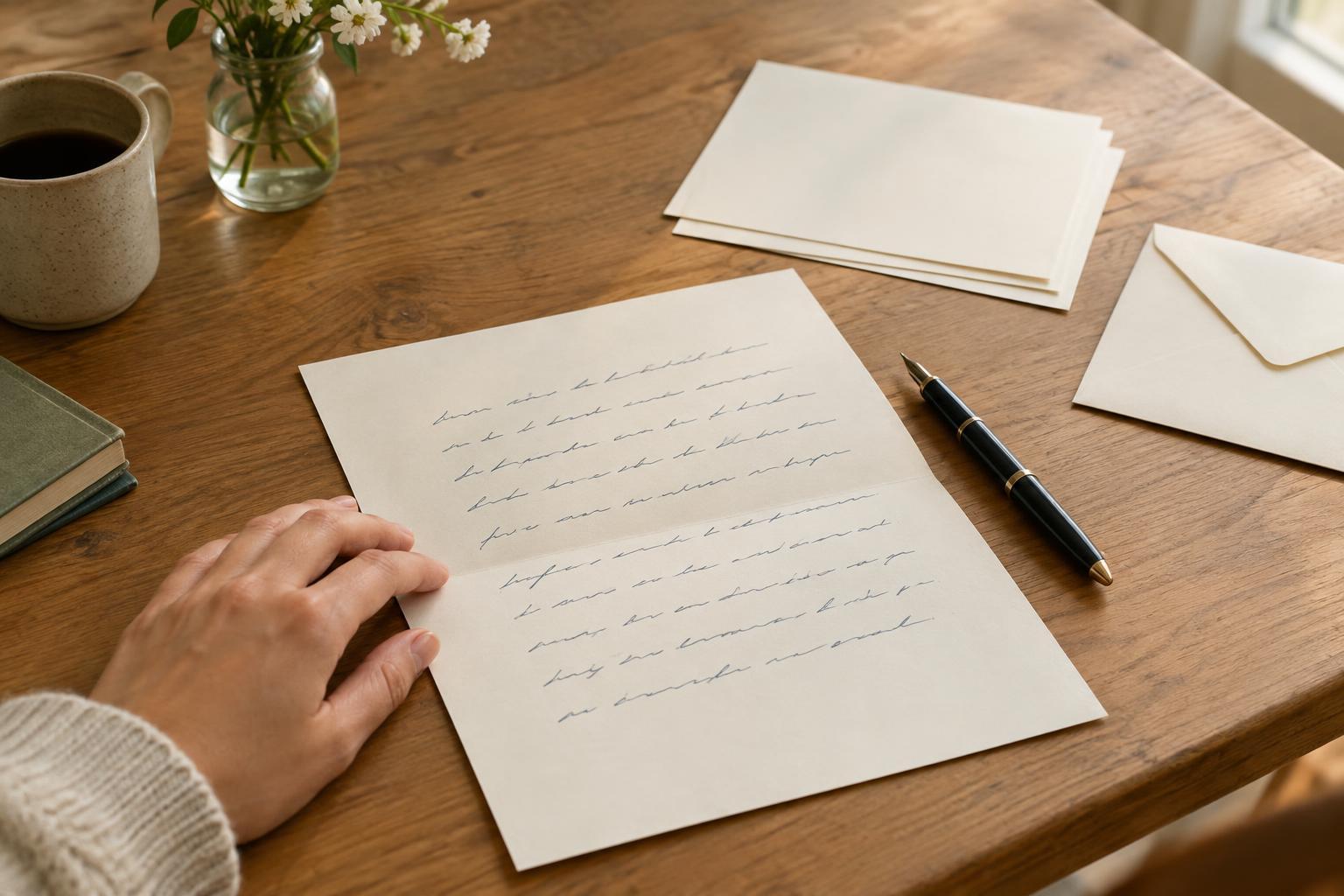
Read article · 3 min↗A handwritten letter feels personal, but it should not make the reader work to understand it. A few choices about paper, pen, spacing and layout can help your words come through clearly without taking away your natural style.
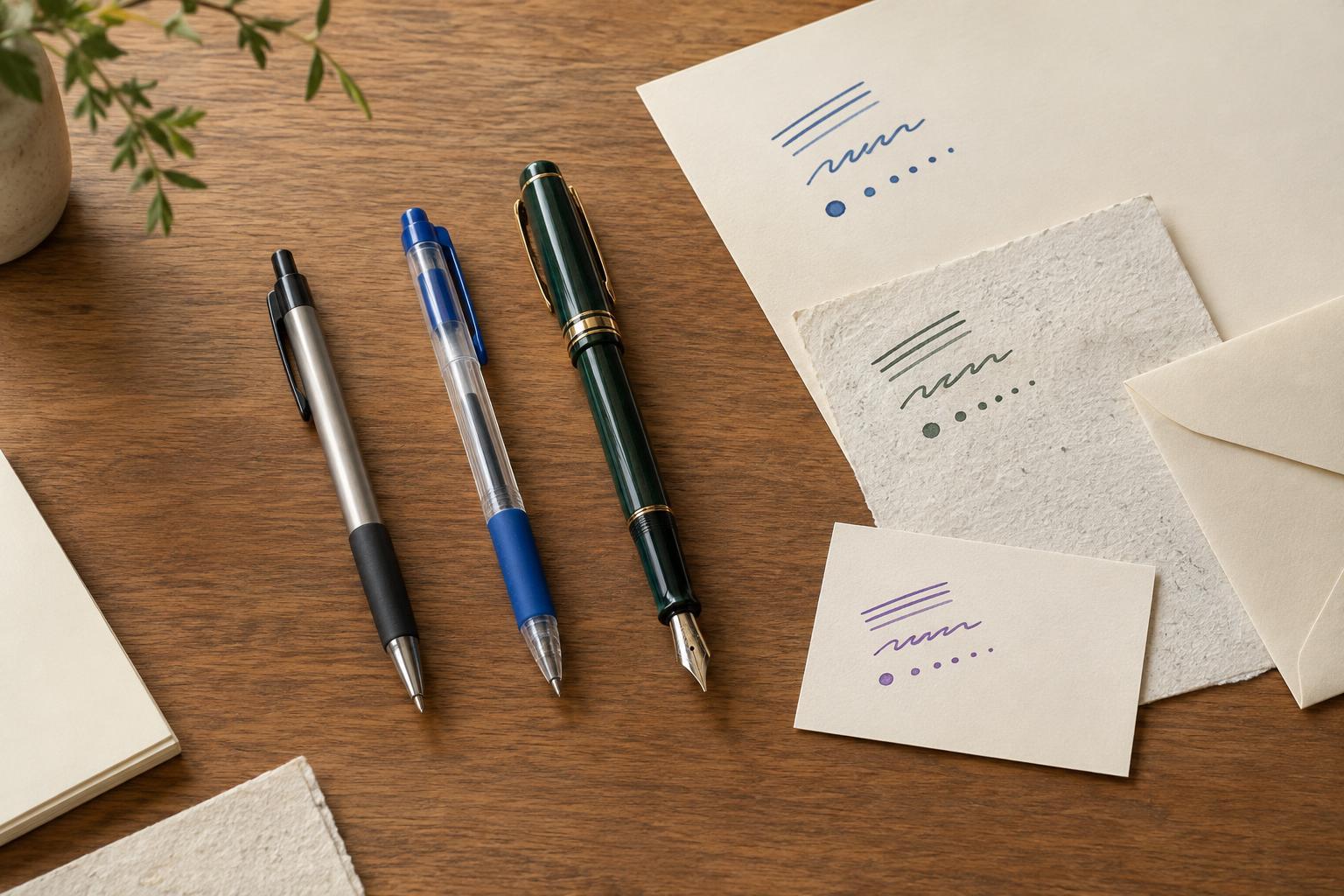
Read article · 3 min↗The best pen for a letter depends on more than how it feels in your hand. Compare ballpoint, gel and fountain pens by paper compatibility, drying time and the kind of note you want to write.
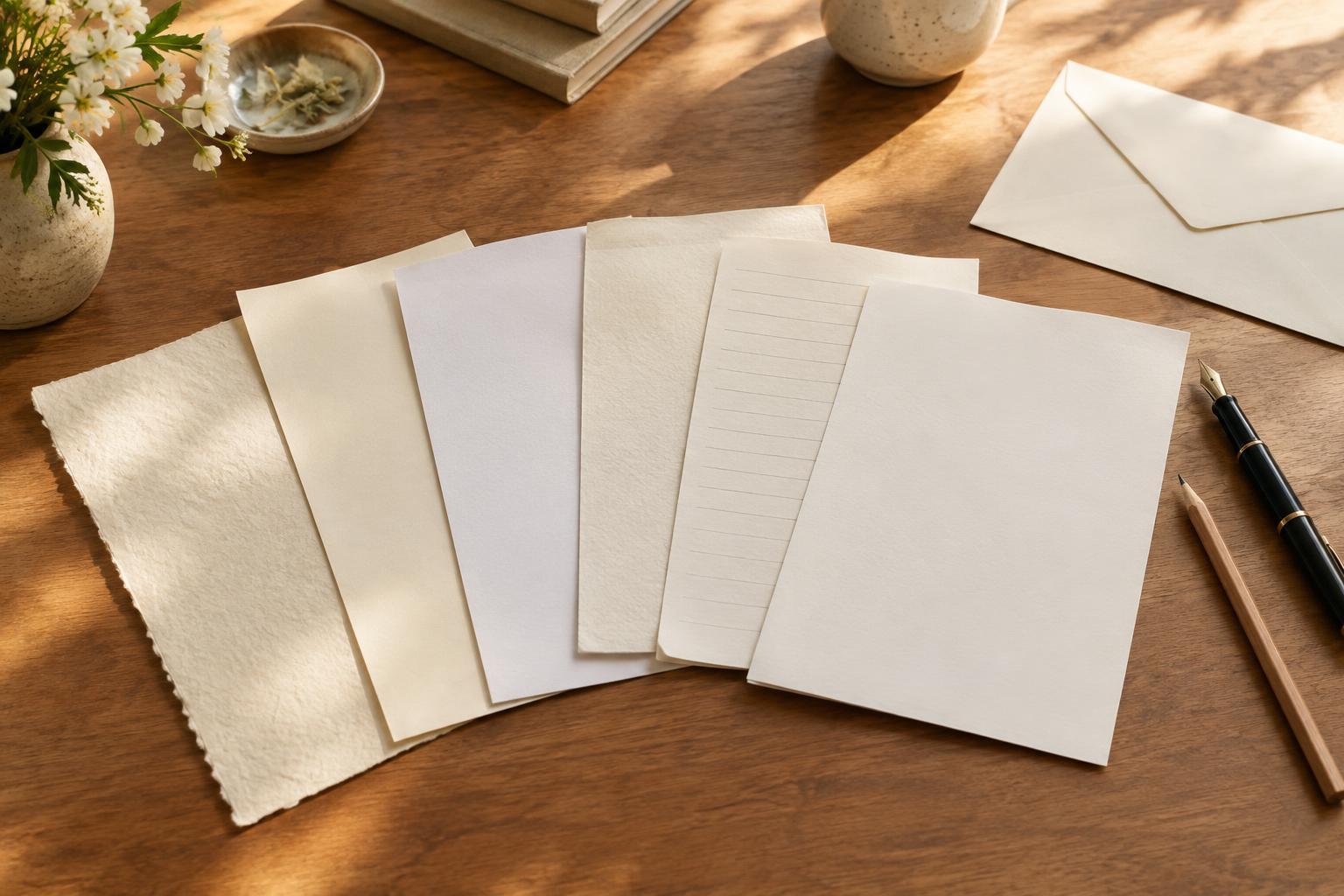
Read article · 4 min↗The right letter paper feels good to write on, keeps your words easy to read and suits the person receiving them. Learn how to compare weight, texture, color and ink performance before choosing a sheet.
Read article · 4 min↗A greeting card can make a moment feel special, while a letter gives a story room to unfold. Here’s how to choose a format that fits what you want to say—and how to make either one feel personal.
Read article · 4 min↗A letter does not need an announcement to be worth sending. Small observations, shared memories, thoughtful questions and an ordinary moment can give someone something lovely to read.
Read article · 3 min↗A personal letter doesn’t need elegant handwriting or a perfect opening. Start with one person, one reason for writing and a few details only you could share. This guide walks you from the blank page to a warm, natural sign-off.
Read article · 4 min↗A personal gift does not need a bigger budget. Small choices—a specific note, a thoughtful pairing, or a detail in the wrapping—can show someone that you know them and wanted to make the moment theirs.
Read article · 4 min↗An edible gift feels thoughtful when the recipient can enjoy it comfortably. Learn how to ask about preferences without making assumptions, choose food with clear information, and keep a non-food option ready.
Read article · 4 min↗A subscription can be a thoughtful gift when it suits someone’s interests and leaves them free to stop when they want. Here’s how to check the terms, avoid surprise charges and present the gift without making cancellation awkward.
Read article · 3 min↗A secondhand gift can feel personal when it reflects the recipient’s tastes and arrives ready to enjoy. Here’s how to choose, prepare and present a pre-owned find with care.
Read article · 4 min↗A thoughtful gift need not take up permanent space. Learn how to choose something useful, enjoyable or personal for someone who is making room for a smaller home or a simpler life.
Read article · 3 min↗A thoughtful gift does not have to be a surprise to be special. Learn how to check what a child already has, build on their interests and choose a present that fits their home and stage of life.
Read article · 3 min↗A group gift can feel generous to the recipient but exhausting to the person who plans it. Make the work more balanced with a clear budget, small assigned roles, simple decisions and a thoughtful plan for presenting the gift.
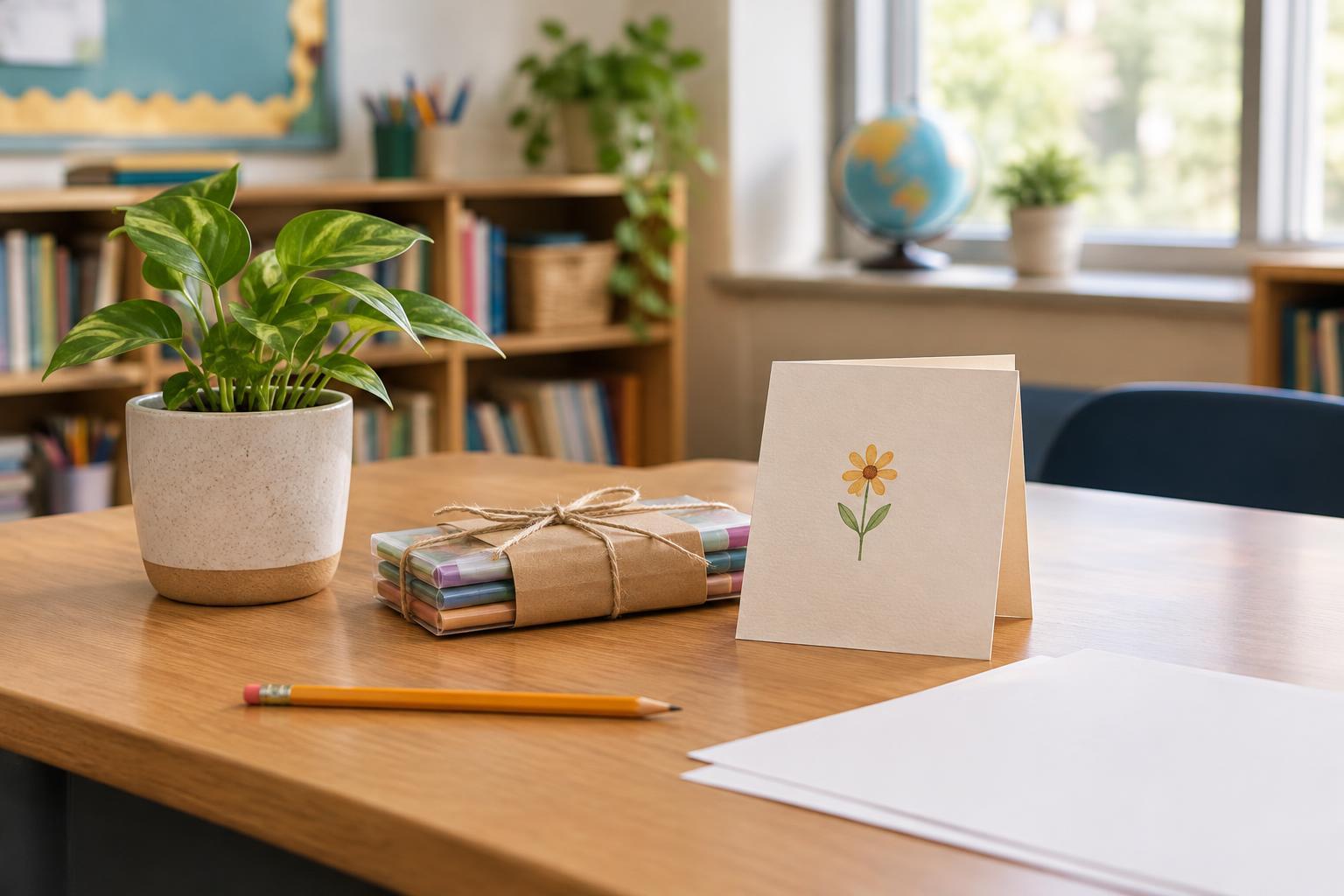
Read article · 4 min↗A thoughtful teacher gift does not need to be expensive. Learn how to check school guidelines, avoid common gift-giving pitfalls, and choose a personal gesture that feels comfortable for everyone.
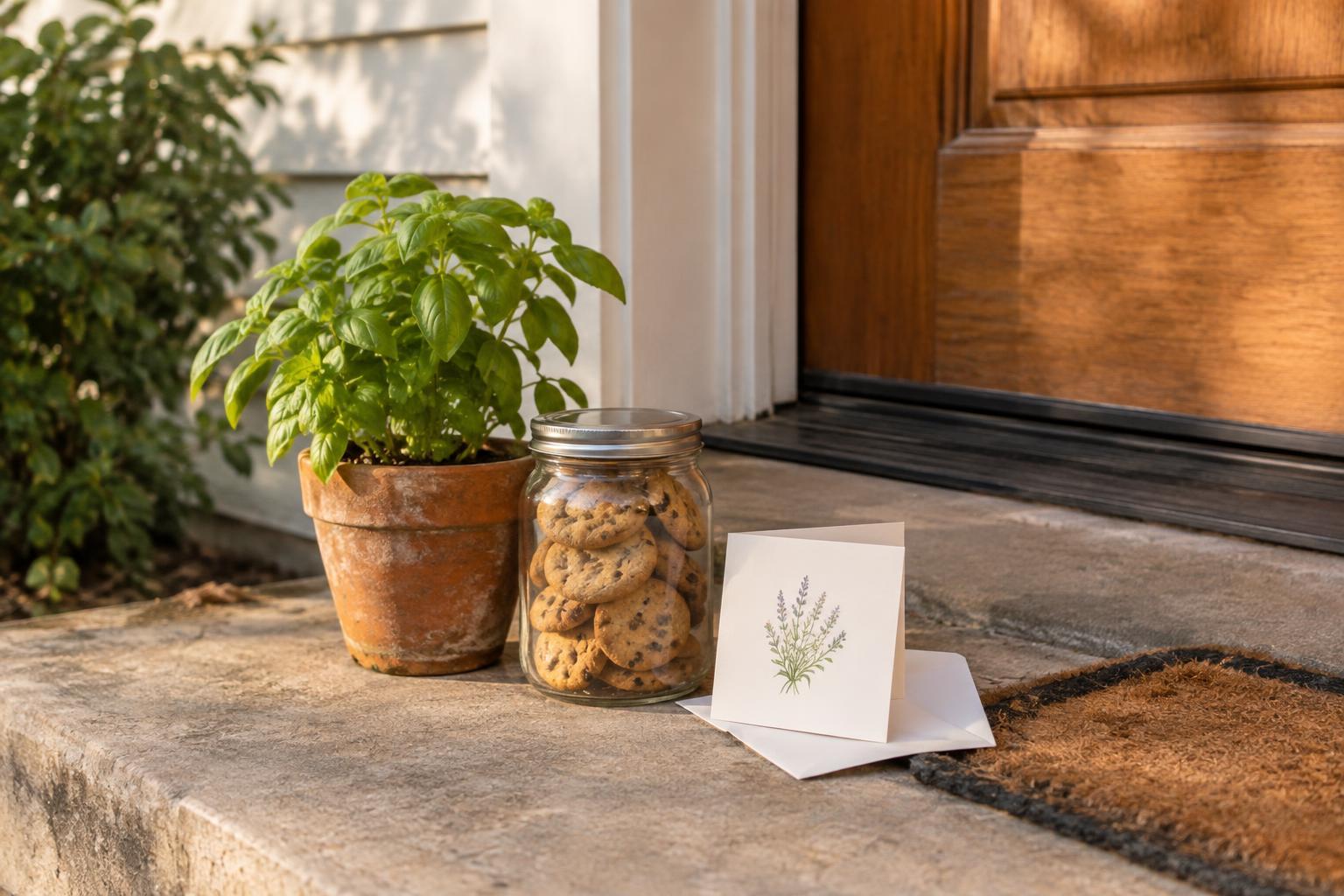
Read article · 3 min↗A good thank-you gift for a neighbor acknowledges what they did without making them feel they need to return the favor. From a handwritten note to a small plant or practical treat, these ideas keep the gesture warm, personal and easy to receive.
Read article · 3 min↗A thoughtful coworker gift does not need to reveal how much you know about someone’s private life. Start with the occasion, consider workplace norms, and choose something useful or easy to enjoy without creating an obligation.
Read article · 3 min↗A thoughtful gift should feel like an invitation, not another task. Learn how to avoid presents that quietly demand time, space, money or a particular response—and how to give with fewer strings attached.
Read article · 3 min↗A handmade gift feels most meaningful when you can make it without a last-minute rush. Learn how to choose a project that fits your time, skills and materials, then plan a personal finishing touch.
Read article · 4 min↗A useful gift wish list gives people enough guidance to choose confidently without taking away the pleasure of giving. Here’s how to include practical details, a range of budgets and room for personal touches.
Read article · 4 min↗When someone says they don’t want more stuff, take them at their word. A thoughtful gift can be time together, a useful gesture, something consumable or a note that asks for no shelf space at all.
Read article · 3 min↗A gift card can show real care when it gives someone room to choose what they need or enjoy. The key is to make the choice of card, the note and the presentation feel personal.
Read article · 4 min↗An experience gift can feel generous until it becomes another appointment to arrange. Learn how to choose flexible activities, offer help without taking over, and make it easy for the recipient to enjoy the gift on their own terms.
Read article · 4 min↗A thoughtful gift plan starts with the full picture, not a price tag for each person. Learn how to set an overall limit, divide it across recipients, account for extras and leave room for personal touches that cost little or nothing.
Read article · 4 min↗A useful gift can make everyday life easier; a sentimental one can help someone feel remembered. The best choice depends less on the type of gift than on the person, the occasion, and the message you want to send.
Read article · 4 min↗A new hobby can inspire plenty of gift ideas, but the most obvious purchase is not always the most useful. These questions can help you choose something that fits the person’s interests, space, experience and preferred way of learning.
Read article · 4 min↗A thoughtful gift does not require knowing someone’s favorite color or deepest interests. Start with the occasion, choose something easy to enjoy, and add a brief note that makes your gesture feel personal without making assumptions.
Read article · 4 min↗Birthdays, anniversaries and holidays can bring a loved one to mind in unexpected ways. These gentle ideas offer room to remember through familiar rituals, handwritten words and small keepsakes, without asking the day to feel any particular way.
Read article · 3 min↗A retirement celebration can honor years of work without treating a career as someone’s whole identity. Start with the retiree’s wishes, invite stories from beyond the workplace, and choose keepsakes that leave room for whatever comes next.
Read article · 4 min↗When family members bring different customs to the same gathering, thoughtful planning can make room for what matters to each person. Start with conversations, choose shared moments deliberately, and let keepsakes reflect the people who took part.
Read article · 4 min↗A holiday tradition does not need an elaborate plan to feel meaningful. Start with one small way to connect, then make room for the people, schedules and circumstances in your family to change.
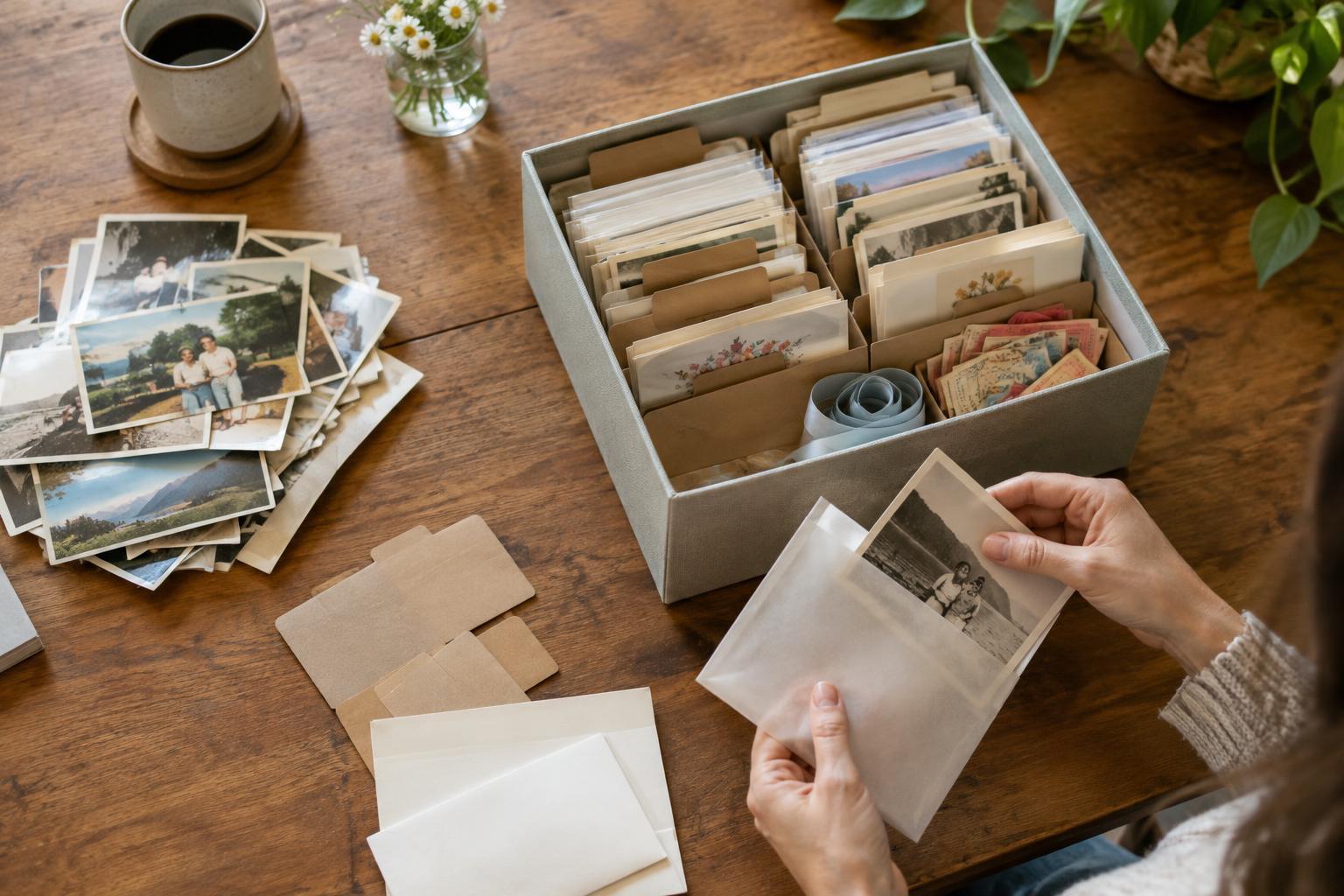
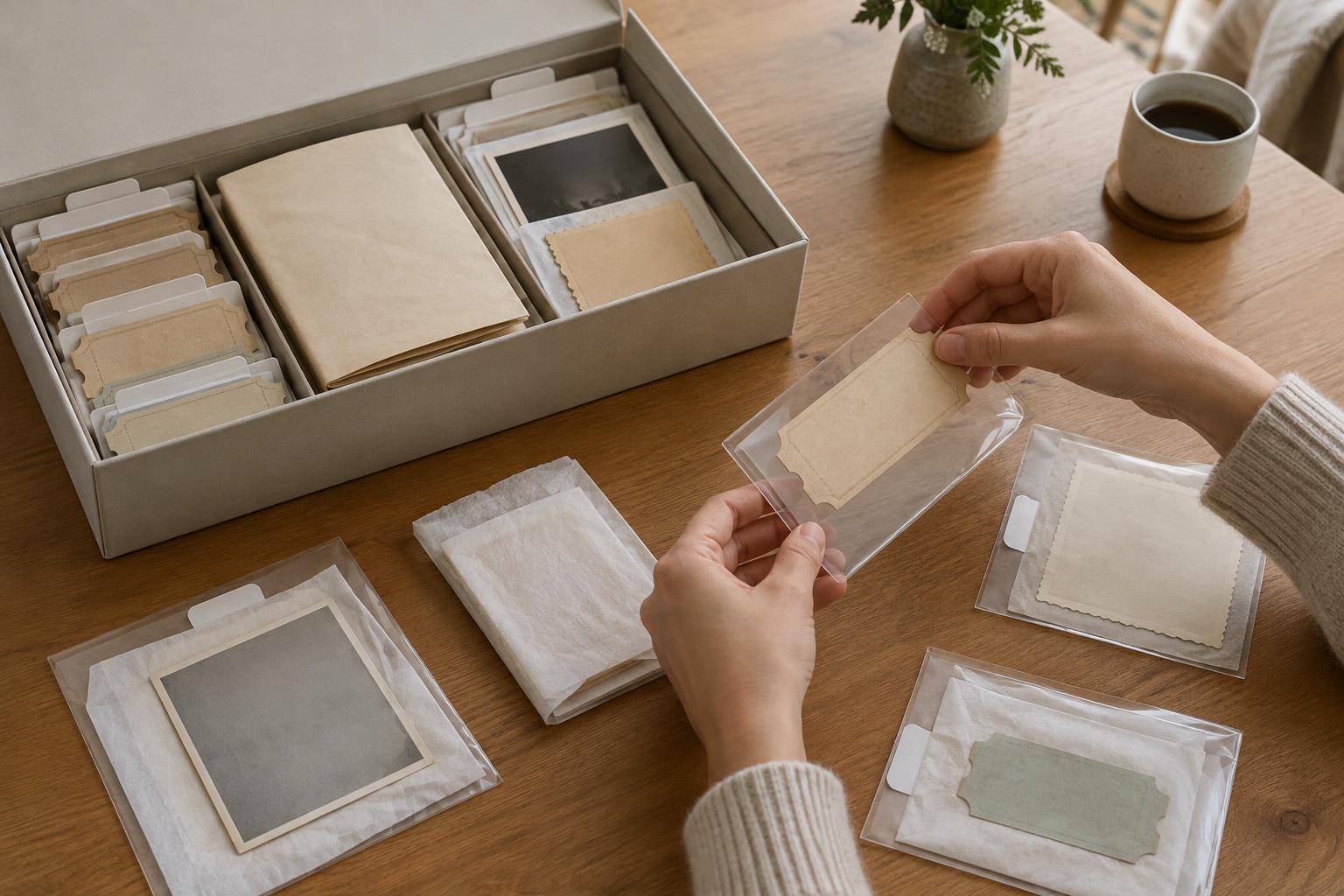
Read article · 4 min↗A box of cards or a folder of photos can hold wonderful memories, but only if you can tell what is in it and find the right item again. These simple habits make keepsakes easier to identify, organize and enjoy.
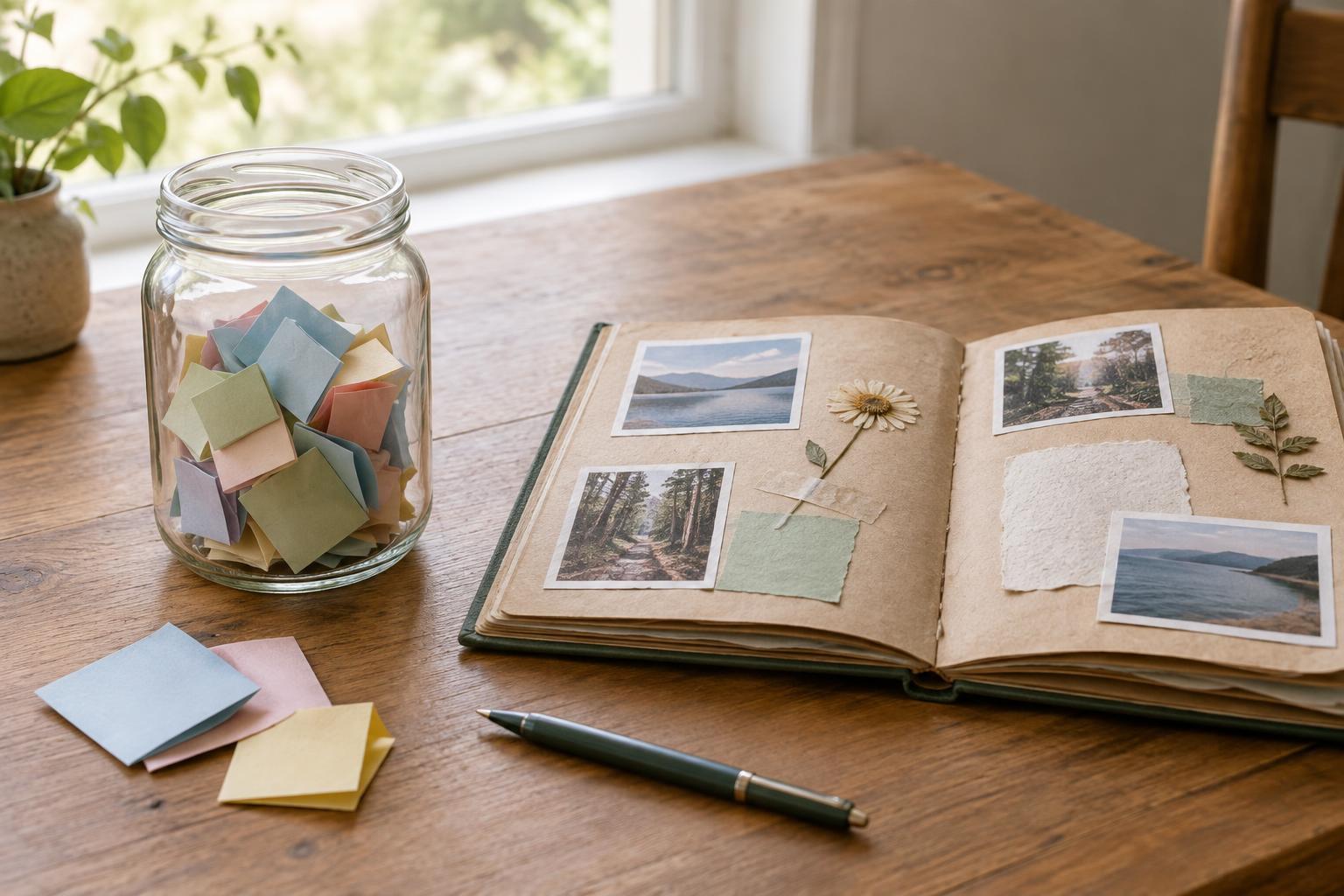
Read article · 4 min↗A memory jar and a scrapbook can both hold meaningful moments, but they ask for different kinds of effort. Choose a format that fits what you want to save, how often you want to add to it, and how you hope to revisit it.
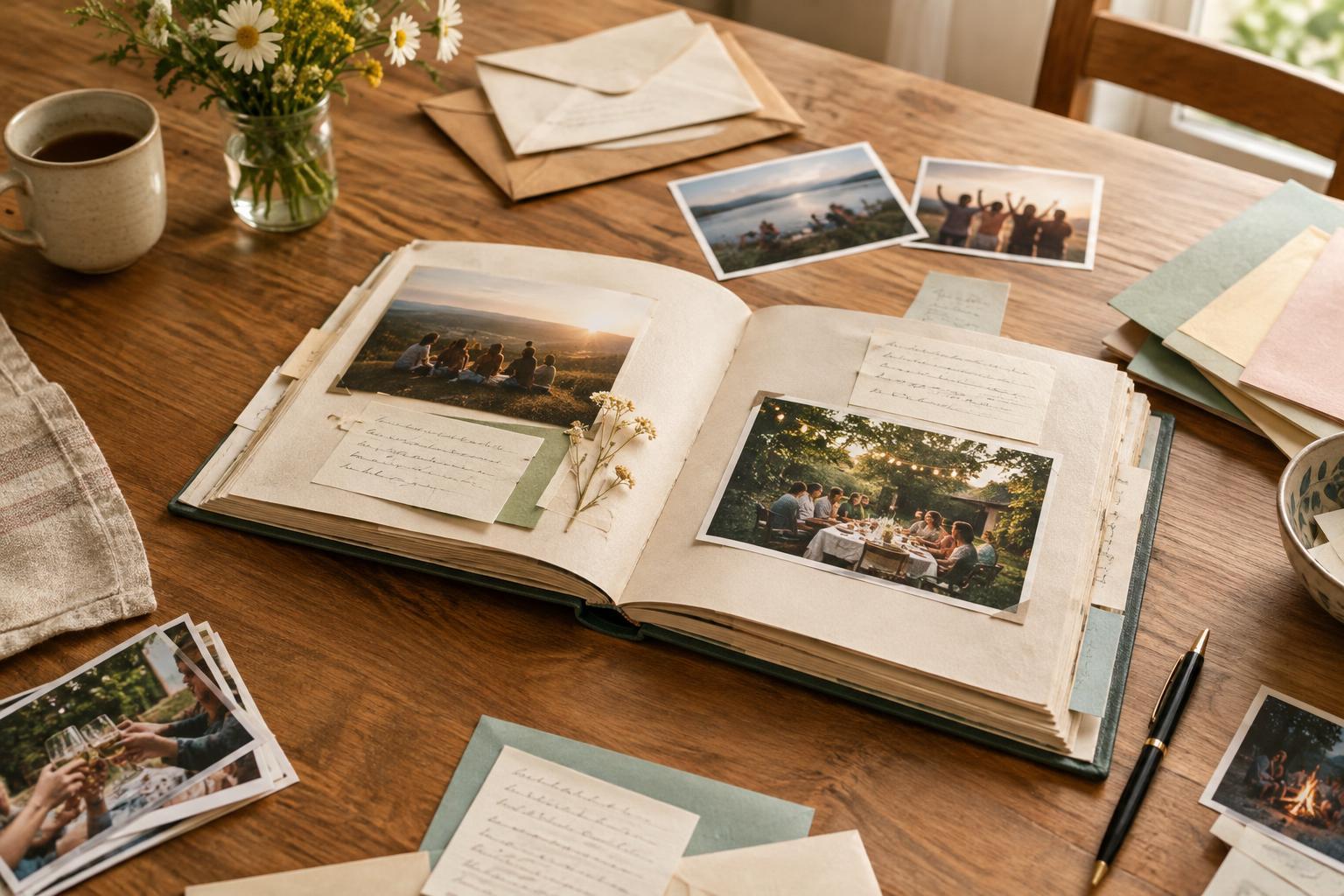
Read article · 4 min↗A group memory book can bring many voices into one thoughtful keepsake. Make it easier for people to take part with a clear invitation, flexible prompts, a simple submission process and a plan for handling personal memories with care.
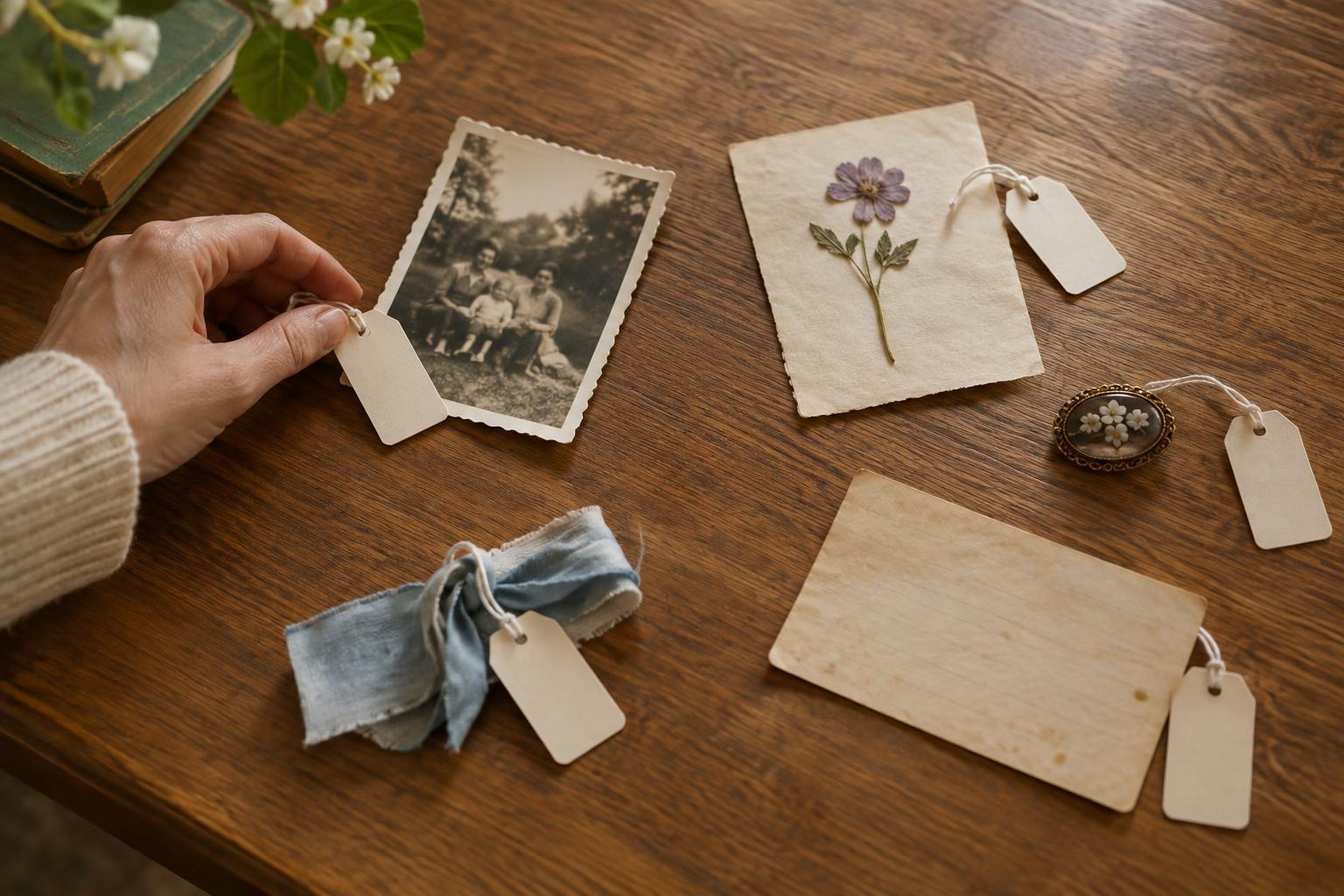
Read article · 4 min↗A keepsake can hold a vivid memory for one person and become a mystery to everyone else. Learn what to record on photographs, recipes, gifts and other mementos so their stories remain easy to understand and share.
Read article · 4 min↗Ticket stubs, programs and handwritten notes can bring a celebration back to life. Learn how to sort, label and store small paper keepsakes while reducing handling, fading and everyday wear.
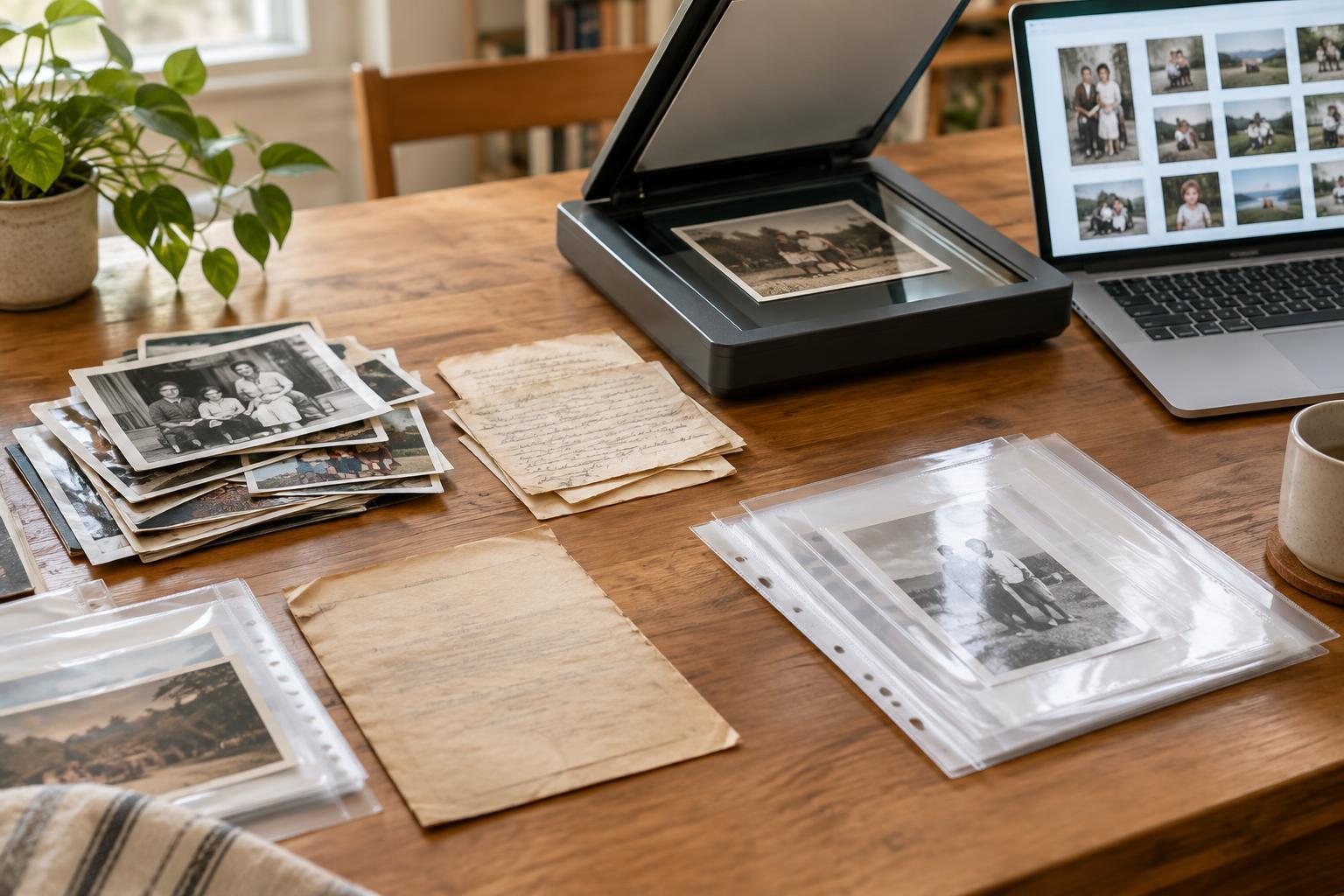
Read article · 4 min↗Family photos, letters and certificates often tell stories that are easy to lose when they sit in a box without labels. This beginner-friendly guide covers how to choose a manageable first batch, capture clear digital copies, name and organize files, and share them thoughtfully while caring for the originals.
Read article · 4 min↗A family story can be a meaningful keepsake, but the person telling it should remain in control. Learn how to invite a relative to share memories, ask for clear permission, record comfortably and agree on what happens to the finished story.
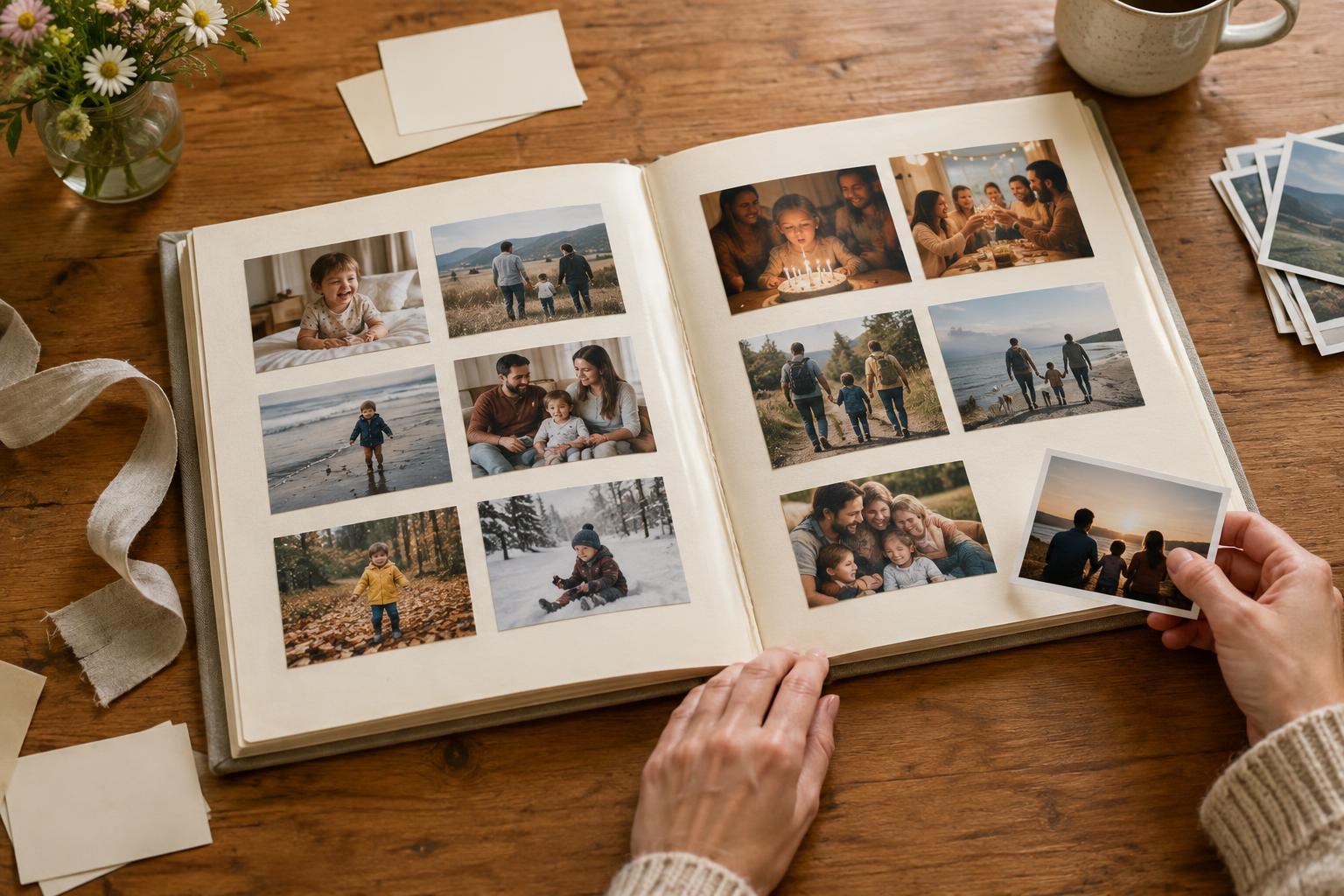
Read article · 4 min↗A photo album can follow events in order or gather images around a shared idea. Learn what each approach does well, how to choose for a particular person or occasion, and when a little of both makes the strongest keepsake.
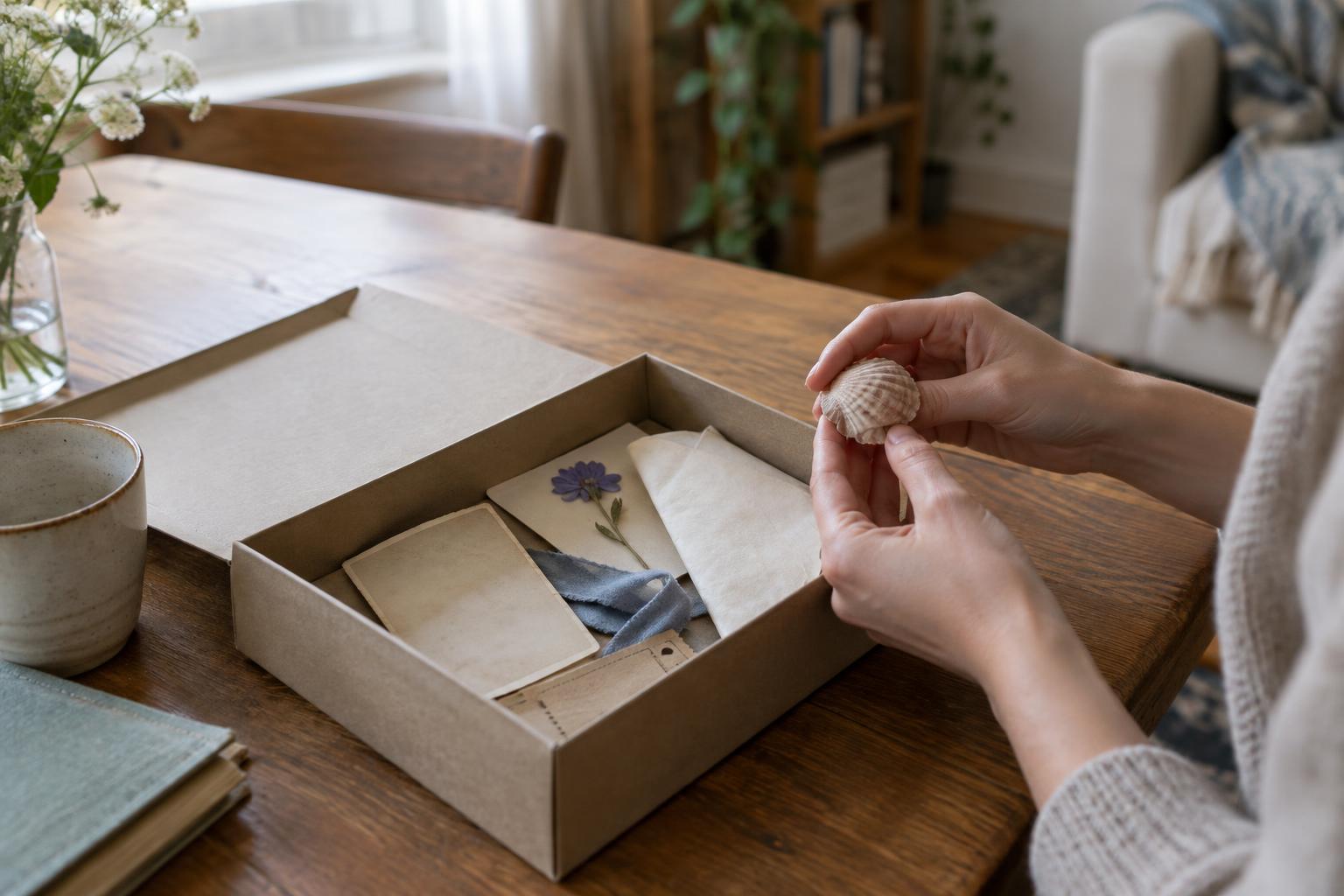
Read article · 4 min↗A memory box can hold the small, ordinary things that help you remember a person, place or season of life. Learn how to choose meaningful keepsakes, leave out clutter and make the box easy to revisit.
Read article · 4 min↗A welcoming celebration starts before guests arrive. Learn how to ask about access needs, choose a workable space, share useful details and offer ways to participate without putting anyone on the spot.
Read article · 4 min↗A meaningful celebration does not need a parcel, a card or a shared screen. From choosing a simple ritual to making space for stories, these ideas help people mark an occasion together while apart.
Read article · 4 min↗A finished project, a brave first step, or a difficult month behind you can deserve recognition without a guest list. Here are quiet, personal ways to mark small milestones and make keepsakes that help you remember them.
Read article · 3 min↗A graduation celebration does not have to follow a familiar script. Start by asking the graduate what would feel meaningful, then shape the guest list, activities and keepsakes around their answer. These practical ideas can help you mark the achievement without putting the graduate on display in ways they did not choose.
Read article · 4 min↗A shared timeline turns an anniversary into a story people can revisit together. Learn how to choose meaningful milestones, invite memories from others, and present the finished timeline as a celebration display and keepsake.
Read article · 4 min↗An adult birthday tradition need not be elaborate to feel meaningful. These repeatable ideas make room for reflection, connection and small keepsakes, whether you celebrate with others or enjoy a quiet day.
Read article · 3 min↗A thoughtful celebration does not need an elaborate venue or expensive decorations. Start with the person or occasion, choose a few details that matter, and make room for shared time and lasting memories.
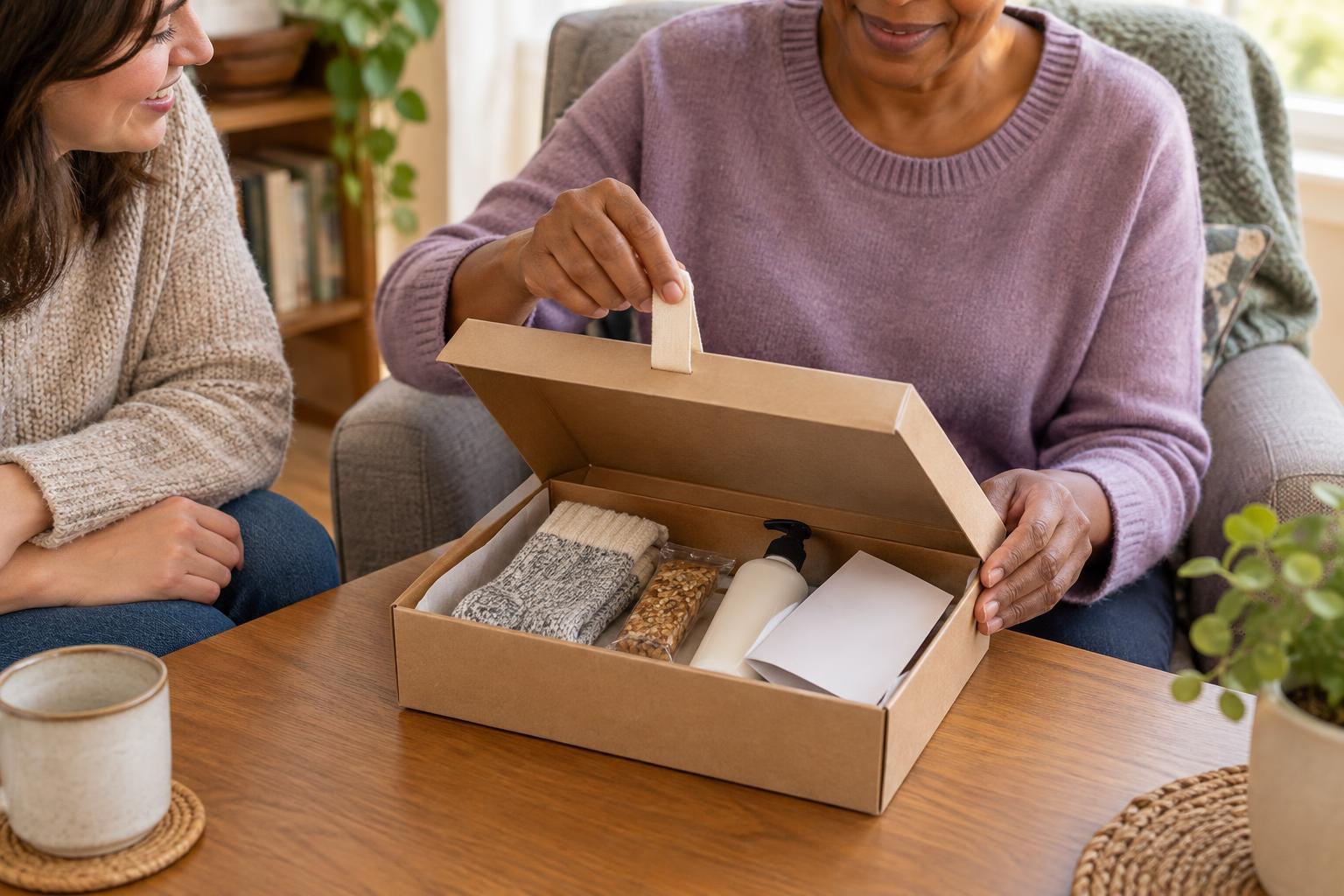
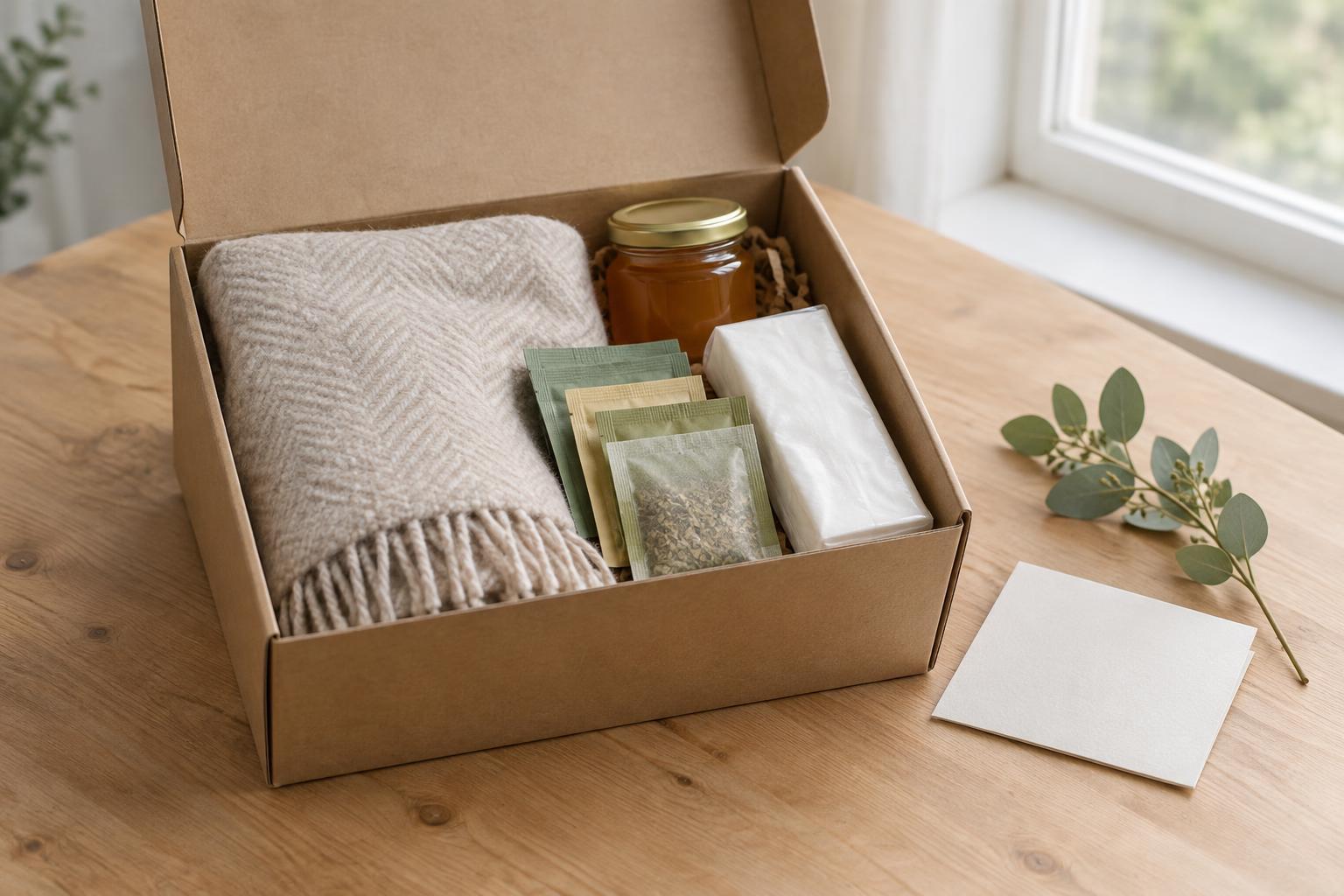
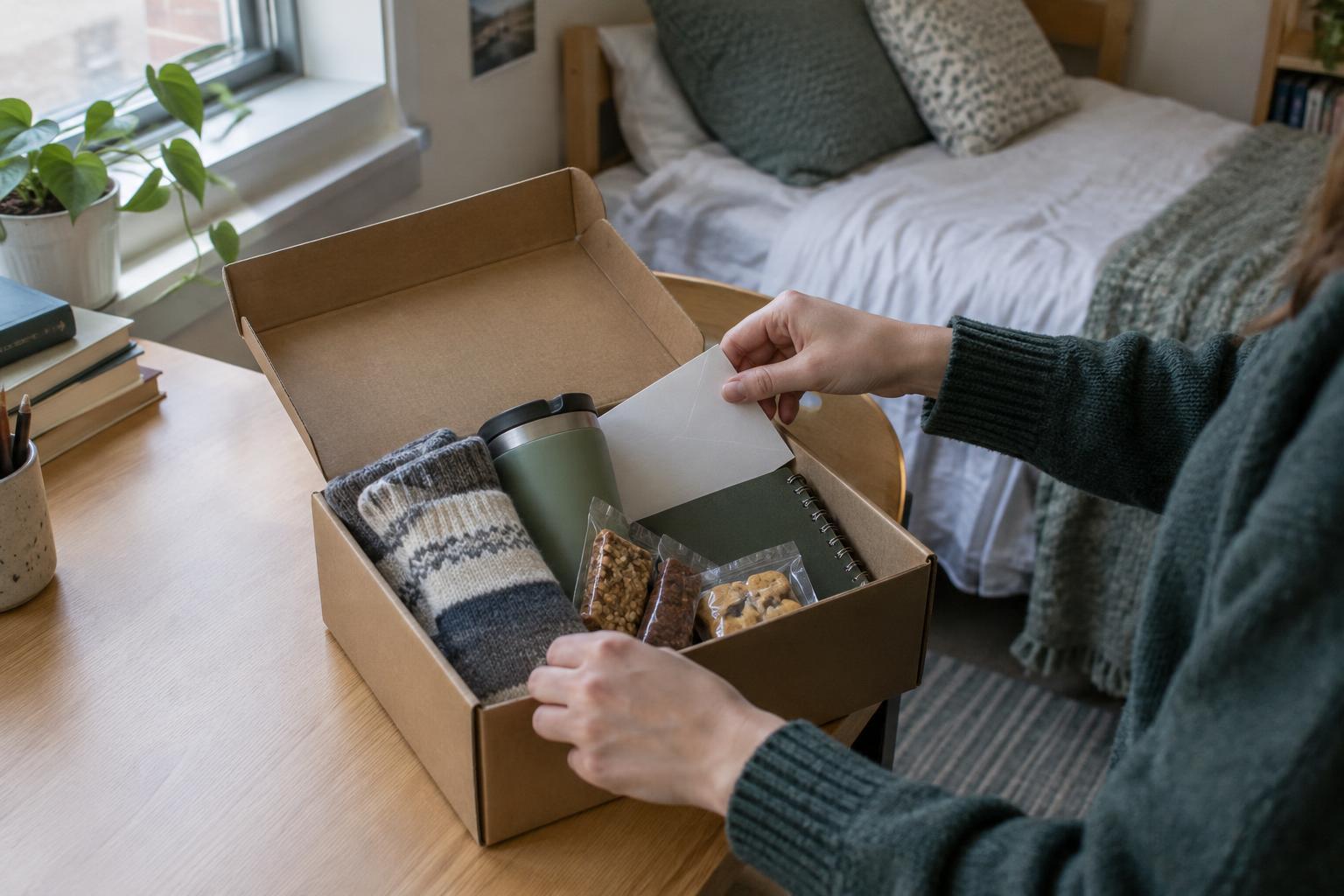
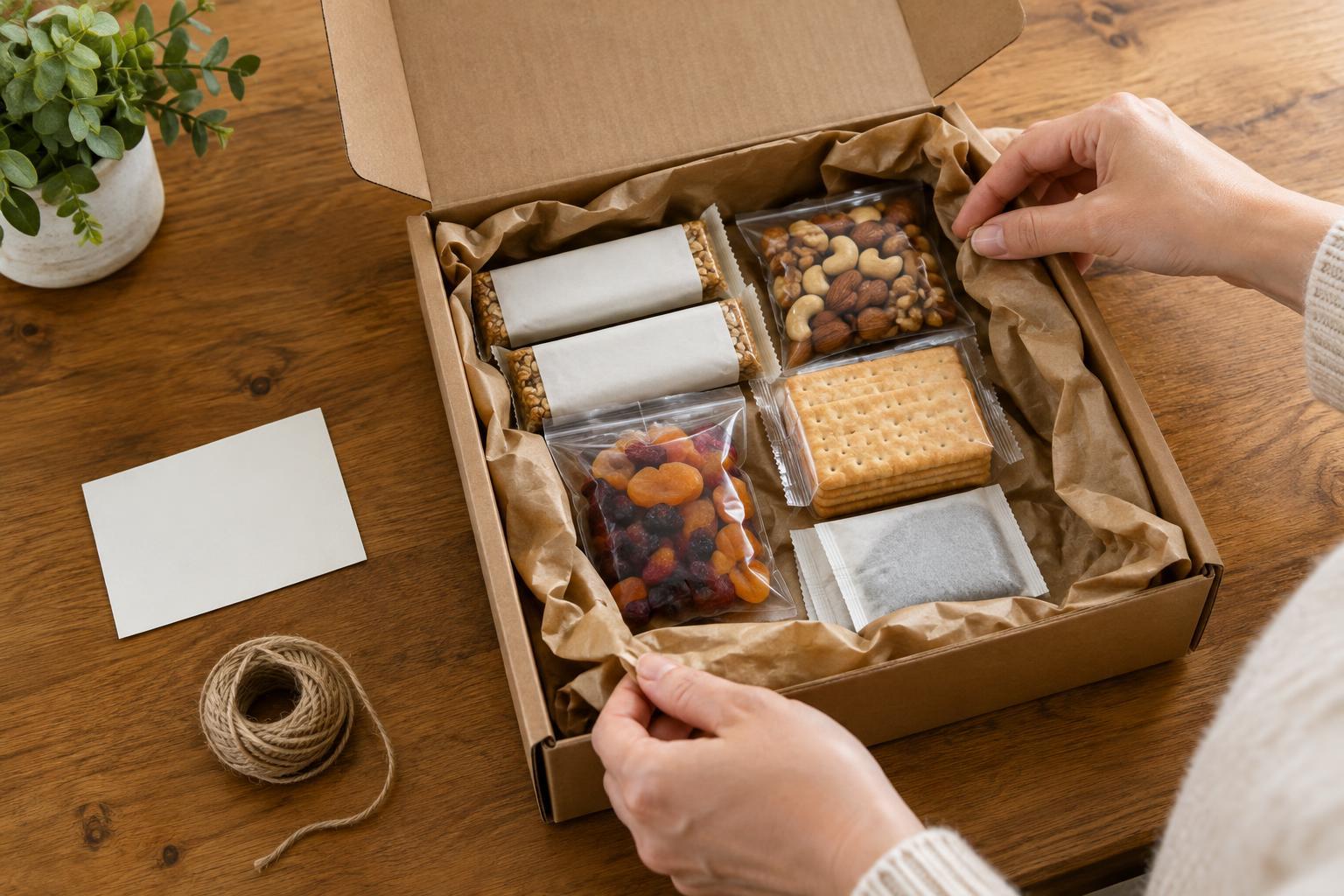
Read article · 4 min↗A care package feels personal whether it arrives in the mail or at someone’s door. The best contents, packing choices and timing depend on how it will get there. Use this guide to plan a thoughtful package for either route.
Read article · 4 min↗A care package should make someone’s day easier, not give them a puzzle to solve. Avoid common problems with portion sizes, packaging, scents, instructions and storage so the contents feel thoughtful and useful.
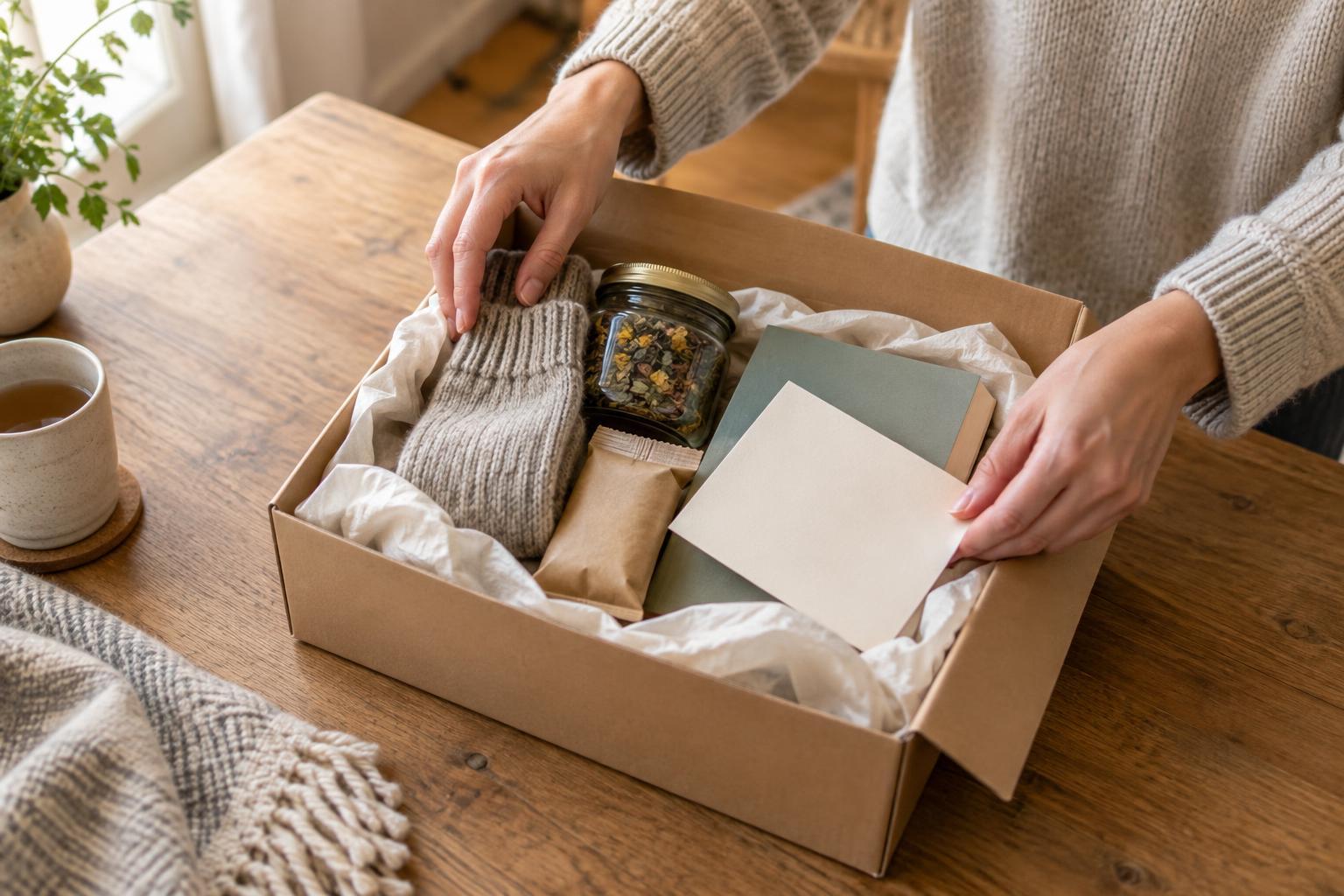
Read article · 4 min↗A thoughtful care package should feel good to receive, not demanding to open. Start by asking what the recipient enjoys and avoids, then choose familiar items, simple packaging and a personal note that leaves room for their preferences.
Read article · 4 min↗A thoughtful care package should be easy to receive, open and enjoy. Start by asking what works for the recipient, then choose manageable contents, simple packaging and a delivery plan that fits their routine.
Read article · 4 min↗A thoughtful care package does not need to be full to feel generous. Learn how to choose things the recipient will use, pack them with materials that can have a second life, and add a personal touch without creating unnecessary waste.
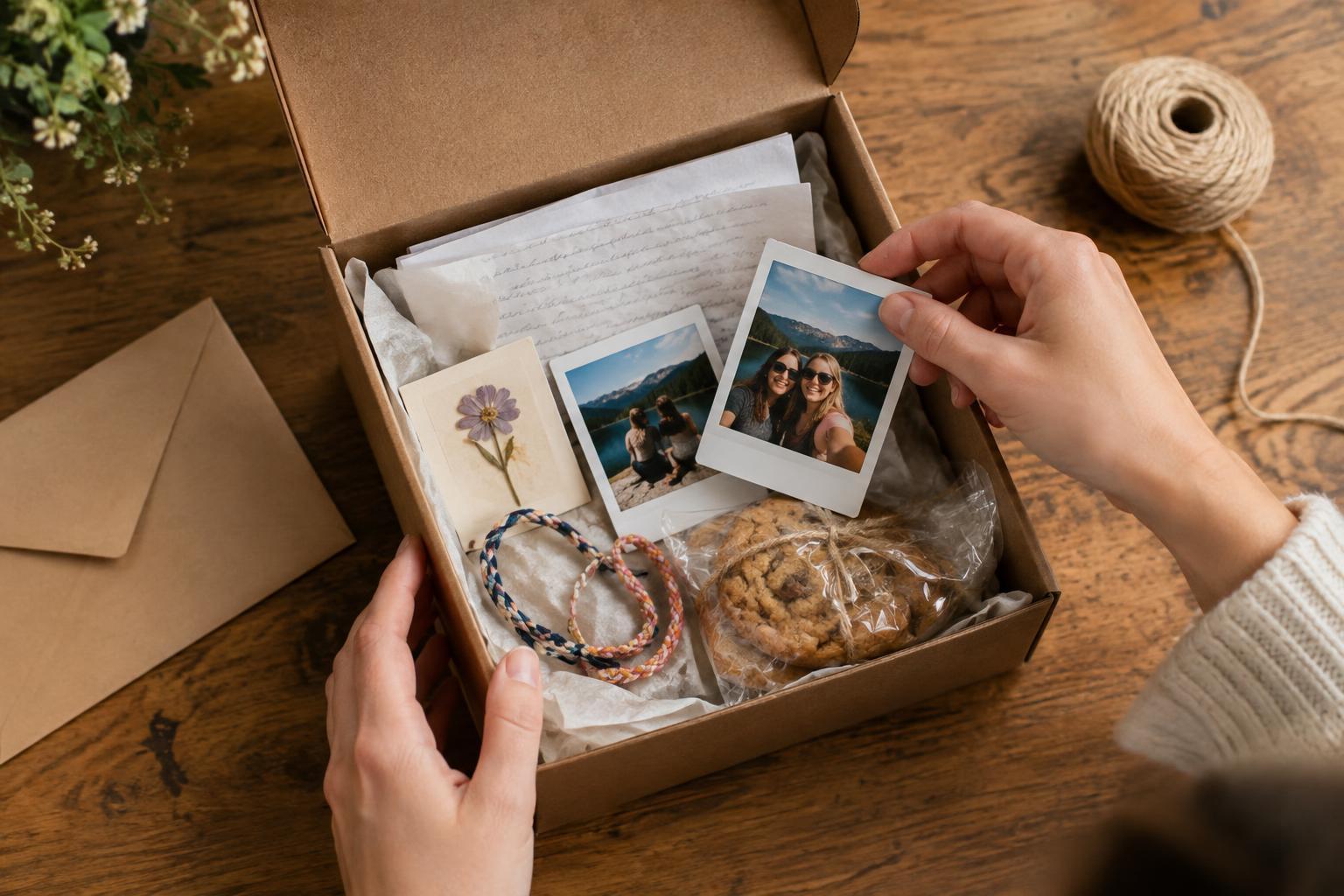
Read article · 4 min↗A friendship care package feels especially personal when each item points to a moment you both remember. Start with one shared story, then use a letter, small keepsakes and everyday comforts to bring it to life.
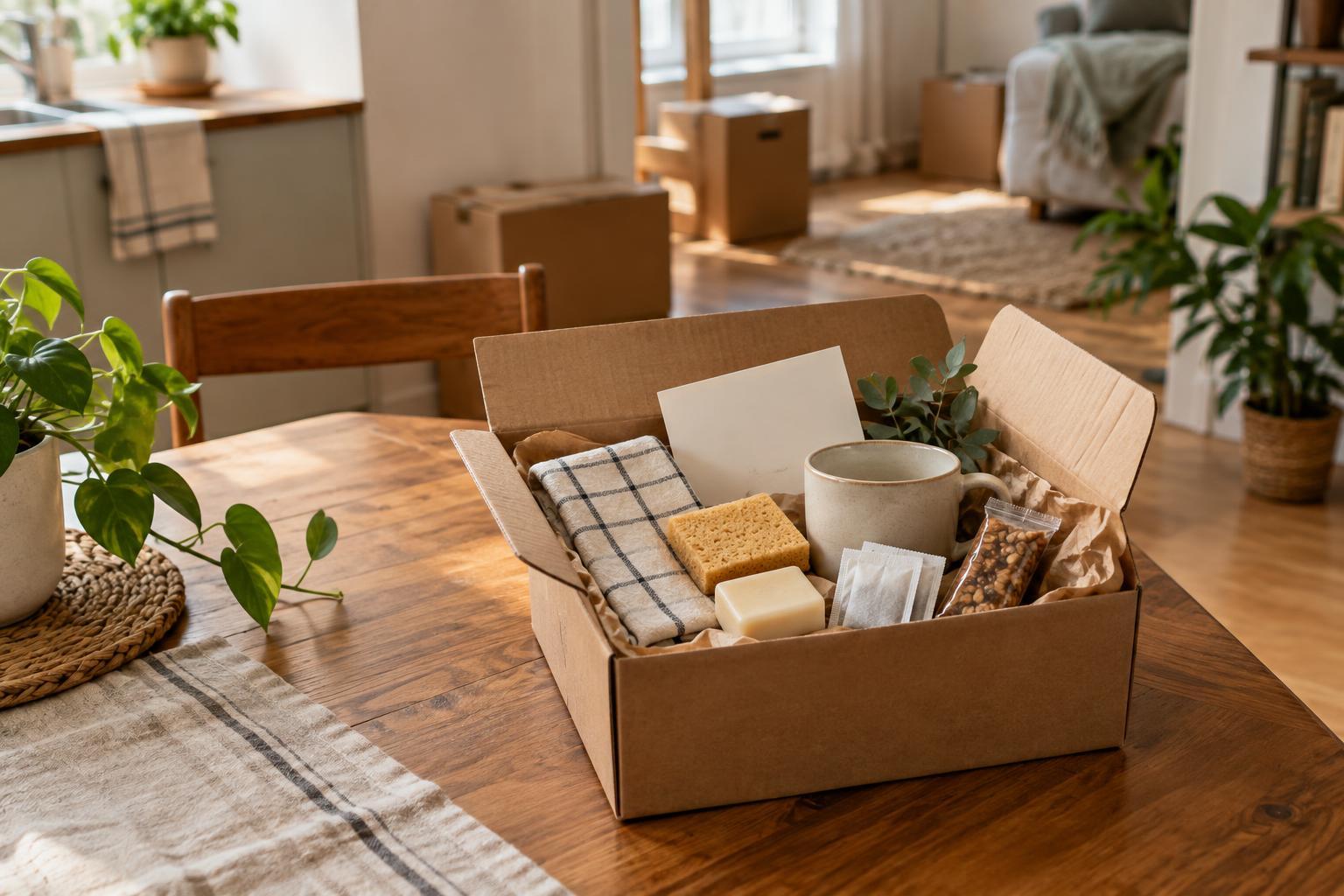
Read article · 4 min↗A thoughtful moving care package makes the first few days in a new place feel easier. Choose useful items, add a few familiar comforts, and include a personal note that asks for nothing in return.
Read article · 4 min↗A thoughtful care package cannot make grief disappear, but it can offer a little comfort and practical help. Here is how to choose useful items, write a note without searching for perfect words, and give your package without creating pressure to respond.
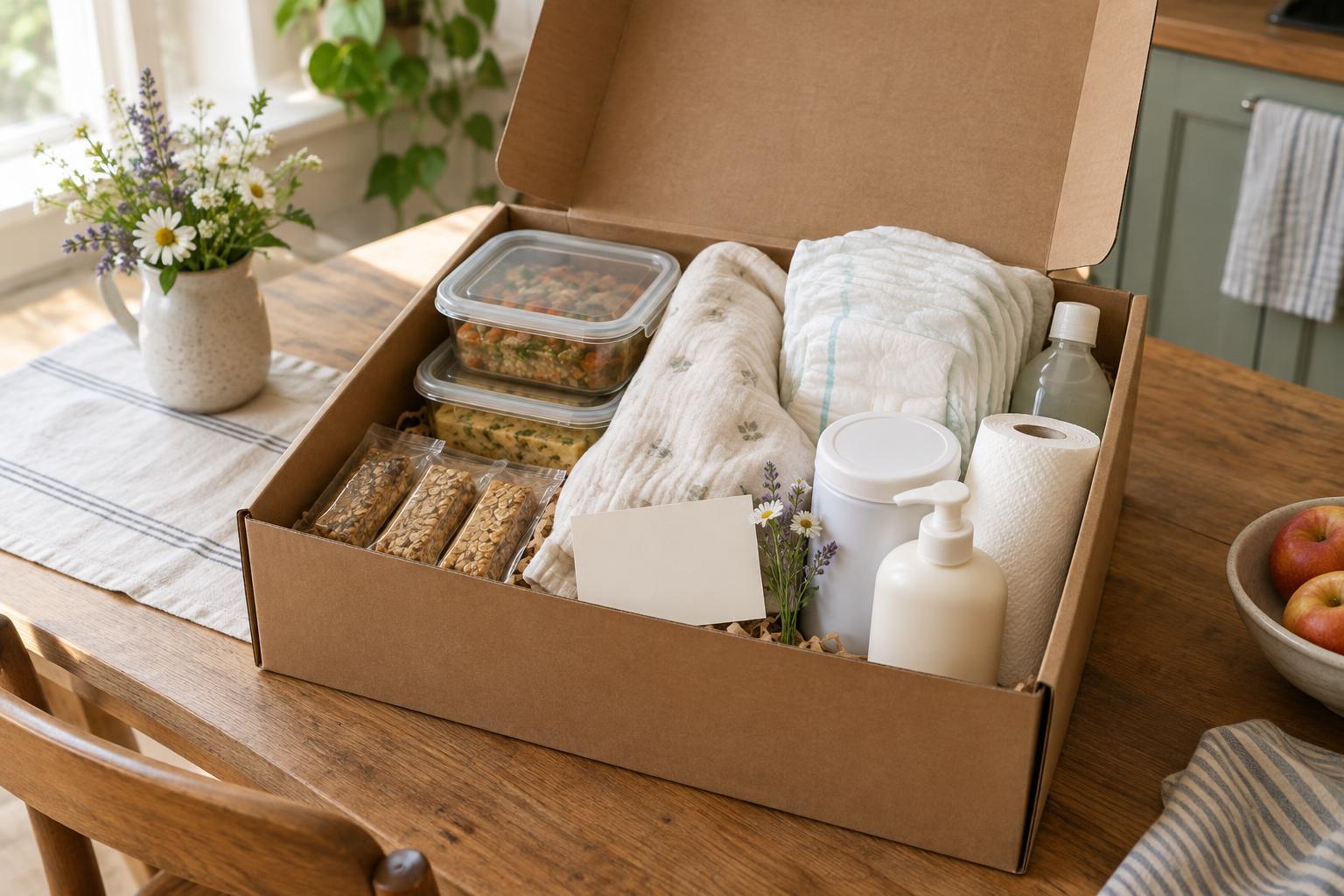
Read article · 4 min↗A thoughtful care package for new parents does not need to be elaborate. Start by asking what would help, then choose easy meals, everyday supplies, and a few personal touches that make a busy day feel lighter.
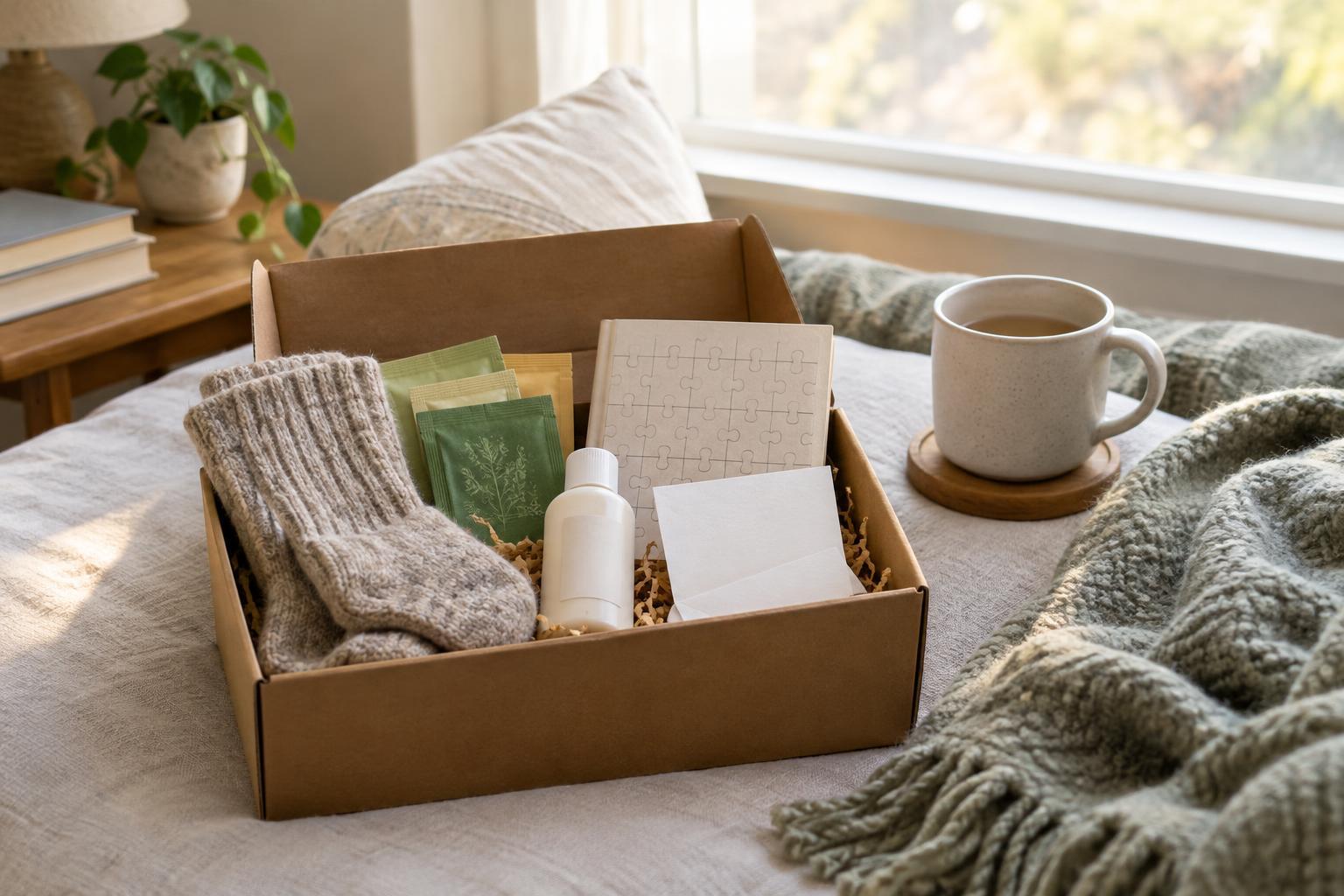
Read article · 4 min↗A thoughtful recovery care package can make an ordinary day feel a little easier. Choose useful comforts, low-effort activities and a personal note, while keeping the recipient’s preferences and energy in mind.
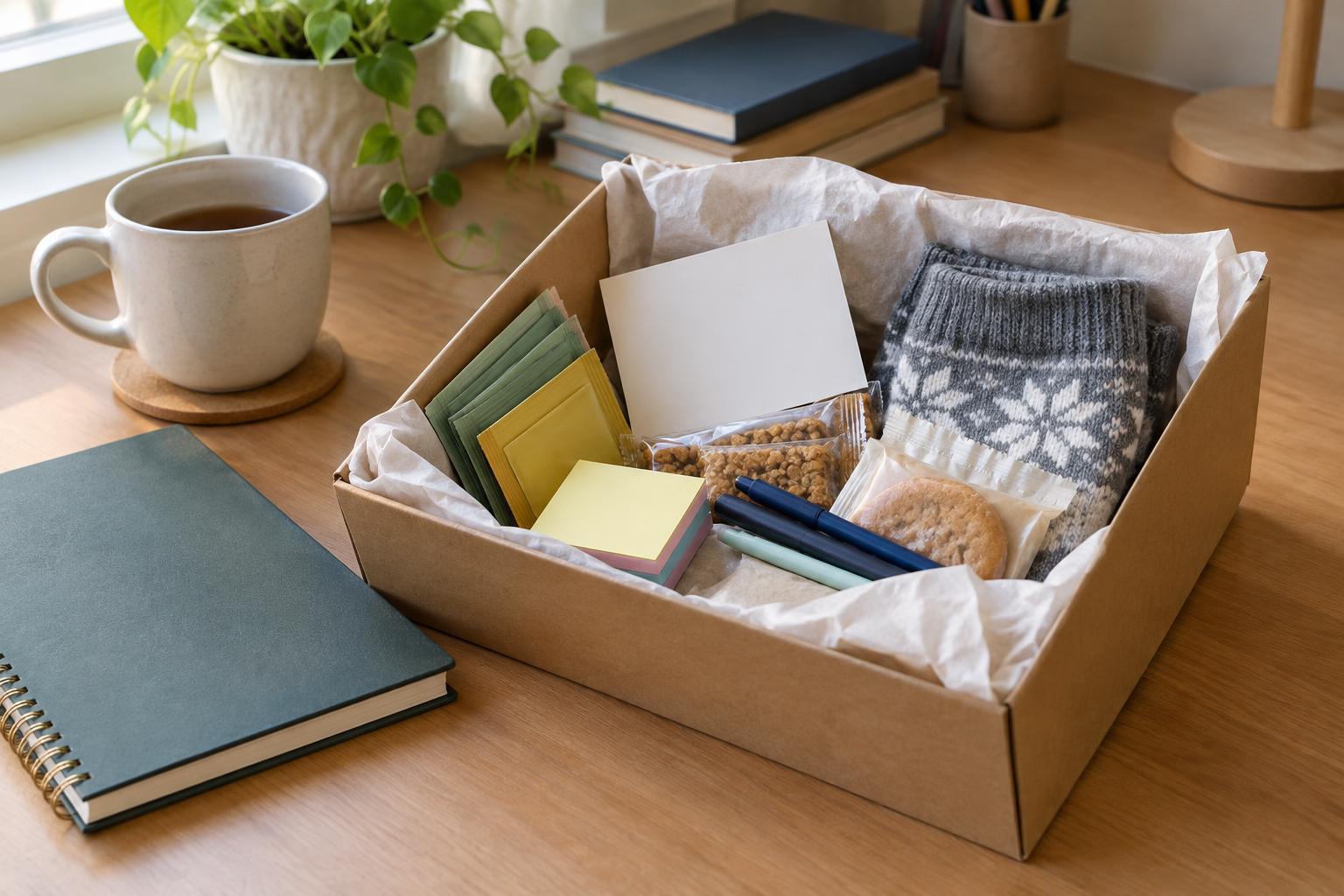
Read article · 3 min↗An exam-week care package does not have to be elaborate. Start with a few useful comforts, add food or activities that suit the recipient, and include a note that offers encouragement without adding pressure.
Read article · 4 min↗A thoughtful dorm care package does not need to be large. Combine a few practical comforts, easy-to-share treats and a personal note, while keeping limited space and campus rules in mind.
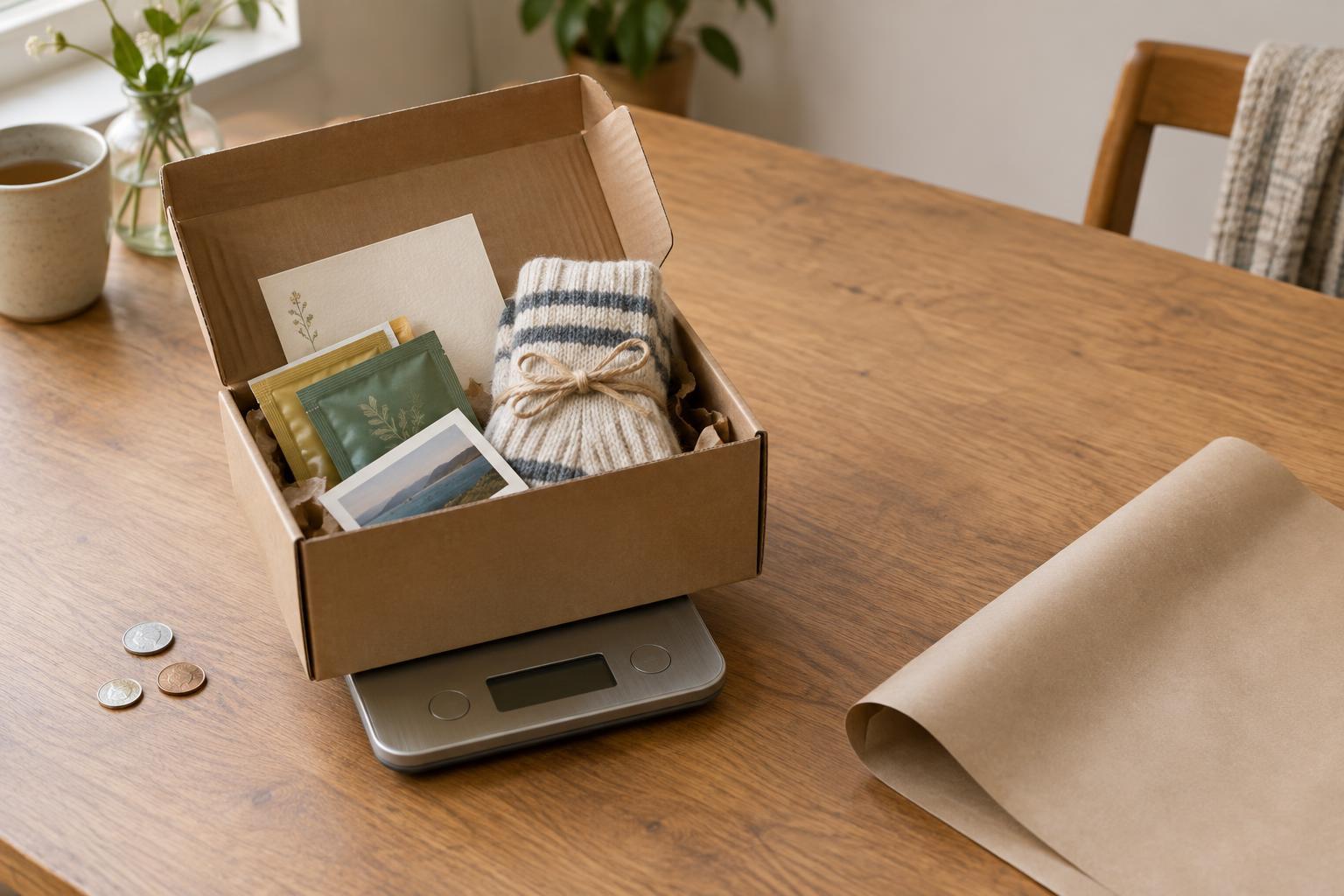
Read article · 3 min↗A thoughtful care package starts with a few practical checks. Before you seal the box, confirm what the destination allows, prepare an accurate customs description, choose sturdy packaging and give the recipient a heads-up about possible delays or charges.
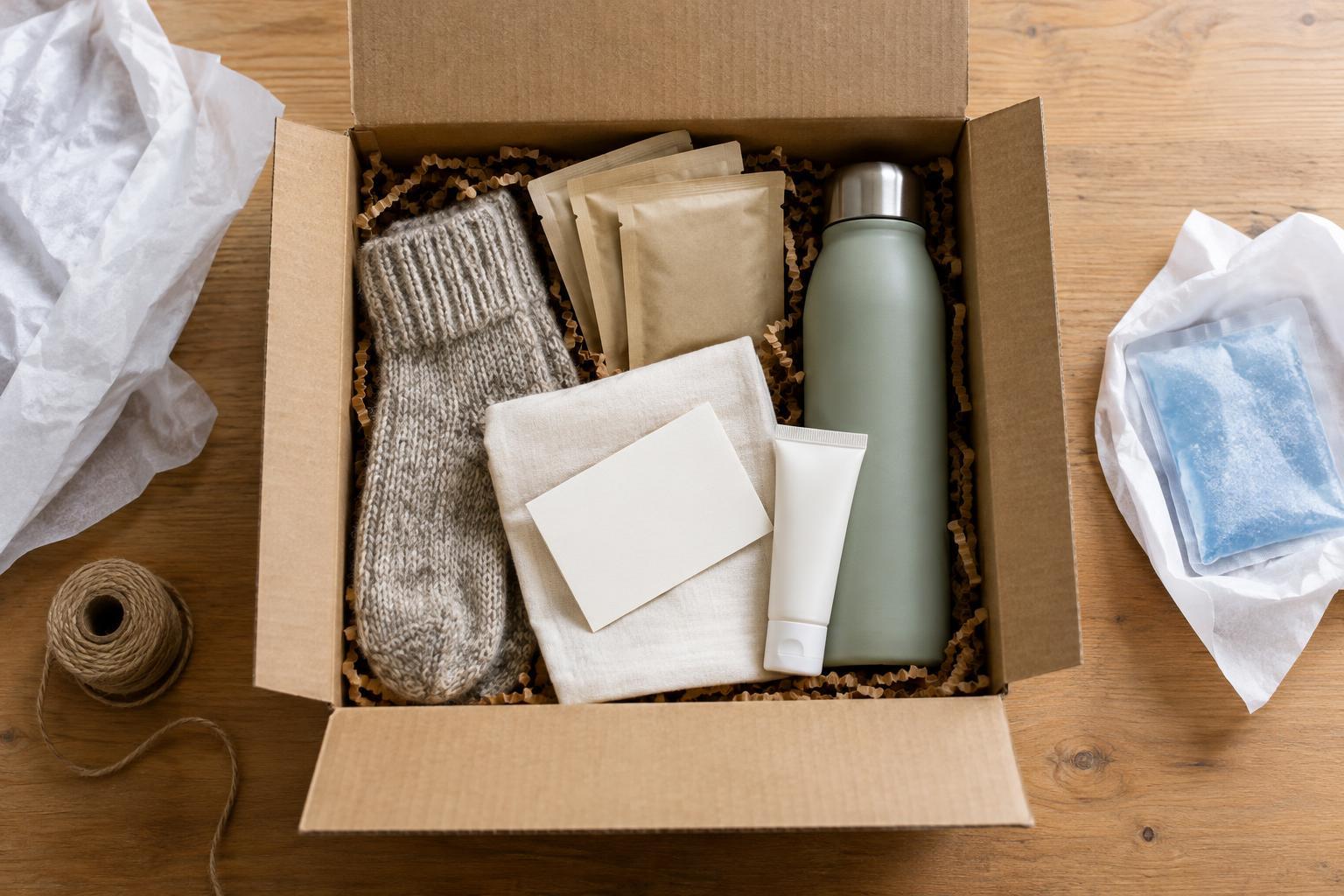
Read article · 3 min↗A thoughtful care package should feel comforting when it arrives, not just when it leaves your hands. Learn how to choose useful, personal contents and pack them with heat, cold and time in transit in mind.
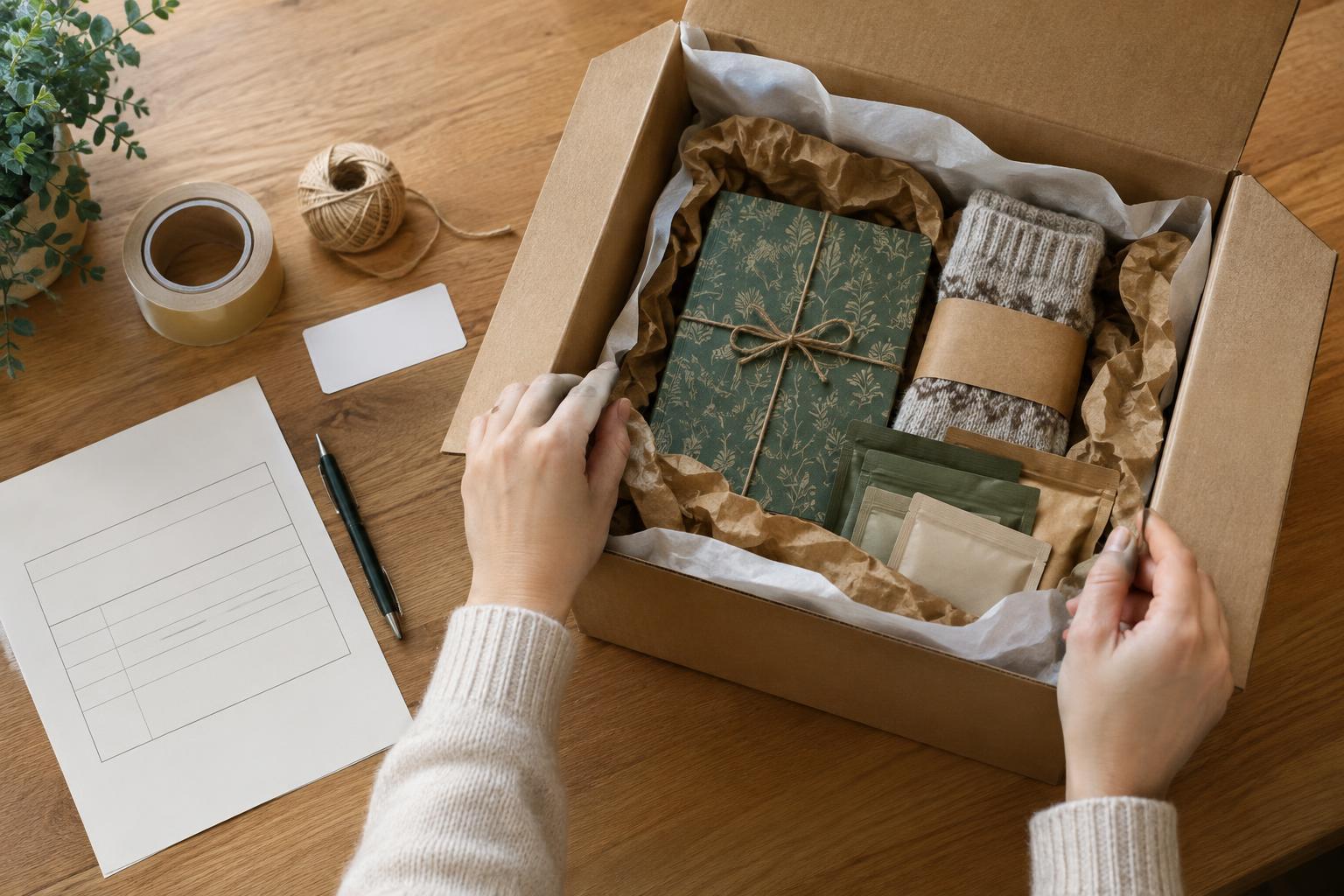
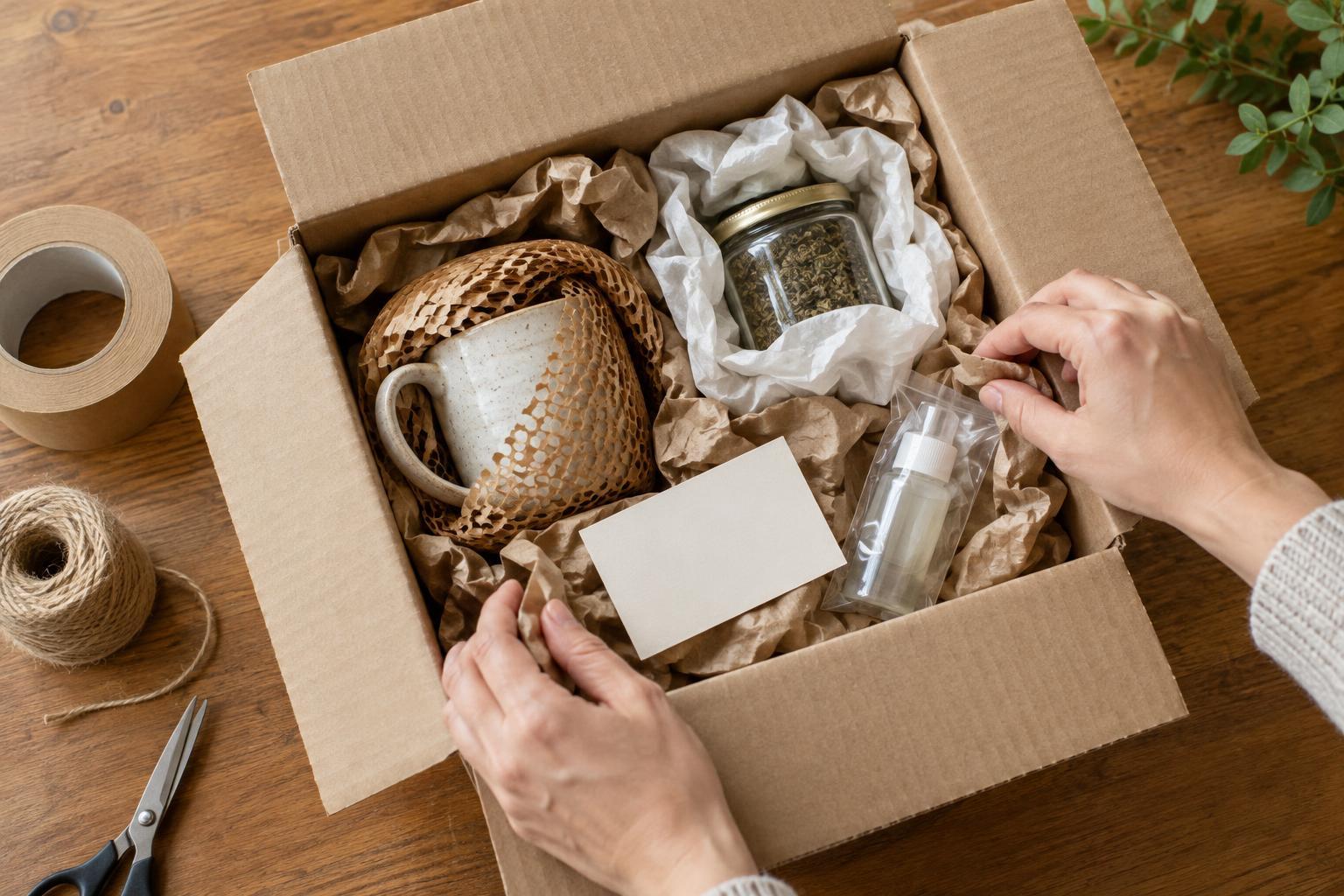
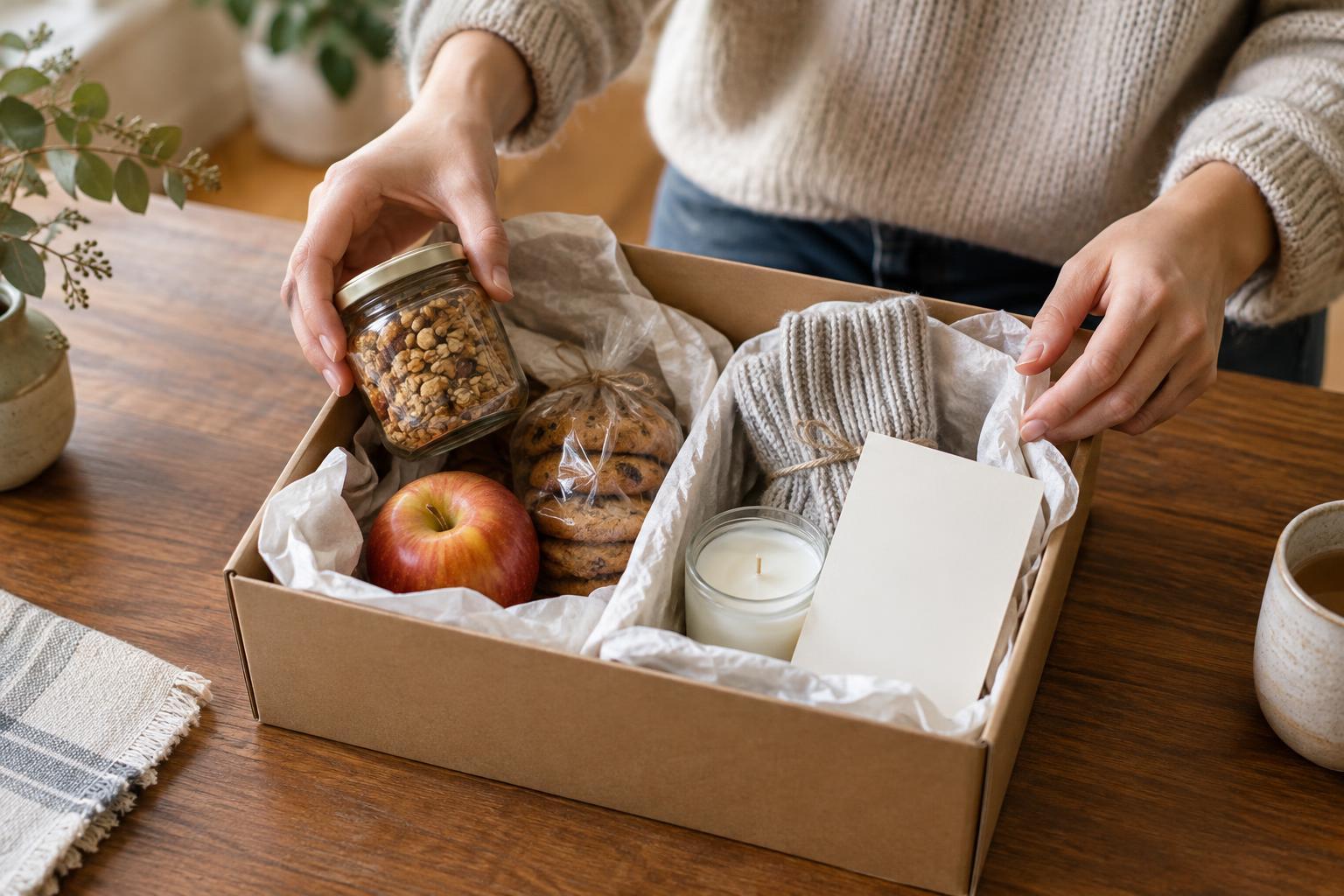
Read article · 4 min↗A care package feels more personal when its contents arrive in good shape. Learn how to choose a sturdy box, protect breakable gifts, keep items from shifting, and add a thoughtful finishing touch without compromising the packing.
Read article · 4 min↗A care package feels most thoughtful when its contents fit the person receiving it. Use their tastes, routines, storage space and circumstances to decide whether to send food, nonfood items or a little of both.
Read article · 4 min↗A food treat can make a care package feel comforting, but only if the recipient can enjoy it safely and comfortably. Learn what to ask, how to read labels and when a non-food gift is the more thoughtful choice.
Read article · 4 min↗A snack-filled care package can offer a welcome pause in someone’s day. Choose foods that suit the recipient, travel well and are easy to enjoy, then pack them so everything arrives in good shape.
Read article · 4 min↗A thoughtful care package does not need to be expensive to feel personal. Set a total budget, check likely postage before shopping, and choose a few lightweight items that speak to the person receiving them.
Read article · 4 min↗A thoughtful care package starts with the person receiving it, not a shopping list. Learn how to choose a purpose, account for practical needs, add a personal touch and pack everything with care.
Read article · 4 min↗Recommended

Some presents are memorable because they answer a quiet question: what would make this person feel understood? A scarf can do that without needing to be grand. It might bring warmth to a familiar coat, add colour to an outfit worn for a celebration, or travel in a care package with a handwritten note. For readers of Thoughtful Post, the appeal lies as much in the act of choosing as in the accessory itself. The brand featured here began with scarves and clothing in 2014, later paused, and returned after recovering its domain. Today, its scarf, shawl, wrap and square-scarf categories offer a starting point for a gift chosen around someone’s real wardrobe rather than an imagined new one.
A birthday, anniversary or thank-you gives you a reason to give, but it rarely tells you what to choose. Start instead with the recipient’s everyday habits. Does she keep a scarf by the front door for brisk mornings? Reach for a light layer in air-conditioned rooms? Dress simply and enjoy one expressive detail? Notice the pieces she wears repeatedly, not only the clothes she saves for photographs. A gift that fits the rhythm of an ordinary week can feel more attentive than one reserved for a single event.
This is a useful way to approach the brand’s women’s scarves, shawls, wraps and square scarves. Their appeal is not that one accessory will suit everyone; it is that different shapes can serve different people. A long scarf may suit someone who likes an easy drape over a coat. A shawl or wrap can be considered for a person who enjoys broader coverage. A square scarf offers other possibilities: folded at the neck, tied to a bag handle, or worn in the hair if that matches her style. The thoughtful question is not ‘Which one is most impressive?’ but ‘Which one would she actually reach for?’
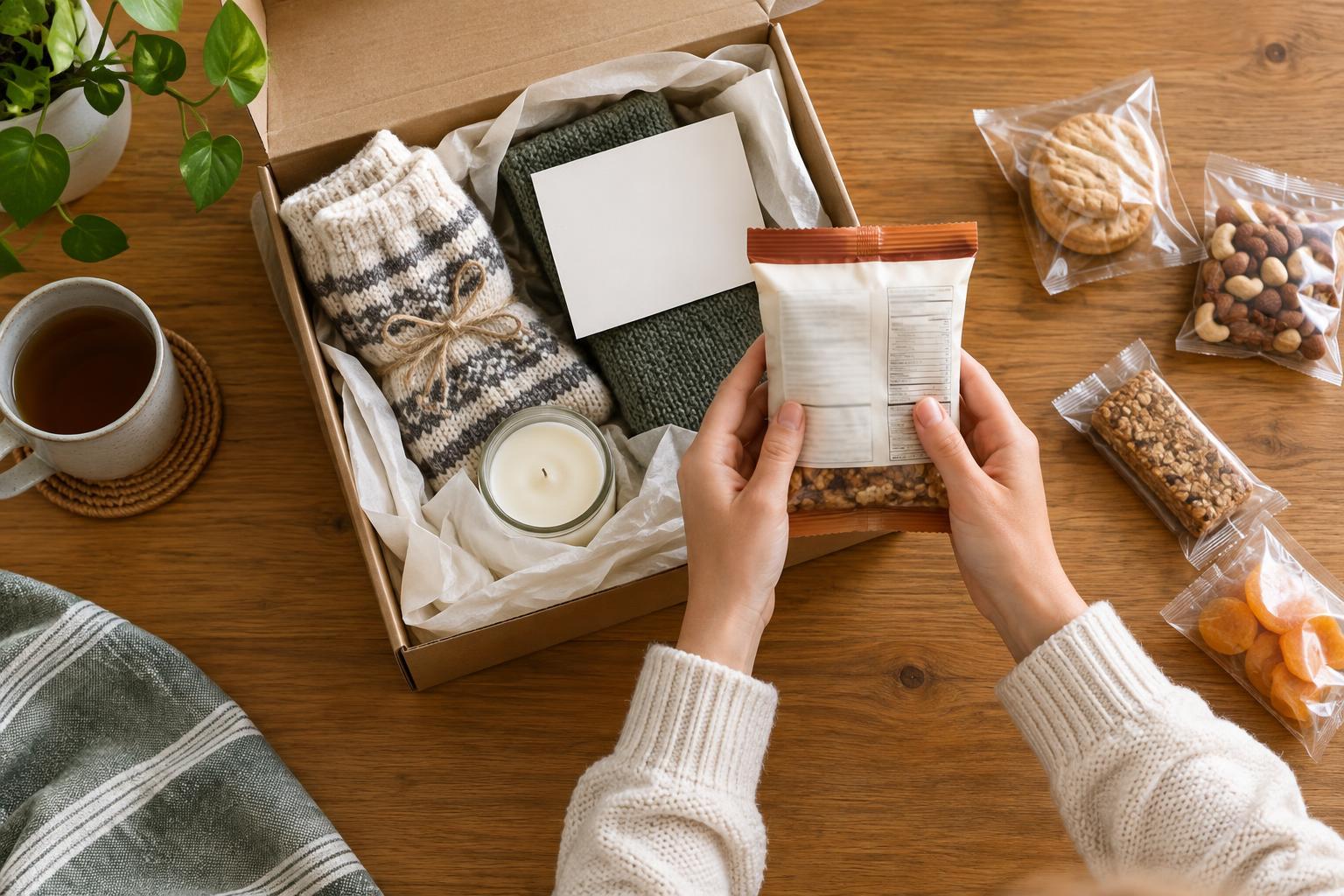
You need not know someone’s entire wardrobe to make a considered choice. Three or four familiar outfits can give you clues. Look at the coat she wears most, the colours near her face, and whether her clothes are mostly patterned or plain. A scarf in a colour already present in her wardrobe may make dressing easier. Alternatively, a contrasting colour can enliven neutral pieces when you know she enjoys a brighter accent. If she favours quiet outfits, restraint may be more personal than a dramatic print chosen simply because it catches your eye.
Pay attention to proportion as well as colour. Someone who wears close-fitting jackets may like a scarf she can fold and tuck without much bulk; someone who wears roomy coats may enjoy a fuller drape. Think, too, about how the gift will meet her existing accessories. It need not match her bag or gloves exactly. Repeating a warm or cool tone, or choosing a pattern that sits comfortably beside what she owns, can be enough. When in doubt, describe the connection in your note: ‘I remembered the blue coat you always wear.’ The observation makes the choice feel deliberate.
Scarves are often discussed as if they were interchangeable, yet shape changes how an accessory behaves. A square scarf invites folding: into a narrow band, a soft triangle or a small neck tie. A longer scarf offers room to loop, knot or leave the ends loose. A shawl or wrap can become a layer over the shoulders, especially when a jacket feels too structured for the moment. None of these uses is compulsory. The best choice respects how much time the recipient likes to spend getting dressed.
For a gift, consider one simple way the piece might enter her routine. A square scarf can refresh a plain shirt without requiring a new outfit. A scarf worn loose with a coat may be an easy addition before leaving home. A wrap can be packed for an event where the temperature is uncertain, provided its size and feel suit the wearer. If you are tempted to include styling instructions, keep them light: a small card with one or two ideas is kinder than a list of ways she ‘should’ wear it. Leave her room to make the accessory her own.
The brand includes silk, cashmere and wool categories, but a category name is not a substitute for an individual product’s composition. Materials and blends can vary from piece to piece. If fibre content matters to the recipient, check the particular item’s details before choosing. This is especially important when she has sensitivities, strong care preferences or a clear dislike of certain textures. A beautiful colour will not compensate for a scarf she finds uncomfortable against her skin.
Think about the role the material might play rather than treating one fibre as automatically superior. Silk can suggest a lighter, more fluid accent; wool is often considered when warmth is the priority; cashmere may appeal when a soft-feeling layer fits the recipient’s habits. The particular weave, thickness and finish still matter. So does care: a person who avoids delicate laundry may prefer an accessory whose instructions fit her routine. If you are unsure, do not guess at washability. Read the care guidance for the item and let that practical detail influence the gift as much as its appearance.
At Thoughtful Post, we return often to the value of a few words written by hand. A scarf can accompany a message without asking the message to be elaborate. Tell the recipient what reminded you of her: a colour she wore on a walk, the way she always brings a layer for everyone else, or a celebration you hope she will remember fondly. Specific memories are more affecting than sweeping claims that an accessory is perfect for her. They also let her know that the choice was about her, not a generic gift list.
If the occasion is difficult, let the note be gentle. A care package for someone recovering or adjusting to change does not need to instruct her to feel cheerful. ‘I thought this might be nice to have nearby’ can be enough. For a celebration, mention what you are celebrating before you describe the present. Use stationery that gives your words room to breathe, and make sure the note can be removed and kept. Long after a ribbon has been untied, a small card tucked into a drawer may carry the clearest memory of why the gift was given.
Presentation can extend the thought behind a gift, but it should not turn opening it into a chore. A clean sheet of tissue around a folded scarf, a simple band of paper and a card can feel considered without hiding the accessory under layers of packaging. If the fabric is delicate, avoid pins, tight string or tape against it. A box can help keep a folded piece together, while a reusable cloth pouch may suit a recipient who likes to store accessories neatly. Choose the method for the actual item rather than for a photograph of it.
There is also pleasure in making the wrapping personal. Select paper in a colour the recipient likes, tie on a small handwritten label, or place the note where it will be found first. For a group gift, invite each person to add one sentence to a shared card instead of crowding the parcel with separate trinkets. For a gift sent as part of a care package, keep heavier objects away from the folded fabric and protect the note from spills. These are small decisions, but together they say that both the accessory and the moment of receiving it matter.
Different occasions call for different degrees of ceremony. For a wedding guest, a wrap might be worth considering alongside the dress she already plans to wear, particularly if she wants an extra layer later in the day. For a graduation, a scarf in a colour connected to the graduate’s everyday clothes may have a life beyond the event. For a birthday, a square scarf can be a playful choice when you know she enjoys experimenting with small styling details. None of these pairings is a rule; they are prompts to ask what the day will actually be like.
An anniversary gift may refer to a shared place, a season or a remembered outfit rather than a conventional symbol. A thank-you gift can be modest and still meaningful when the note names the kindness it acknowledges. If the recipient is beginning a new job or moving home, resist the urge to tell her what her new life ought to look like. Choose something that can travel between old and new routines. The accessory then becomes a companion to a change, not a demand that she dress differently for it.
When you cannot be together, the details surrounding a present matter more. A letter can explain the connection between the scarf and a memory you share, while a photograph or a copied recipe can add another layer to a care package. Keep those additions genuinely relevant. A meaningful parcel need not be crowded: one wearable item, one note and one small keepsake may express more than a collection of unrelated objects. If you are arranging a gift from afar, allow time to check the recipient’s preferences rather than making assumptions based on a recent social-media photo.
Uncertainty is normal when buying clothing-related gifts. You may not know whether someone prefers a narrow knot or a generous drape, whether she finds wool comfortable, or whether a striking red belongs in her wardrobe. Ask a close friend if appropriate, or choose with the clearest clues you have. You can also make the note open-ended: ‘I pictured this with your grey coat, but I hope you’ll find your own way to wear it.’ That gives the recipient permission to experiment. Thoughtfulness is not mind-reading; it is paying attention while leaving space for the other person’s taste.
The brand’s identity carries a sense of continuity: its original brown wordmark includes a horse motif and a ‘Since 2014’ detail, while a neutral taupe palette keeps the presentation understated. Its story is not one of uninterrupted trading. It started with scarves and clothing, paused, and later returned after recovering the domain. That history may interest someone who likes to know the context behind a name, but it should not do the work of choosing for you. The useful questions remain concrete: What is the piece made of? How does it look with what she owns? Would she enjoy wearing it?
An accessible, elegant accessory is most convincing when it fits a life already in progress. Before settling on a gift, compare shape, colour, material information and care instructions for the particular item. Imagine it beside the recipient’s familiar coat or favourite dress, then imagine the note you would write to explain why you chose it. If you cannot think of a connection, keep looking. If you can, you have the beginning of a present that feels personal without pretending to know everything about the person receiving it.
The brand has 20 regional domains, 21 regional-language versions and 16 distinct languages. Those numbers differ because countries can share a language: Germany and Austria, for example, both use German versions, while several destinations use English. The United Arab Emirates has an Arabic root version and a separate English /en version on the same regional domain. The guide below identifies the destination language before each local term so you can follow a relevant category without mistaking a foreign-language invitation for an English one. Treat each category as a browsing starting point, then check the details of any individual scarf before deciding whether it suits your recipient.
On the Polish-language site, the brand home is UniqueYou. If you are choosing a layer to accompany a dress for a wedding or another occasion, the Polish invitation to view that collection is — Zobacz kolekcję. Consider the recipient’s dress and outerwear together; a wrap she can use again after the celebration may make the gift more personal.
The German-language brand home is UniqueYou. For someone who regularly wears warm layers, the German invitation to discover the merino-wool scarf collection is — Kollektion entdecken. Use the category to explore possibilities, then check the chosen item’s composition and care details rather than assuming every scarf in it feels or behaves alike.
The Czech-language home can be found at https://uniqueyou.cz/, and the wool-scarf category is associated with UniqueYou. If a smaller styling accent seems closer to the recipient’s taste, the Czech invitation to view the scarf collection is — Prohlédněte si kolekci. Picture the shape with her everyday jacket before choosing between a practical layer and a lighter finishing touch.
The Spanish-language brand home is UniqueYou. For a recipient who likes changing the look of a familiar shirt or jacket with one accessory, the Spanish invitation to discover the scarf collection is — Descubre la colección. A useful gift idea begins with the colours she already wears, then leaves her free to tie or drape the piece her own way.
The French-language home is https://uniqueyou.fr/, while the light-scarf category can be explored through UniqueYou. If red is a colour the recipient actually enjoys wearing, the French invitation to discover that colour collection is — Découvrez la collection. A vivid choice works best when it answers something you have noticed in her wardrobe, not merely a colour you admire.
The Hungarian-language brand home is UniqueYou. For someone whose neutral outfits welcome a brighter detail, the Hungarian invitation to view the red-scarf collection is — Nézd meg a kollekciót. Before gifting a strong colour, think about whether she has worn it before; the note can mention the coat or outfit you imagined it with.
The Italian-language brand home is UniqueYou. If a softer-feeling layer fits the recipient’s preferences, the Italian invitation to discover the cashmere-scarf collection is — Scopri la collezione. Check the individual composition and care guidance before deciding. The most considerate material choice is the one she will feel comfortable wearing and looking after.
The Romanian-language home is https://uniqueyou.ro/. A red-scarf category appears through UniqueYou; if a pale accent makes more sense with the recipient’s clothes, the Romanian invitation to discover the white-scarf collection is — Descoperă colecția. Compare each possibility beside her usual coat colour, rather than treating either shade as universally versatile.
The Slovak-language home is https://uniqueyou.sk/, and the silk-scarf category can be approached through UniqueYou. For a different kind of layer, the Slovak invitation to view the cashmere-scarf collection is — Pozrite si kolekciu. Let the recipient’s habits guide the comparison: does she enjoy a small accent near the face, or reach more often for a fuller scarf?
The Finnish-language home is https://uniqueyou.fi/, with red scarves represented through UniqueYou. If the recipient’s practical preferences point you toward another material category, the Finnish invitation to explore the cotton-scarf collection is — Tutustu mallistoon. Read the details of the particular piece and consider how it will sit with the clothes she wears most.
The Swedish-language brand home is UniqueYou. To compare scarves as an everyday accessory, the Swedish invitation to view the collection is — Se kollektionen. A familiar coat is a helpful reference point: think about the scarf’s likely colour balance and the amount of fabric the recipient usually likes around her neck.
The Danish-language home is https://uniqueyou.dk/, and wool scarves can be considered through UniqueYou. If the recipient prefers a broader layer over her shoulders, the Danish invitation to view the shawl collection is — Se kollektionen. Shape may matter as much as fibre here; choose for the way she likes to dress, and verify the individual item’s details.
For Belgium, this destination is in Dutch: the brand home is UniqueYou. The Dutch invitation to view the scarf collection is — Bekijk de collectie. If you are choosing for someone whose outfits move easily between casual and dressed-up occasions, look for a colour and shape she could interpret in more than one way.
Austria’s German-language home is https://uniqueyou.at/, and its wool-scarf category can be explored through UniqueYou. For someone who favours a smaller accent, the German invitation to discover the neckerchief collection is — Kollektion entdecken. This is a useful reminder that two countries can share a destination language while offering separate regional browsing paths.
The Netherlands has a Dutch-language brand home at UniqueYou. To browse scarves, the Dutch invitation to view the collection is — Bekijk de collectie. When you are unsure which design to choose, begin with the recipient’s most-worn outer layer and ask whether the new piece will feel like a natural addition to it.
The United States English-language home is https://uniqueyou-store.com/, and square scarves can be explored through UniqueYou. If the recipient likes pattern, the English invitation to browse checked scarves is — Explore the collection. A square shape can offer several styling options, but it is still worth asking whether she enjoys tying accessories before choosing one as a gift.
The United Arab Emirates Arabic-language root home is https://uniqueyou.ae/. For a recipient who might appreciate a wool layer, the Arabic invitation leading to the wool-scarf collection means learn more — اعرفي المزيد. Check the individual piece’s composition and feel, and use this Arabic destination when that is the language in which you want to browse.
The United Arab Emirates also has an English-language version reached through /en: its brand entry is UniqueYou. This is the second language version on the same regional domain, not another country. If you are planning a gift from afar, use the language that makes it easiest to read the particular item’s material and care information.
The Ireland English-language brand home is UniqueYou. For someone who enjoys a lighter accent with a familiar outfit, the English invitation to browse silk scarves is — Explore the collection. Check the individual item’s composition, then consider adding a short note about the colour or memory that led you to it.
The United Kingdom English-language brand home is UniqueYou. If red already appears in the recipient’s wardrobe, the English invitation to browse red scarves is — Explore the collection. If it does not, take that as a cue to reconsider rather than assume a bold colour is automatically a welcome surprise.
The Portuguese-language home is https://uniqueyou.pt/, and the cashmere-scarf category can be considered through UniqueYou. For a wider starting point, the Portuguese invitation to discover the scarf collection is — Descubra a coleção. Compare shape, material information and care before settling on the piece you can most readily picture in the recipient’s everyday wardrobe.
The best final test is simple: can you picture the person wearing the scarf, and can you tell her why you chose it? If so, fold it with care, add the note, and let the gift speak in both fabric and words.