Start with the person, not the treat
A jar of sweets or a box of biscuits can seem like an easy gift, but food is personal. Someone may avoid an ingredient because of an allergy, a health concern, a religious practice, a preference, or simply because they do not enjoy it. None of those reasons needs to be explained to you. The most thoughtful starting point is not a clever guess about what the recipient eats; it is a willingness to let them guide the choice.
If you know them well, think about what they have actually said they like rather than what you have seen them eat once. A person who accepts a slice of cake at a party may not want a whole cake at home. Likewise, a label such as “healthy” or “indulgent” says little about whether a gift will be welcome. Aim for something they would choose for themselves, not something you hope they ought to try.
Ask a question that leaves room for an answer
You can preserve some surprise without making the food itself a mystery. Try a simple question: “I’m thinking of sending you a little treat. Is there anything you’d prefer I avoid, or would a non-food surprise be better?” If you are choosing for a household, ask about everyone who might share it. Make it clear that “no food, please” is an entirely welcome answer.
Avoid asking someone to justify a restriction or suggesting that a small amount of an ingredient should be fine. If the recipient gives you a specific requirement, repeat it back in ordinary language before buying anything. That small pause can prevent a mix-up between, for example, a preference for a certain flavour and a need to avoid an ingredient altogether. When you cannot ask directly, someone close to the recipient may be able to help, but do not treat second-hand information as a guarantee.
Make the details easy to check
When you do choose food, favour items with readable ingredient and allergen information that the recipient can inspect for themselves. Keep the original packaging intact, especially if you add decorative wrapping. A beautiful paper sleeve is less helpful if it hides the information someone needs to decide whether the treat is suitable.
Check the particular item you plan to give, not just the brand or flavour you remember. Recipes and product ranges can differ, and an item described with a broad term such as “plant-based” may still not meet every dietary need. If cross-contact matters to the recipient, an ingredient list alone may not answer their question; look at any relevant packaging information and ask them what they are comfortable receiving. Do not present a product as safe on their behalf when you cannot confirm that it meets their requirements.
Homemade food can carry extra uncertainty because a handwritten list of ingredients may not account for everything used during preparation. If the recipient has told you they need particular precautions, it may be kinder to skip homemade food unless you have discussed it with them first.
Let presentation add warmth, not pressure
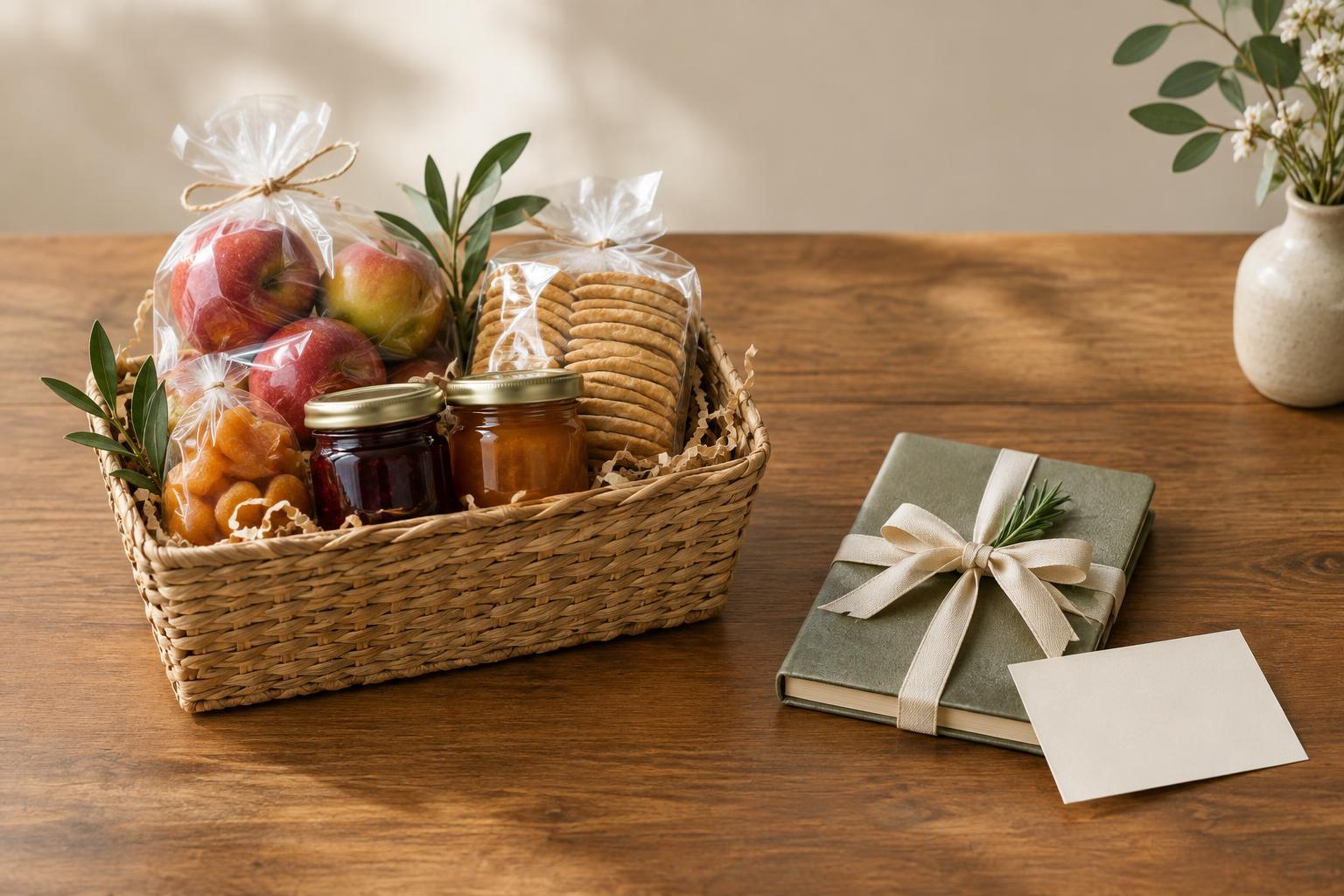
An edible gift does not need to be large or elaborate to feel personal. A small selection in flavours the recipient has named can be more considerate than a generous assortment chosen at random. If you are putting together a hamper, keep different items in their own packaging so each one remains identifiable. You can add a short note explaining why you thought of them: “You mentioned enjoying lemon biscuits, and I remembered.”
Give the recipient an easy way not to eat the gift. Avoid a note that asks for a tasting report or calls attention to how much effort you spent making it. A message such as “No need to open this right away; I just wanted to send a little cheer” keeps the gesture light. If you learn later that the food was not suitable, accept that gracefully. The gift has already done its job if it communicated care, even if the contents are passed along.
Keep a thoughtful non-food option
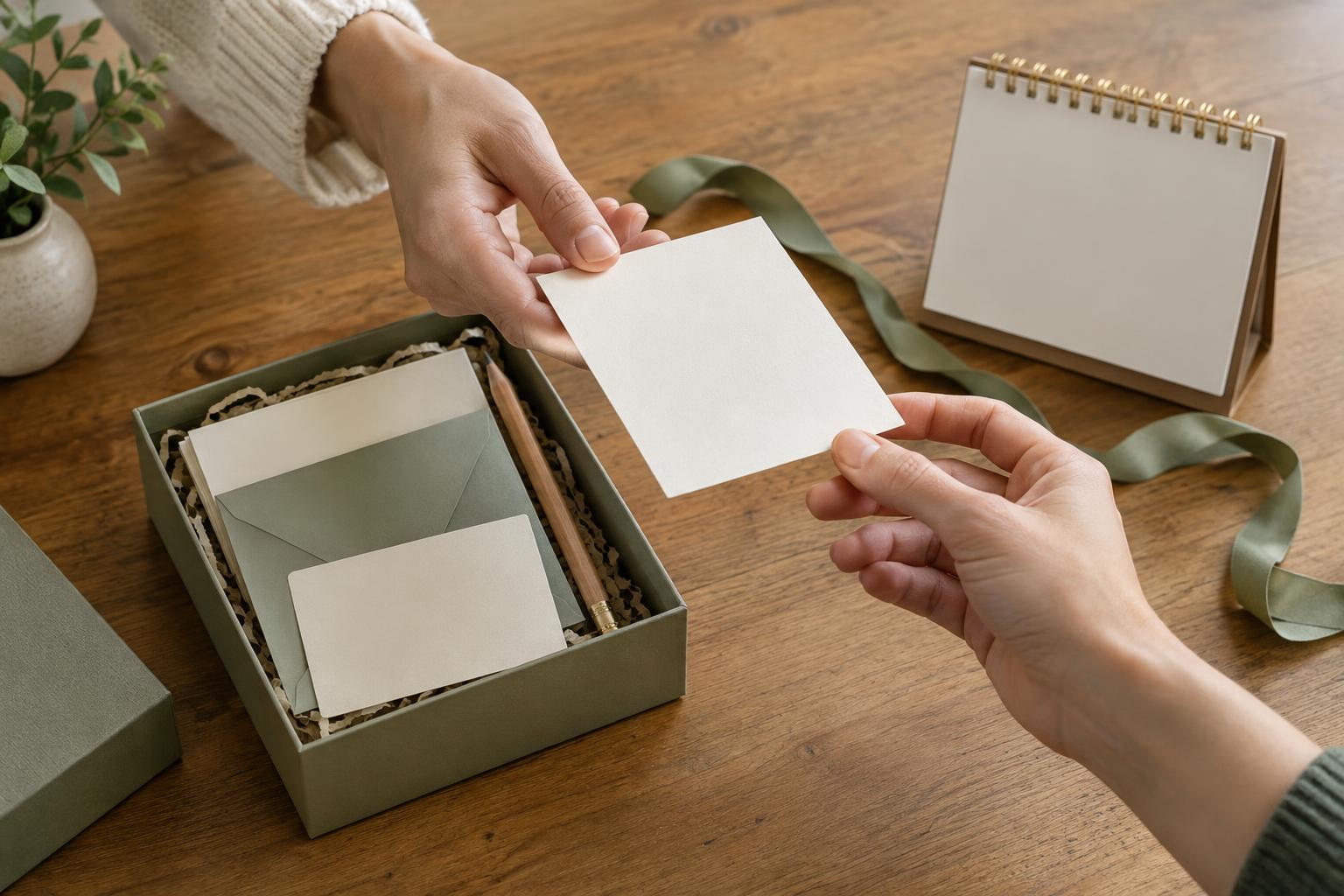
If you are unsure about dietary needs, or the recipient seems hesitant when you ask, change course. A handwritten letter, a photograph with a note on the back, a puzzle, or a small stationery bundle can be just as celebratory as a treat. For a shared occasion, you might suggest an activity together instead of bringing food. The goal is connection, not proving that you found something everyone can eat.
The best edible gift is one the recipient feels free to enjoy, decline, or save for another time. Ask without prying, leave useful information visible, and be ready to choose something else. Those habits make the thought behind the gift easier to appreciate.