Start with the person, not the price tag
Before choosing a gift, think about the recipient’s ordinary days. What do they reach for when they need a break? What have they been looking forward to, learning, or talking about lately? A simple gift that fits an actual habit often feels more considered than a more expensive one chosen without a reason.
You do not need to know everything about someone to make a useful observation. A friend who always brings a book on the train might appreciate a bookmark. A relative who enjoys hosting might like a handwritten copy of a recipe you have shared. If you are unsure, keep the gift flexible and let your message carry the personal detail. The aim is to show attention, not to guess perfectly.
Give the gift a story
A short note can explain why you chose something without turning it into a grand gesture. You might write, “This reminded me of our walk when we stopped at every little bookshop,” or “I thought you could use this on one of your quiet Sunday mornings.” A specific memory or hope makes a familiar item feel connected to your relationship.
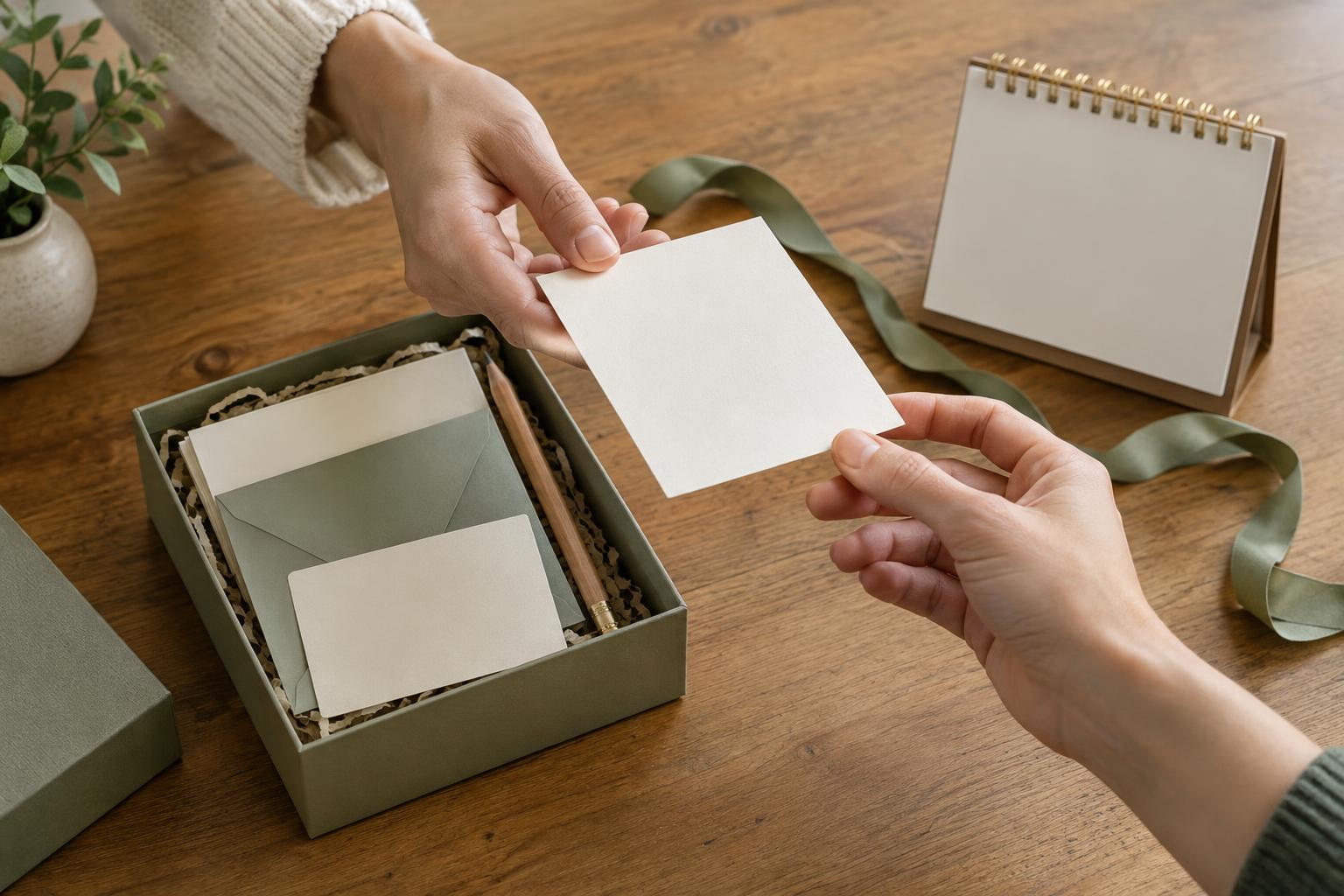
If writing a card feels difficult, try three sentences: name something you appreciate about the person, say why the gift made you think of them, and offer a warm wish. Those sentences can go on a card, a tag, or a scrap of paper tucked into the package. There is no need to sound poetic. Your own words are the part they cannot find anywhere else.
You can also add context to something you already have. A photo from a shared afternoon, a family recipe, or a playlist you put together can accompany a modest gift. Choose a detail the recipient would enjoy revisiting rather than an inside joke that requires a long explanation.
Make a small pairing feel intentional
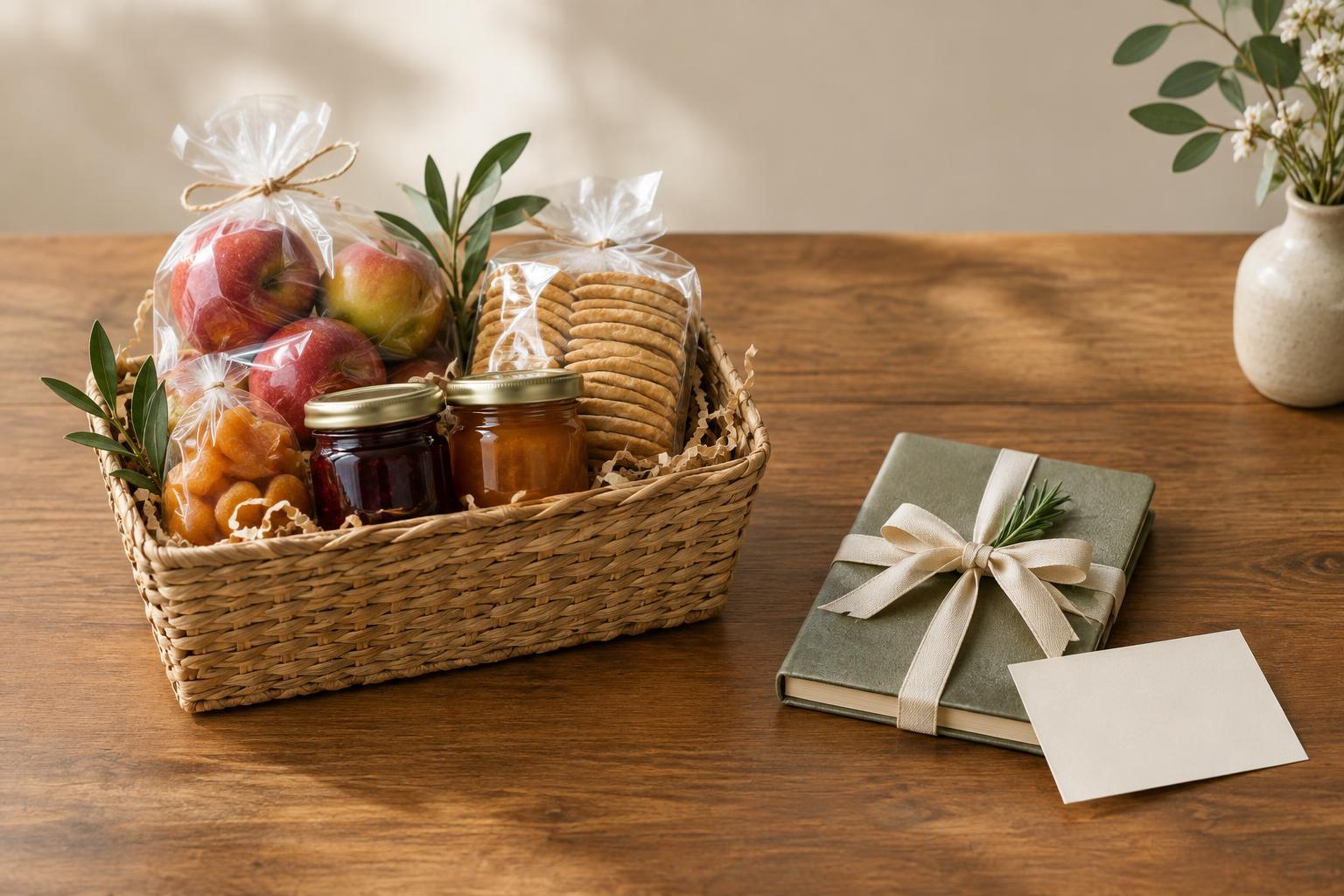
Two inexpensive things can feel like one thoughtful gift when they serve a clear purpose together. Pair a notebook with a list of writing prompts, a packet of tea with a note inviting someone to take a quiet hour, or a secondhand novel with a handmade bookmark. The pairing suggests how the recipient might enjoy the gift, while leaving them free to use it their own way.
Look at what is already available before buying an extra item. You might include a recipe with a baking dish you are passing along, tie a favorite poem to a plant cutting, or add a note about where a framed photograph was taken. These additions cost little or nothing, but they give the recipient a starting point for appreciating what is inside.
Use presentation to build anticipation
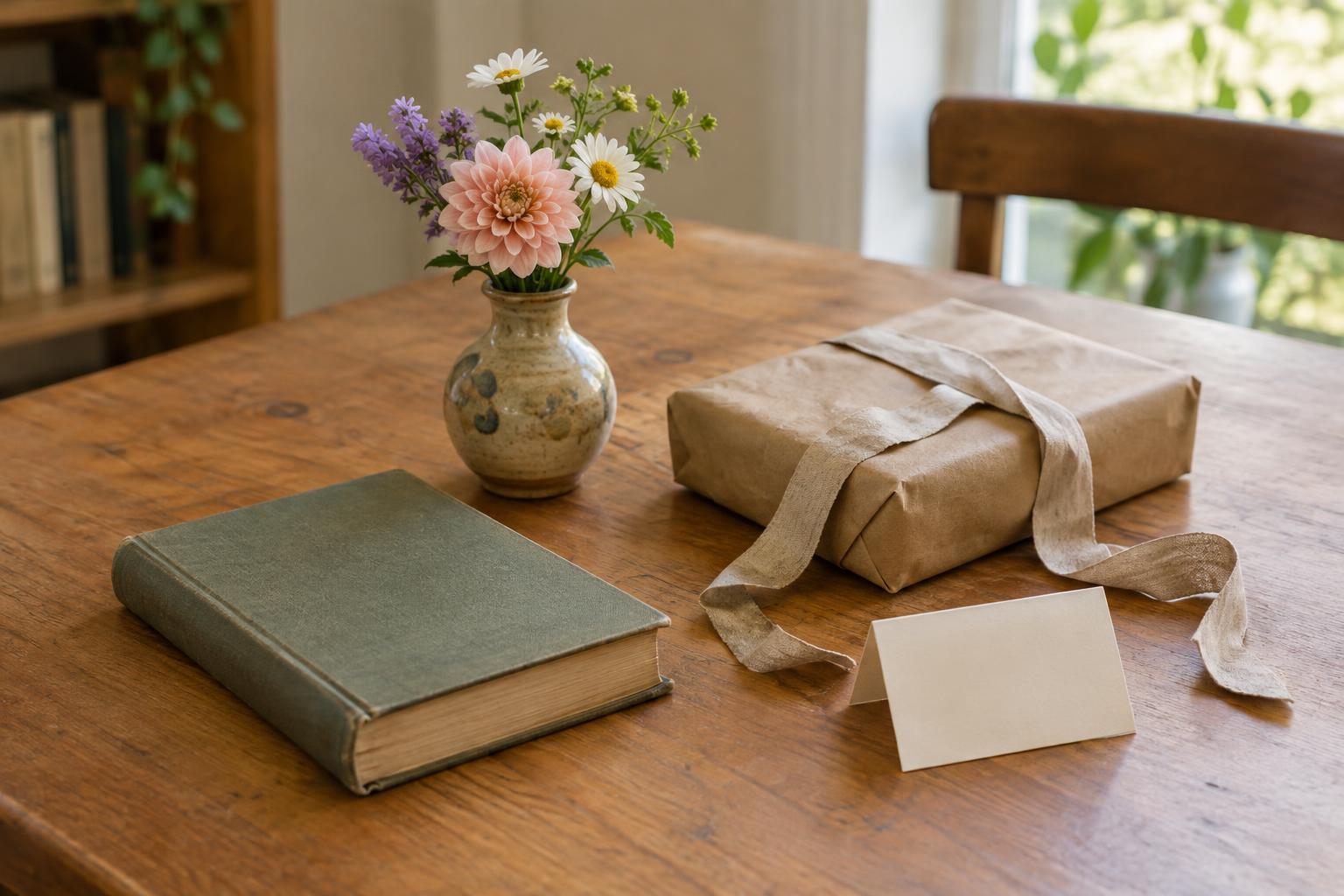
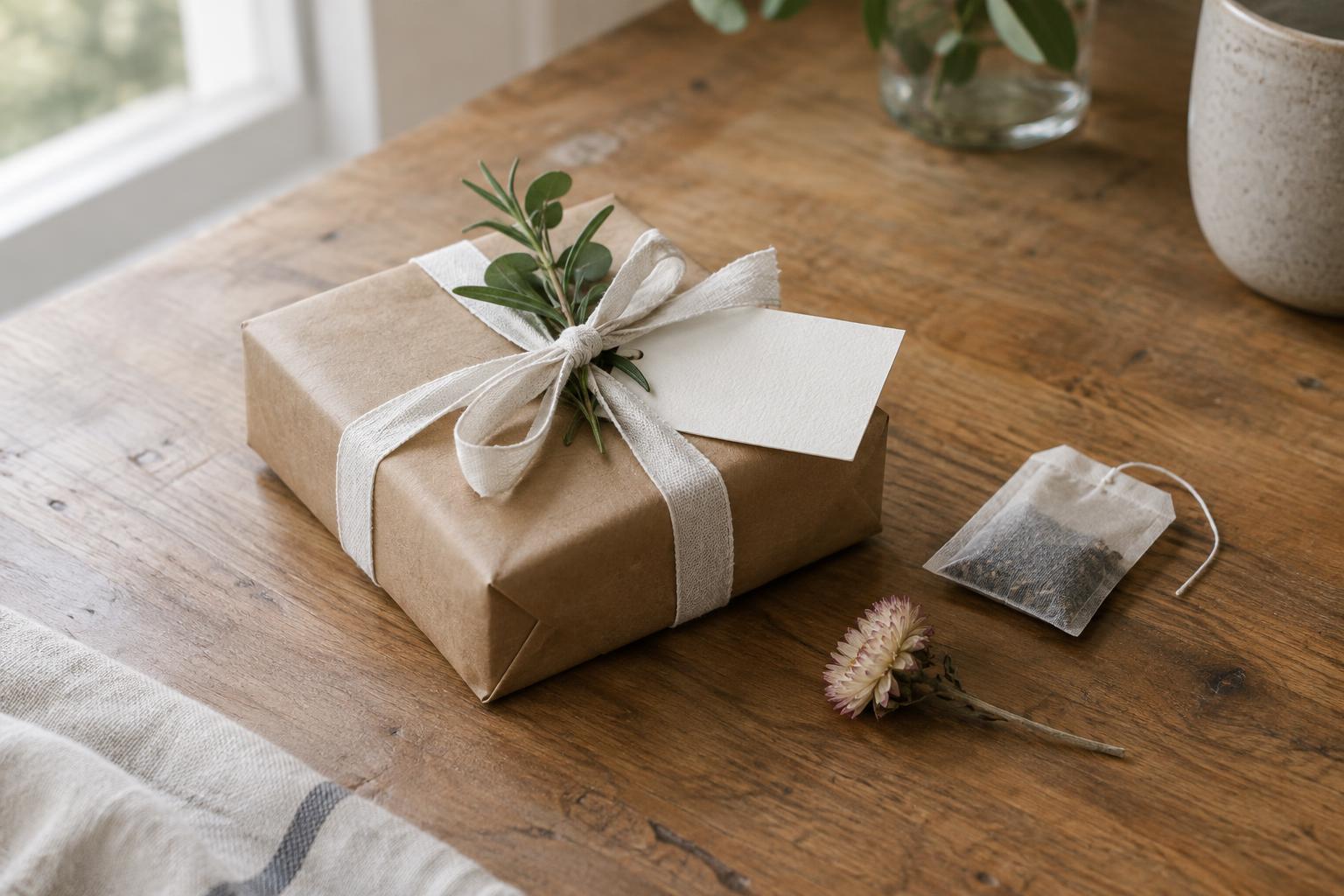
Wrapping need not be elaborate to feel personal. Reuse a clean paper bag, a piece of fabric, or plain paper, then add one deliberate touch: a hand-lettered name, a pressed leaf, or a ribbon saved from another occasion. If the recipient dislikes excess packaging, a simple reusable bag or an unwrapped gift with a tag may be the more considerate choice.
The order in which someone encounters the gift can matter, too. Put your note on top so they read it before seeing the item. For a few small objects, label each with a brief reason it belongs in the bundle. Keep the clues easy to understand; the pleasure comes from recognition, not from having to solve a puzzle.
Let the gesture fit your relationship
Personal does not have to mean intensely sentimental. For a close friend, you might recall a shared joke. For a colleague, you could mention a specific way they helped you. For someone you are still getting to know, a warm, straightforward note is enough. The right level of detail respects the relationship as it is, rather than asking the gift to stand for more.
When your budget is limited, resist the urge to apologize for it in the card. Focus instead on what you wanted to share. A gift feels personal when the recipient can see the care behind your choices: something suited to them, a few honest words, and a moment set aside to give it. None of those require spending more.