Ask what would make this week easier
The most useful care package begins with a question, not a shopping list. New parents may already have plenty of baby clothes but be short on quick lunches, clean dish towels, or a chance to run an errand. Send a brief message offering a few specific options: “Would groceries, ready-to-eat food, or household basics be most helpful this week?” A choice is often easier to answer than an open-ended offer.
Check before including food, especially if you do not know about allergies, dietary preferences, or available fridge space. If you are considering baby supplies, ask which brands and sizes the family uses. Parents may have good reasons for choosing particular products. It is also worth asking whether they would rather receive a package now or in a few weeks, when the first wave of help may have quieted down.
Build around everyday tasks
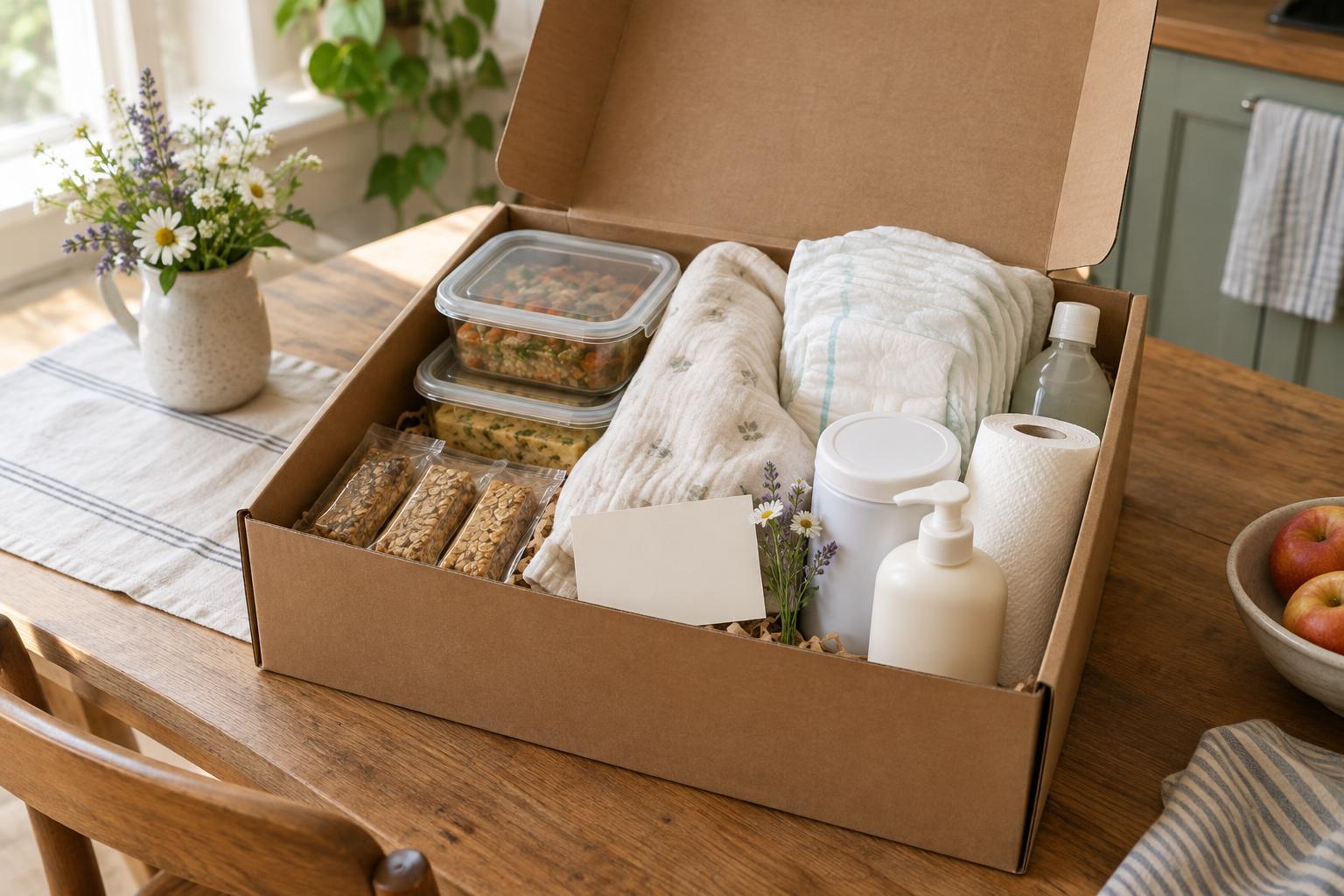
Think of the package as a small collection of things that remove decisions. Shelf-stable snacks that can be eaten with one hand, breakfast staples, tea or coffee they already enjoy, and a favorite treat can be welcome additions. For a local handoff, a meal that is ready to eat or easy to reheat may be helpful if the parents have confirmed they want it. Label homemade food with its contents and any simple heating or storage instructions.
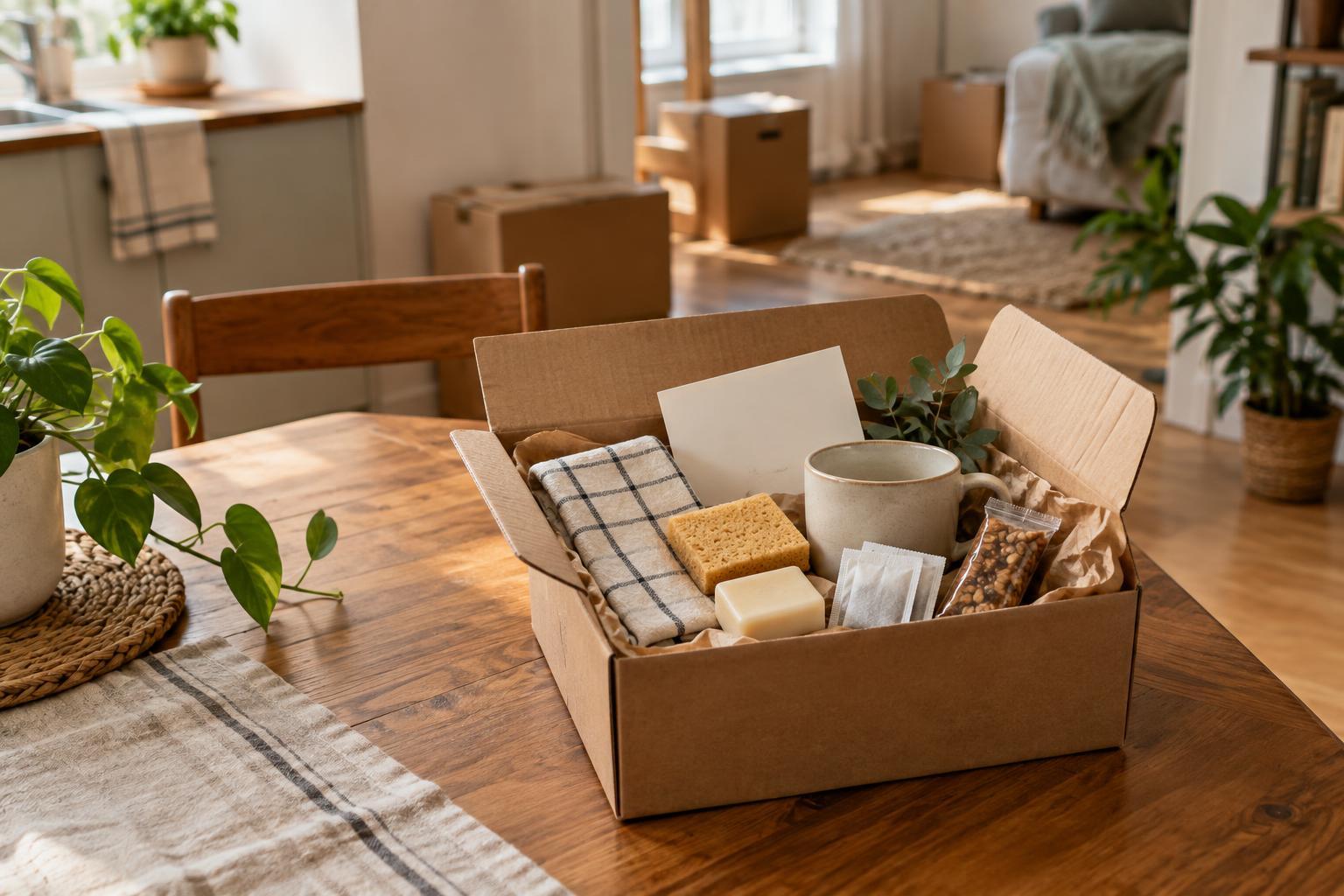
Household basics can be just as thoughtful as treats. Consider tissues, paper towels, hand soap, laundry detergent, or dish soap, but choose familiar versions when possible and skip strongly scented products unless you know they are welcome. Avoid filling the box with bulky items the family will need to store. A modest package of supplies they can use soon is often more helpful than a large assortment chosen for its appearance.
Include something for the parents
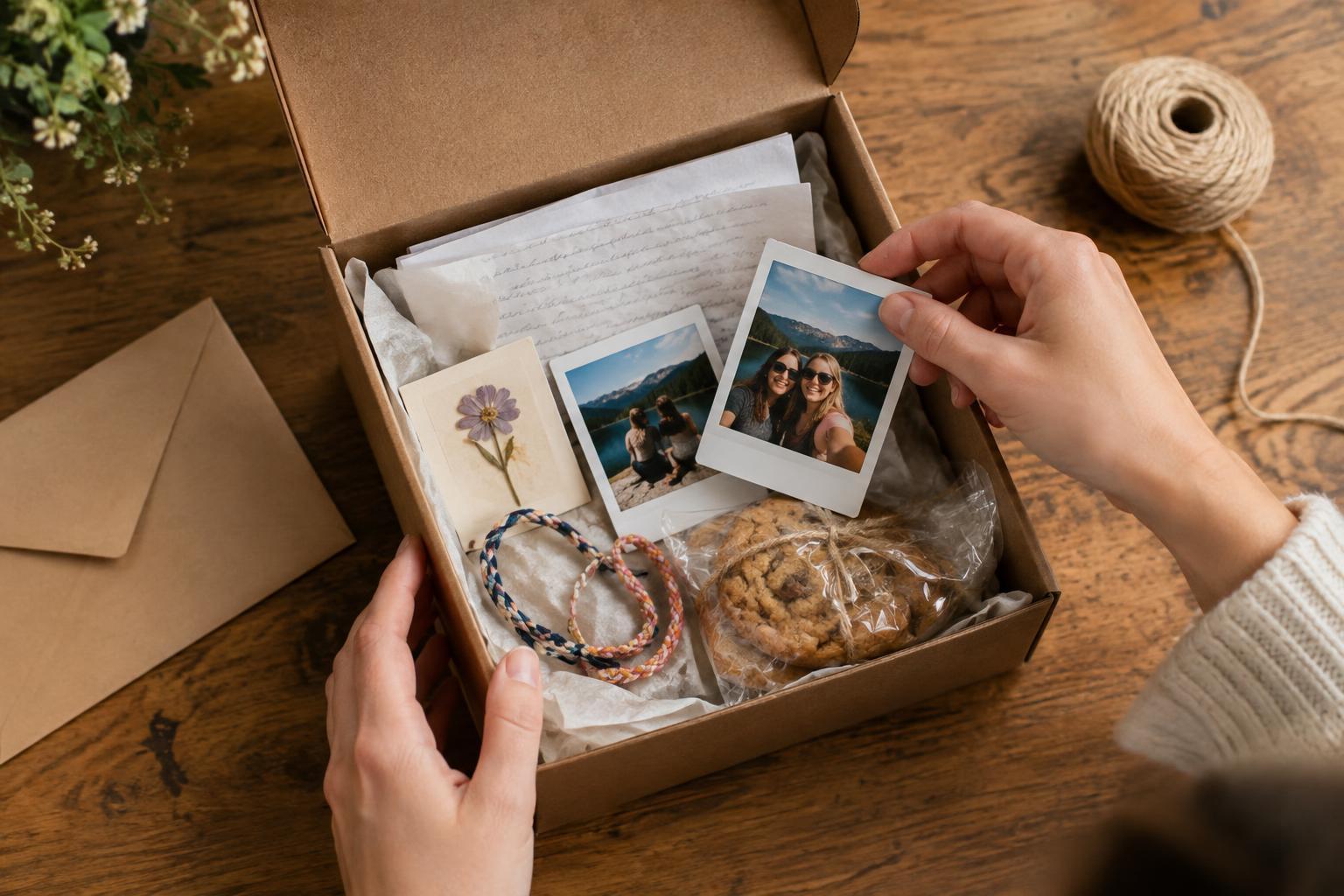
Baby gifts are lovely, but a care package can make the adults feel seen. Add a handwritten note that does not require a reply. You might say what you appreciate about them, wish them a gentle week, and make one concrete offer, such as picking up groceries or walking their dog. Keep the message warm without telling them how they ought to feel; early parenthood can hold many different emotions at once.
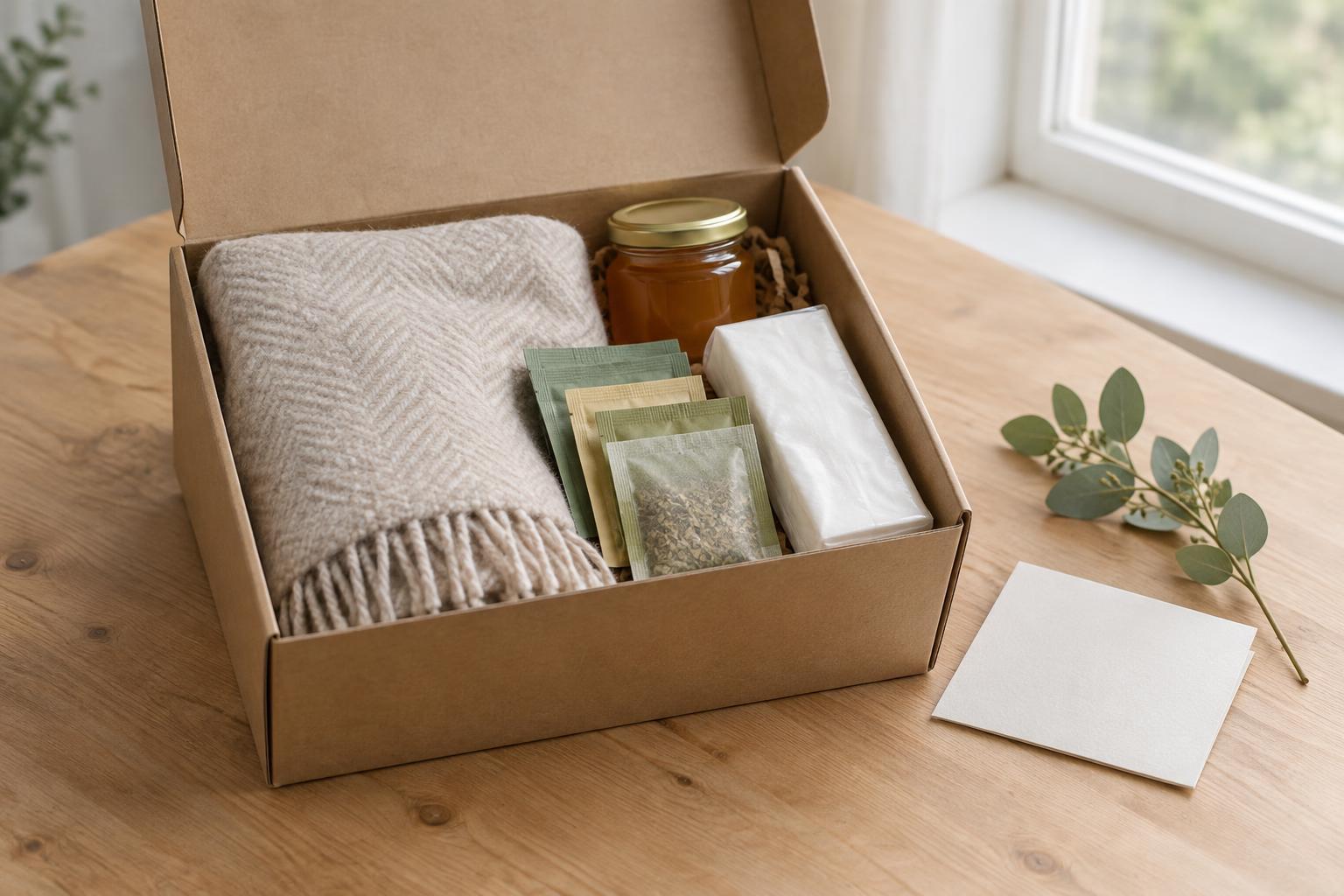
For a small personal touch, consider a puzzle book, a comfortable pair of socks, or a snack you know they like. A gift card for a place they already use can give them flexibility, though it is not necessary for a meaningful package. If you want to include something for the baby, keep it simple and age-appropriate. A board book with a short inscription, for example, can become a keepsake without adding another task for the parents.
Pack it for easy unpacking
Presentation matters most when it makes the contents easy to use. Group food separately from household products, protect anything that could leak, and place items needed soon near the top. A reusable bag, basket, or ordinary box is enough; elaborate wrapping can create extra cleanup. If you include several foods or small items, a short contents note helps the parents find what they need without sorting through everything.
Be cautious with anything perishable if the handoff time is uncertain. Do not leave a meal at the door unless you know someone can bring it inside promptly. If you are sending a package rather than delivering it yourself, favor sturdy, nonperishable items and check that containers are well sealed. The aim is a pleasant surprise, not a box that demands immediate attention.
Make delivery part of the gift
A considerate drop-off respects the family’s time and energy. Arrange a window in advance and ask whether they prefer a brief hello or a doorstep delivery. If they choose the doorstep, follow through without expecting an invitation inside. You can send a simple message once the package has arrived and leave them free to respond when they are ready.
Help can also be spread out. Instead of putting everything into one large package, you might deliver a few useful items now and offer another grocery run later. Whatever you choose, let the parents’ preferences guide the gesture. A good care package says, in practical terms, “I thought about what your day might be like, and I wanted to make one part of it easier.”