Start with the person, not the gift category
Practical and sentimental gifts meet different needs, but neither is automatically more thoughtful. A practical gift might solve a small, recurring problem or make a routine more pleasant. A sentimental gift might mark a shared memory, express appreciation, or give someone something to revisit. Both say, “I paid attention,” when they reflect what the recipient actually values.
Before choosing, picture how the person responds to gifts. Do they enjoy using something immediately, or do they save cards and mementos? Have they mentioned an item they need, a hobby they are pursuing, or a memory they love retelling? Those clues are more reliable than a broad rule about what people “should” receive. If you are unsure, think about what they have kept, used, or talked about after previous celebrations.
Know when useful is the more personal choice
A practical gift can feel especially considerate during a busy period, after a move, or when someone is settling into a new routine. It may be something as simple as a sturdy notebook for a person who makes lists, a container for a friend who carries lunch, or supplies for a pastime they already enjoy. The key is specificity: choose for their habits and preferences, not for an imagined version of their life.
Be cautious with gifts that imply the recipient needs to change. An organizational tool, for example, may delight someone who has asked for one but feel like a criticism to someone who has not. It also helps to avoid creating extra work. An item that needs complicated upkeep or takes up scarce space may be less welcome than a modest gift that slips easily into daily use.
If a requested gift seems unromantic, resist the urge to replace it with a surprise just to make the moment feel grander. Remembering the exact color, size, or style they wanted can be its own form of attentiveness. A short note explaining why you chose it adds warmth without getting in the way of its usefulness.
Choose sentiment when the meaning is the gift
Sentimental gifts are often a good fit for milestones, farewells, reunions, and quiet moments of gratitude. They do not have to be elaborate. A printed photograph with a few lines about the day, a handwritten account of a favorite shared memory, or a small collection of recipes associated with family gatherings can carry meaning because the details are recognizable to the recipient.
The strongest sentimental ideas leave room for the other person’s feelings. An inside joke may make sense to a close friend but not to a newer acquaintance. A memory you treasure may be complicated for someone else. When in doubt, keep the message gentle and specific: describe what you appreciate about them or recall a moment you both seemed to enjoy. You need not make a sweeping statement to make someone feel seen.
Consider whether the keepsake will be comfortable to display or store. A letter tucked into a book can be just as meaningful as a framed object, and it lets the recipient decide when to read it again.
Let the occasion and relationship guide the balance
Ask yourself what the gift is meant to do. Is it meant to help, celebrate, comfort, thank, or simply say hello? For a friend with a specific need, usefulness may lead. For an anniversary or shared milestone, meaning may matter more. For someone you do not know well, a modest, adaptable gift paired with a sincere card may be safer than a highly personal keepsake or an item that depends on guessing their tastes.
Budget also matters. A meaningful gift need not be expensive, and a practical gift need not be large. Set an amount that feels comfortable, then focus on fit rather than trying to make the two approaches equally impressive. If several people are giving gifts, coordinating can prevent duplicates and make a useful contribution feel more intentional.
Combine both approaches when neither feels quite right
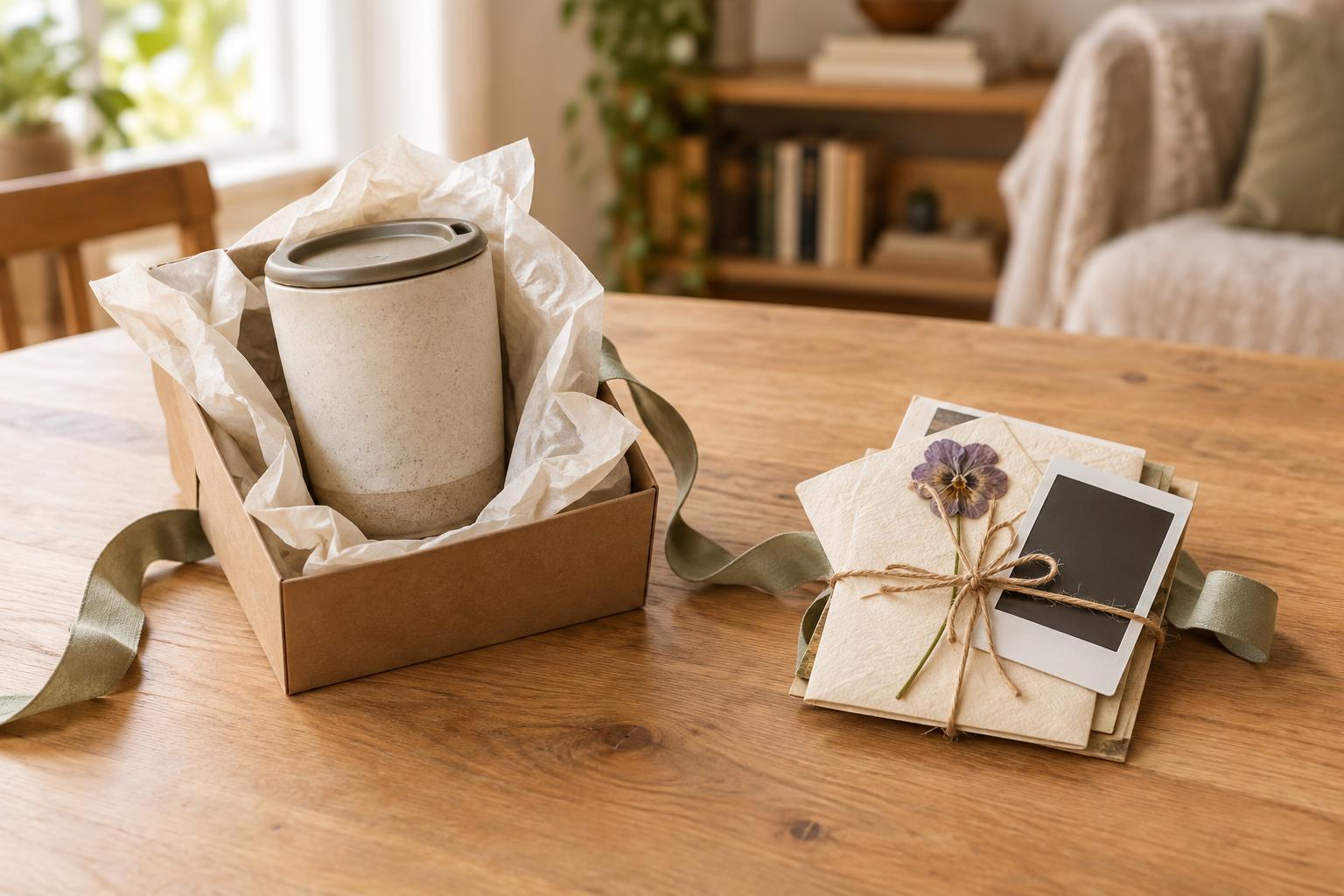
You do not always have to choose one side. Pair a useful item with a note about why it reminded you of the person. Add a favorite recipe to a set of kitchen supplies, or tuck a photograph inside a notebook they will use. A small personal detail can turn an everyday object into a reminder of your connection, while a useful element can keep a sentimental gift from feeling too precious to touch.
For a final check, imagine the recipient opening the gift and then encountering it a month later. Will it fit into their life, or will it bring back a feeling they would welcome? If the answer to either question is yes, you are likely on the right track. Thoughtfulness is not a contest between usefulness and sentiment; it is the care you take in deciding which one this person would appreciate now.