What part of the hobby excites them?
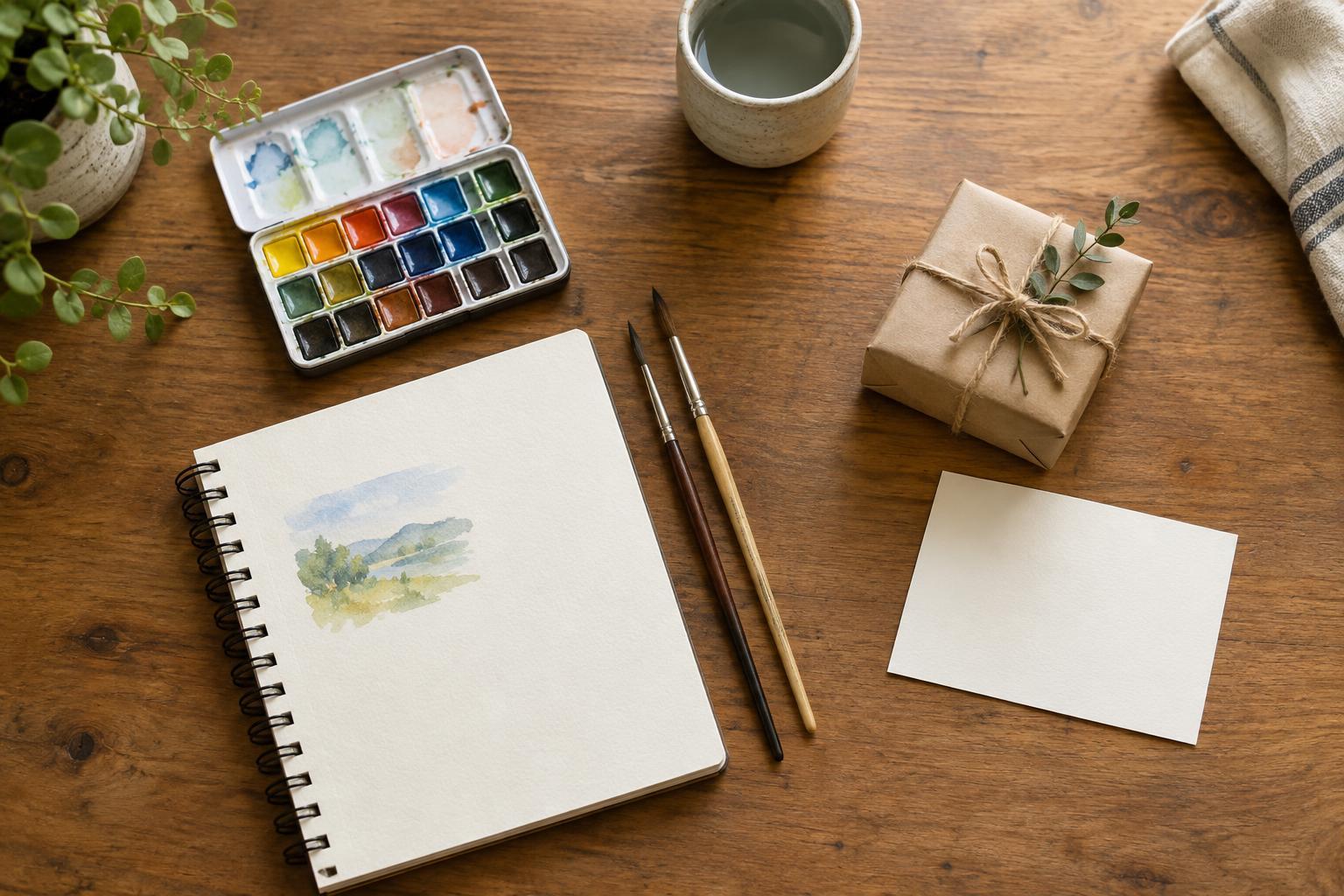
“They’ve started painting” is a helpful clue, but it leaves a lot open. Are they enjoying quiet time with watercolours, experimenting with bold acrylic colours or sketching scenes on their commute? Before you shop, listen for the part they talk about most. Ask what they made recently, what they want to try next or what drew them to the hobby in the first place. Their answers may point to a thoughtful gift without requiring you to master the subject yourself.
Pay attention to whether they are exploring or settling into a routine. Someone trying a different craft every month may appreciate a small, flexible gift more than a large set of specialised tools. Someone who keeps returning to the same activity might enjoy a well-chosen addition to it. A gift that supports what they already find rewarding is often more welcome than one based on what you imagine the hobby ought to become.
What do they already have, and what do they actually need?
Beginners do not always need another beginner kit. They may have received one already, borrowed equipment or discovered that a few favourite supplies suit them better than a packed box. If you can ask directly, try “Is there anything you keep running out of?” or “Have you found a tool you wish you had?” These questions invite useful details while leaving the eventual gift a surprise.
If you would rather be discreet, ask someone who shares the hobby with them, or choose a low-risk complement instead of the main equipment. A notebook for recording recipes, a folder for loose sketches or a sturdy bag for carrying supplies can be useful without duplicating a specialised item. Check sizes and compatibility before buying accessories: a case, refill or attachment is only a good gift if it fits what the person owns.
How much room, time and attention can they give it?
A generous gift can become a burden if it needs a permanent work surface, careful storage or a long stretch of uninterrupted time. Think about where the recipient enjoys their hobby. Do they work at a kitchen table, pack everything away after each session or take projects along when they travel? Compact supplies, a tidy storage solution or materials for one manageable project may fit their life better than an elaborate setup.
Time matters too. A kit with dozens of steps can feel exciting to one person and like an obligation to another. Ask whether they prefer short sessions or ambitious projects. If you are considering an experience, check how easily it can fit their schedule and whether they would enjoy going alone or with company. The aim is to make it easier to return to the hobby, not to create a task with a deadline.
Do they enjoy choosing their own tools?
Some hobbyists love researching materials almost as much as using them. They may have strong preferences about the feel of a pen, the weight of yarn or the type of gardening tool they hold. In those cases, guessing at a major purchase can miss the mark even when your intentions are excellent. Asking for a wish list is not unthoughtful; it shows that you respect what they have learned about their interests.
You can still make a requested gift feel personal. Pair a chosen item with a handwritten note about a project they told you about, or wrap it with a small, relevant extra they can use right away. Another option is to offer to visit a local shop together so they can choose for themselves. The shared outing and your interest in their hobby may be as memorable as the item they bring home.
Would encouragement mean more than equipment?
A new hobby often involves being willing to make imperfect first attempts. Consider whether the person would appreciate something that recognises the pleasure of learning rather than measuring progress. A simple album for photographs of finished projects, a box for early creations or a card describing what you admire about their curiosity can make room for the story behind the hobby. Keep the message specific and warm, without putting pressure on them to become an expert.
Before making your final choice, ask one last question: will this gift help them enjoy their next session? If the answer is unclear, keep it small and flexible. A thoughtful note, a modest supply they have mentioned or time spent trying the activity together can all say, “I’m paying attention.” That is a strong foundation for a gift, whatever direction their new interest takes.