Let their plans guide the gift
Downsizing can mean moving to a smaller home, clearing out possessions or simply becoming more selective about what stays. In any of those situations, a gift that feels generous to the giver may feel like another decision for the recipient. The best starting point is curiosity rather than a search for the smallest possible object.
If you are close enough to ask, try a simple question: “Would you prefer something to use up, something to do together or no physical gift this year?” That gives the person room to be honest without having to reject a specific idea. If they are moving, wait until you know what their new space and routines are like before buying household items. A beautiful vase is only useful if they want a vase and have somewhere to put it.
Choose pleasures with a natural end
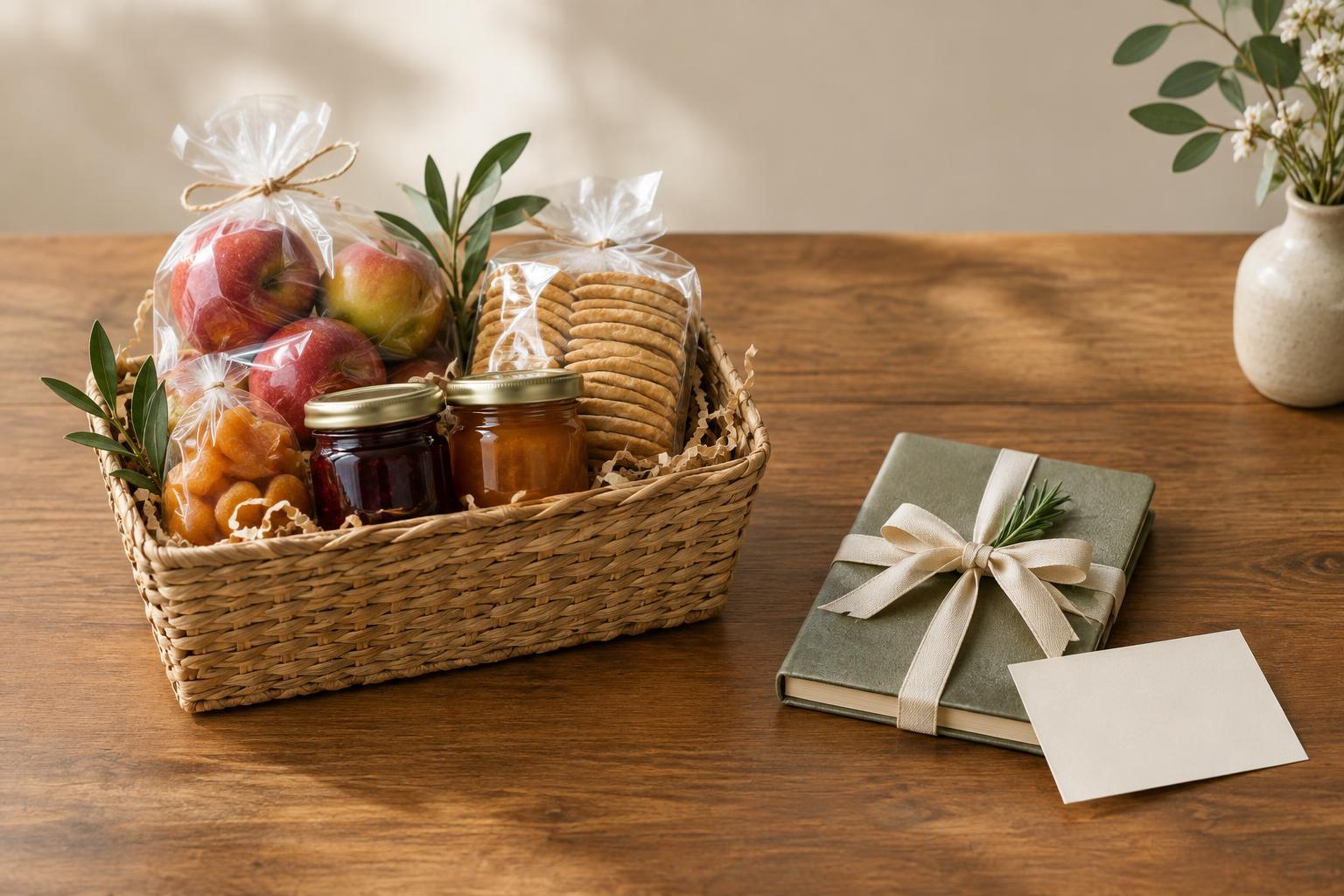
Consumable gifts can offer the delight of opening a present without creating a long-term storage problem. Think of a small selection of favorite tea, coffee, preserves or baking ingredients, chosen with their tastes and dietary needs in mind. A modest amount is often kinder than a large hamper that must be stored or finished quickly. If food is uncertain, flowers or another short-lived treat may suit them better, provided they would enjoy looking after it.
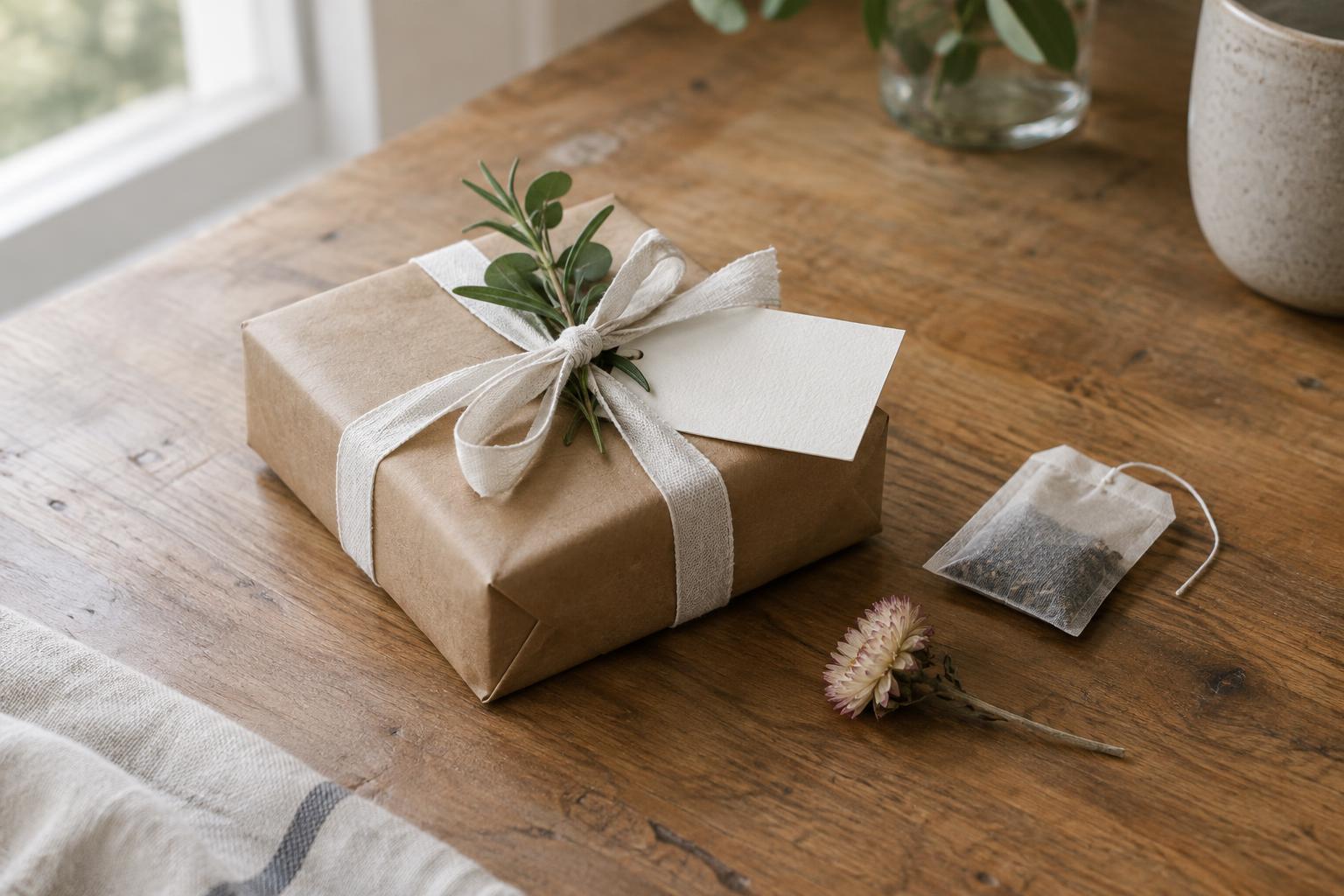
Presentation can make a small gift feel considered. Wrap one favorite item neatly, add a handwritten note explaining why it reminded you of them and avoid bulky packaging they will need to dispose of. The attention is in the choice, not the quantity.
Offer time together without adding obligations
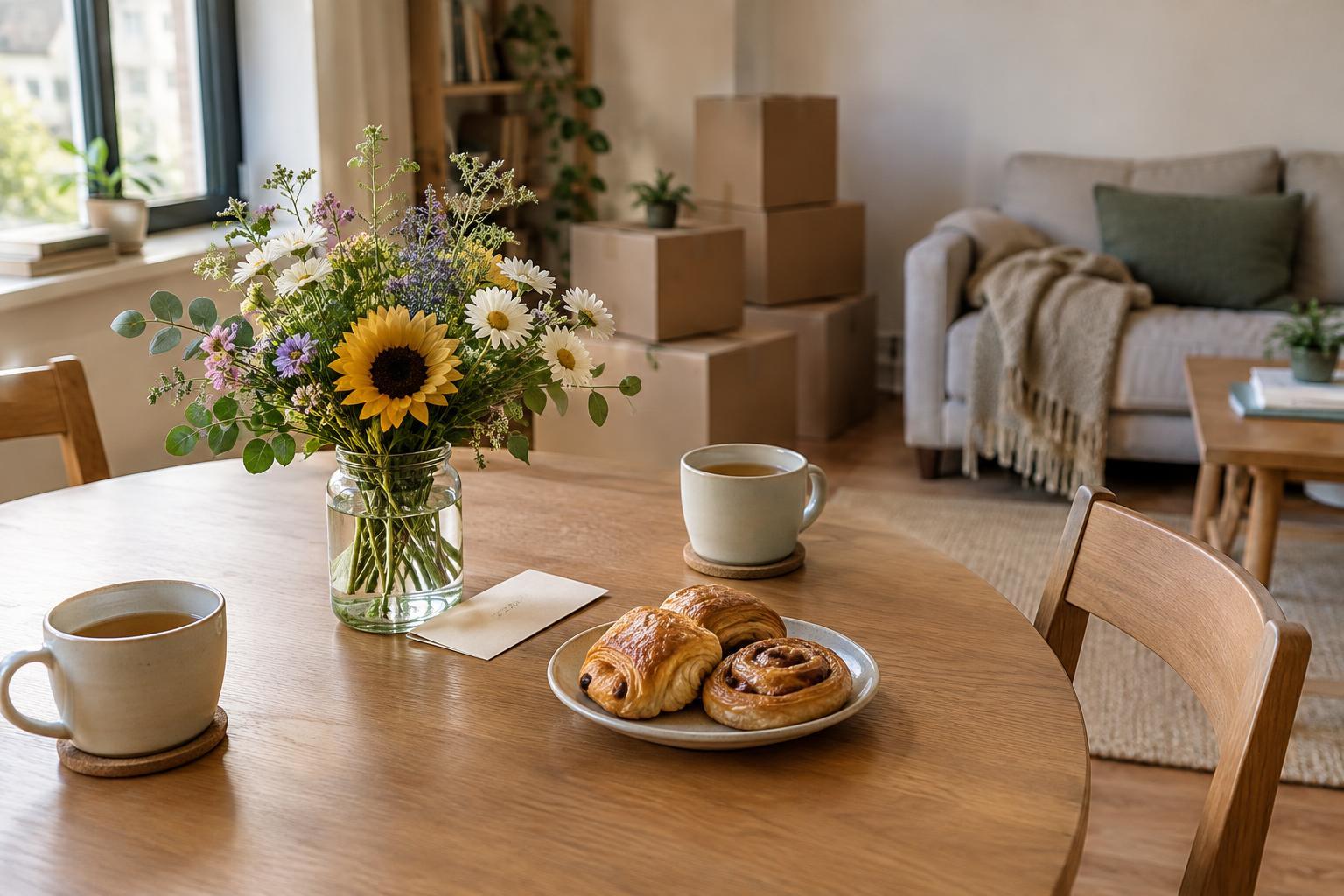
A shared experience can be especially welcome when possessions are no longer the point. You might invite them to lunch, plan a walk at a place they like or offer to cook a familiar meal together. Keep the invitation flexible: a fixed event, a long journey or a complicated booking can turn a present into work. Consider their energy, mobility, schedule and interests rather than assuming every outing will be a treat.
An offer of help can also be meaningful during a move, but make it specific and easy to decline. “I can bring lunch while you unpack on Saturday” is clearer than “Let me know if you need anything.” Do not make organizing or discarding their belongings the gift unless they have asked for that help. Their choices about what to keep deserve respect.
Make personal gifts light on space
Downsizing does not mean someone has stopped valuing memories. It may mean they want fewer objects that represent them well. A letter recalling a shared afternoon, a recipe written out in your own hand or a small print of a favorite photograph can carry more meaning than a decorative item selected at random. If you are considering a framed picture, album or other keepsake, check whether they have room and would welcome it.
Digital gifts are not automatically clutter-free. A playlist, scanned photograph collection or digital subscription may be lovely for someone who already uses that format, but it can create account management or technical chores for someone who does not. Choose the form that fits their habits, and keep any instructions brief.
Give them an easy way to say no
The most considerate gift may be one the recipient can accept without rearranging a shelf. Before buying, ask yourself where it will go, how it will be used and whether it calls for maintenance, storage or a return trip. Be particularly careful with plants, appliances and sentimental objects passed down from your own home: each can be wonderful when requested, but burdensome when it arrives as a surprise.
If the occasion calls for a gesture and you are unsure what they want, send a card with a specific invitation or a warm message. You can always say that there is no object to keep unless they would like one. That removes the pressure to make space while still marking the occasion. A good gift shows that you have noticed what matters to them now, including their wish for a little more room.