Start with the person, not the pen
It is tempting to treat a handwritten letter as the more personal choice by default. But a letter feels personal because of what you notice, remember and choose to say. Before reaching for stationery or opening a document, think about the person who will read it. Would they enjoy seeing your handwriting? Do they prefer clear, easy-to-read text? Are they likely to keep the letter, reread it on a difficult day or display it somewhere?
The occasion matters, too. A short thank-you after a kind gesture may feel right on a handwritten card. A longer letter to someone you have not seen in years might be easier to compose and read when typed. Neither choice needs an apology. The aim is to make your message welcoming to its reader and manageable for you to write.
When handwriting adds something special
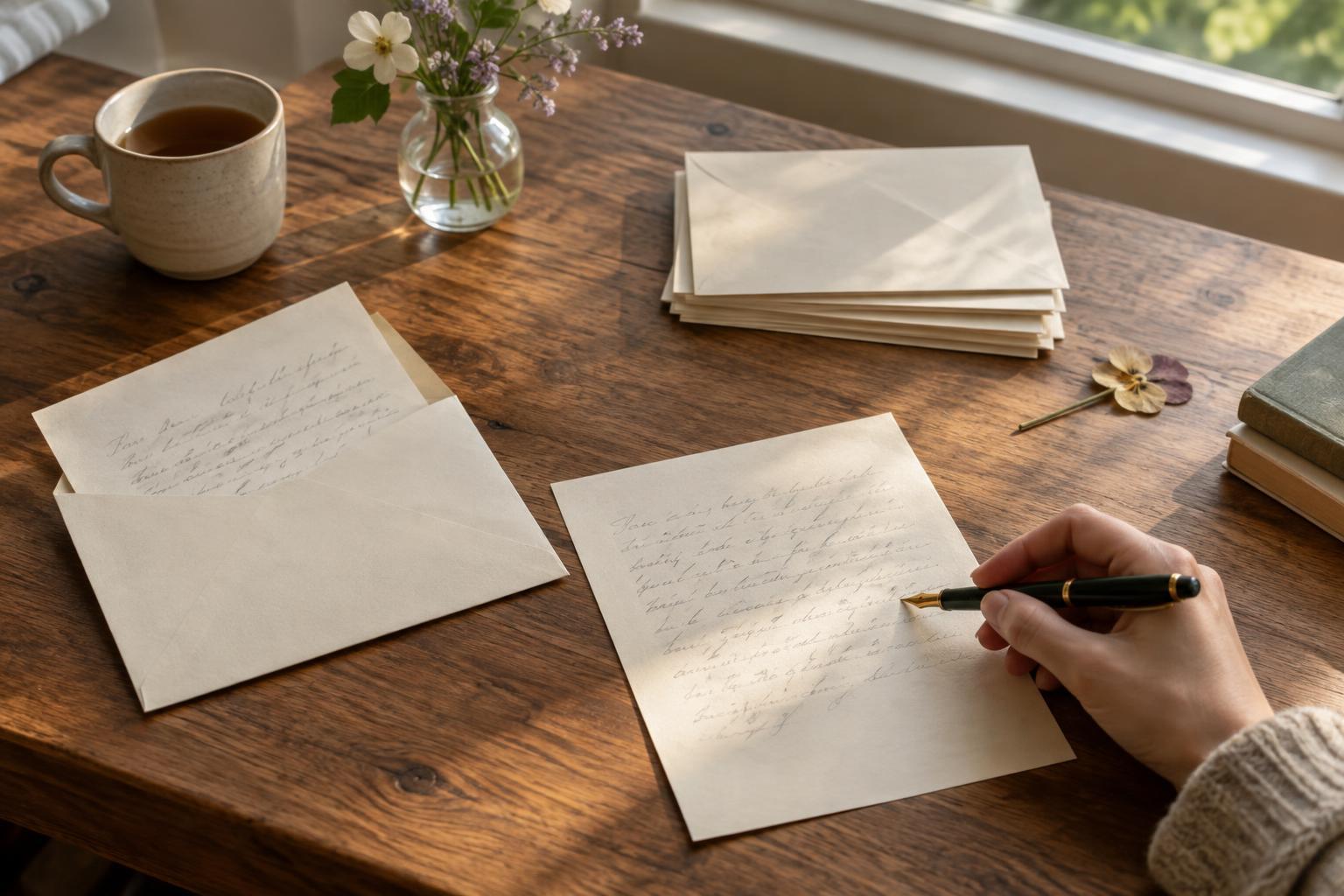
Handwriting can make a brief message feel unmistakably yours. The shape of your letters, a crossed-out word or a line squeezed in at the end shows that a real person spent time with the page. For a birthday note, an expression of gratitude or a letter to tuck into a keepsake box, that visible human touch can be part of the gift.
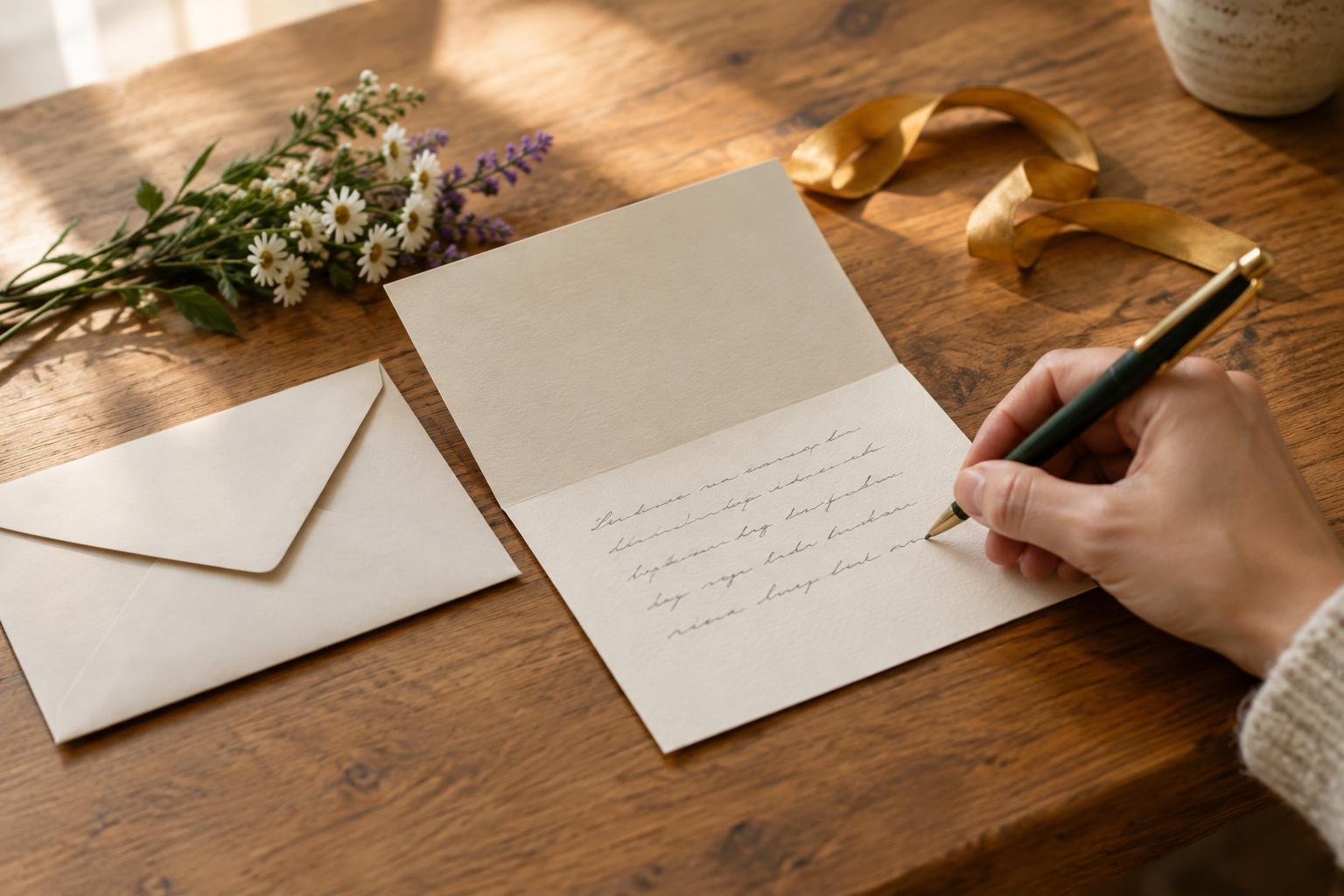
It also encourages brevity. If you are struggling to find the perfect words, a small card can give you a useful boundary: name one specific thing you appreciate, share one memory and offer a warm closing. You do not need elegant penmanship or expensive paper. A legible note on a simple sheet is enough. If writing by hand is painful or difficult, though, there is no reason to let the format stand between you and reaching out.
When typing helps the message shine
Typing is useful when you have a lot to say or need space to work out how to say it. You can move a paragraph, check a name and take a break before deciding what belongs in the final version. That flexibility can be especially helpful for a letter that shares complicated news, recalls several memories or needs a careful tone.
A typed letter can also be kinder to a reader who finds handwriting hard to decipher. Keep the layout comfortable: choose a readable typeface, leave room between paragraphs and avoid packing every inch of the page. To make it feel less like a form letter, write directly to the person, include details only the two of you would recognize and sign your name. If you print it, you might add a short handwritten line at the bottom, but the personal details in the body matter more than the flourish.
Try a combination if one format does not quite fit
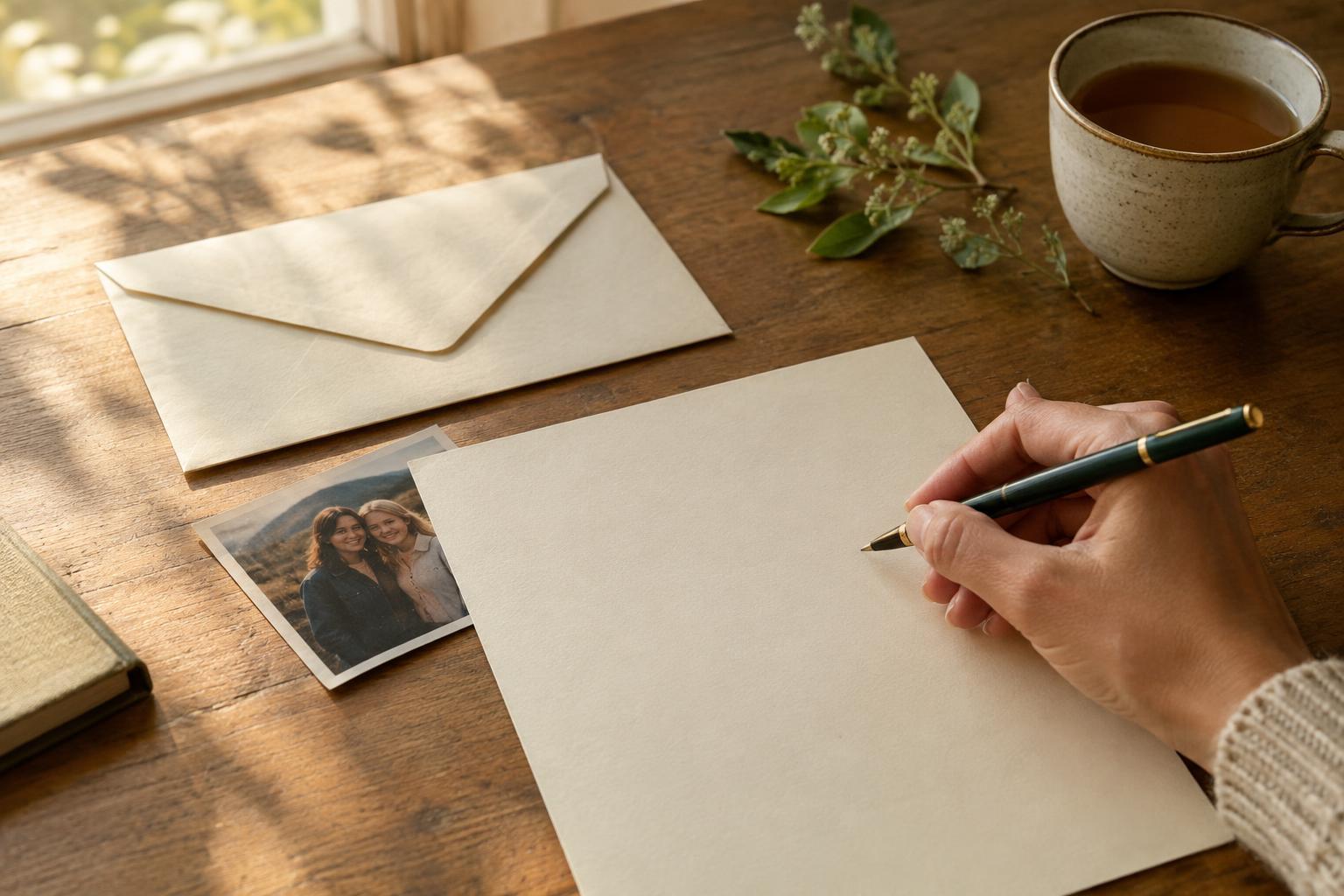
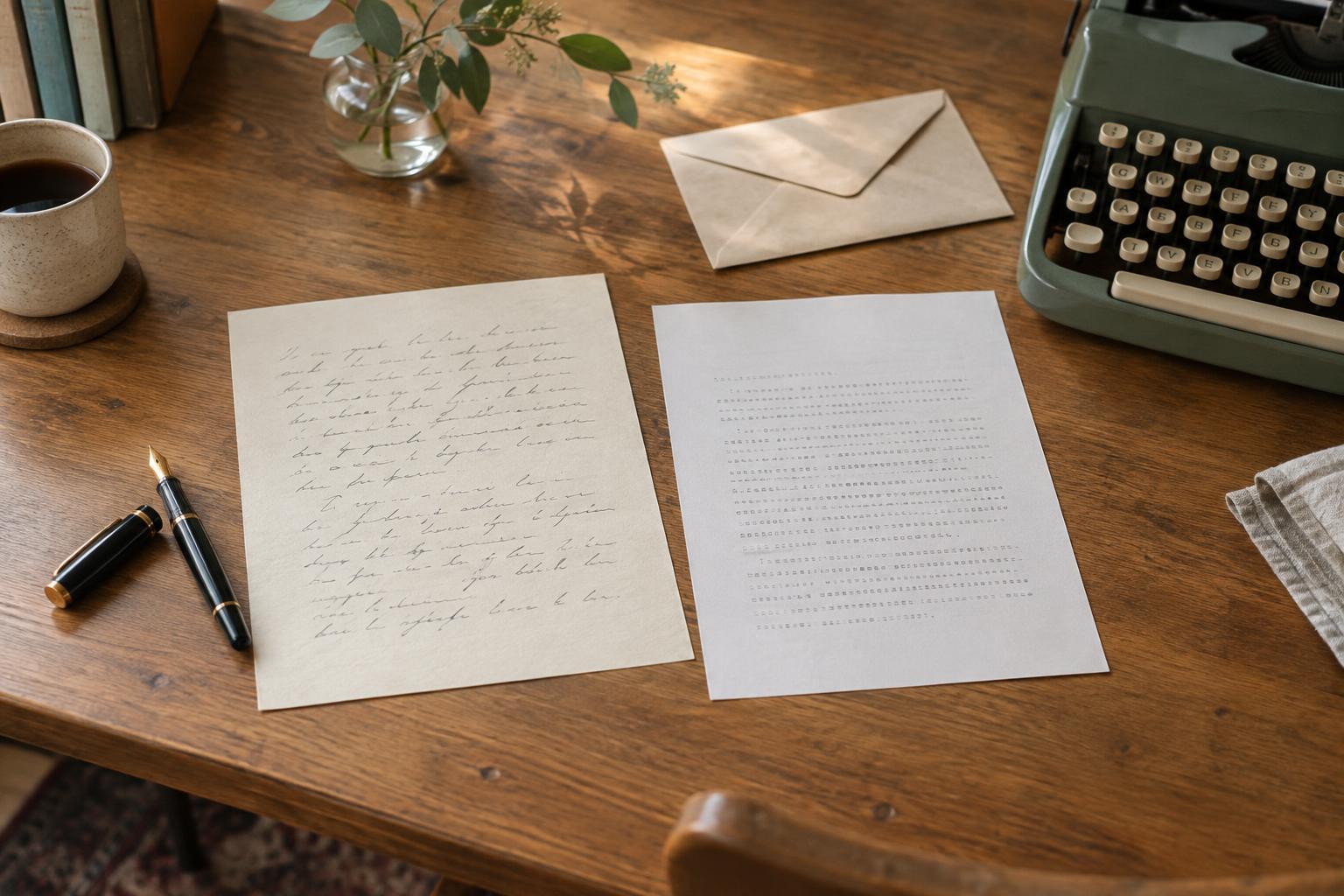
The choice does not have to be all or nothing. You could type a longer letter and handwrite its greeting and closing. You could include a handwritten card with a printed family recipe, or add a small note explaining why a particular photograph made you think of the recipient. These combinations work best when each piece has a purpose, rather than when extra touches are added simply to make the letter look elaborate.
You can also draft on a keyboard and copy the final version by hand. This gives you room to revise without turning the finished page into a test of improvisation. Conversely, if your best thoughts arrive while you are scribbling in a notebook, you can type them up afterward. Use whichever process helps you sound like yourself.
Choose the version you can send
If you are still undecided, ask three simple questions: How long is the message? How easy will it be for this person to read? What can I realistically finish? Your answers may point toward a handwritten card, a typed page or something in between. There is no need to match every letter to the same rule.
Before sending it, read the letter once from the recipient’s point of view. Check that it says why you thought of them, that any sensitive details are ones you are comfortable sharing on paper and that the closing feels natural. Then stop polishing. A thoughtful letter that reaches someone is more valuable than an imagined perfect version waiting in a drawer.