Begin with the moment, then make it theirs
A congratulations letter can start simply: name the occasion and say you are glad to celebrate it. Whether someone has graduated, finished a long project, moved into a new home or reached a quieter personal goal, they should not have to search for the reason you are writing. After that opening, add one detail that could only belong to them. You might mention when they first told you about the goal, a conversation along the way or something you noticed about their approach.
The detail does not need to be dramatic. If your friend kept practicing a skill despite a busy schedule, that steady effort may be more meaningful to mention than the final result. If you do not know much about the work behind the milestone, stay with what you do know. A sincere memory of their excitement is better than a confident guess about what the experience was like.
Recognize the person, not just the achievement
Public announcements often focus on outcomes: the award, the new role, the finished course. A letter gives you room to acknowledge a quality you value in the person. Perhaps they bring patience to difficult work, make other people feel included or remain curious when plans change. Connect that quality to something you have seen firsthand so the praise feels grounded rather than generic.
Be careful not to turn your congratulations into an assessment of whether they have succeeded enough. A milestone may bring relief, uncertainty or new responsibilities alongside happiness. You can celebrate without predicting that everything will be easy from now on. Phrases that express pride in their effort or happiness for this moment leave space for whatever they are feeling.
Write in a voice they will recognize
Match the tone to your relationship. A letter to a sibling might include a gentle joke or a shared memory; a note to a colleague may be warmer and more restrained. Neither needs elaborate language. Read a draft aloud and notice any sentence you would never say to this person. Replace it with a plainer version. The goal is not to sound impressive but to sound present.
A useful approach is to imagine the two of you talking after the celebration. What would you want them to hear from you before the conversation moved on? That thought can help you avoid stock phrases. It can also keep you from making the letter mainly about your own memories or sacrifices. A short personal story works best when it brings the focus back to them.
Give the letter a simple shape
If the blank page feels intimidating, use three parts. Open by naming the milestone and your reaction to it. In the middle, share one specific observation or memory and explain why it matters to you. Close with a wish for what comes next, without prescribing their next goal. For many occasions, a few thoughtful paragraphs are enough; length matters less than attention.
For example, a letter about a completed creative project could recall the first sketch you saw, acknowledge the care the person kept bringing to revisions, and end by saying you hope they have time to enjoy what they made. That shape works for other milestones too. Change the details rather than trying to make every occasion fit the same set of compliments. Before finishing, check that you have spelled names and particulars correctly.
Let the presentation support the message
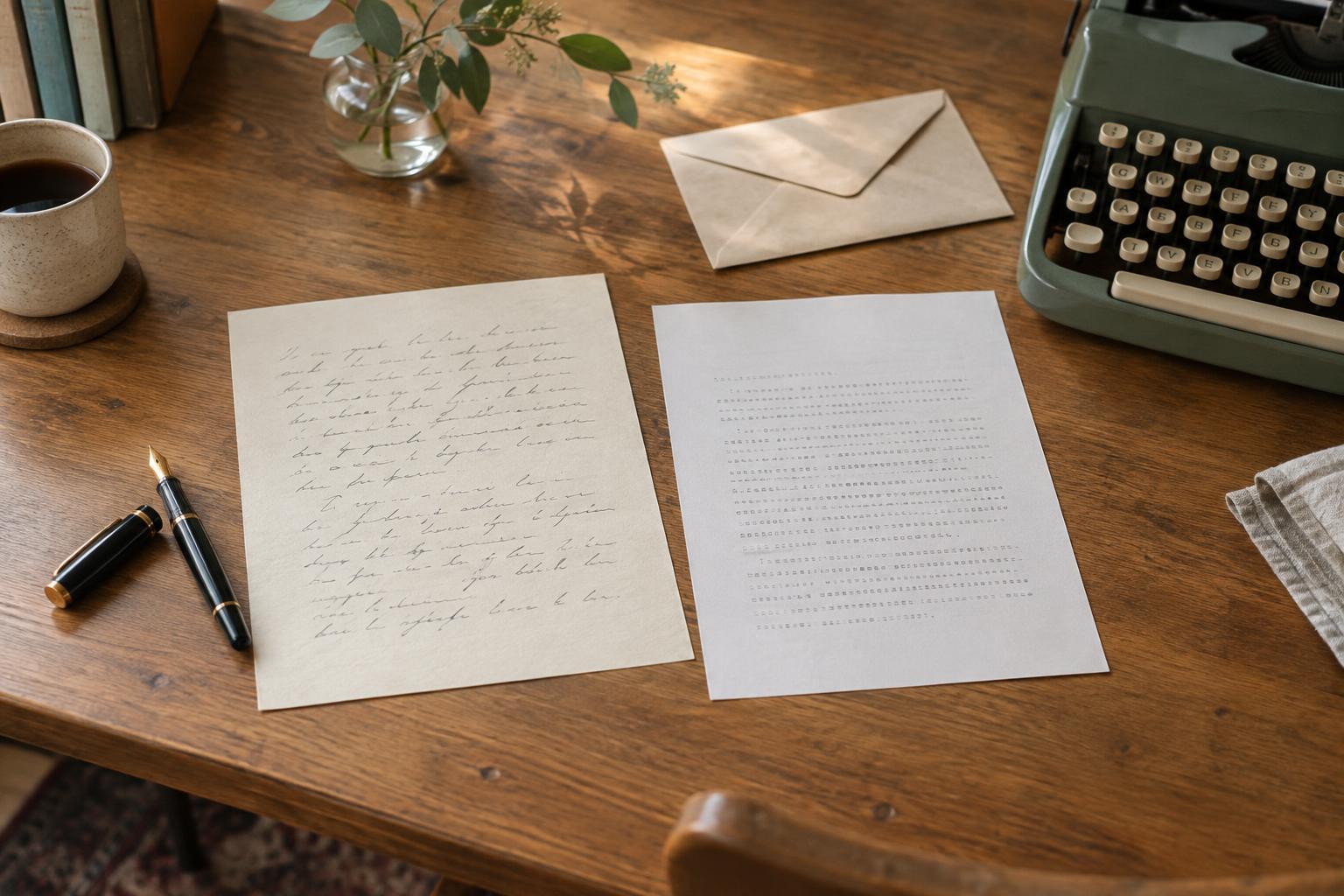
You do not need special stationery to make the letter feel considered. Choose paper that is comfortable to write on, leave enough space between lines and use an envelope if you want the recipient to have a private moment with it. A handwritten note can carry the familiar look of your handwriting, but a typed letter is just as thoughtful when it lets you express yourself clearly or makes the text easier to read.
Consider when the person is likely to receive it. A letter handed over at a busy gathering may be tucked away to read later; that is fine. If the milestone is sensitive or not yet widely shared, send the note privately rather than drawing attention to it in front of others. The lasting part is not the paper or the timing. It is the sense that you noticed what this moment means to them and took time to say so.