Start with a simple reason for writing
Reaching out to an old friend can feel harder the longer you have been out of touch. You may wonder whether they will remember your shared jokes, whether you should explain the silence, or whether a letter will seem too serious. You do not need to settle all of those questions before you begin. A good first aim is simply to let them know you thought of them and wanted to say hello.
Give your letter a natural starting point. Perhaps you found a photograph, heard a song you both liked, visited a familiar place, or remembered a conversation. If nothing specific prompted you, that is fine too. You can say that they crossed your mind and you wanted to see how they are. A plain opening usually feels more personal than an elaborate explanation for why you are writing now.
Acknowledge the gap without making it the whole letter
It can help to name the time that has passed, especially if pretending otherwise would feel awkward. Keep it brief and honest: you might say that it has been far too long, or that you have been meaning to write for a while. Then move on to what you want to share. You do not owe a complete account of every month you were absent.
If you missed a message or let a conversation lapse, a straightforward apology may be appropriate. Try not to turn it into a request for reassurance. Your friend should be free to feel however they feel about the gap. Acknowledging it once, without defending yourself or guessing at their reaction, gives the letter room to become a conversation rather than a case you need to argue.
Share a little of your life, then make space for theirs
A useful letter offers something your friend can respond to. Choose two or three details from your life rather than trying to summarize everything that has happened since you last spoke. You could mention a new routine, a small project, a place you have enjoyed, or something you have been learning. Ordinary details often provide easier openings for a reply than a list of major milestones.
Ask questions that invite an update without demanding one. How have you been spending your days? Are you still making time for that hobby you loved? If you know they were facing something difficult when you last spoke, be gentle about bringing it up; they may not want to revisit it in a first reply. You can express care without asking them to account for every change in their life.
Use the page to make it personal, not perfect
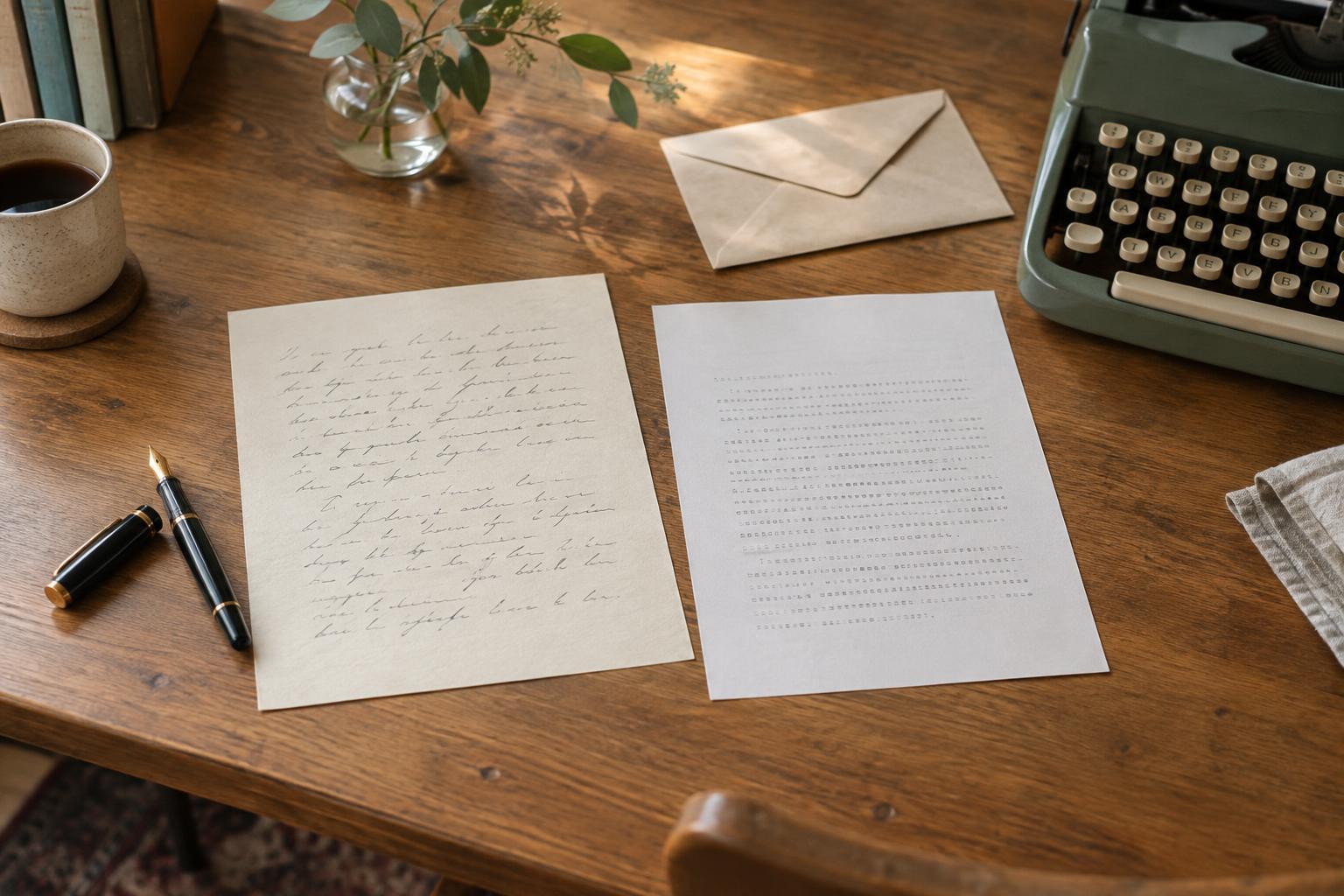
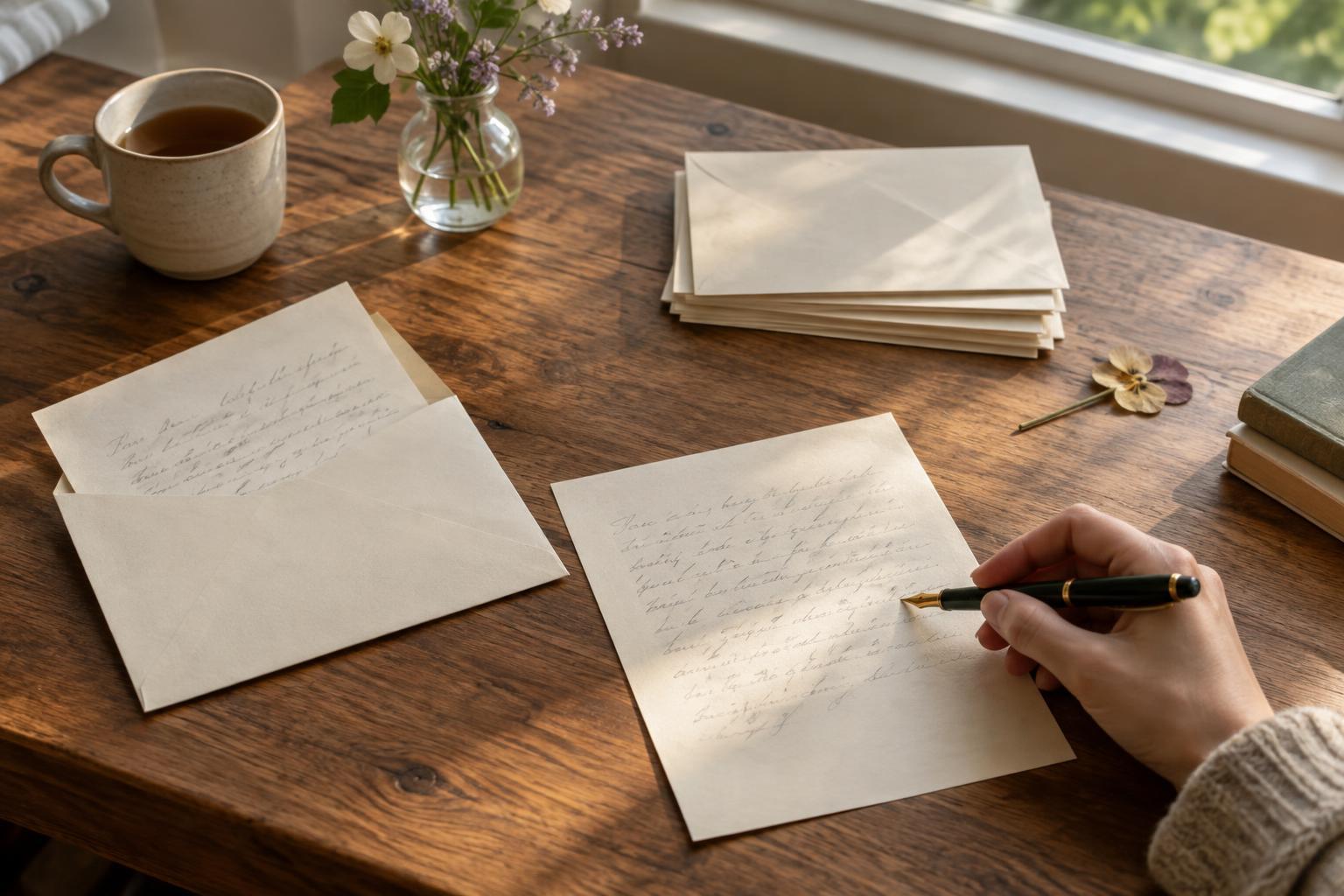
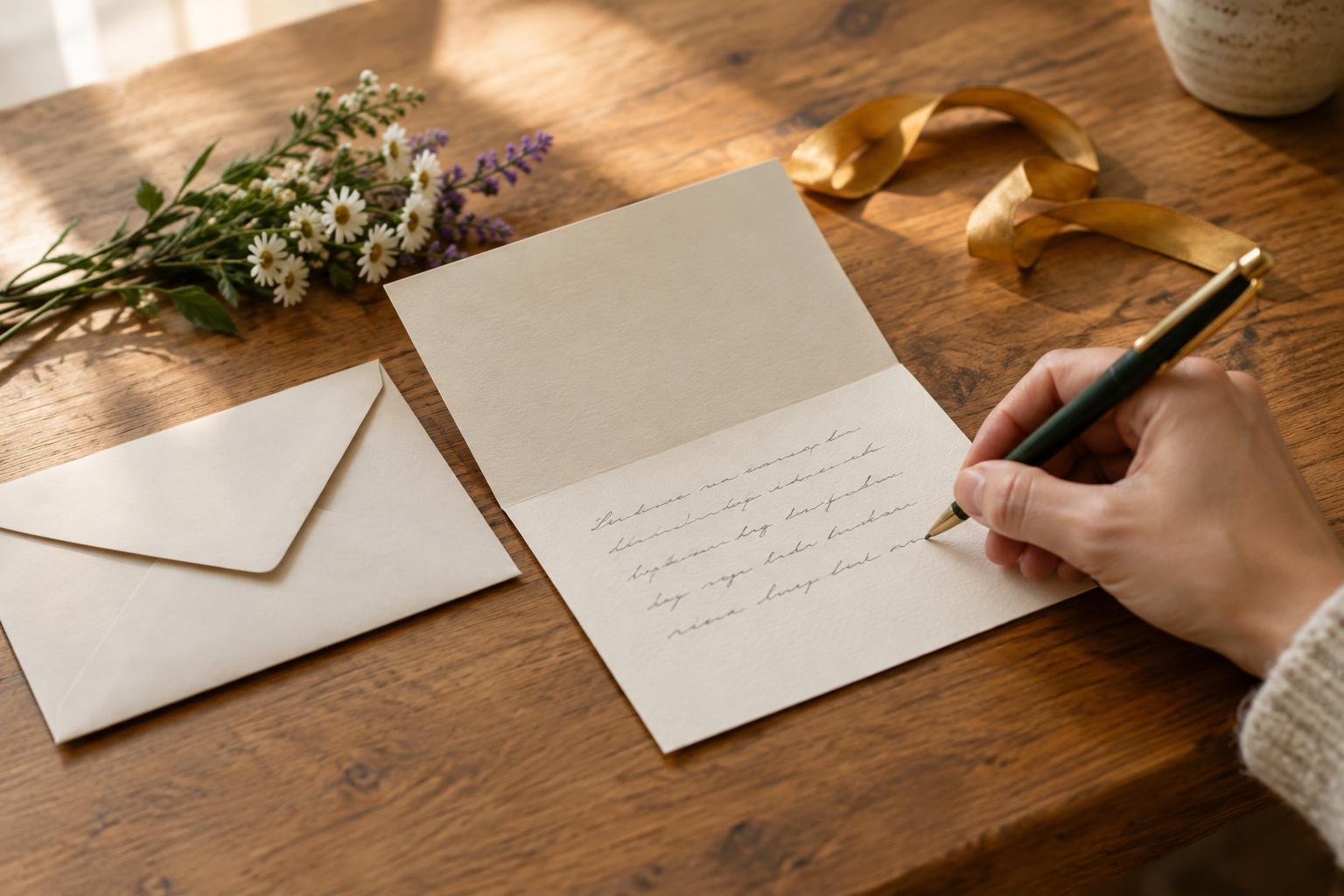
A handwritten note can suit this kind of reconnection because it gives you space to slow down and choose your words. A card is enough if a full letter feels daunting. Pick paper you are comfortable writing on, leave margins you can use, and draft on a spare sheet if that helps you begin. Neat handwriting is welcome, but a genuine message matters more than flawless presentation.
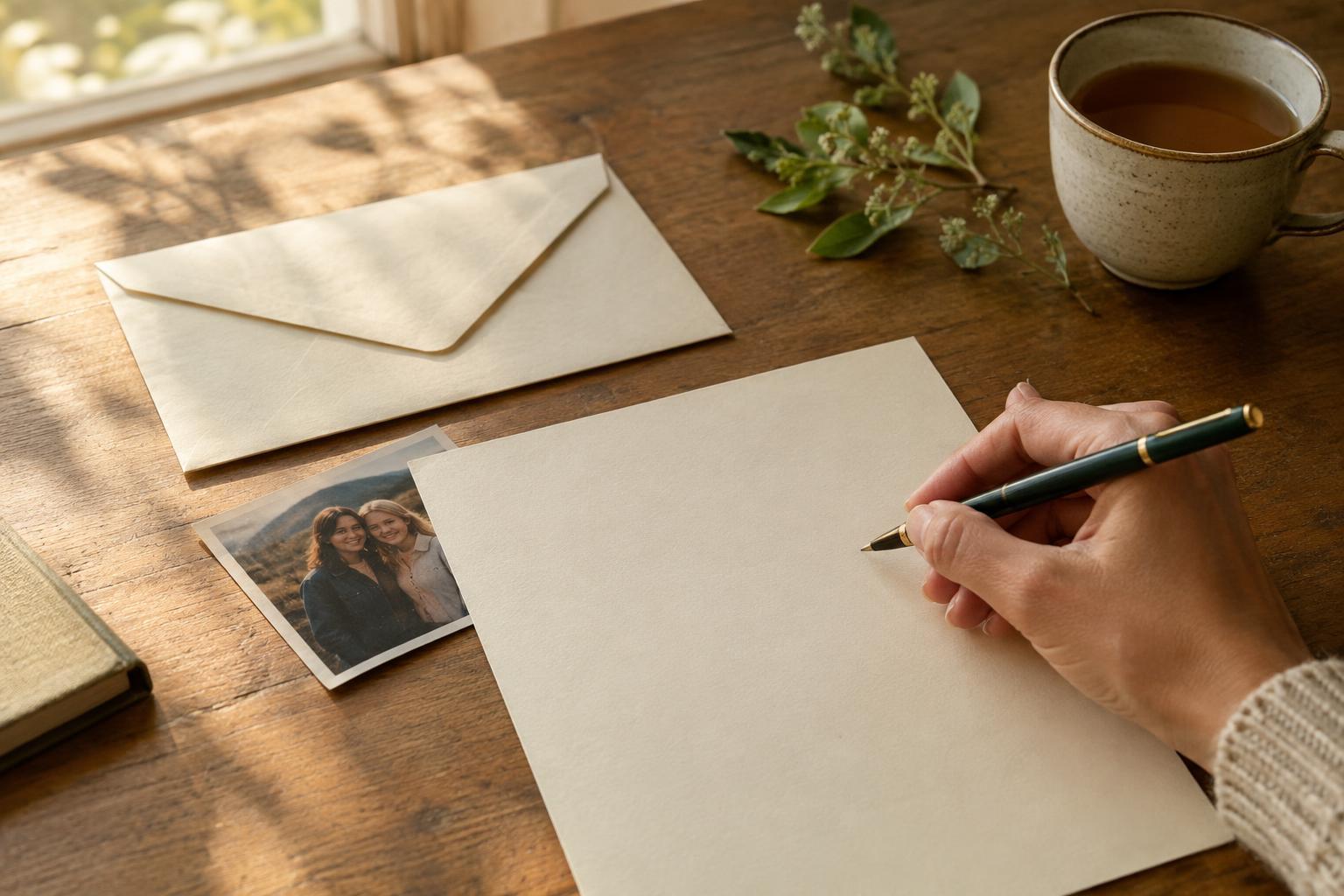
One shared memory can make the note feel unmistakably meant for this person. Choose a detail you both might enjoy remembering, such as a walk you took together or a tradition you invented. Avoid filling the page with private references if you have not spoken in years; give the friendship room to grow into the present. If you enclose a photograph or small paper keepsake, explain why it made you think of them.
Close with an invitation, not an obligation
End by telling your friend you would be glad to hear from them, while making it clear that a reply need not be immediate or lengthy. If you would like to meet or speak, offer that as an option rather than the point of the letter. Make sure your return address or preferred way to reach you is easy to find so responding does not become another task.
Before sending, read the note once for tone. Does it sound like you? Is there anything that asks your friend to manage your guilt, explain their silence, or promise to reconnect? You can soften those parts without losing your honesty. Then send the letter. Its job is not to restore an old friendship in a single exchange; it is to open a door and let your friend decide whether to step through.