Start with the rules, not the gift
Before buying or making anything, check your school’s handbook, family communications, or office guidance. Schools may have rules about gift value, cash, gift cards, food, or gifts from a whole class. Some teachers may also have personal preferences about accepting presents. A quick check helps you avoid putting a teacher in the awkward position of declining a well-meant gift.
If the guidance is unclear, ask the school office a general question rather than asking the teacher to approve a surprise intended for them. You can say that you are planning a small appreciation gesture and want to know what is permitted. If gifts are discouraged, a sincere note can still be a meaningful way to say thank you.
Make the message the heart of the gift
A specific thank-you often feels more personal than an object. Invite your child to describe something the teacher did that helped them: explaining a tricky idea in a new way, making room for questions, or helping the class feel welcome. Younger children might draw a picture and tell you what they want the caption to say. Keep the message genuine rather than asking for a polished performance.
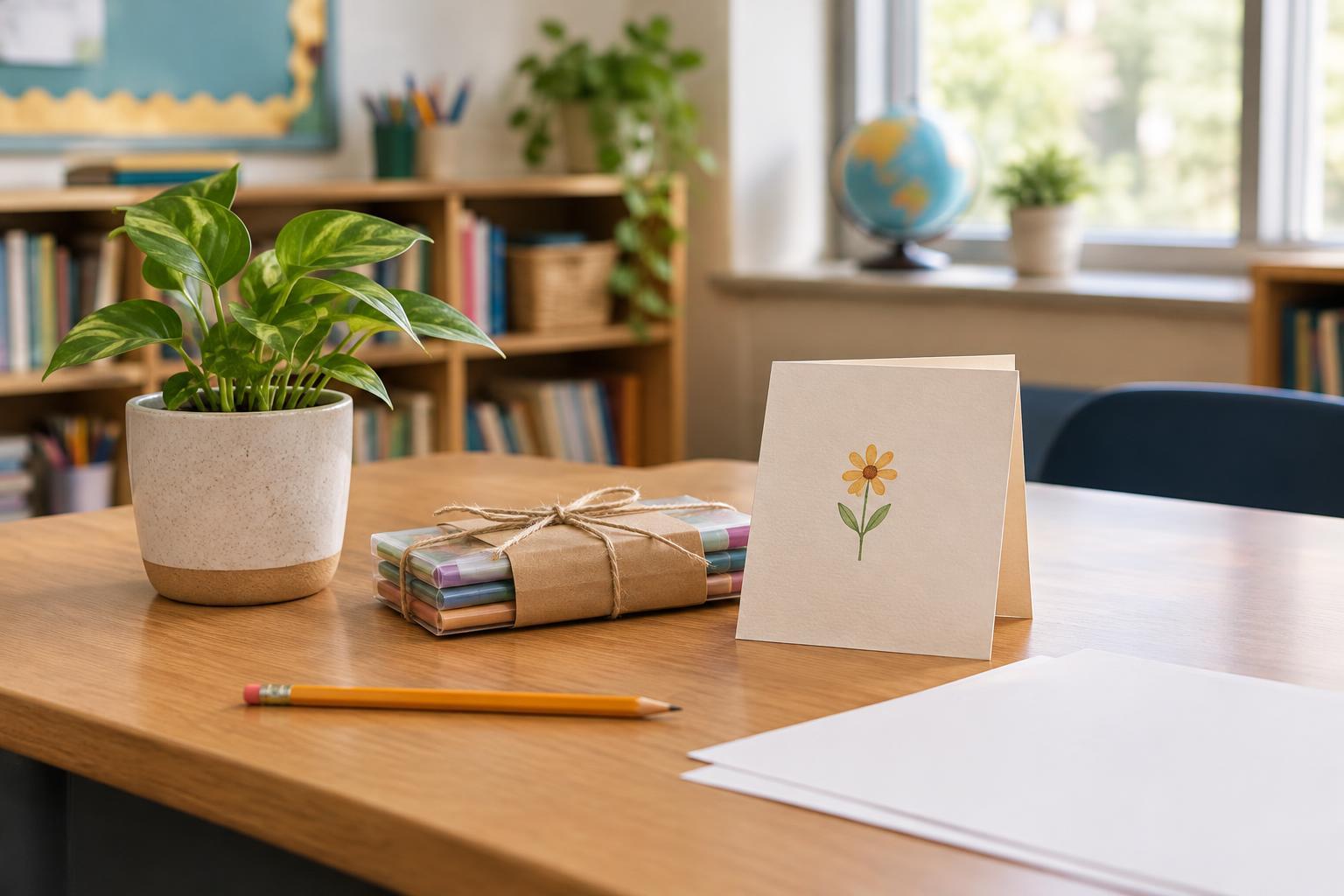
A card can stand on its own or accompany a modest gift if school rules allow one. Choose stationery your child enjoys using, and let them sign in their own style. Avoid including private details about other students or asking the teacher to respond. The aim is to offer appreciation, not add another task to their day.
Choose something useful without creating an obligation
If a physical gift is welcome, think small, simple, and easy to take home or use. A notebook, a set of blank cards, or an item from a teacher-provided classroom wish list may be more practical than a large decorative object. A wish list can clarify what would help the classroom, but it is not a request that any family must buy something.
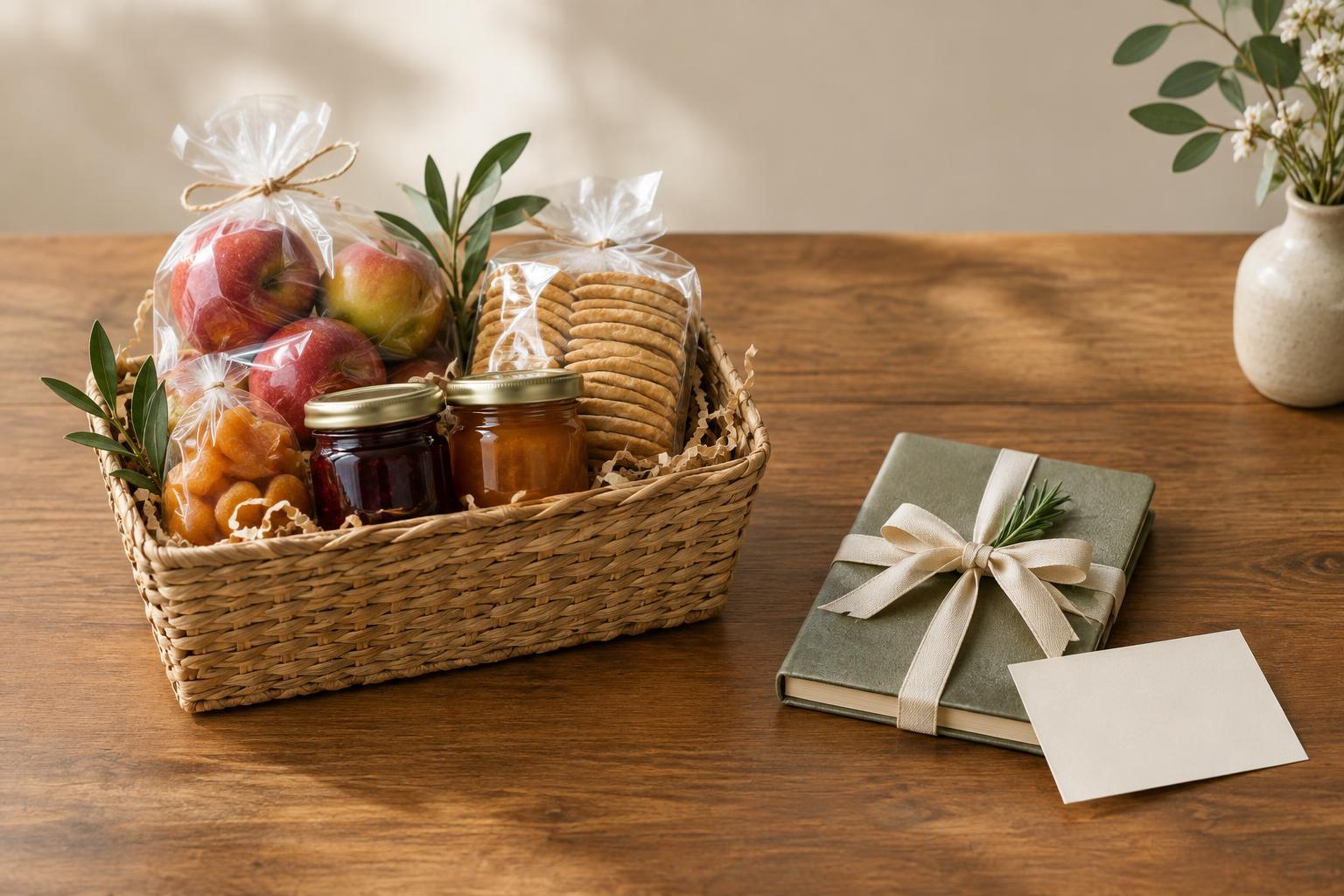
Be cautious with gifts that depend on taste, storage space, or dietary needs. Scented items, homemade food, and personalized décor may be lovely for one person and inconvenient for another. Gift cards can offer choice, but check whether they are allowed before purchasing one. When in doubt, a handwritten card is a safer choice than guessing.
Keep group gifts welcoming and pressure-free
A class gift can work well when several families want to take part, provided the school permits it. Make any contribution truly optional, and avoid suggesting a required amount. Families have different budgets and reasons for participating; nobody should have to explain why they are giving money, making a card instead, or sitting the project out.
For a shared card or booklet, offer more than one way to contribute, such as a short message, a drawing, or a memory from the year. Ask before including a student’s photo or personal information, and follow school guidance on sharing class materials. If you are coordinating the gift, keep the plan straightforward and communicate the deadline and delivery method without repeated reminders.
Present it with care and let the thanks be enough
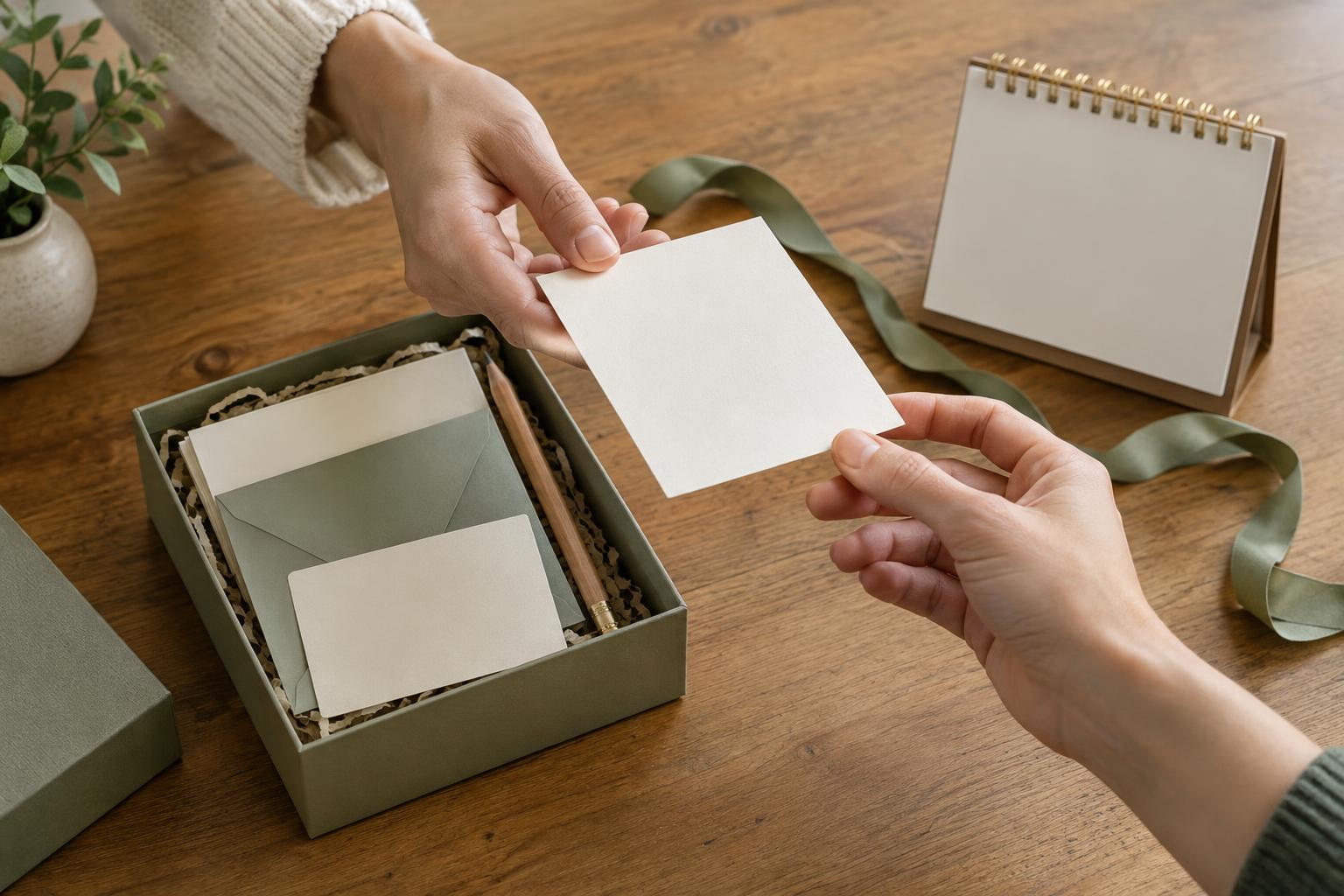
Neat presentation can make a modest gesture feel special. A simple envelope protects a letter, while reusable paper or a small bag keeps a permitted gift tidy. Label it clearly so it reaches the right teacher, particularly if it is being left with the school office. Check whether the school has a preferred time or method for passing gifts along.
There is no need for a public presentation or a photo of the teacher receiving it. A quiet handoff respects a busy school day and gives the recipient room to accept the gesture without an audience. Whatever you choose, keep the focus on gratitude rather than the price or size of the gift. The most considerate present is one the teacher can receive comfortably.