Start with the adults who know their everyday life
Before shopping, ask a parent or caregiver a few specific questions. “What are they enjoying lately?” is useful, but “Is there a book series, game or craft material they already have plenty of?” can reveal more. You can also ask whether there is a wish list, a current need or a category the household would rather avoid. Checking is especially helpful for popular toys that several relatives might choose.
If several people are giving gifts, a quick conversation can prevent overlap without spoiling the occasion. One person might give the main item while another supplies an accessory, or everyone might choose from different interests. Keep the exchange simple: caregivers need not inventory every possession for you. A few boundaries can leave plenty of room for a personal choice.
Look for the next step, not just the current favorite
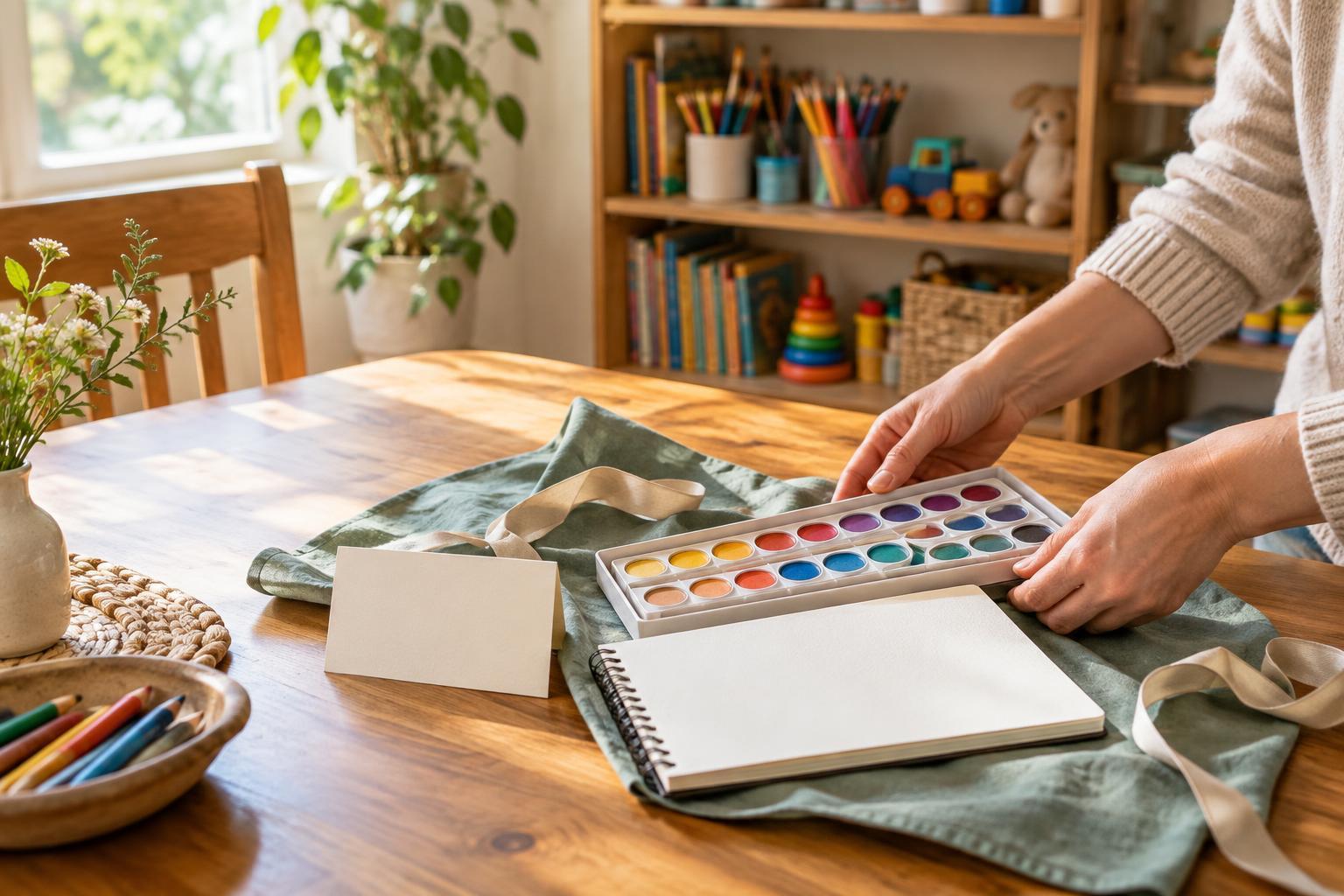
A child’s enthusiasm is a good starting point, but buying the most obvious item can lead to duplicates. If they love drawing, they may already own a large set of pencils. Paper in an interesting format, a sketchbook for outings or a folder for finished work may be more useful. A child who loves building might enjoy a way to display creations or a project to make alongside someone else.
Think about what the child does with an interest, not only what appears on its packaging. Do they like collecting facts, making up stories, experimenting or showing others what they have learned? That distinction can help you choose something that adds a new dimension rather than another version of the same thing. For younger children, check the suggested age range and ask a caregiver about small parts or other household safety concerns.
Consider space, upkeep and household rules
A gift can be delightful and still be difficult to accommodate. Before choosing a large playset, noisy instrument, messy activity or anything that needs ongoing supplies, consider where it will go and who will help maintain it. If you are unsure, ask. A compact gift that gets used often may be more welcome than an impressive one that has nowhere to live.
Consumable materials can be a good option when a child already has plenty of possessions, provided they suit the household. Think of craft supplies, ingredients for a supervised baking project or materials for an activity the child already enjoys. Check for allergies, preferences and cleanup limits first. Avoid treating “less clutter” as a reason to hand over a project that creates extra work for the adults.
Give an experience a child can look forward to
Time together is hard to duplicate. A promise to visit a favorite place, cook a meal together or spend an afternoon making something can be tailored to the child’s interests. Make the plan realistic for the caregivers, and be clear about who will arrange transport, supervision and any costs. A specific invitation is easier to enjoy than a vague promise to do something someday.
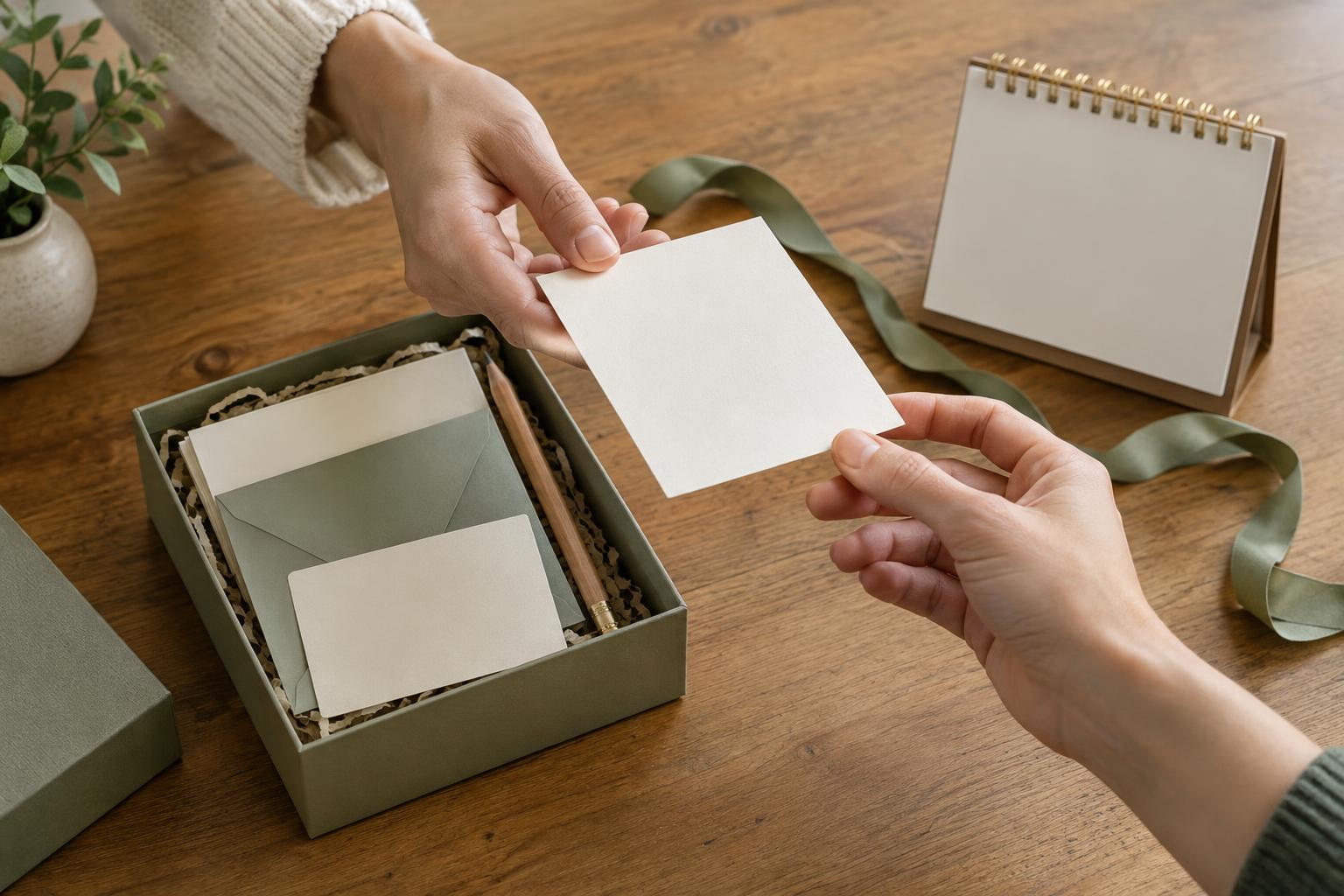
You can make the experience feel like a gift at the moment it is opened. Write the plan on a card, include a simple drawing of what you will do or wrap one small item connected to the activity. For a child who lives far away, a shared project carried out by post or during calls can give you both something to anticipate.
Add a personal touch even when you choose from a list
Using a wish list does not make a gift impersonal. The note that comes with it can explain why you chose it, recall a shared memory or invite the child to tell you what they make or discover. If a caregiver has suggested a practical item, you can still choose a color or presentation that reflects the child, when appropriate.
If you do end up giving a duplicate, respond with ease rather than embarrassment. A gift receipt, where available, can give the family options; a handwritten note still carries your good wishes. The aim is not to find an object no one else could possibly choose. It is to show that you paid attention to the child and to the people who share their home.