Ask what would make the package useful
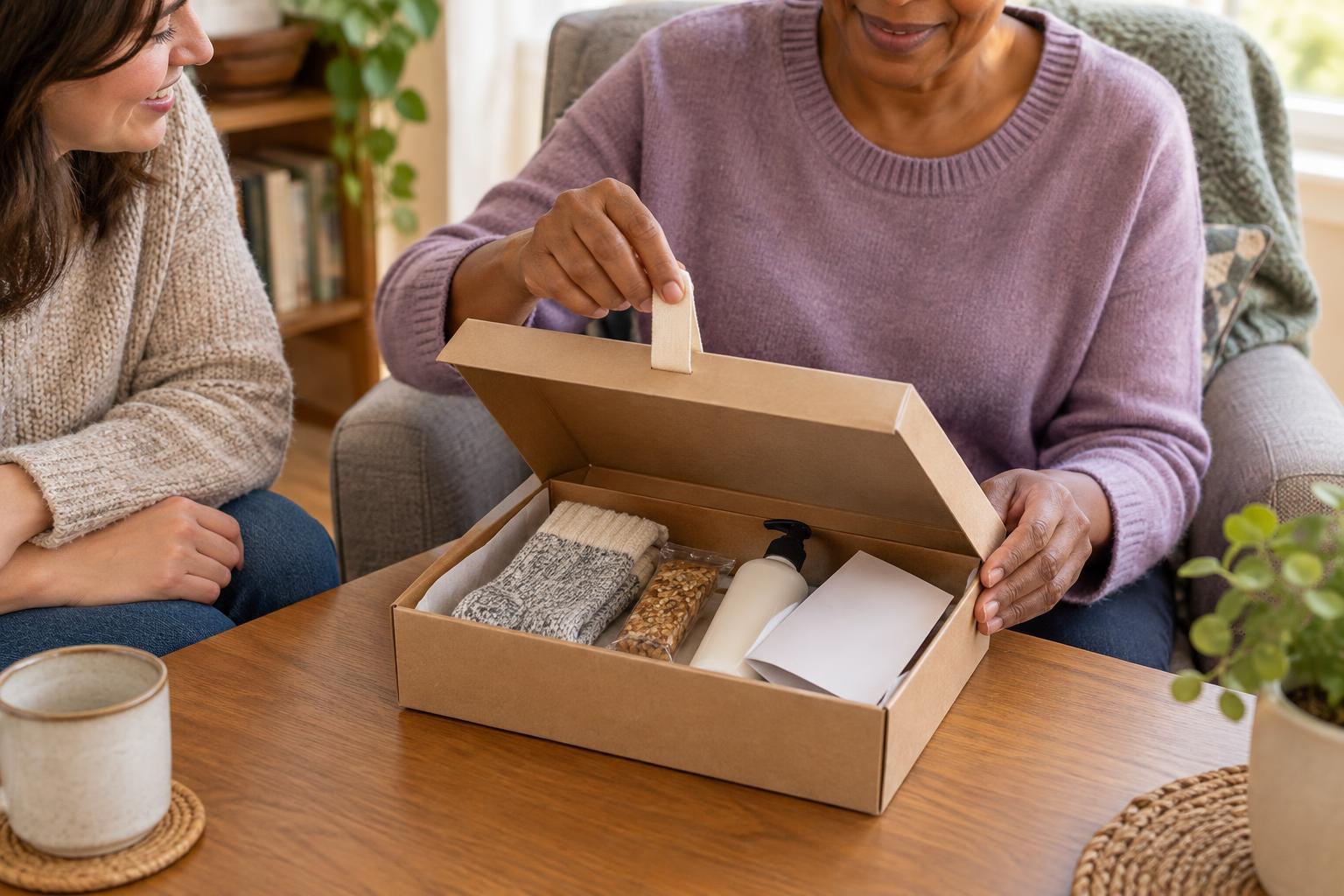
Limited mobility can mean different things in different settings. Someone may find it difficult to carry a box, bend to pick it up, open small containers or put things away. Rather than guessing, ask a few specific questions: Is there a comfortable package size? Are jars, ties or sealed packets frustrating to open? Is there a good place for a parcel to be left? The answers can guide the gift without making the conversation feel like an assessment.
Preferences matter just as much as practical needs. A recipient might welcome snacks, while another would rather have a book, a letter or supplies for a hobby they already enjoy. If you want to keep the contents a surprise, you can still check the basics: “Would a small, lightweight box be easiest?” or “Are there any packages you’d rather I avoid?” Respect the answer, even if it changes your original plan.
Choose items that are easy to enjoy
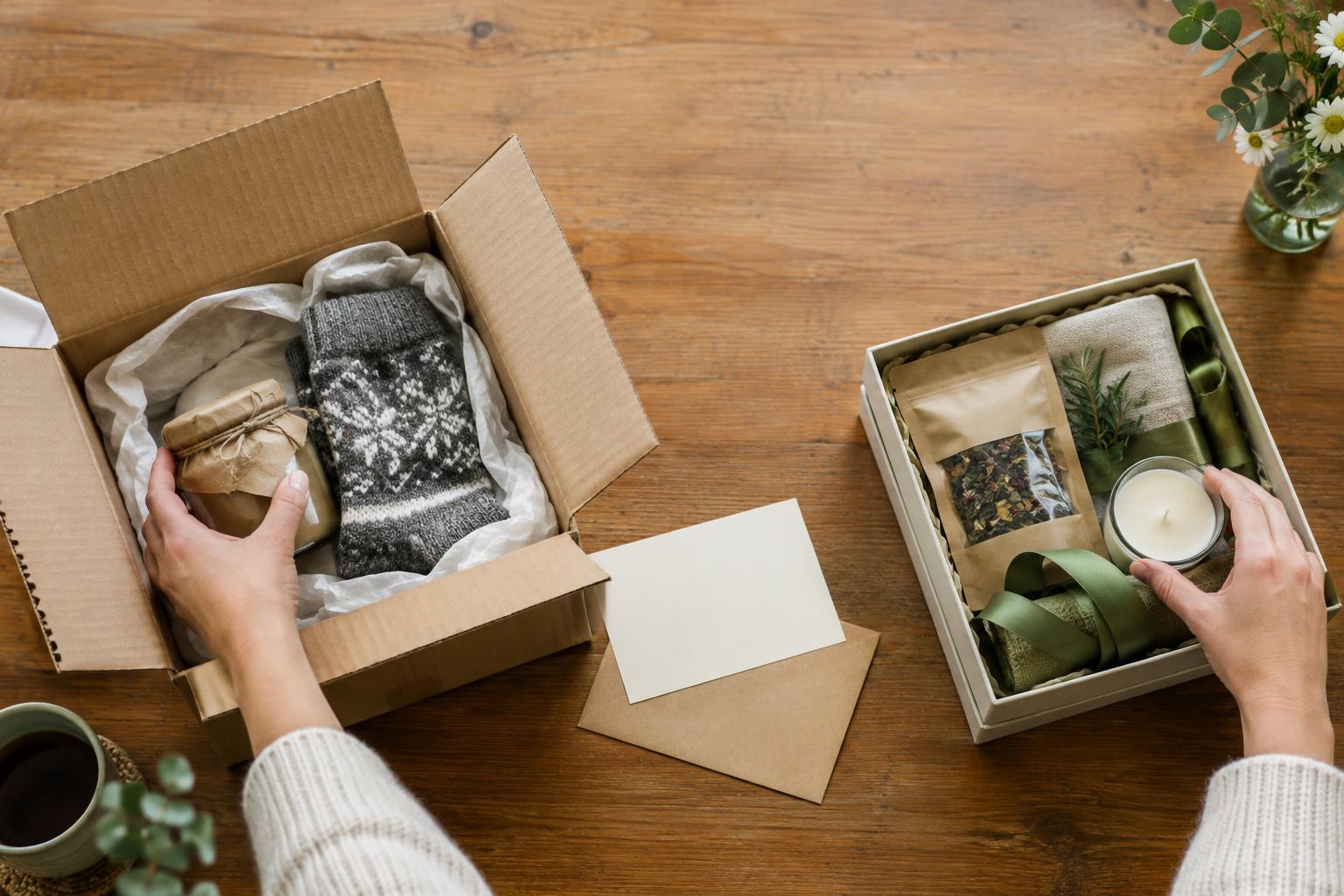
Choose a few things the person can use without rearranging a room or starting a demanding project. A handwritten letter, printed photographs with captions, a soft pair of socks or a favorite shelf-stable treat can feel personal without requiring much setup. If you include an activity, think about the steps involved. A puzzle or craft kit may be welcome if it suits the recipient, but lots of tiny pieces or tools could make it less relaxing.
Consider the size and handling of each item, not only the overall weight of the box. A bulky object may be awkward to lift from the packaging, while a very small object may be hard to spot or grasp. Check before sending strongly scented products, food that needs immediate refrigeration or anything that requires a special tool to open. When you are unsure, a familiar favorite is often more considerate than a clever surprise that creates extra work.
Pack for a simple opening
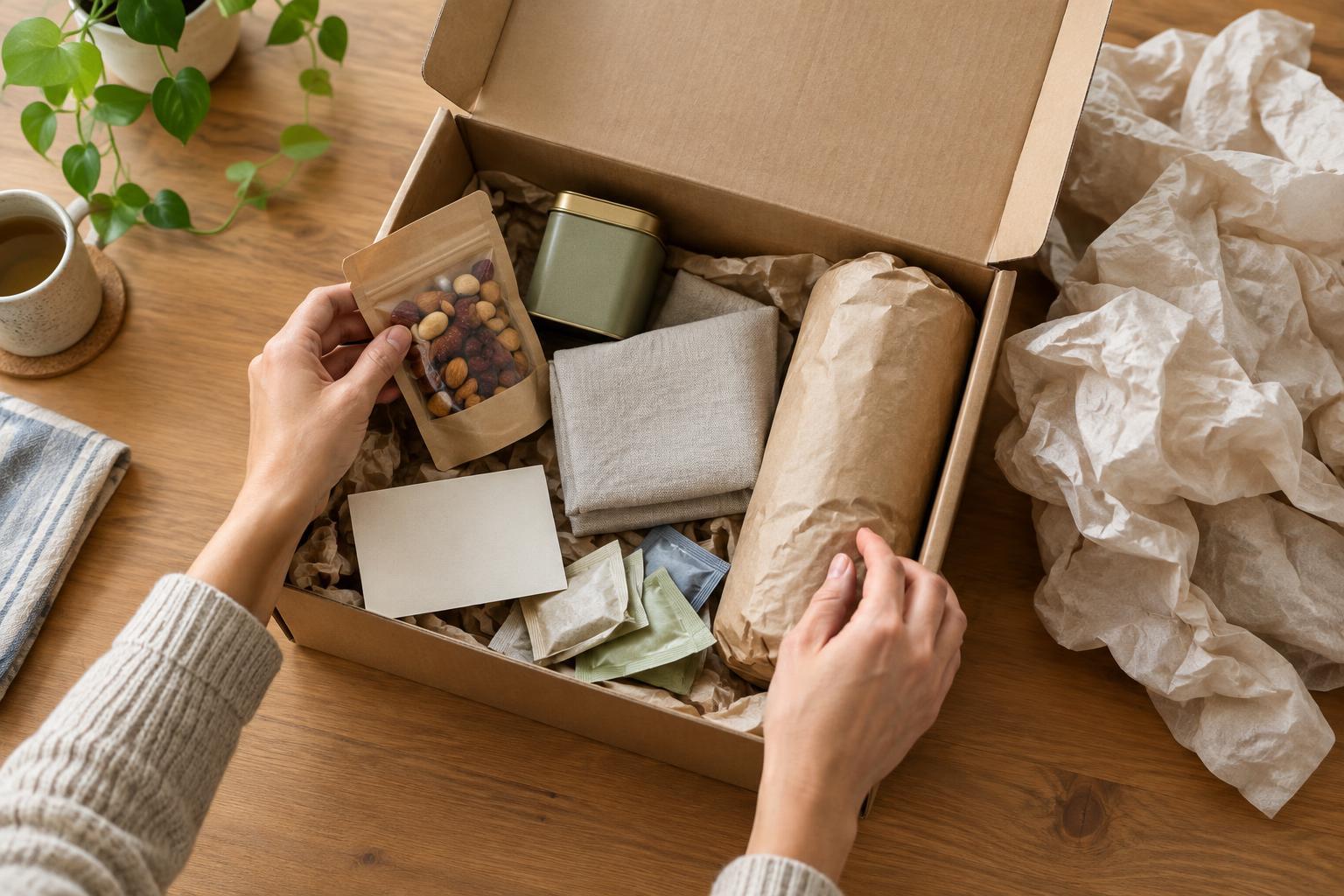
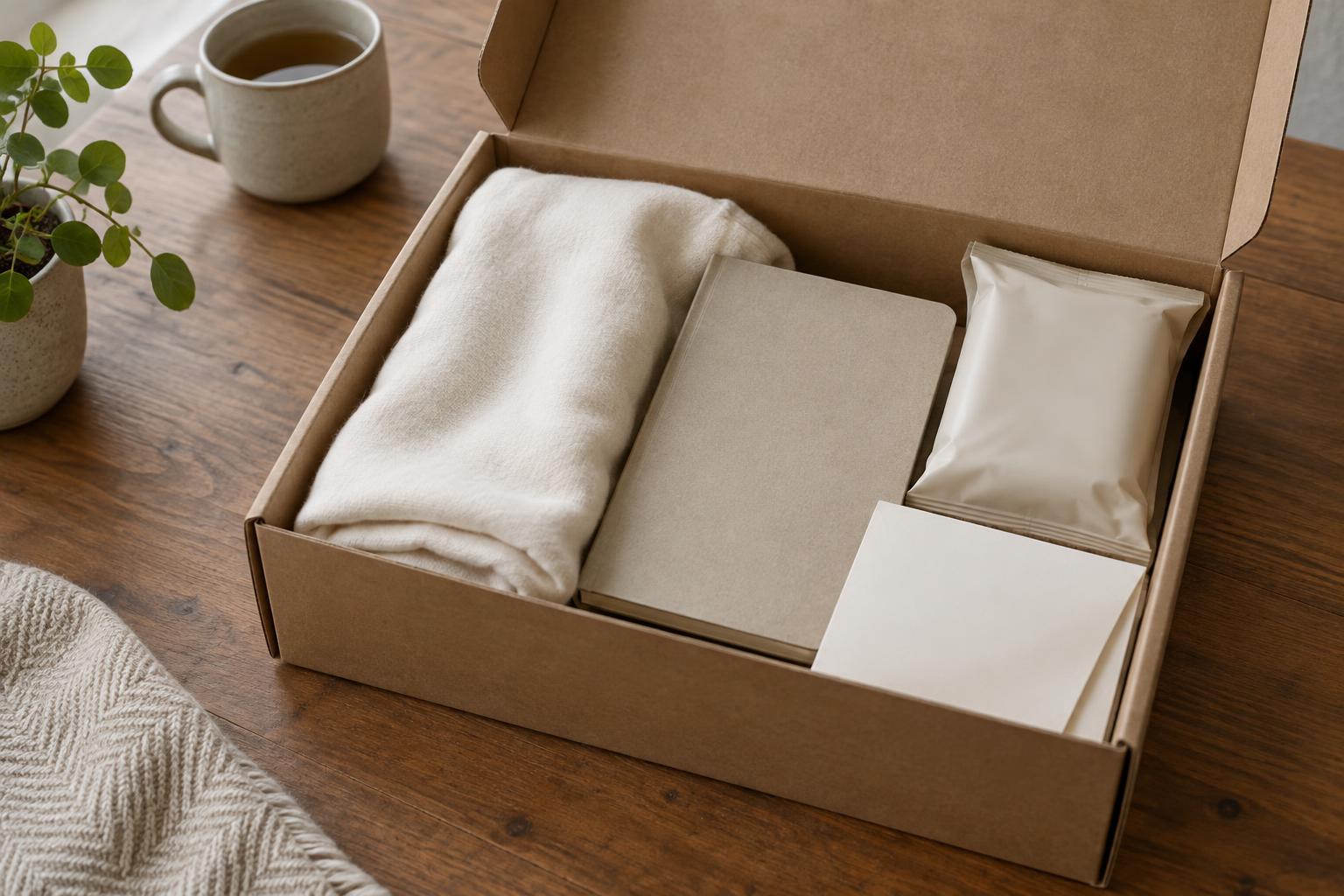
An attractive package need not be difficult to unwrap. Use a sturdy box small enough to handle comfortably and avoid filling it so tightly that the contents have to be pulled free. Cushion fragile items, but keep layers of tissue and loose filler to a minimum. If several items need protection, group them in larger, easy-to-grasp bundles rather than wrapping each one separately.
Think through the opening sequence from the recipient’s point of view. Excessive tape, tight knots, cling film and elaborate ribbon can turn a pleasant moment into a chore. A simple paper band or loose ribbon can still look special. Place a note on top identifying anything fragile or time-sensitive, and make labels large and clear enough to read easily. If an item comes in hard-to-open packaging, consider choosing a different version rather than expecting the recipient to manage it.
Make delivery part of the plan
The care package is only accessible if the person can receive it. Before sending it, check whether parcels can be brought to their door or left at a reachable spot, and whether they would prefer advance notice. Avoid assuming that a neighbor or household member will be available to help. If the recipient agrees, you might arrange a convenient handoff with someone they have chosen.
Keep the outer parcel manageable. One modest box may be easier than a large hamper, even if the larger one looks more impressive in a photo. If you have several gifts, consider sending them separately only if multiple deliveries would be welcome. Let the recipient know when to expect the package, without creating pressure to open it immediately or thank you right away.
Leave room for connection, not obligation
A care package can offer company as well as useful items. Add a letter about an ordinary shared memory, a few photographs or a card with a question they might enjoy answering. Keep the message warm and open-ended: there is no need to ask for a call, a photo of the unboxing or a detailed response. The recipient should be able to enjoy the gesture on their own schedule.
Before closing the box, do one final check: Can it be lifted or moved easily? Is the first item visible? Will opening it produce a pile of packaging to clear away? Would you feel comfortable using everything you have included? Those small considerations do not replace asking the recipient what works for them, but they help turn good intentions into a gift that is genuinely pleasant to receive.