Start with the recipient, then choose the route
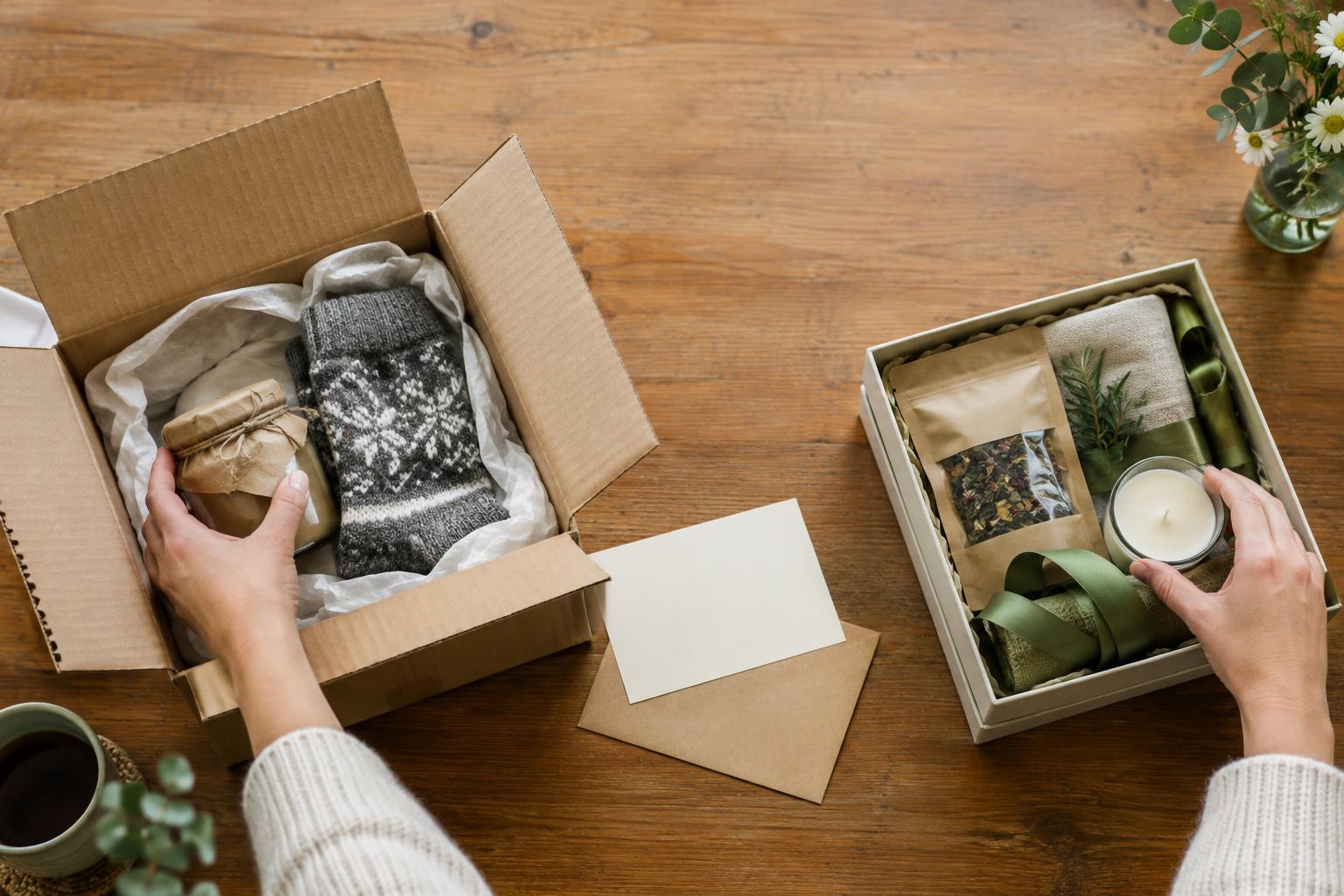
A care package is a small way to say, “I’m thinking of you.” Before choosing the contents, consider how the recipient will receive them. A mailed box may sit in transit or wait outside before it is opened. A hand-delivered package might be carried only a short distance, but it also comes with a decision about when and how to visit. Neither option is automatically more thoughtful; the better choice is the one that fits the recipient’s circumstances.
Think about their schedule, space and preferences. Would a delivery be easier than arranging a visit? Would they enjoy a brief doorstep hello, or would an unexpected knock feel like one more thing to manage? If the package is meant to be a surprise, you can still ask a simple question about a good delivery window without revealing every detail. When someone is having a difficult week, making the handoff easy can be part of the gift.
Choose contents for the journey
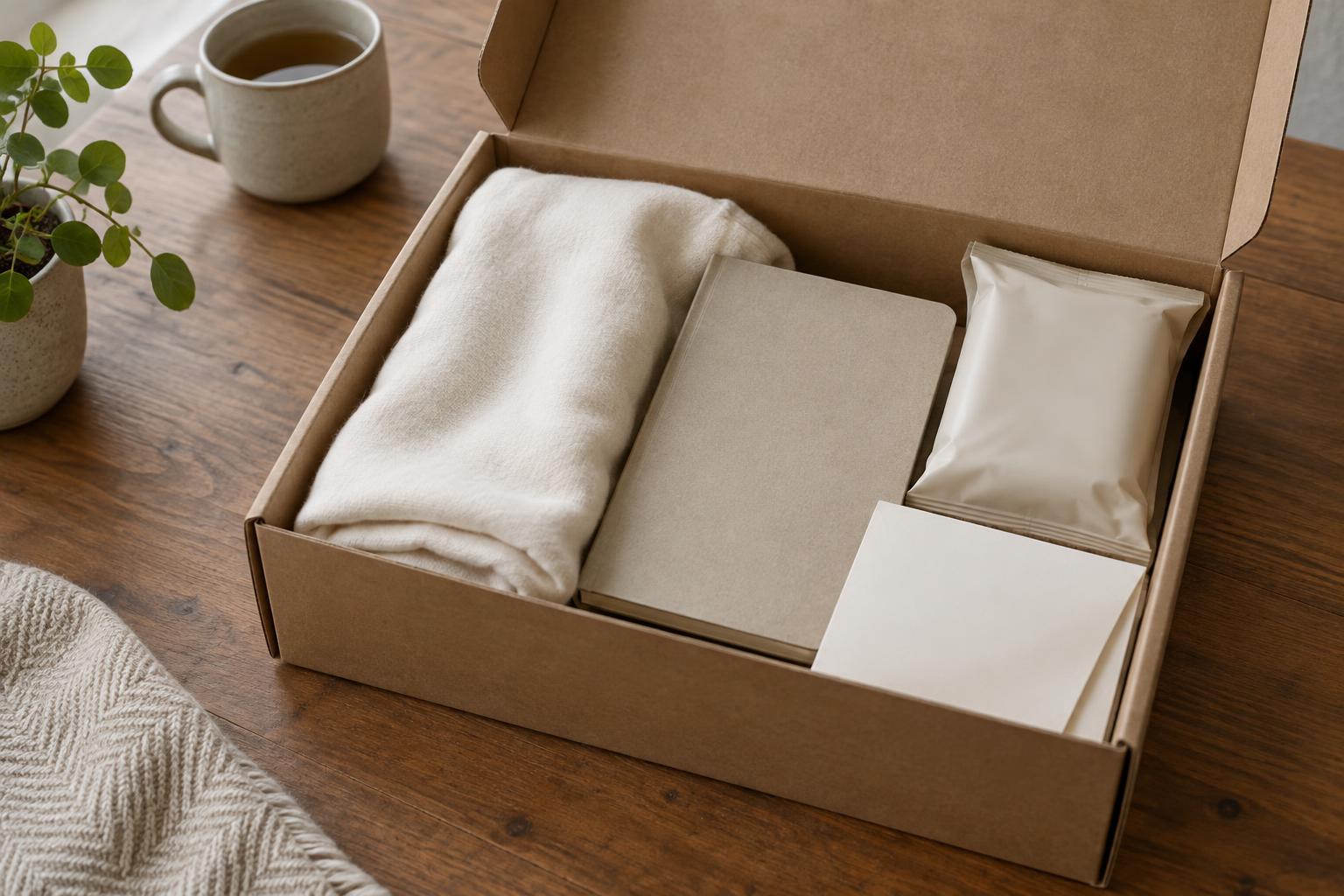
For a mailed package, favour items that can tolerate movement and changes in temperature. A paperback, cosy socks, stationery or individually wrapped, shelf-stable treats are often easier to pack than delicate decorations or anything that needs refrigeration. Check the rules and guidance for your chosen carrier before including liquids, food or other items that may be restricted. If you are unsure whether something will travel well, save it for another occasion.
Hand delivery gives you more flexibility, but it does not remove the need to plan. A homemade snack or a small plant might suit a short trip if you can bring it over promptly and the recipient wants it. Consider allergies, food preferences, pets and available storage before adding anything edible or strongly scented. Items that create work, such as an arrangement that needs a vase, may be less welcome than something ready to enjoy.
For either route, a few well-chosen things usually make a clearer gesture than a box filled simply to look full. Pick a loose theme, such as a quiet afternoon, a study break or a comforting evening, and let each item serve it. Leave room for a short note explaining why you chose it.
Pack for protection or for the reveal
A mailed care package needs to survive handling without its contents shifting freely. Use a sturdy box, wrap fragile items individually and fill empty spaces with suitable packing material. Keep heavy objects away from anything they could crush. Close containers securely, and consider placing items that could leak inside a separate sealed bag. Write the address clearly and check it before sending, especially if the recipient has recently moved.
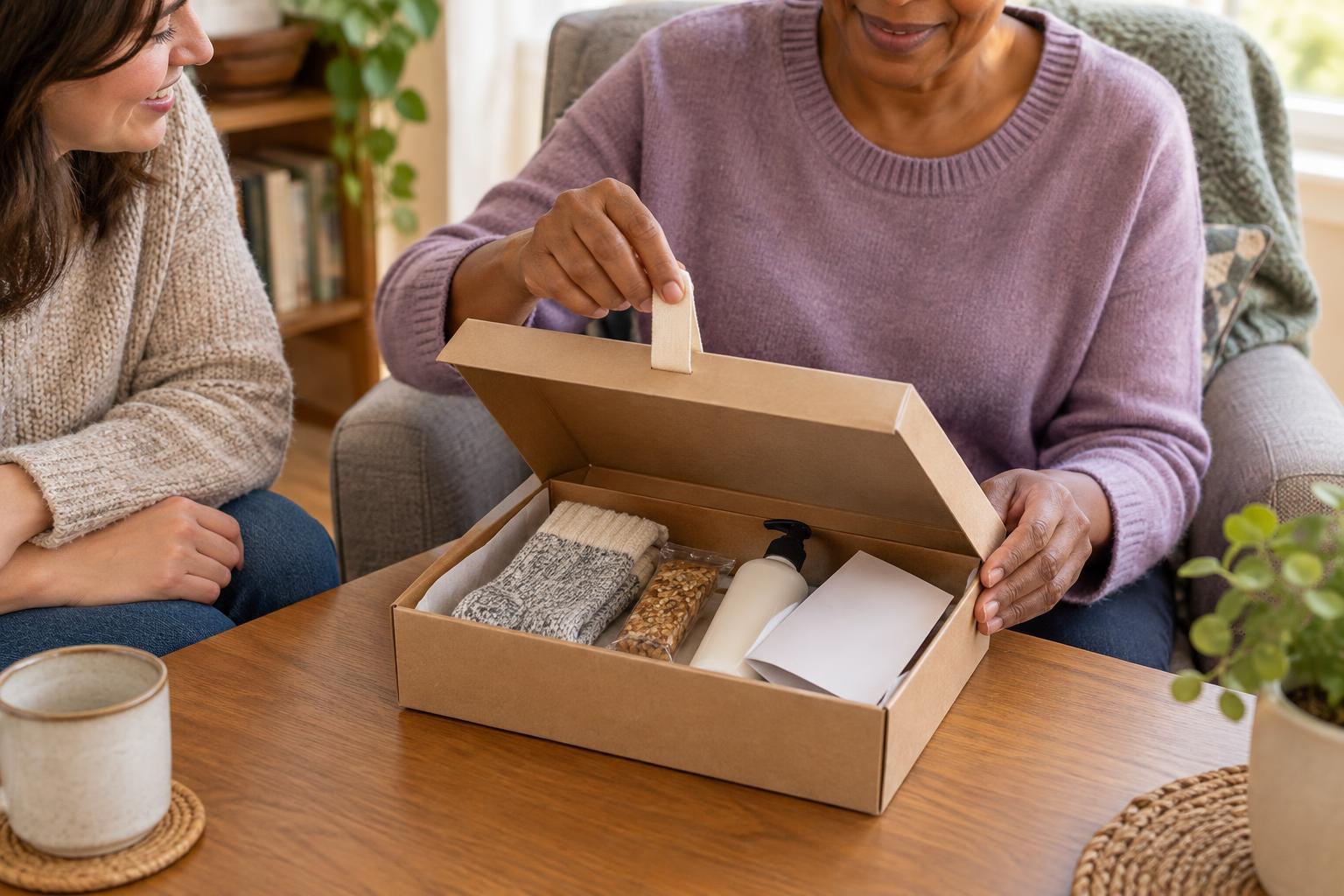
With hand delivery, you can give more attention to the moment of opening. A basket, reusable bag or simply wrapped box can work well when it does not need to fit a carrier’s requirements. Still, make it easy to carry and set down. If you are leaving it at a door by arrangement, choose packaging that protects the contents from the likely conditions and does not draw unwanted attention.
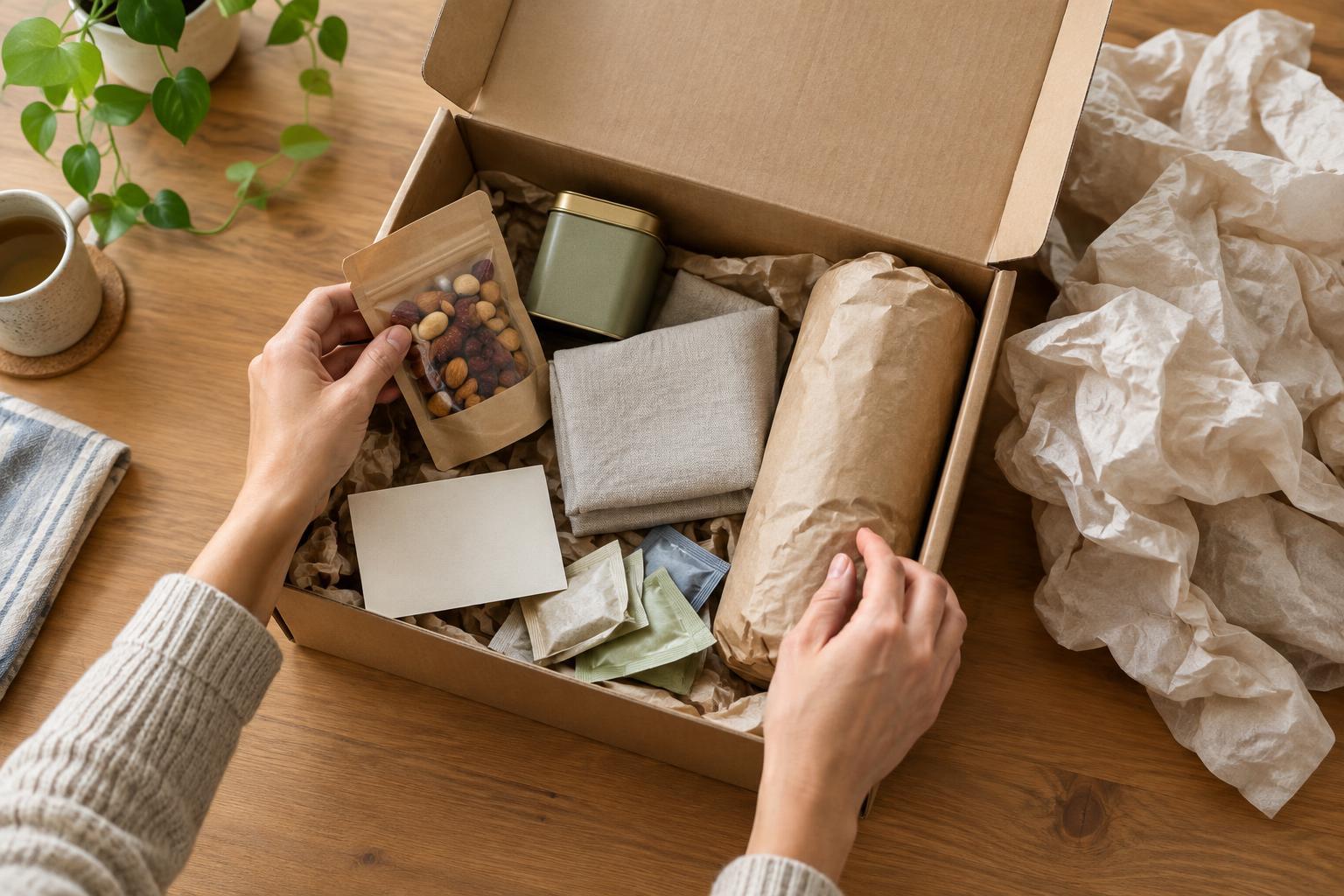
In both cases, presentation works best when it helps rather than hinders. Tissue paper can separate items and make the package pleasant to unpack, while a note placed on top gives the recipient an immediate point of connection. Avoid so many layers that opening the gift becomes a chore.
Plan the handoff and the follow-up
If you are mailing the package, allow for a flexible arrival rather than counting on a precise moment. Let the recipient know to expect something when that would help them retrieve it safely, and avoid sending it to a place where they may not be able to receive parcels. You can include a message that makes clear there is no need to reply right away.
If you are hand-delivering, agree on a time unless you know a surprise visit would be welcome. Decide in advance whether you are dropping the package off, staying for a short chat or spending time together. A doorstep exchange can be especially kind when the recipient has limited energy. Say plainly that they do not need to host you; then follow their lead.
A care package does not need a grand reveal to matter. After it arrives, a light check-in can confirm that it reached them without asking for an immediate reaction. The goal is to offer comfort or connection, not to give the recipient another obligation.
Make the note the lasting part
The route changes the practical plan, but the message is what makes the package unmistakably theirs. Write a few specific, sincere lines: a memory you share, something you appreciate about them, or a simple wish for the week ahead. You do not have to find perfect words or explain every item. A note they can keep may outlast the treats, wrapping and box.
For a mailed package, tuck the note where it will be found first and include your name even if the handwriting feels familiar. For a hand-delivered one, a written message can say what you may not find time to say at the door. Whether the package travels across a distance or around the corner, careful planning lets its central message come through: you thought about what this person might need, and you made it easy for them to receive it.