Ask before you assemble
The most useful first step is a conversation, not a shopping list. Sensitivities vary: one person may dislike perfume but enjoy the smell of tea, while another may prefer a package with no scented items at all. Textures are just as personal. Soft fabric, crinkly paper and sticky labels can each be welcome to one person and unpleasant to another. Rather than guessing, ask a few specific, low-pressure questions: “Are there any scents or materials you would rather I avoid?” and “Would you prefer useful things, treats or something to read?”
Let the recipient decide how much detail to share. You do not need an explanation for a preference in order to respect it. If you are planning a surprise, you can still ask about broad boundaries without revealing what you will send. When you cannot ask, keep the package small and straightforward, and avoid including products with added fragrance. A modest collection of well-chosen items is more thoughtful than a large box the recipient has to sort through.
Choose contents for ease, not novelty
Begin with items the person already uses or has mentioned wanting. A paperback by an author they like, a postcard featuring a shared interest, a smooth-writing pen or printed photographs can make a package feel personal without relying on scent. If they enjoy hands-on activities, consider asking whether they would welcome a puzzle book or a simple paper craft. Even seemingly ordinary materials can have noticeable textures, so familiarity is often a better guide than a label such as “cozy” or “soothing.”
Be cautious with candles, soaps, lotions, sachets and other strongly scented gifts, including items marketed as natural. An item without added fragrance may still have a smell from its ingredients or packaging. Food calls for similar care: ask about preferences and restrictions before including it, and keep it sealed if it is welcome. When in doubt, a handwritten note and one familiar item are enough. The goal is to offer a pleasant moment, not to fill every corner of the box.
Keep the wrapping simple
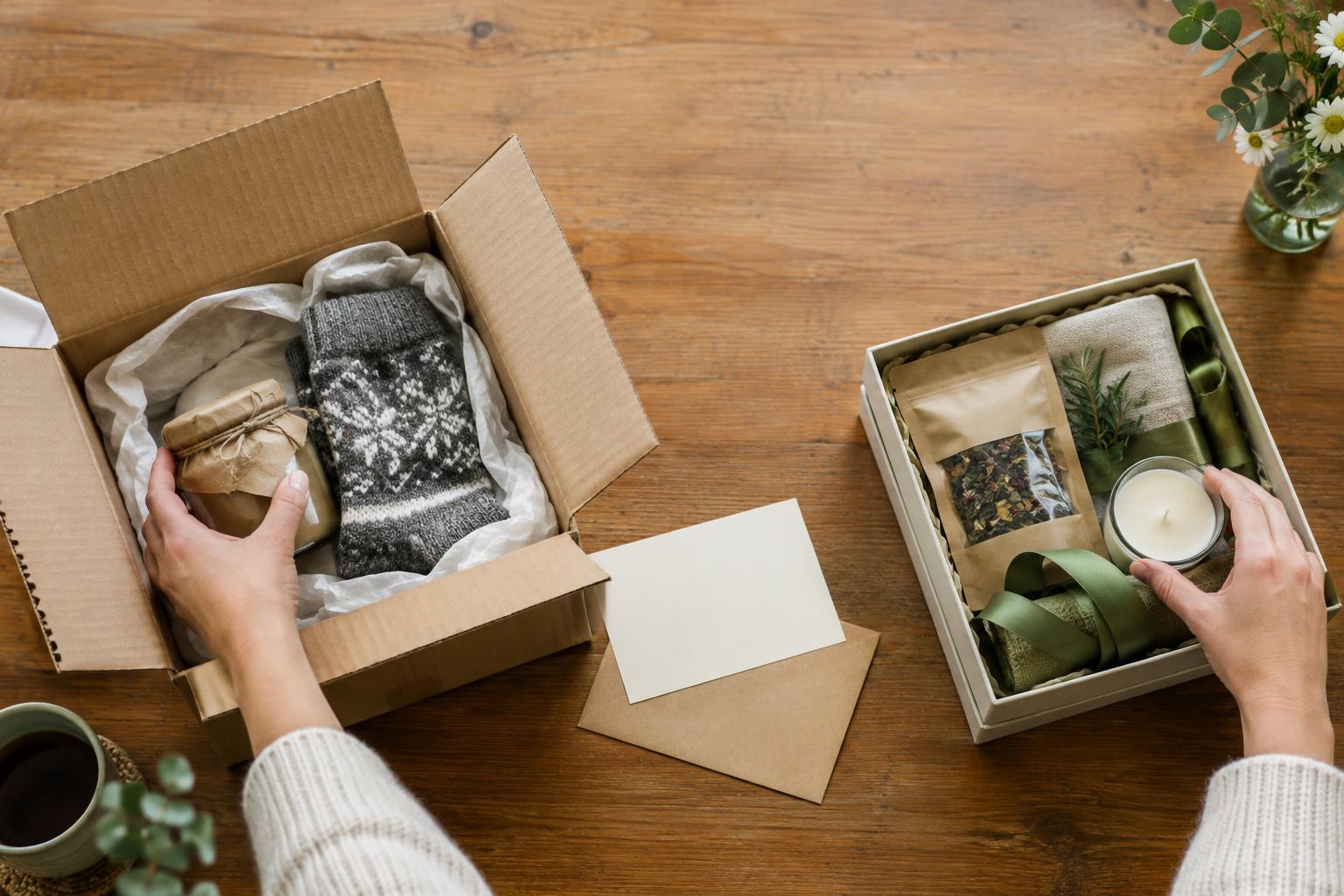
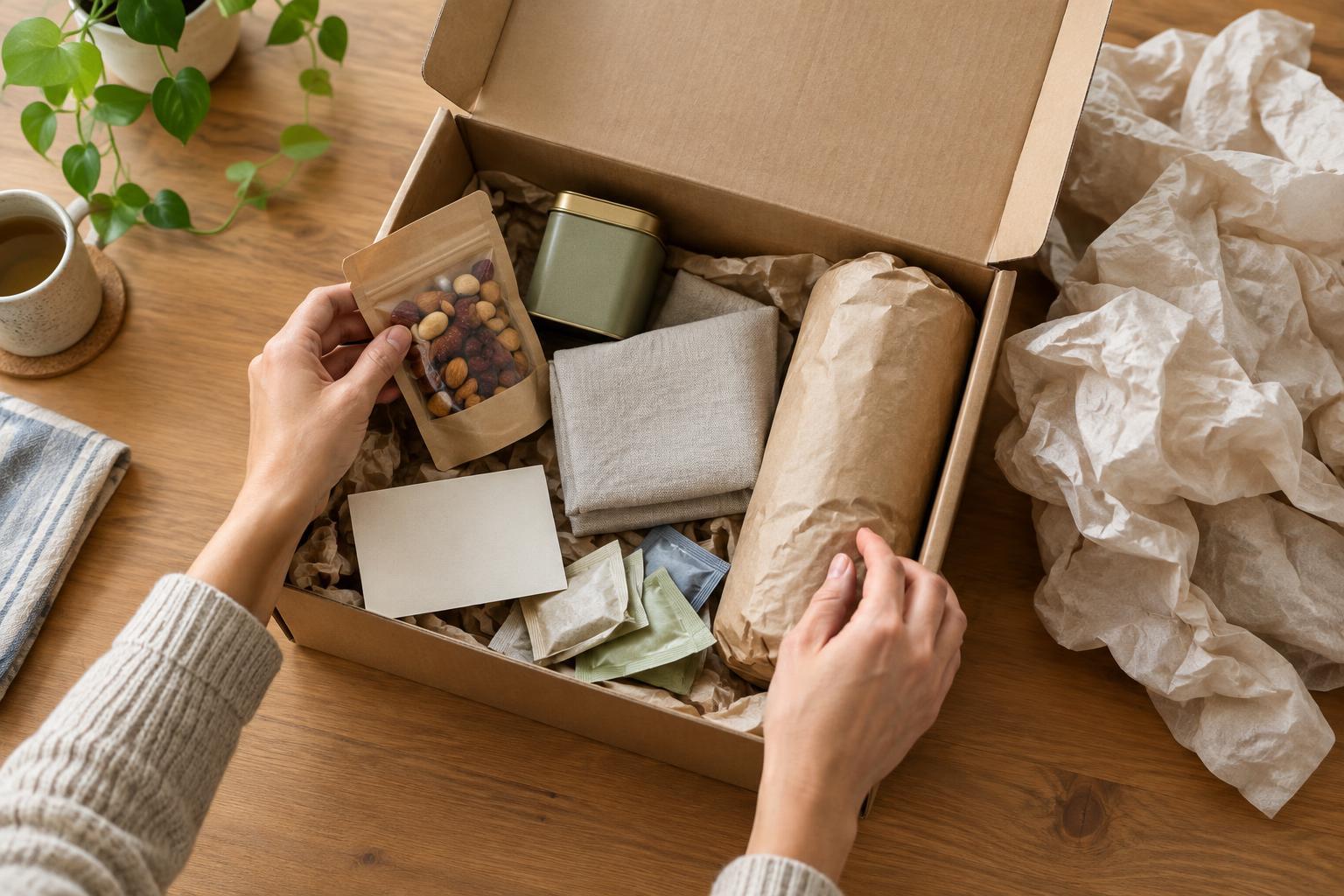
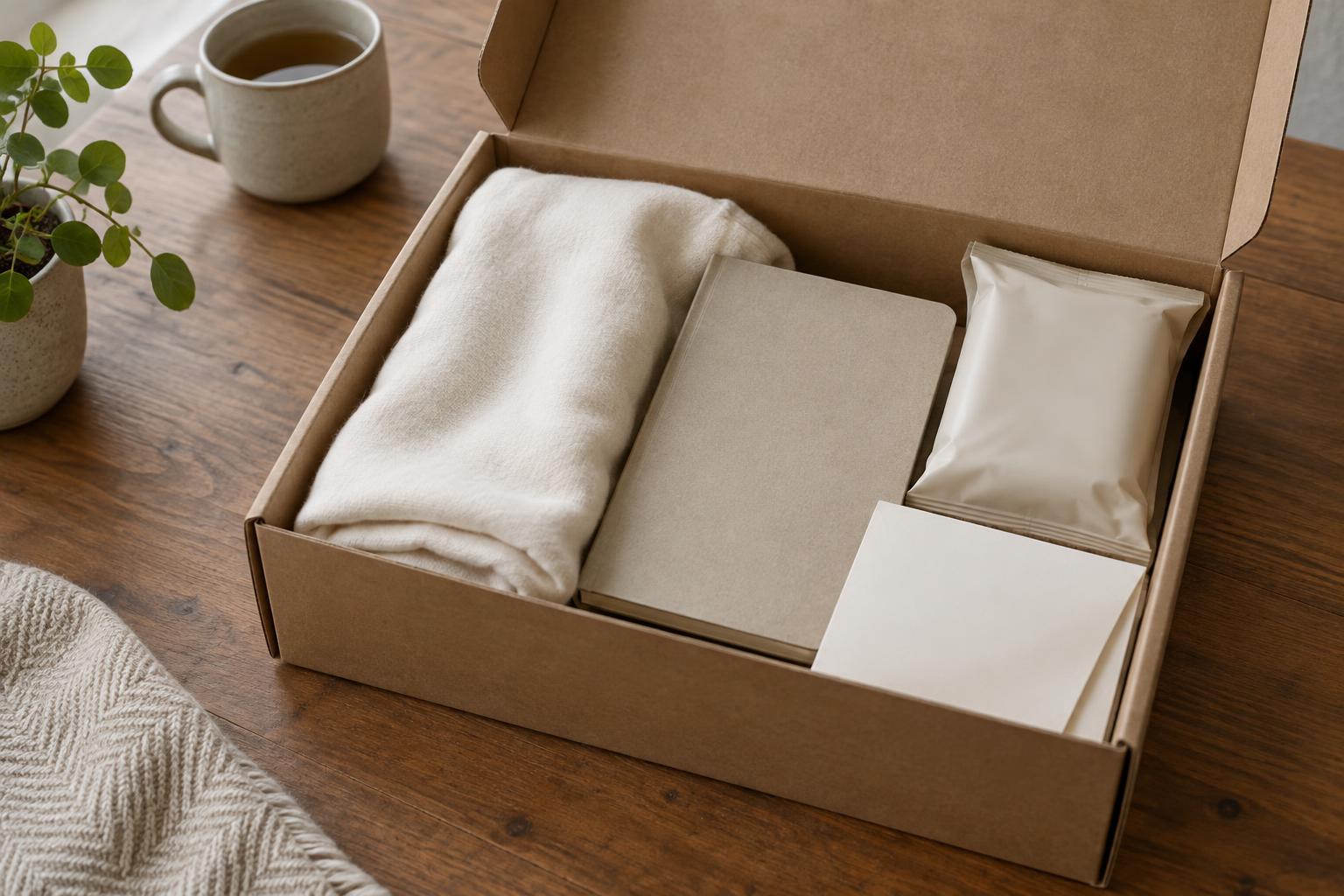
Presentation matters, but layers of tissue, shredded filler, glitter and ribbons can make a package harder to enjoy. Choose clean, plain packing materials that hold items in place without creating lots of loose pieces. Folded paper can cushion a book or keepsake; a simple paper band can group stationery. If you are unsure about a material’s feel or smell, use less of it. Avoid spraying the box or adding scented decorations, even if the scent seems faint to you.
Think about how the package will be opened. Put the note where it can be found first, and make small items easy to see rather than burying them in filler. If you reuse a box or packing material, consider whether it has been stored near fragranced products or has a lingering odor. You cannot guarantee that every material will be completely scent-free, but you can avoid adding unnecessary scents and tell the recipient what you used if that would help them decide when and how to open it.
Make the note part of the gift
A personal message can carry the warmth that scented products or elaborate wrapping might otherwise be expected to provide. Write about a shared memory, a small thing that reminded you of the person, or why you chose a particular book or photograph. Keep the message free of pressure to use everything. A line such as “Keep what you like, and please pass along anything that is not for you” gives the recipient room to respond honestly.
If the package is for a difficult week, you do not have to find the perfect encouraging phrase. A simple “I’m thinking of you” can be more comfortable than an instruction to relax or cheer up. You can also include a brief contents list, especially if the box holds several small things. It makes the package easier to explore at the recipient’s own pace and helps them decide whether to leave any item wrapped.
Leave room for their choice
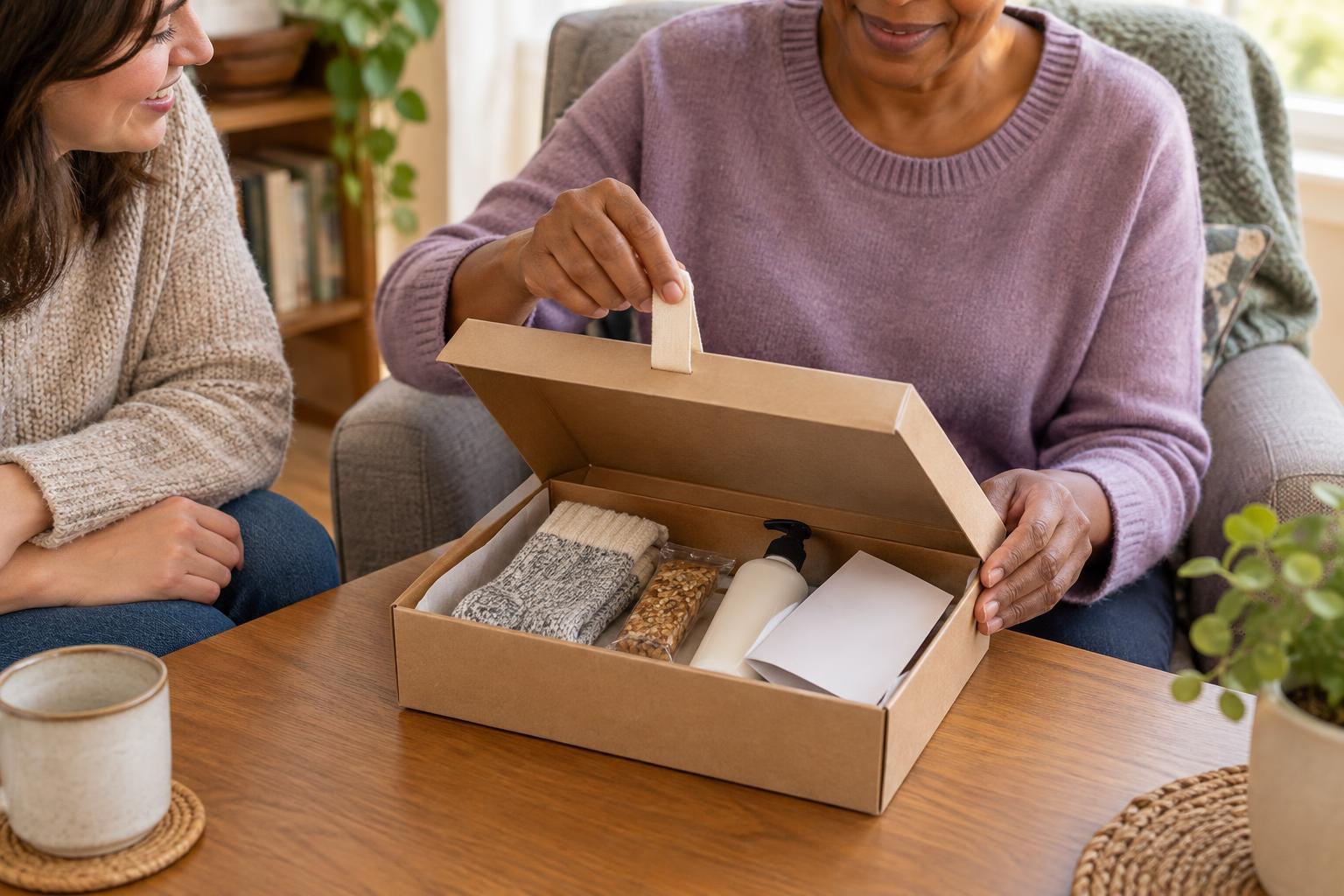
A considerate care package does not require an enthusiastic reaction or immediate use. The recipient might open it later, set an item aside or discover that a material is not comfortable after all. That does not undo the care behind your gesture. What matters is that you treated their stated preferences as useful information rather than a challenge to work around.
For future packages, take note of what they say they enjoyed, while remaining open to changes in preference. The best version may be remarkably simple: a short letter, a familiar book and packing that is easy to handle. Thoughtfulness shows up in the choices you make before the box is closed, and in the freedom you give someone once it arrives.