Decide what you hope to remember
Before choosing a notebook or making a sign, think about what you want the guestbook to hold. A birthday guestbook might collect wishes for the coming year. At a reunion, it might be more interesting to ask what people remember doing together. If you mainly want a record of who attended, names and a few words may be enough. A clear purpose helps guests know what to write and makes the finished book more enjoyable to revisit.
Keep the request modest. A blank page can feel intimidating, while a page crowded with questions can feel like homework. Try one prompt that suits the occasion, such as “What is a small moment with us that you remember?” or “What would you like us to do together next?” Include space for people who would rather write a simple greeting. The best prompt invites a personal answer without requiring anyone to tell a long story or reveal something private.
Make contributing easy during the gathering
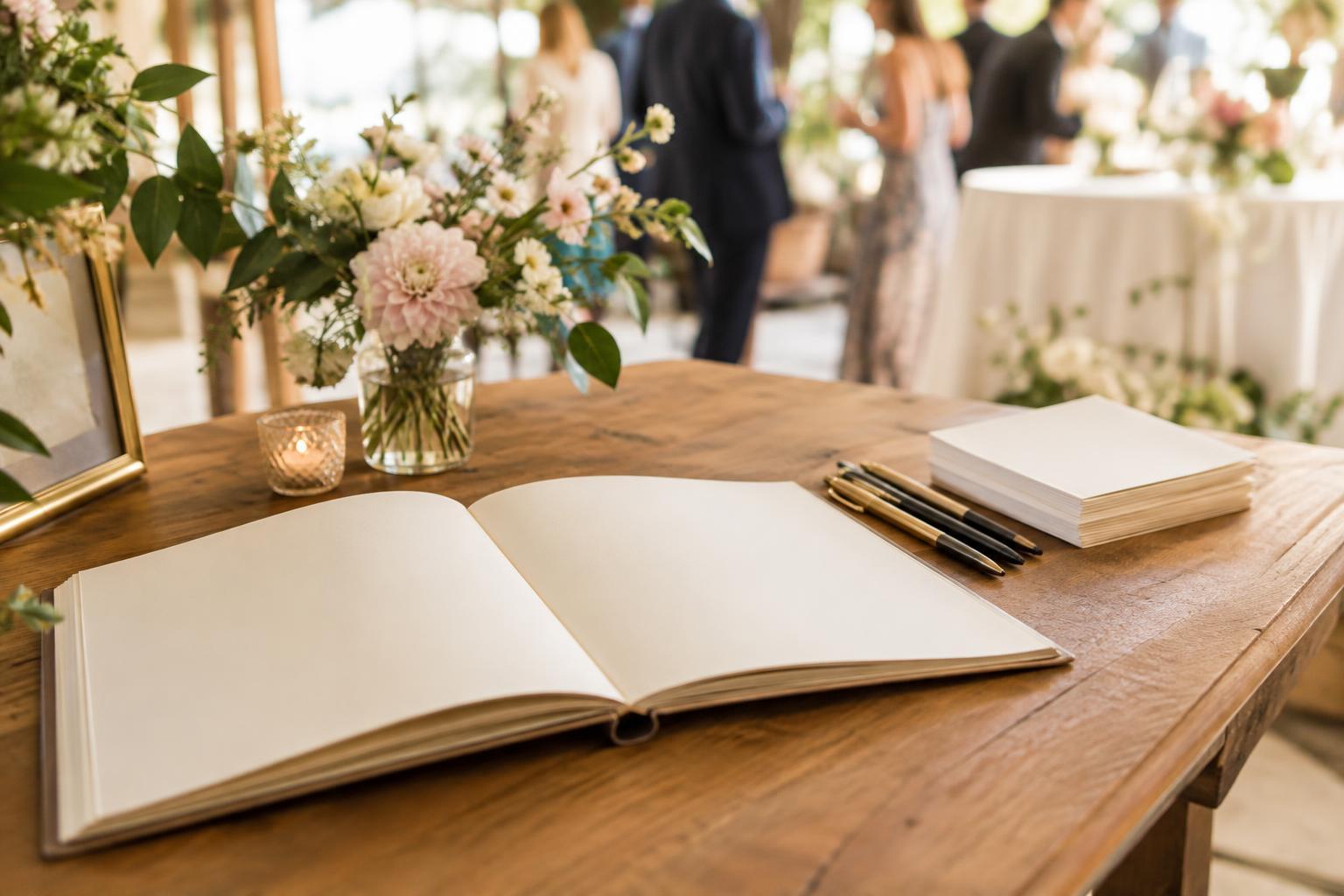
Place the guestbook where people naturally pause, such as near the entrance or a refreshment area, but not where they will block a doorway. Set out pens that write reliably and leave enough room to put down a drink. A short note beside the book can explain the prompt and make it clear that brief messages are welcome. If pages can be removed or cards will later go into an album, provide a visible place to leave completed contributions.
Consider the rhythm of the event. Guests arriving with coats and gifts may not be ready to write immediately, so a gentle reminder later can help. Ask a host or friend to mention the book in conversation rather than repeatedly announcing it. For a large gathering, a few loose cards at separate tables may be easier to reach than one book everyone has to wait to use. Numbering the cards before the event can make them simpler to gather afterward.
Offer options without putting anyone on the spot
Not everyone enjoys writing in public. Some people need time to think; others may prefer to draw, add a single word or leave their name. Make those options acceptable from the start. You can also invite guests to take a card home and return it later, while recognizing that some cards may never come back. The aim is to offer a chance to contribute, not to measure anyone’s affection by the length of their message.
Be thoughtful about what you ask guests to share. A prompt about favorite memories may not suit someone who has only recently joined a family or group. Questions that assume a particular relationship can make guests feel awkward. Broader invitations, such as “Share a wish, a memory or a note for the future,” leave room for different connections. If children are attending, a drawing space can let them participate without needing an adult to compose a message for them.
Privacy matters, too. A guestbook passed around a room lets other people read what has already been written. If you expect personal messages, use individual cards and a box instead. Let contributors know who will receive the messages, especially if you plan to display them or include them in a shared keepsake. A note intended for one person should not automatically become part of a public album.
Turn the messages into a keepsake you will revisit
After the celebration, collect loose cards before clearing away decorations. Put them in an envelope or folder until you have time to arrange them. If you used a bound book, add a note near the front with the occasion and location so the context remains clear years later. You might also include a copy of the invitation or a short account of the day, without trying to document every detail.
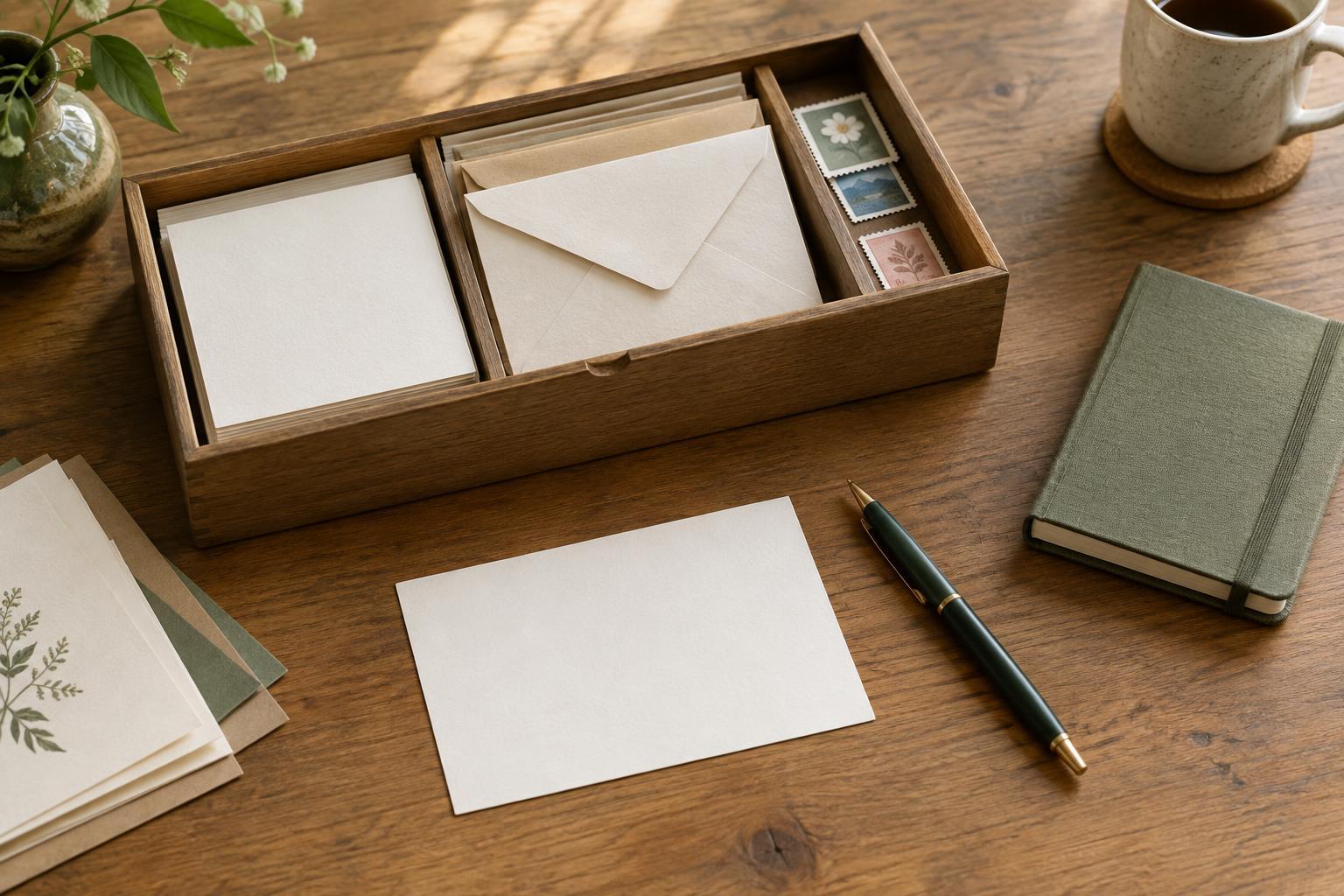
Choose a way to keep the messages that fits how you will use them. A sturdy album can hold cards and a few photos together; a simple box may suit messages you want to read privately. Avoid attaching cards in a way that covers writing on the back. If a message is especially personal, consider keeping it separately rather than assuming it belongs in a book others will browse. A useful guestbook is not necessarily polished or complete. Its value lies in the range of voices it preserves and in the small details you might otherwise forget.