Start with their routine, not a job title
Starting a new job often means learning a route, a schedule, new names and unfamiliar expectations at the same time. A care package can offer a small moment of ease, but it works best when it reflects the person rather than a generic idea of office life. Someone working from home, on their feet or across changing shifts may have little use for the same set of items.
Before choosing anything, think about what you know for certain. Do they carry a bag each day? Have they mentioned early starts or a long journey? Do they like to write things down? If you are unsure, ask one light question, such as whether they have room for a few things at home or would prefer something small for their bag. You do not need to ask for their whole schedule to make a thoughtful choice.
Choose a few useful comforts
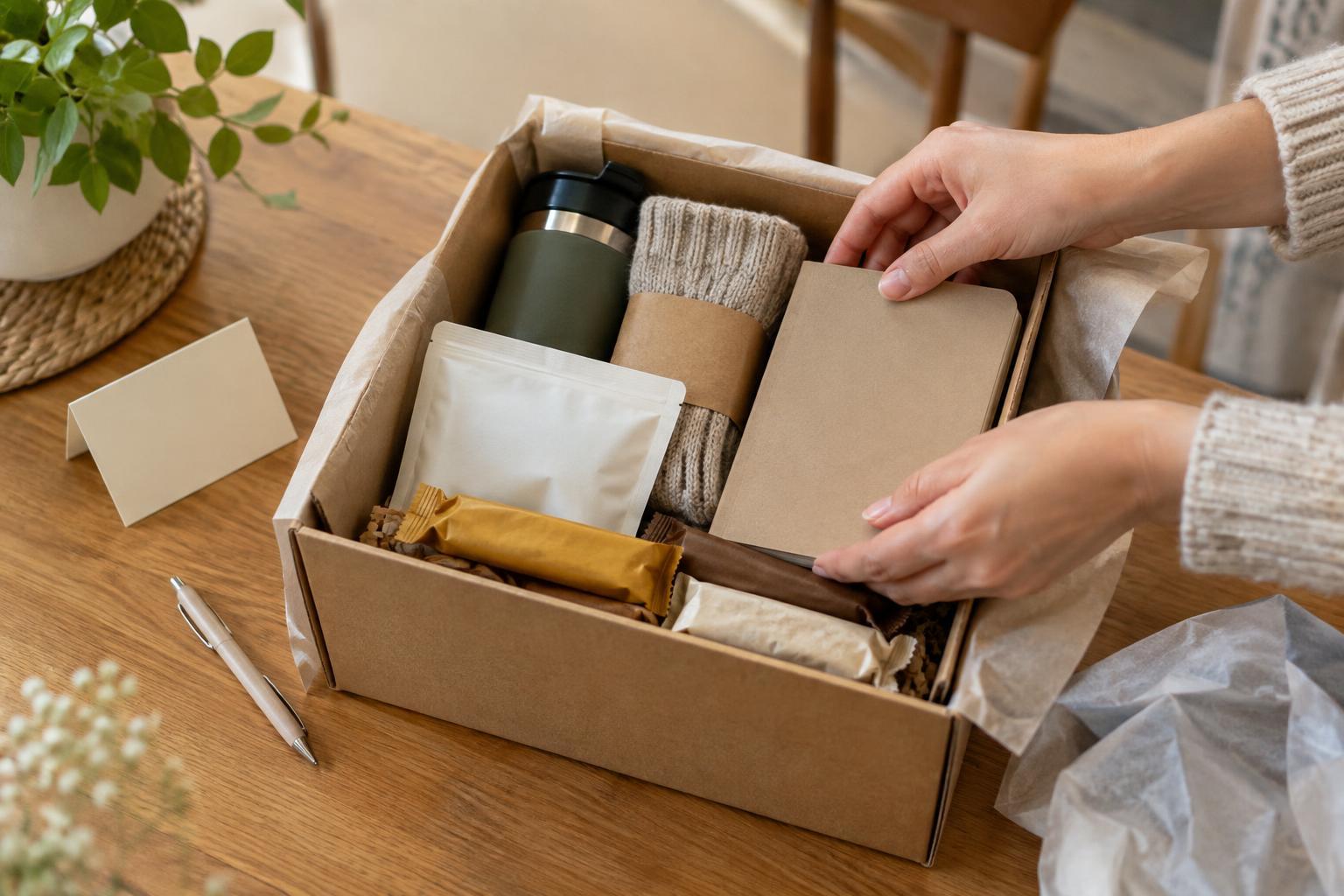
Build the package around two or three simple items instead of trying to equip them for every part of the job. A compact notebook and a pen they enjoy using might suit someone who likes making lists. A small pouch could help keep keys, cables or other loose items together. For a person who has mentioned a tiring commute, a paperback or a puzzle book might offer something pleasant to do during a break, if that fits how they travel.
Comforts for time off can be just as welcome as workday supplies. A favorite tea, a snack they already enjoy or a card suggesting a quiet evening gives them permission to set the new job aside for a while. Check preferences before including food or scented products; if you do not know what is suitable, a nonfood item is the easier choice.
Keep size and storage in mind. A large desk accessory may be awkward if they do not have a fixed workspace, and a bulky gift can become another thing to carry home. Small, versatile items are easier for the recipient to use where they want, or to save for later.
Write a note that does not add pressure
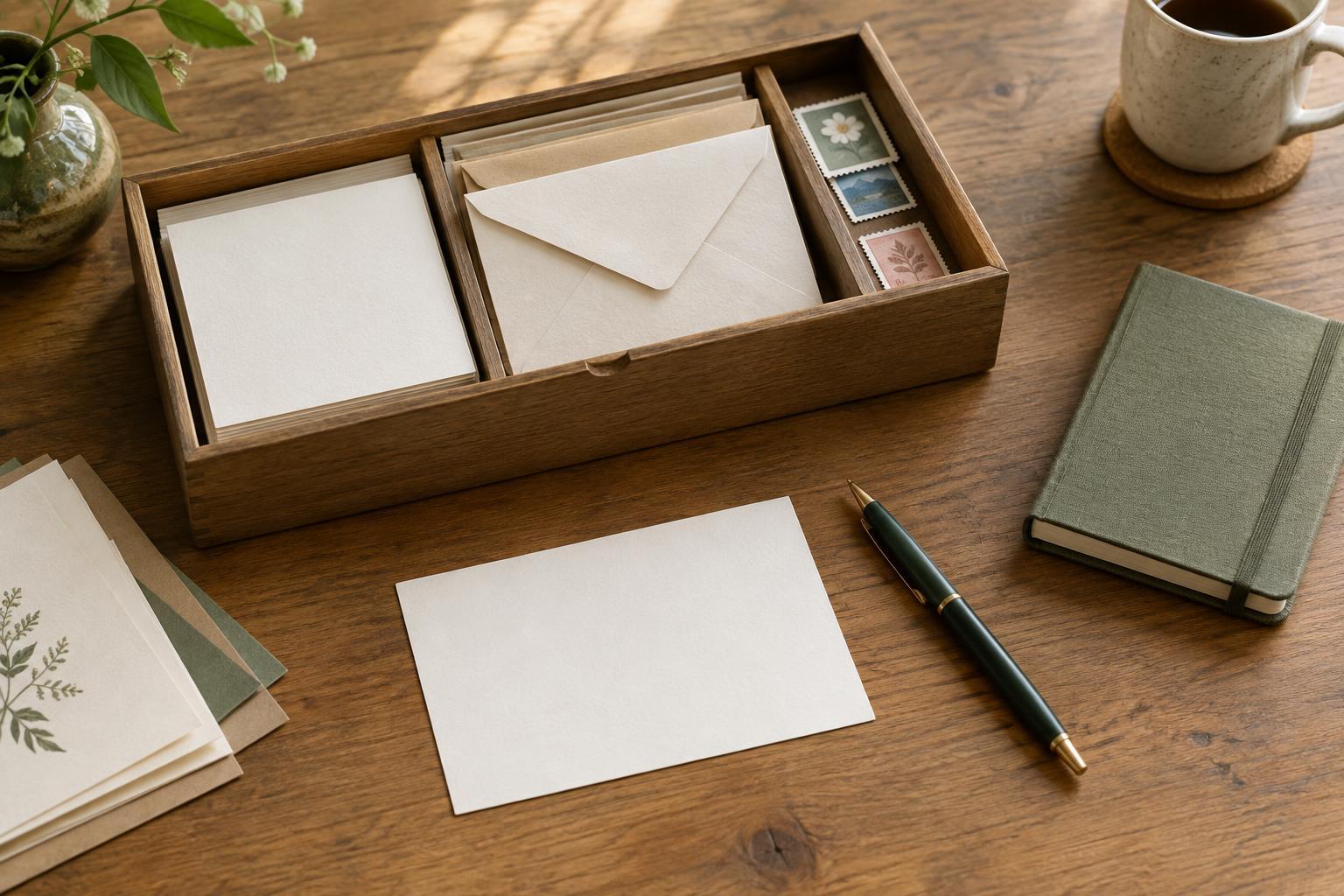
The note can be the most personal part of the package. Rather than telling them to impress everyone or make the most of every opportunity, let them know you are thinking of them as they settle in. A simple message such as “I hope you find your feet at your own pace” leaves room for mixed feelings. You can mention a quality you appreciate in them without predicting how the job will go.
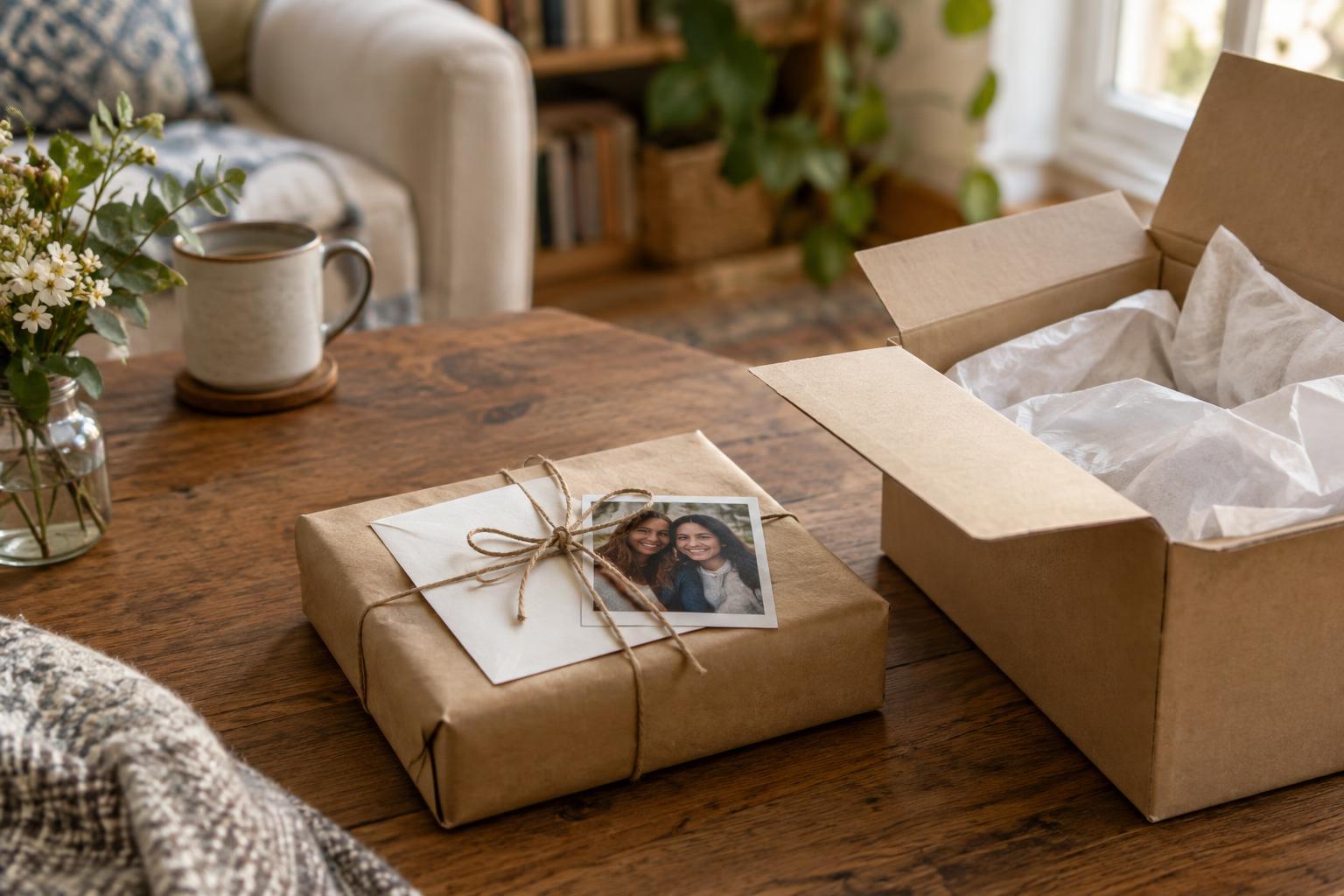
If you have a shared memory that makes them smile, include it. A brief reminder of a time they handled something unfamiliar can feel more personal than a string of general encouragement. There is no need to ask for updates in return. You might close by saying they can tell you about the new role whenever they feel like it.
Make receiving it easy
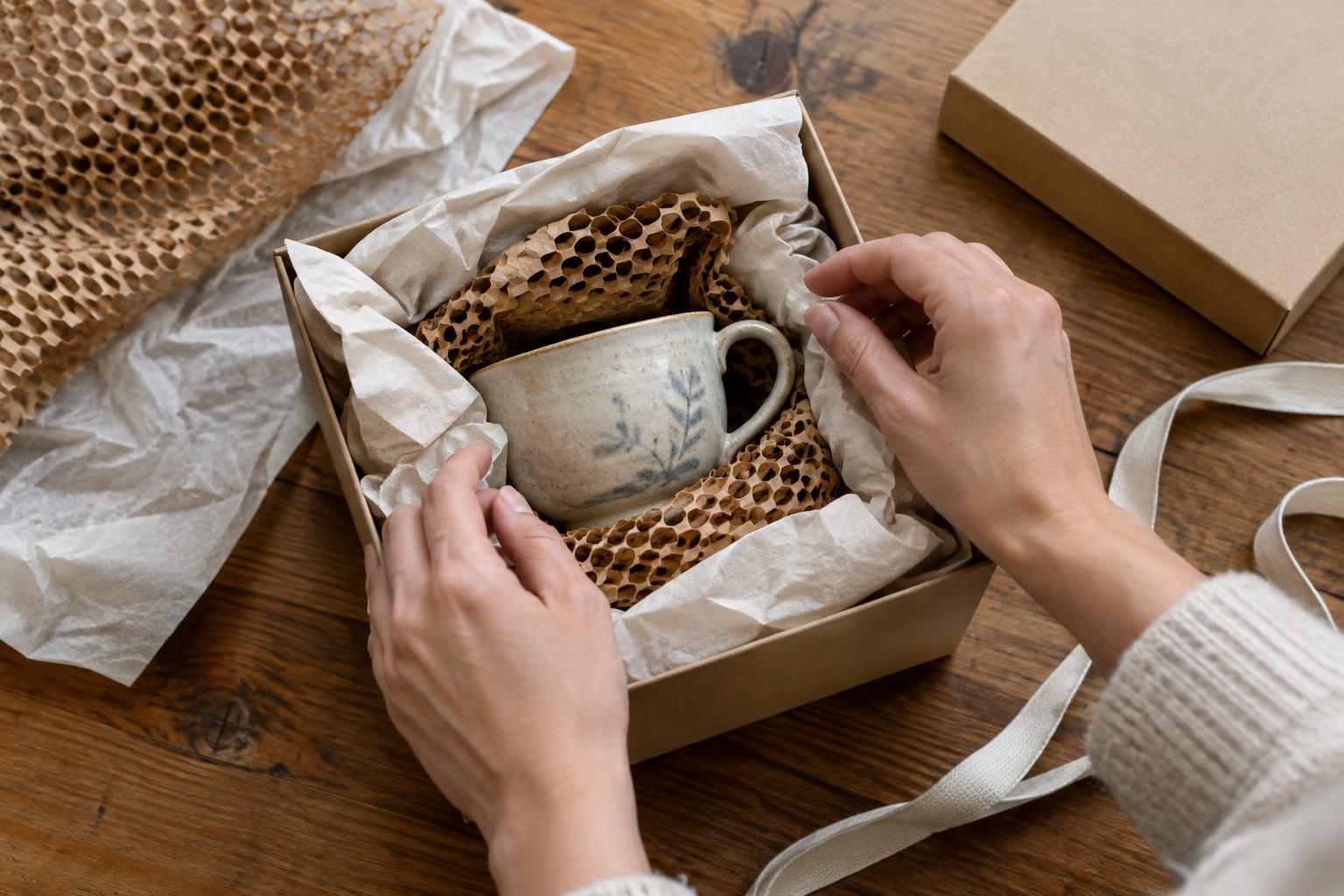
Timing matters less than convenience. A package does not have to arrive on the first day; the second week may be when a small gesture feels especially welcome. If you plan to hand it over, choose a moment when they will not need to carry it through a busy day. If you plan to mail it, check that the address is suitable and pack anything delicate so it will not shift inside the box.
Arrange the contents so the note is easy to find and the smaller pieces are not buried in filler. A modest box or reusable bag is enough; elaborate wrapping is optional. If you are including several items, a short line explaining why you chose each one can make the package feel connected rather than like an assortment of supplies.
The aim is not to solve every challenge of a new job. It is to offer a manageable reminder that someone is in their corner, whether their first weeks feel exciting, exhausting or a bit of both.