Decide what the letter is for
An apology letter is not a case for why your actions were understandable. Its purpose is to acknowledge a specific hurt, take responsibility and tell the other person what you intend to do differently. Before choosing stationery or writing a greeting, ask yourself whether you can describe what you did without immediately adding “but.” If you cannot yet, a private draft may help you sort through your feelings before you write to them.
A letter can give someone space to read and respond in their own time. It does not guarantee that they will welcome contact. If the person has asked you not to write, respect that boundary. If they have not, keep the letter focused enough that receiving it does not create another burden.
Name the action and its impact
Start with the action you are apologizing for: “I’m sorry I shared your news before you were ready to tell people.” This is clearer than “I’m sorry things got awkward.” Specificity shows that you understand what you are taking responsibility for. Avoid turning the opening into a list of your good intentions; the recipient should not have to work through your defense to find the apology.
You can acknowledge the likely impact without claiming to know exactly how the other person feels. For example: “I broke your confidence, and I understand that may have made it harder to trust me.” If they have told you how they felt, use their words carefully and without arguing with them. The point is to show that their experience matters, not to declare that you have fully understood it.
Keep context separate from excuses
Sometimes context is useful. Perhaps you misunderstood an arrangement or were dealing with competing demands. Include it only if it helps clarify what happened, and place responsibility before it: “I missed your celebration. I had the date wrong in my calendar, but checking it was my responsibility.” That gives information without asking the other person to treat the mistake as unavoidable.
Watch for phrases that quietly hand responsibility back to the recipient, such as “I’m sorry you felt hurt” or “I’m sorry, but you know how stressed I was.” Stress and intentions may be real, but they do not erase the effect of your choice. If a sentence sounds like a request for the reader to reassure you, consider removing it.
Offer repair without demanding a response
A useful letter says what you can do next, preferably something within your control. You might correct misinformation you spread, replace something you damaged or change a habit that led to the problem. Make the offer concrete and proportionate: “If you would like me to clarify what I said to the group, I will.” Do not make a promise you cannot keep or assume your preferred solution is the one they want.
Close without requiring forgiveness, a reply or a deadline. “I understand if you need space. I will respect that” leaves the choice with them. Avoid ending with “I hope we can move past this soon,” which can make the letter feel like a request to hurry. Even a carefully written apology may not repair a relationship; your responsibility is to mean what you say and follow through where you can.
Revise the letter, then let it go
Read your draft once for clarity and once for pressure. Can the recipient tell what you are apologizing for? Have you spent more space describing your own discomfort than acknowledging the harm? Are you asking them to soothe you? A sincere letter need not be long. A few direct paragraphs are often easier to receive than pages of explanation.
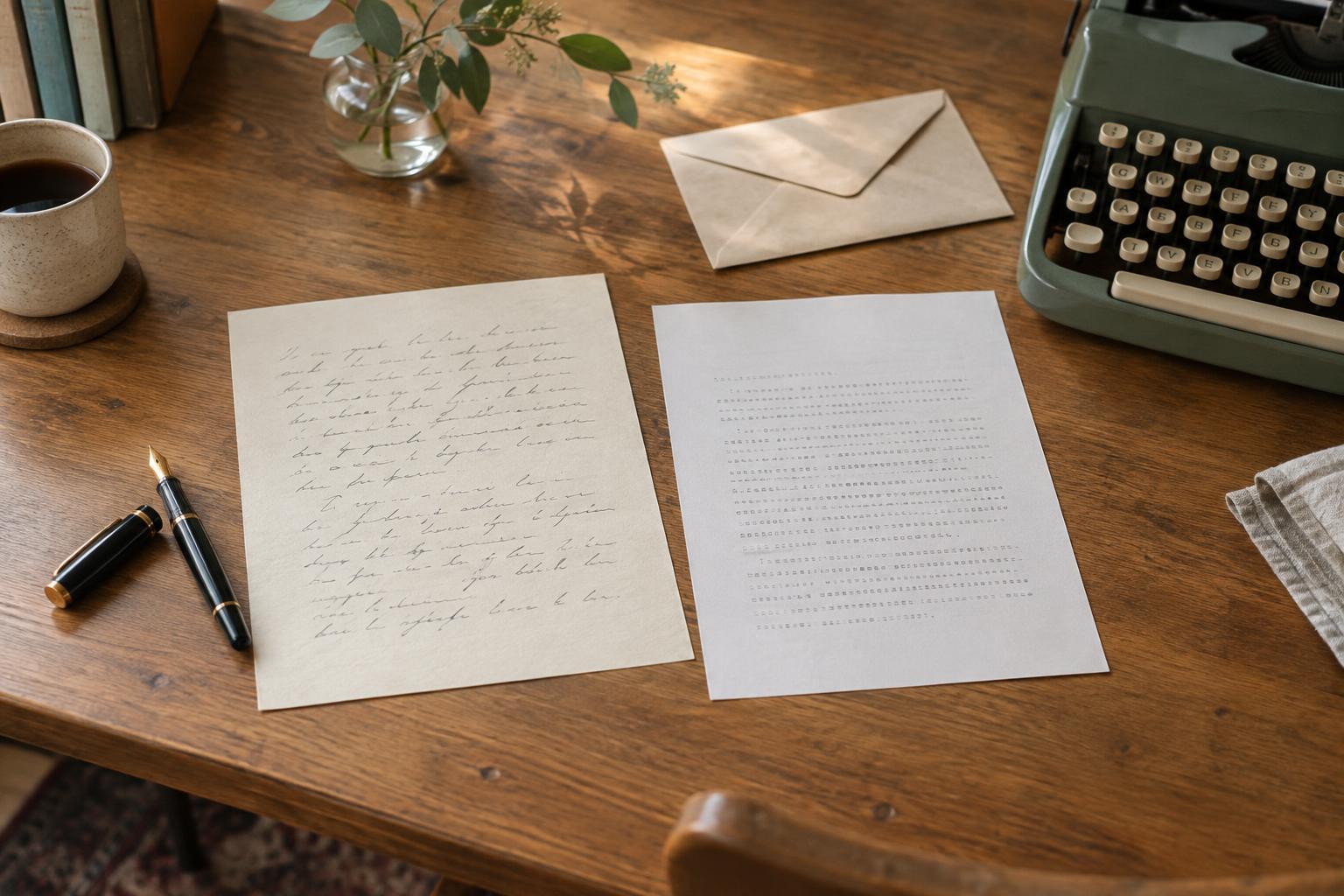
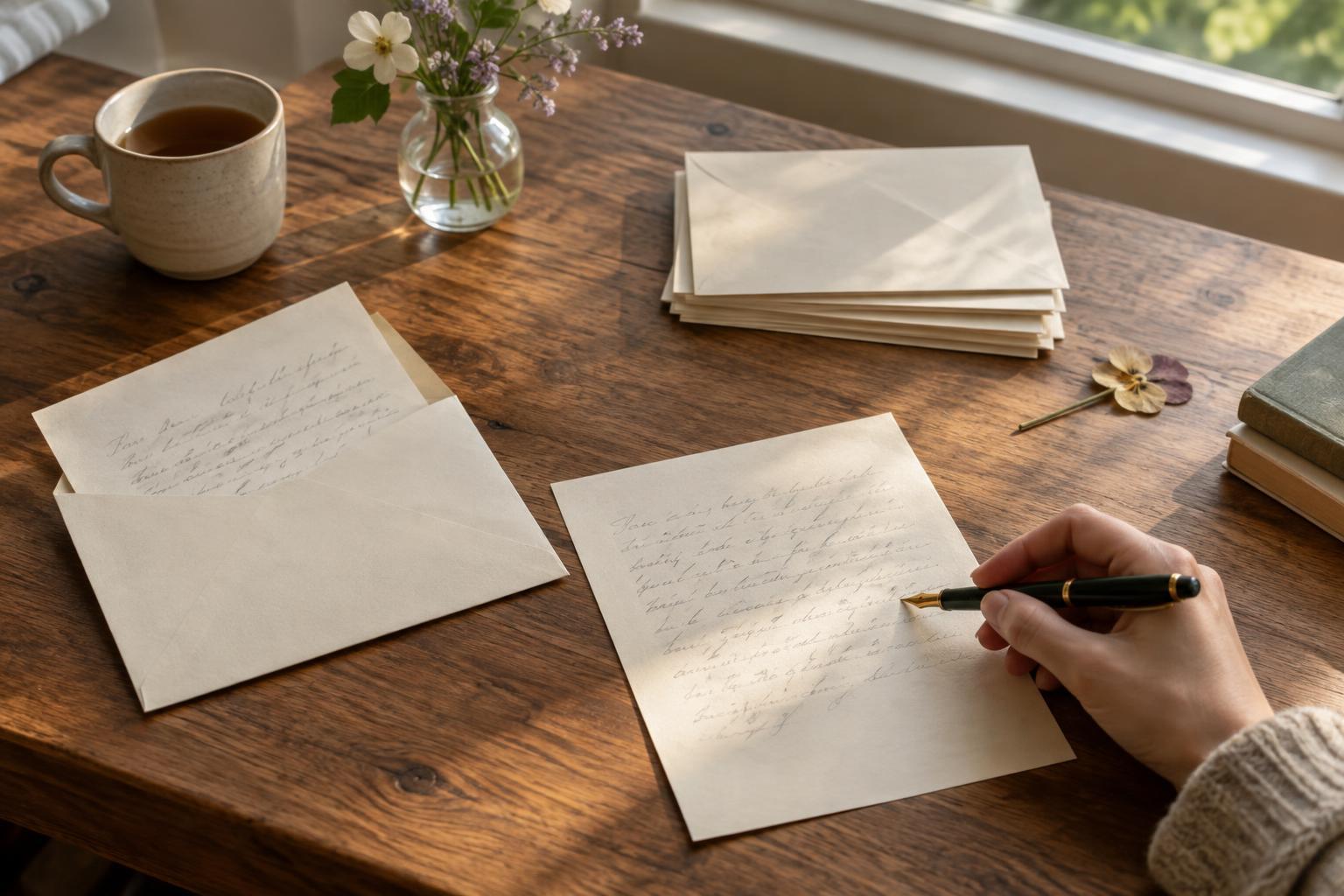
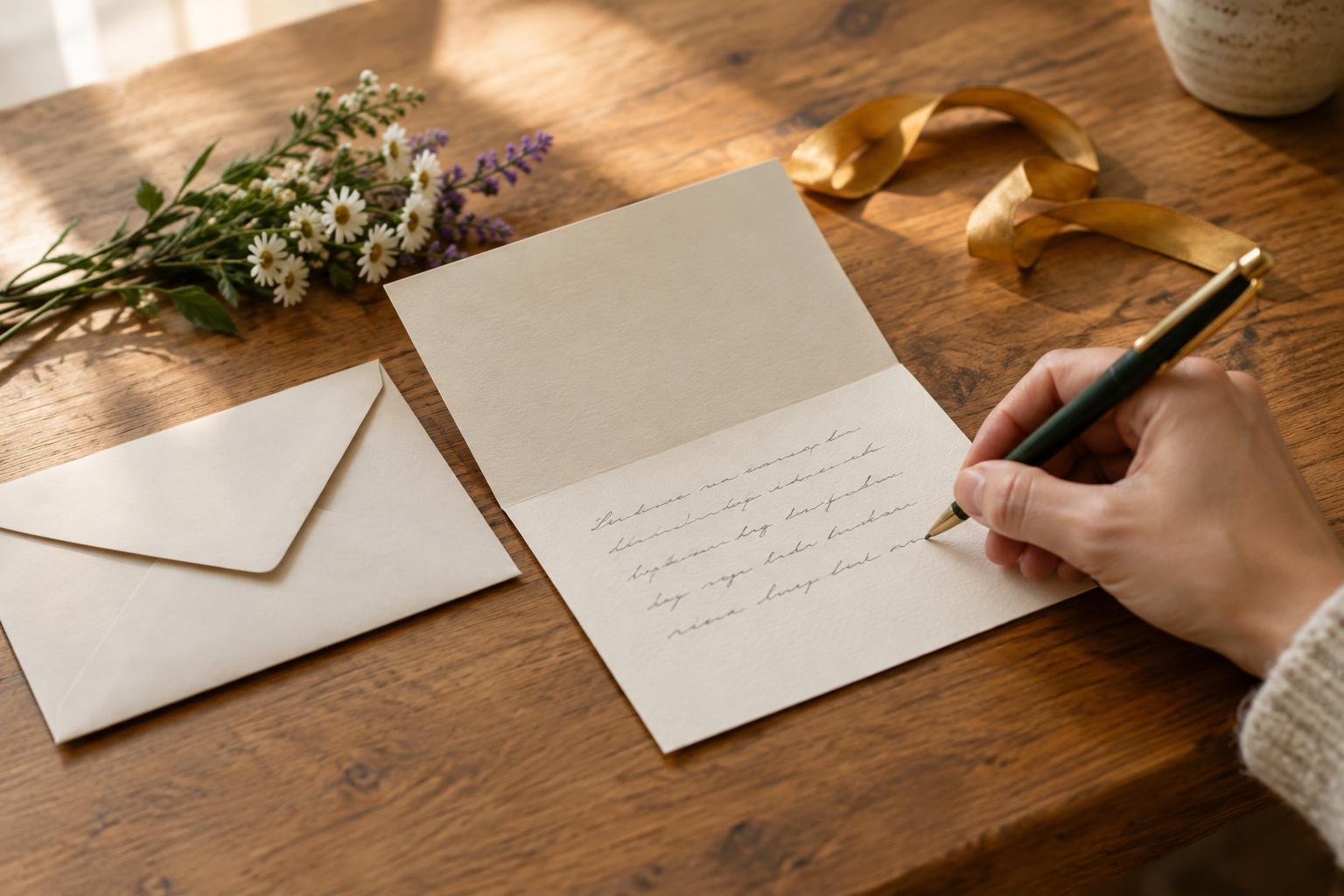
Handwriting can add a personal touch if it suits your relationship, but neat paper cannot do the work of honest words. Choose a format the person can comfortably read, proofread it and send it without expecting an immediate answer. Afterward, give them the space you offered. If they do respond, listen before explaining yourself again; if they do not, continue making the changes you said you would make.