Start with what you’re thanking them for
A neighbor might bring in a package, water your plants, lend you a tool or check on your home while you’re away. The most thoughtful gift starts with that specific kindness. A brief note that names what they did often means more than a larger present that could have been given to anyone. You might write, “Thank you for bringing in our packages while we were away. It was such a relief to know they were safe.”
Let the size of the gesture guide the size of the gift. A card may be plenty for a small favor; repeated help might call for something a little more substantial. Either way, keep the exchange comfortable. The aim is to show appreciation, not to make your neighbor feel that helping you created an obligation.
Choose something easy to enjoy
If you know your neighbor’s tastes, a modest gift connected to them can feel personal: a packet of seeds for someone who gardens, a puzzle for someone who enjoys quiet afternoons or a small assortment of stationery for someone who writes letters. If you know less about them, choose something with few demands on their time or space, such as a nice notebook or a reusable tote.
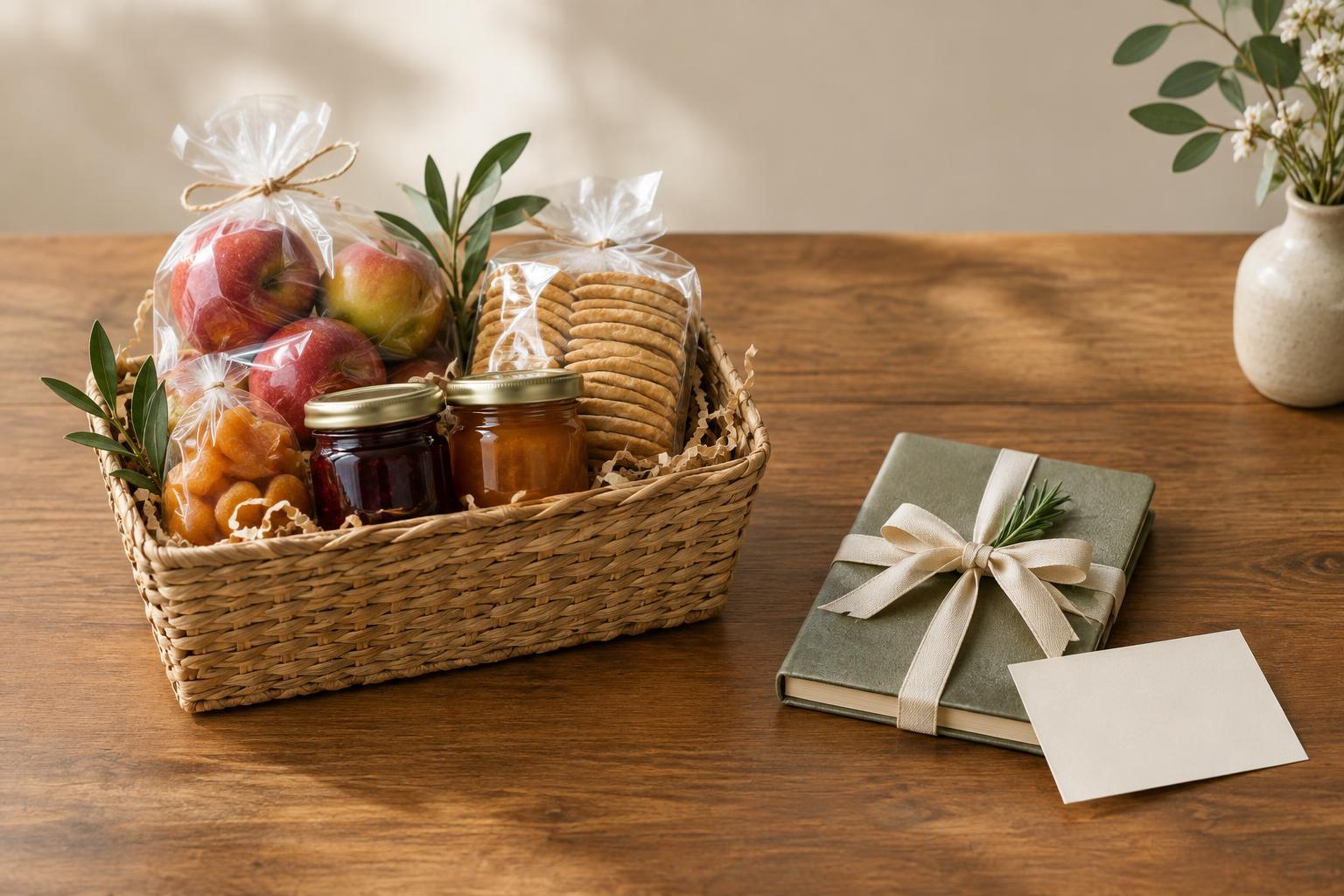
Food can be a friendly option, but it helps to be cautious about allergies, dietary preferences and ingredients. A clearly labeled, sealed item may be easier to give than homemade food when you do not know someone well. Flowers and plants also need care, and strongly scented items are not for everyone. When in doubt, a handwritten card on its own is a complete gift.
Make a shared-space gift feel considerate
For a neighbor who has helped the whole building or block, you might choose a gift that suits a shared interest rather than guessing at a personal one. If you both talk about gardening, for instance, a few seed packets tucked into a card can recall those conversations. If you have swapped book recommendations, a bookmark with a note about the next title you hope to discuss is simple and specific.
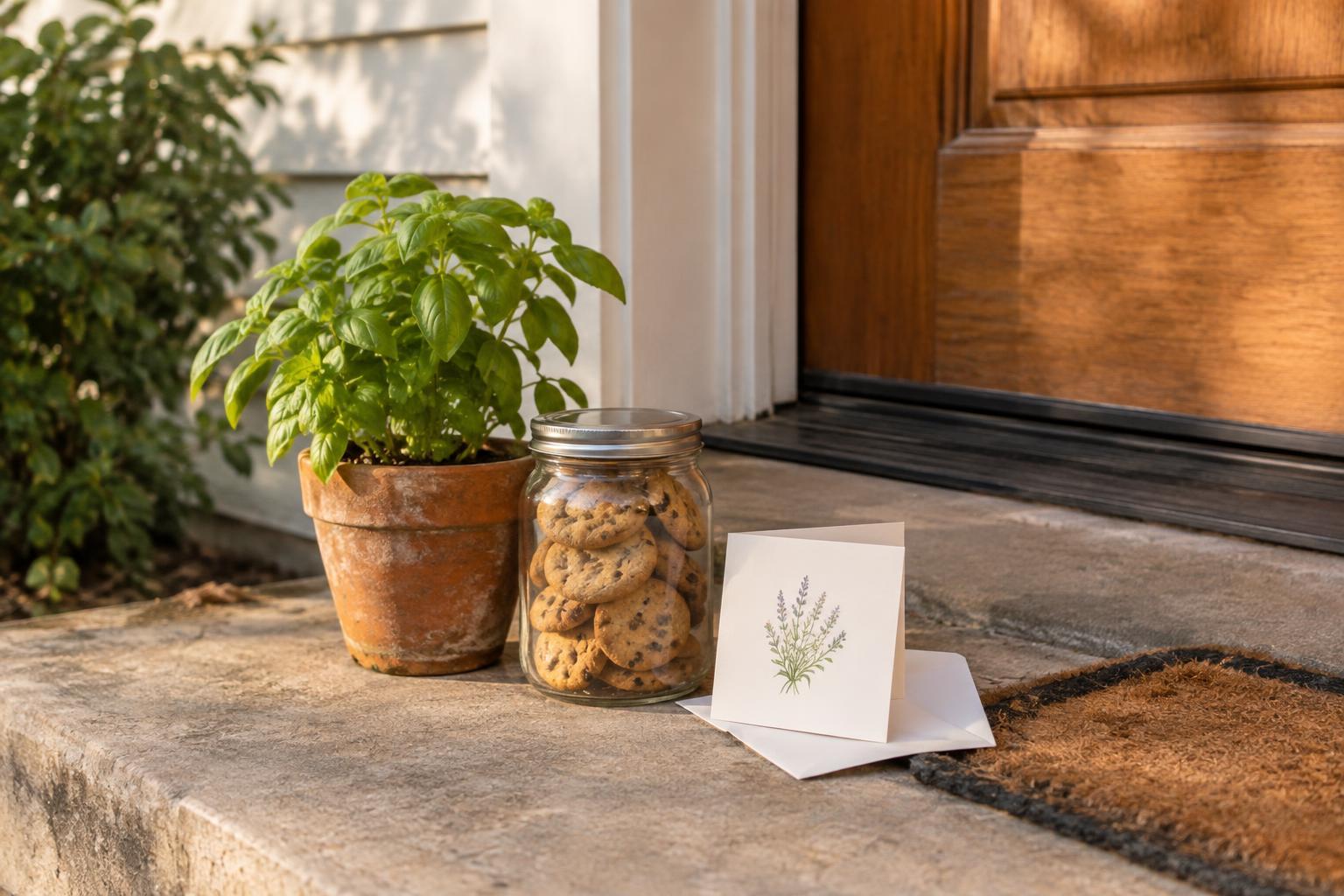
Avoid leaving anything in a communal area unless you know it is welcome there. Shared spaces have rules, cleaning routines and other people’s needs to consider. Giving the gift directly, or leaving it at their door in a tidy bag if that is customary where you live, keeps your thank-you from becoming extra work for someone else.
Put care into the presentation, not the price
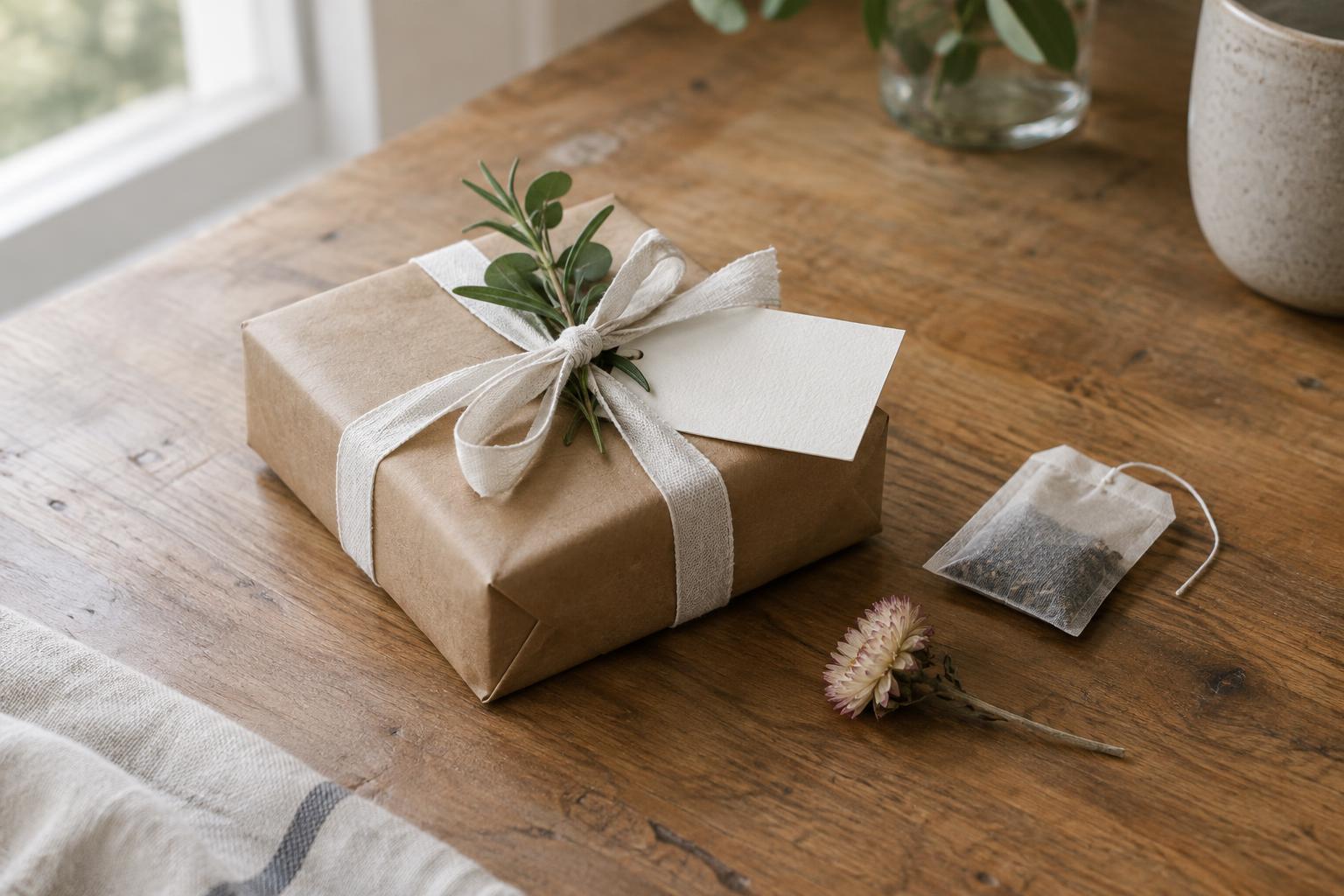
A small gift feels considered when it is neatly presented. Wrap a notebook in plain paper and add a short note under the ribbon, or tie a tag to the handle of a tote. Reusing clean gift paper, a fabric scrap or a sturdy bag can look lovely without making the presentation elaborate. Check that your note is easy to spot so your neighbor knows who the gift is from and why you left it.
Keep the message direct and warm. You can mention the helpful act, say how it made a difference and end with a simple thank-you. There is no need to apologize for the gift being small or to insist that they deserve more. A sincere sentence, written in your own voice, carries the meaning.
Give it without asking for anything back
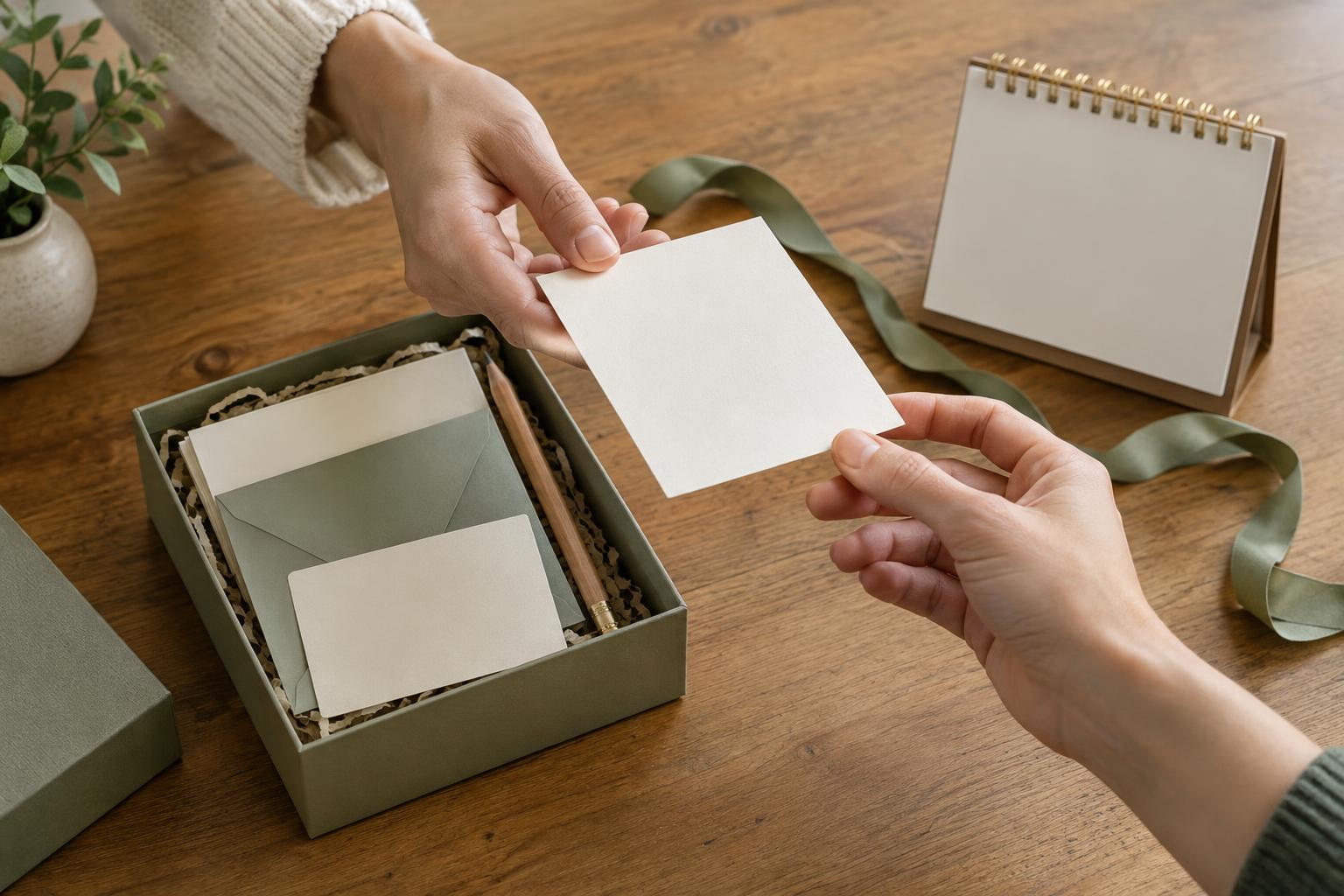
The easiest thank-you to receive comes with no expectation attached. If you see your neighbor regularly, hand them the card or gift and say you wanted to thank them for their help. If you rarely cross paths, a short note can explain the gesture without asking them to arrange a time to meet.
Consider your neighbor’s privacy and preferences, too. Some people love a doorstep chat; others may prefer a quiet exchange. However you give the gift, let them accept it with a simple “thank you.” That leaves room for the good part of being neighbors: noticing one another’s kindness and making it a little easier to offer again.