Start with a small, meaningful collection
Digitizing a family archive can sound like an enormous project. It does not have to begin with every album, folder and shoebox. Choose one manageable group: photographs from a celebration, letters between relatives, or documents connected to one person. A small batch lets you work out a routine before you tackle more fragile or complicated material.
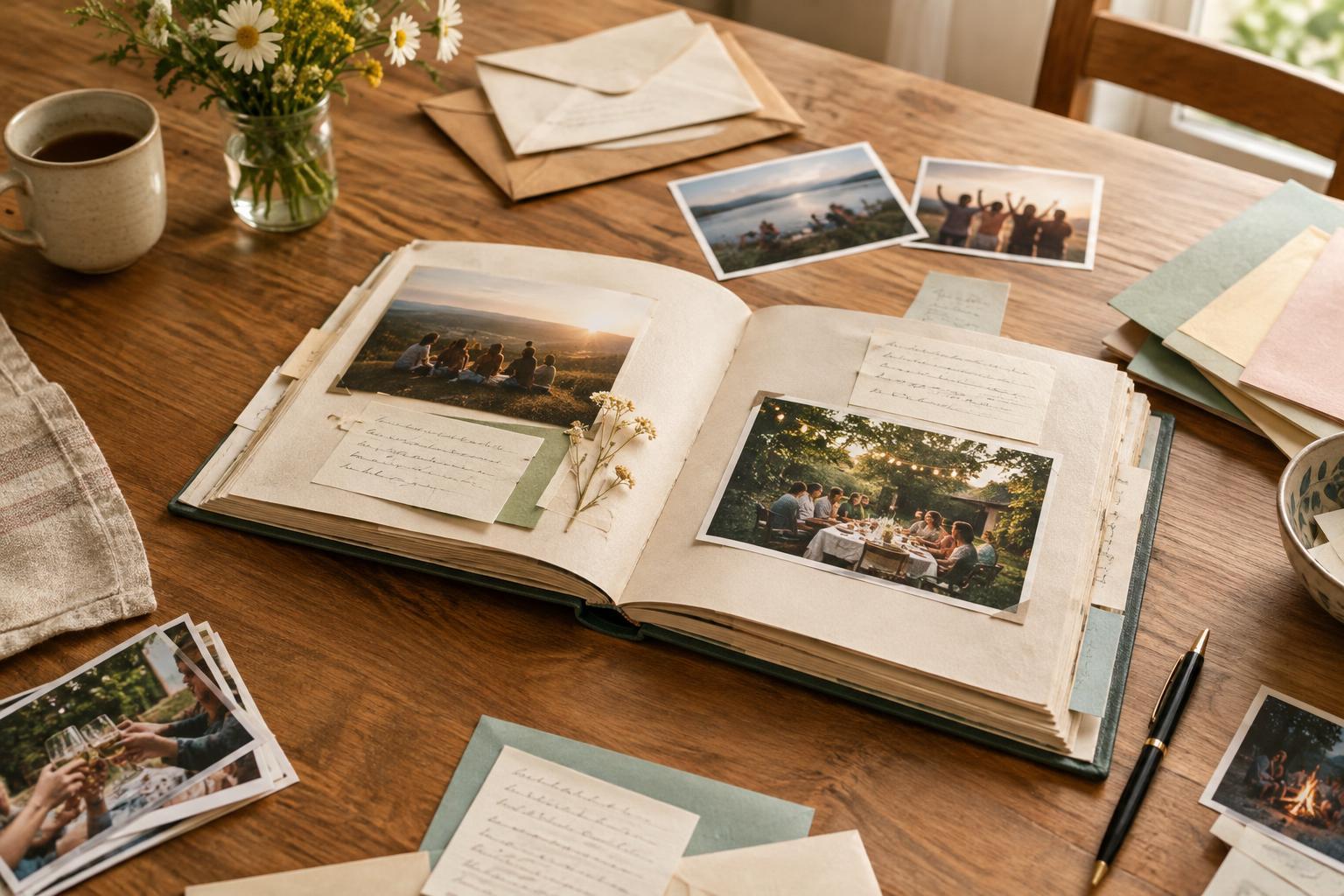
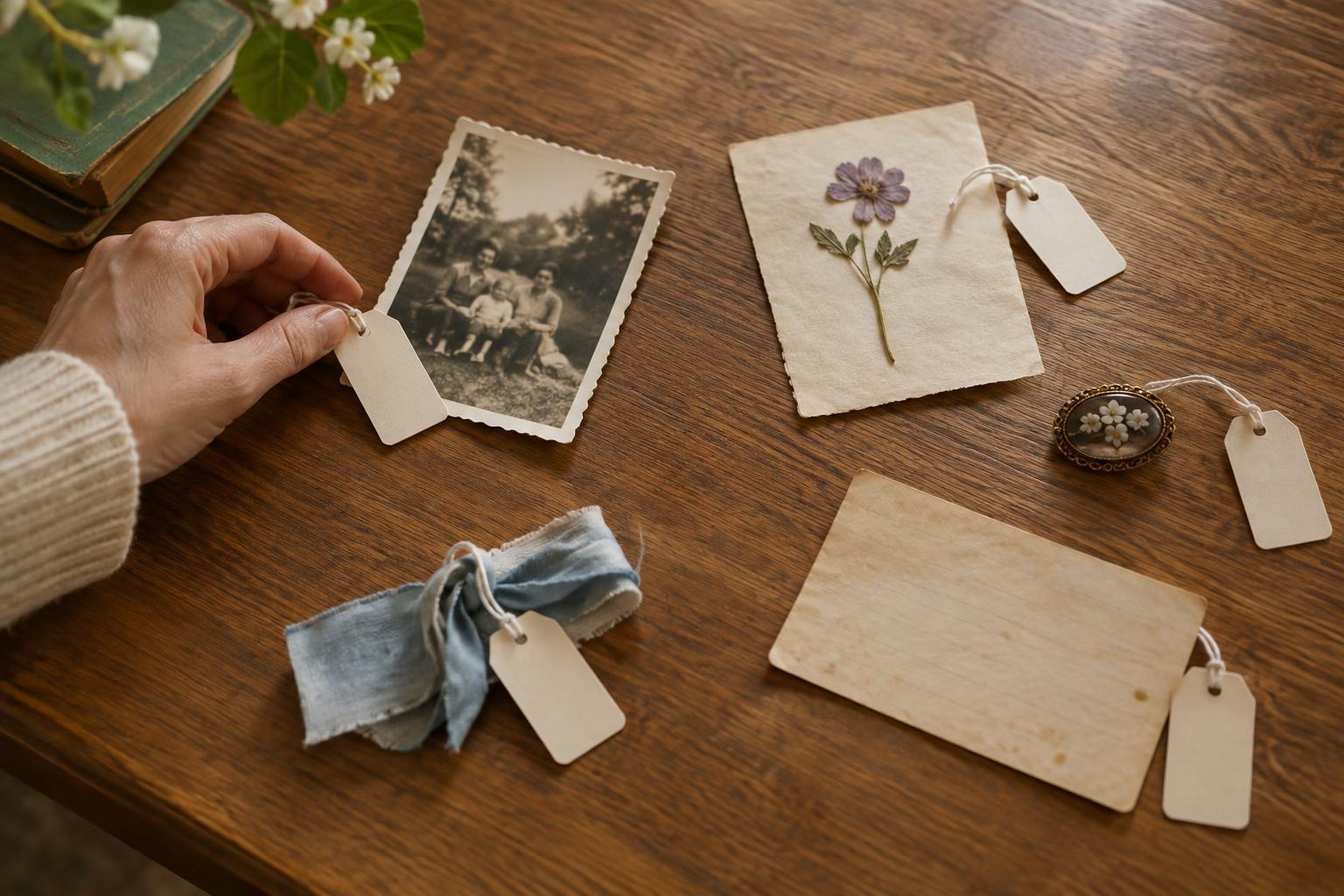
As you sort, keep any existing order that helps explain the collection. A photograph beside an invitation may reveal when an event took place; a note tucked into an envelope may identify its sender. Set aside items that need special care rather than forcing them through a scanner. If a page is brittle, a photograph is stuck to an album, or an item seems unusually valuable, leave it in place until you can decide on a safer way to capture it.
Choose a capture method that suits the item
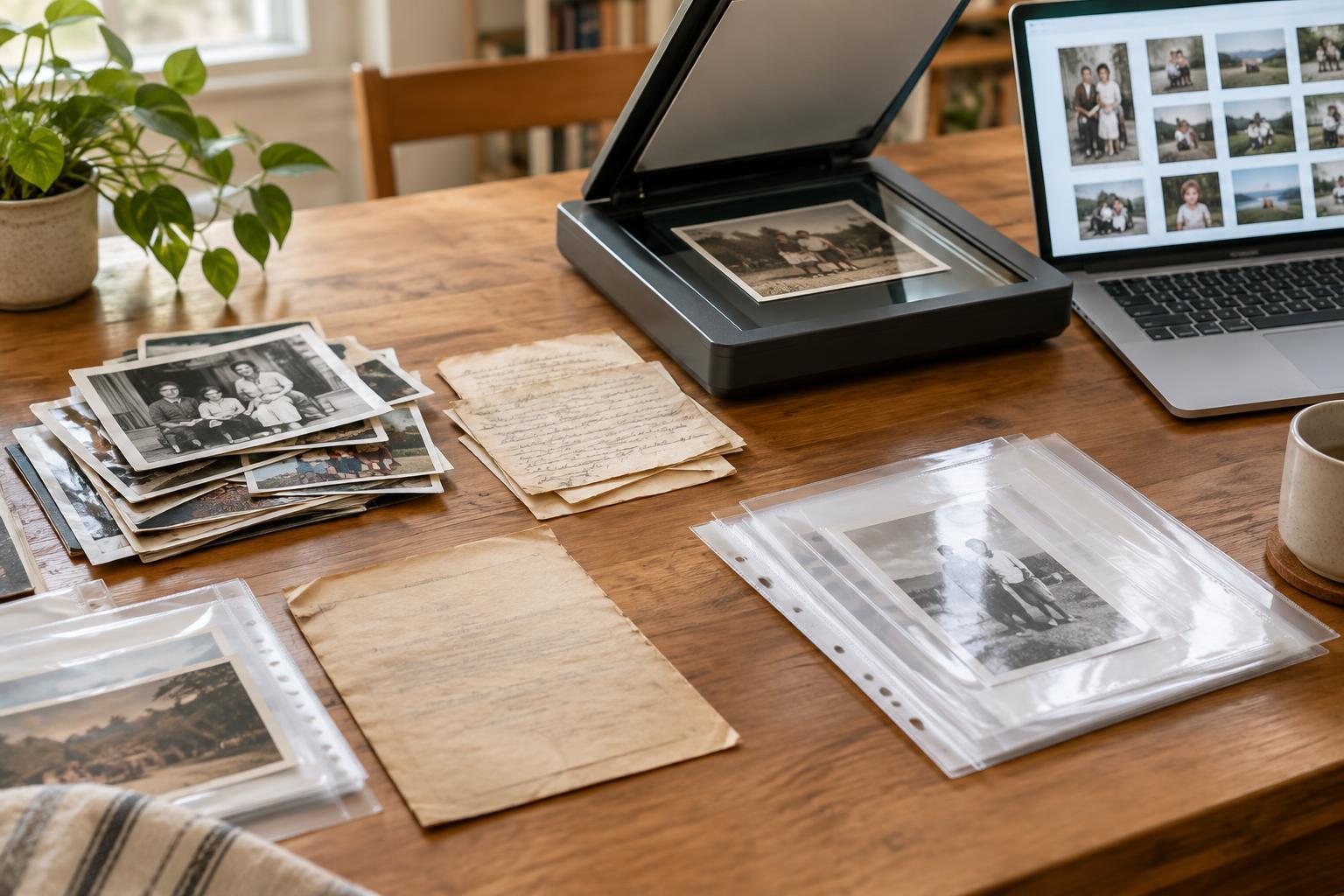
A flatbed scanner is useful for loose, flat photographs and documents because it provides even light and holds the image steady. Follow the scanner’s instructions, keep its glass clean, and place items gently without pressing down on fragile surfaces. For bound albums, oversized pages or pieces you should not flatten, a phone or camera can be a better choice.
When using a camera, put the item on a plain surface in soft, even light. Hold the camera parallel to the page, check that all corners are visible, and avoid shadows, glare and filters. Capture the front and back of a photograph if there is handwriting on the reverse. After each small batch, open a few files at full size to check that faces, dates and fine print are readable. It is much easier to retake an image while the originals are still laid out.
Give the files a clear home
Create a simple folder structure before files start to pile up. You might organize by family branch, person or event, then use a consistent name for each file. For example, a name could combine an approximate year, an event and a short description. If the date is uncertain, say so rather than turning a guess into a fact. Keep names descriptive enough to recognize without opening every image.
Preserve an unedited copy of each capture. You can make separate copies to crop, straighten or improve readability, but the original digital file gives you something to return to if an edit removes a useful detail. Add context in a companion text file or spreadsheet: who is pictured, who identified them, what is written on the back, and which details are uncertain. This record can be more valuable to future viewers than a perfect filename.
Back up your work and protect private details
A digital copy is helpful only if you can find it later. Keep your working files in one familiar location and make a second copy somewhere separate, such as an external drive or a storage account you already use. Check occasionally that the backup opens and includes recent additions. You do not need an elaborate system to begin, but relying on a single phone or computer leaves the collection vulnerable to loss.
Think before sharing documents that contain addresses, signatures, account details or information about living people. A family member may welcome an old group photograph but feel differently about a private letter. Ask when you can, share only what is needed, and consider making a version with sensitive details covered. Keep the untouched capture private so that your shared copy does not replace the fuller family record.
Make the archive useful without losing the originals
Once a small collection is organized, give it a purpose. Send a relative a few images with a question about names or places. Pair a scanned recipe with a memory of the person who made it, or use copies of old photographs in a birthday keepsake. Invite corrections and record who supplied them; family memories can differ, and it is fine to preserve more than one account.
Digitizing is not a reason to discard the physical pieces. Original prints, handwriting, paper and envelopes can carry meaning that a screen cannot capture. Return items to suitable storage after scanning, avoiding damp spaces and materials that may stick to delicate surfaces. Then choose the next small batch. A collection built gradually, with clear notes and careful sharing, is often more useful than a huge folder of anonymous images.