Start with the person and the occasion
Before asking anyone to contribute, decide what the book is meant to celebrate. A retirement book may focus on shared projects and everyday kindness; a birthday book might make room for childhood stories, recent memories and hopes for the years ahead. This gives contributors a direction without requiring every page to sound alike. Think, too, about the recipient’s preferences. Someone who enjoys a lively gathering may love funny anecdotes, while someone more private may prefer warm notes from a smaller circle.
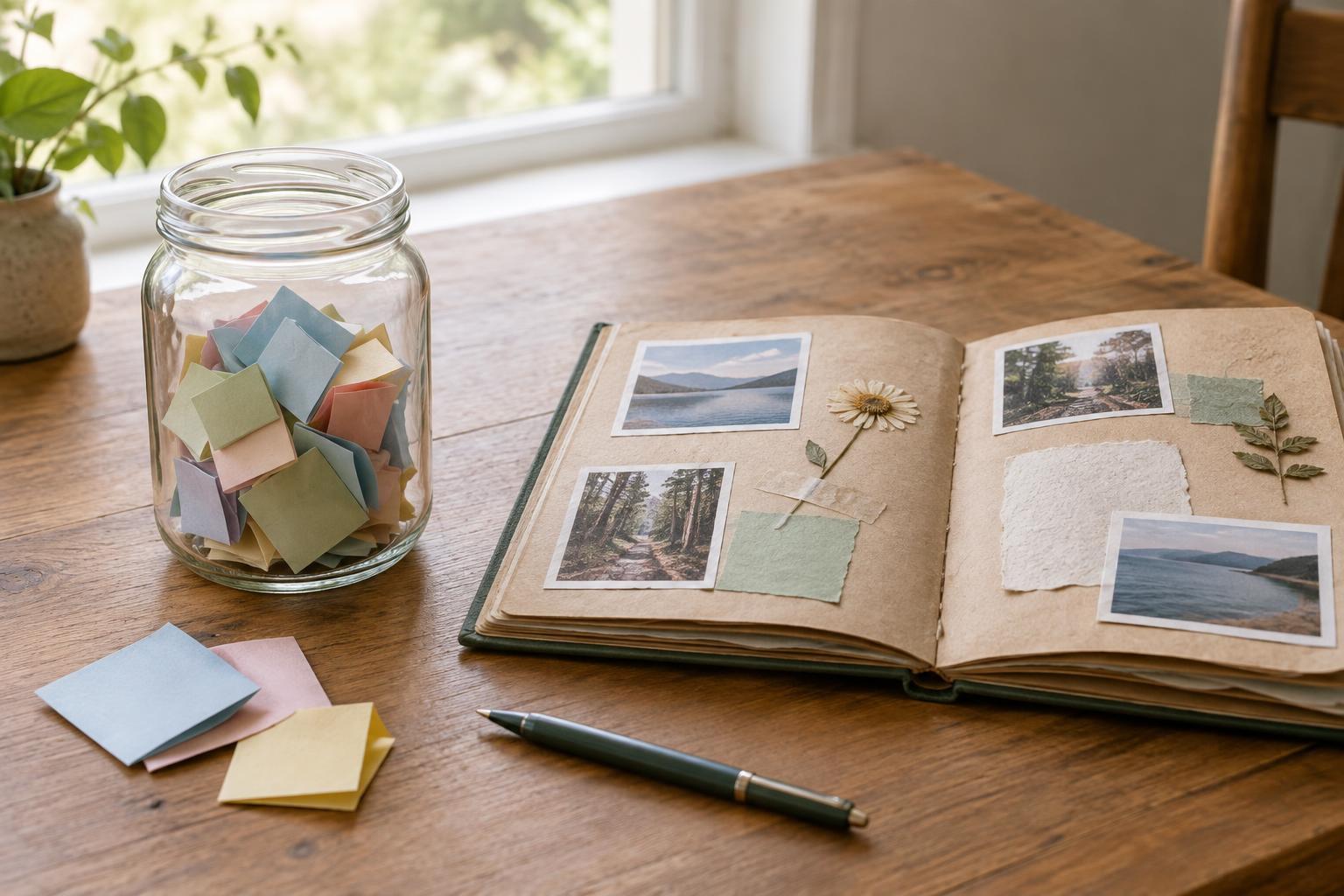
Choose a format you can realistically finish. You might assemble a binder of handwritten pages, print a collection of typed messages or make a small book that mixes photographs and short notes. Set a rough page count and decide whether each person gets a page or whether you will group contributions by theme. A modest book with legible, heartfelt entries is more valuable than an ambitious one that never quite gets completed.
Write an invitation people can act on
A good request answers the practical questions immediately: who the book is for, what to send, where to send it and when it is due. Include a suggested length, such as a few sentences or one short story, but welcome brief notes. If you want images, explain whether photographs, drawings or scans of handwritten messages are useful. Ask contributors to include the name they want printed, and let them know if you may lightly edit for spelling or length.
Prompts help people who want to participate but do not know where to begin. Offer choices rather than a questionnaire: “What is a small moment you still remember?”, “What have you learned from them?” or “What would you like to thank them for?” For a shared celebration, you could also ask for a favorite recipe, a place associated with the person or a wish for their next chapter. Mention that a simple message is enough; contributors should not feel they need a remarkable story.
Make submitting a memory easy
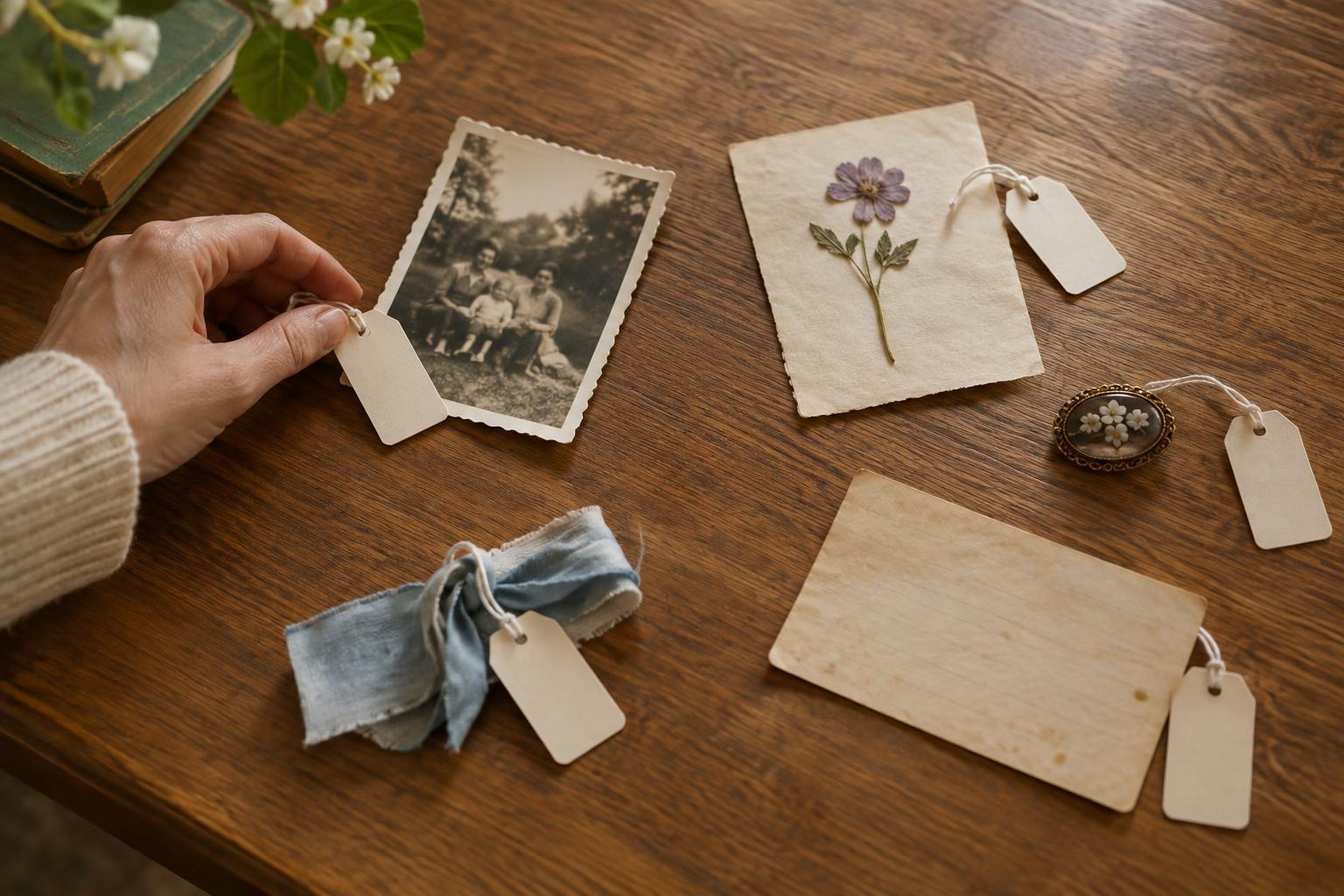
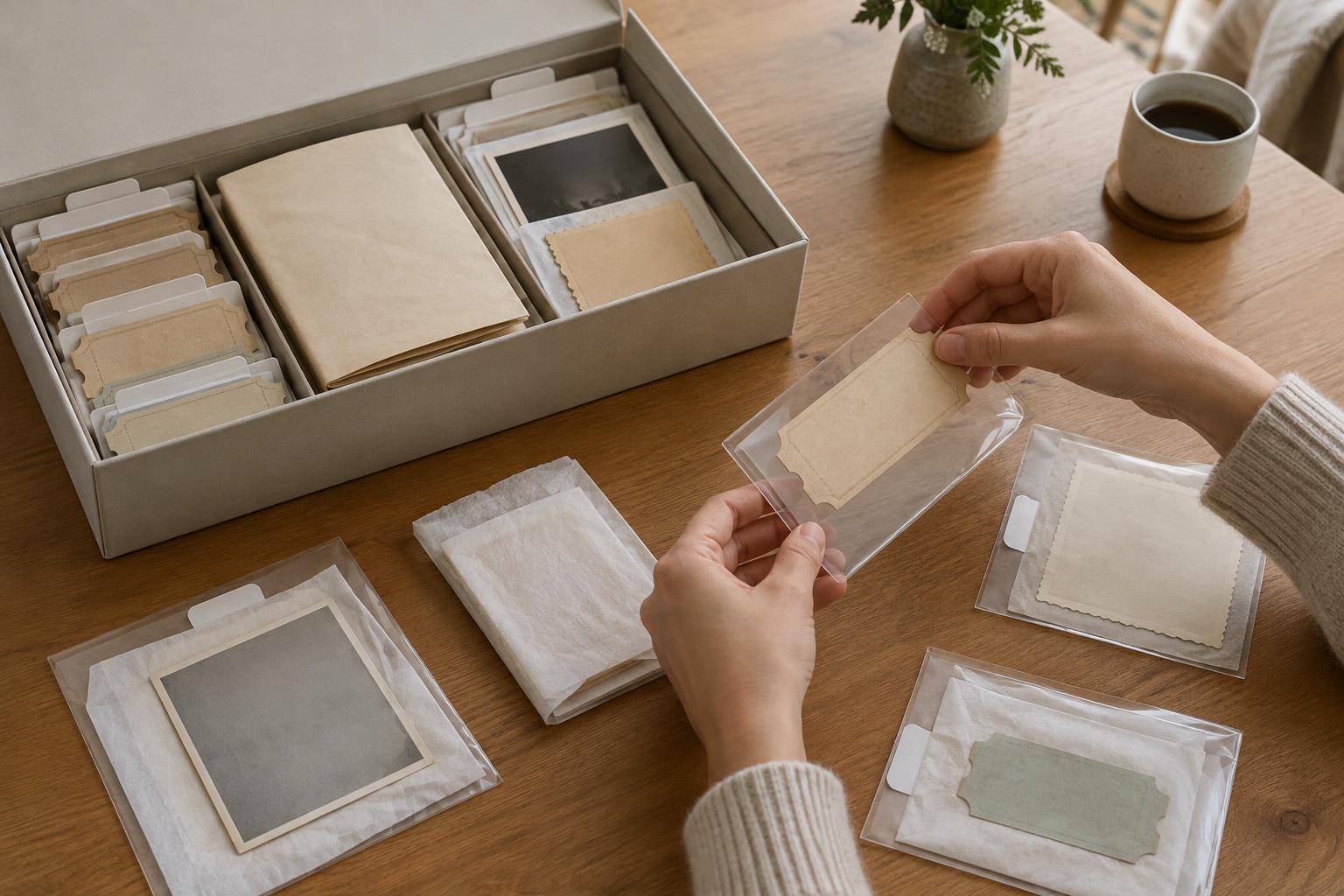
Offer a small number of submission options that you can manage, such as email for typed notes and photos, plus a mailing address or collection point for handwritten pages. Give clear guidance for physical contributions: paper size, whether to write on one side and whether originals will be returned. For digital photos, ask for the best available copy and a short caption identifying people or the occasion. Keep incoming files and messages in one folder so nothing gets lost in a long conversation thread.
Build in time for reminders and assembly. Set the contributor deadline earlier than the day you need to finish the book, then send one friendly reminder while there is still time to respond. If someone misses the deadline, decide whether a short note can fit on a final page rather than redesigning the whole layout. Keep a simple checklist of invitations sent, contributions received and any permissions or follow-up questions still outstanding.
Edit with care and protect private details
The aim is to preserve each person’s voice, not make every entry sound polished in the same way. Correct obvious typos if needed, but check with the writer before shortening a story, changing its meaning or using a photograph they supplied. If an anecdote involves someone else, consider whether it would be comfortable for that person, and for the recipient, to see it in print. When in doubt, choose a gentler memory or ask before including it.
Tell contributors who will see the finished book. A gift meant only for the recipient is different from a booklet passed around at a party or shared digitally with a large group. Avoid printing contact details, sensitive family information or stories shared in confidence. If you plan to make extra copies, say so in the invitation. These small decisions help the book feel like a trusted collection of memories rather than a public record of every story submitted.
Give the collection a shape and a final check
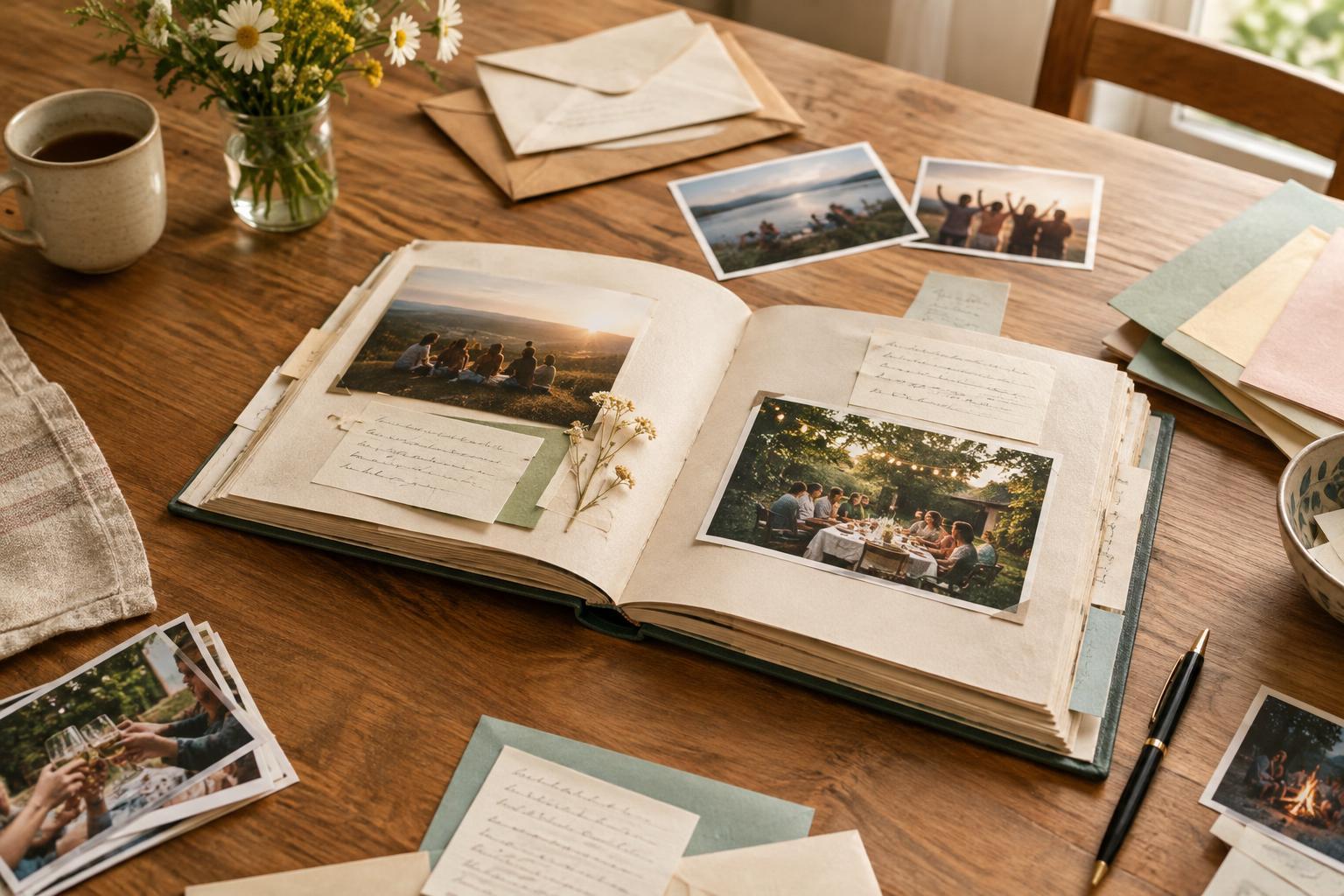
Once the entries arrive, arrange them in a way that feels natural: roughly chronological, by different parts of the recipient’s life or in a varied sequence of long and short pieces. A title page and a brief opening note can explain the occasion. Captions give photographs context, and generous space around handwritten messages keeps them readable. You do not need elaborate decoration; consistent page sizes and a few repeated design choices can bring very different contributions together.
Before assembling the final copy, check names, captions, page order and image placement. Read through the book as the recipient might, looking for accidental repetition or a story that needs clarification. If possible, ask one trusted helper to proofread without circulating everyone’s messages widely. Leave a page at the back for a note from the organizers or for new memories made during the celebration. A group memory book need not be complete to be meaningful: its strength lies in the many distinct ways people chose to show they care.