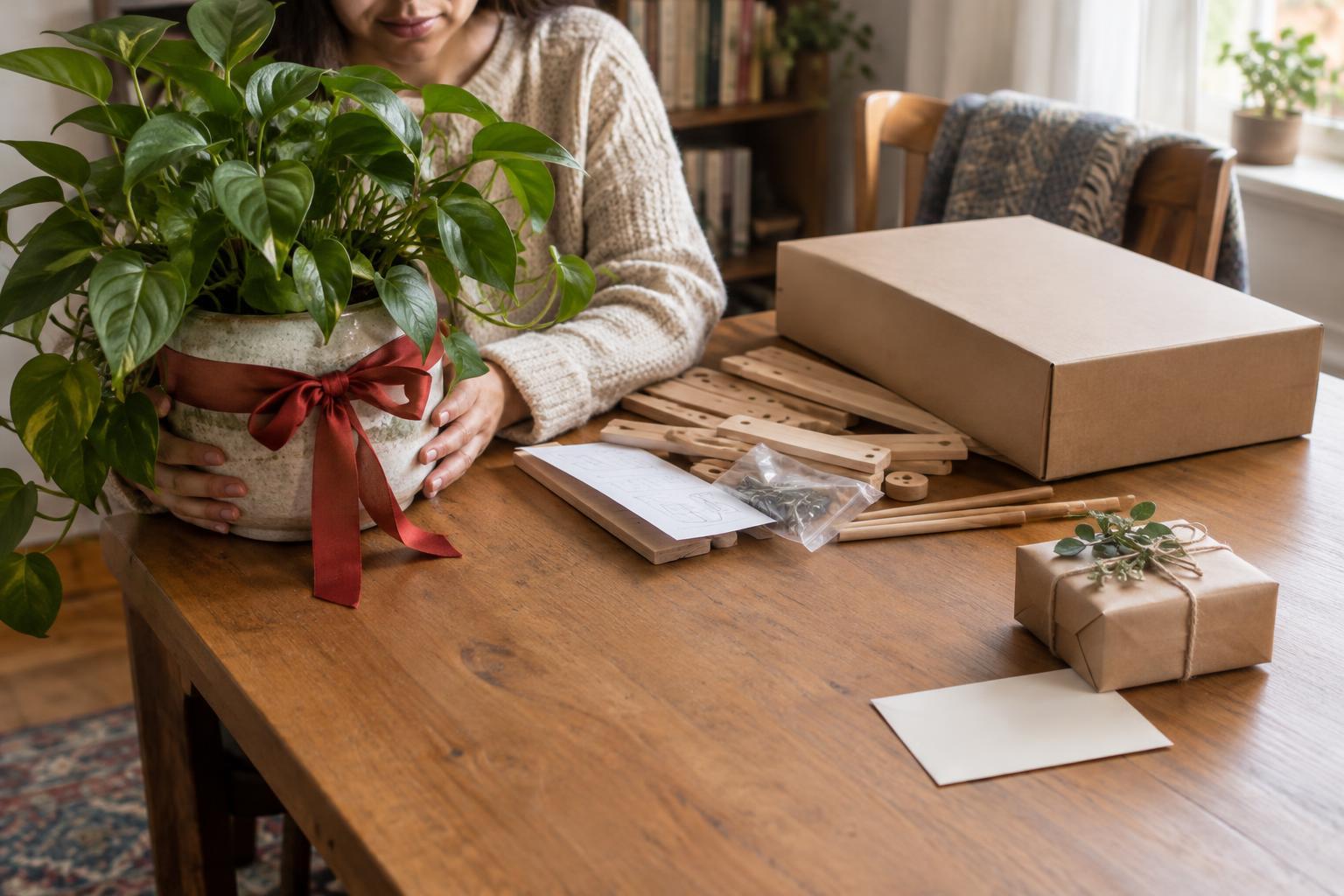
Think of your list as a guide, not an order form
A gift wish list can feel awkward to make, especially if you worry it will sound demanding. But when someone has asked what you would like, a little guidance can spare them guesswork. The most useful list helps a giver understand your tastes and needs while leaving them free to choose what feels right.
Before adding anything, jot down a few broad categories: things you use often, hobbies you enjoy, small comforts, experiences you would welcome and supplies you tend to replace. Include ideas you genuinely want, rather than items that merely seem appropriate to request. You do not need to fill every category. A short, considered list is easier to use than a long collection of possibilities you feel indifferent about.
Give enough detail to make choosing easy
For an item that needs to fit or serve a particular purpose, be specific. Note sizes, preferred colors, useful features or materials you avoid. “A notebook” leaves many decisions open; “an A5 notebook with plain pages that lies flat” gives someone a clearer starting point. If a particular model matters, name it and explain why. If it does not, say that similar options are welcome.
Details also help prevent well-meant duplicates. You might mention that you already have plenty of mugs, that you prefer unscented products or that you have limited shelf space. Keep these notes brief and friendly: they are there to help someone choose, not to set a test they must pass.
Where possible, describe both an example and the idea behind it. “A simple frame for a 5-by-7-inch photo, ideally in wood” is useful even if the giver finds a different frame from the one you pictured. This gives them a way to make the gift personal while still meeting your needs.
Offer different price points and kinds of gifts
People have different budgets, and you may not know what anyone plans to spend. Mix a few small ideas with larger ones rather than making the list revolve around a single price range. A favorite tea, replacement art supplies or a puzzle can sit alongside a more expensive item. If you would enjoy a contribution toward something larger, say so without implying that anyone should contribute.
Not every idea has to be a product. You might welcome a shared afternoon, help with a small project, a favorite family recipe written out by hand or a printed photograph with a note about the memory. These options are especially helpful for people who enjoy giving something personal. Only suggest experiences you would realistically have time to arrange, and consider whether any costs would fall on the giver.
Make the list easy to browse and keep current
Put your ideas in one simple document or note that you can share when asked. Group similar suggestions together, and use short descriptions rather than long explanations for every entry. Links can clarify a hard-to-describe item, but include its name and key details too; a link may stop working or point to an unavailable option. Avoid assuming someone will buy from a particular shop.
Review the list before a birthday, holiday or other occasion. Remove things you no longer want, update sizes and check whether you have already bought anything on it. If several people may use the same list, a way to mark an item as chosen can help avoid duplicates. For a small, informal list, someone coordinating gifts may be simpler.
Consider what you are comfortable sharing. A wish list rarely needs your home address, personal measurements beyond those relevant to a gift or details about your daily schedule. You can give any necessary delivery information directly to a trusted giver later.
Share it warmly, then leave room for surprise
A list works best as a response to an invitation, not an expectation. When someone asks, you might say, “I made a few ideas in case they’re helpful, but please feel free to choose something else.” That makes the purpose clear: you are offering guidance, not assigning a task. If they prefer to surprise you, a few clues about your interests may be enough.
You can also add a short note about what you value in a gift: perhaps useful everyday objects, secondhand finds, handmade items or time together. This tells people more about you than a list of products alone. Once you have shared it, try not to monitor what people choose. The list has done its job if it helps them give with confidence—and helps you receive their thoughtfulness with appreciation.