When a gift arrives with a job attached
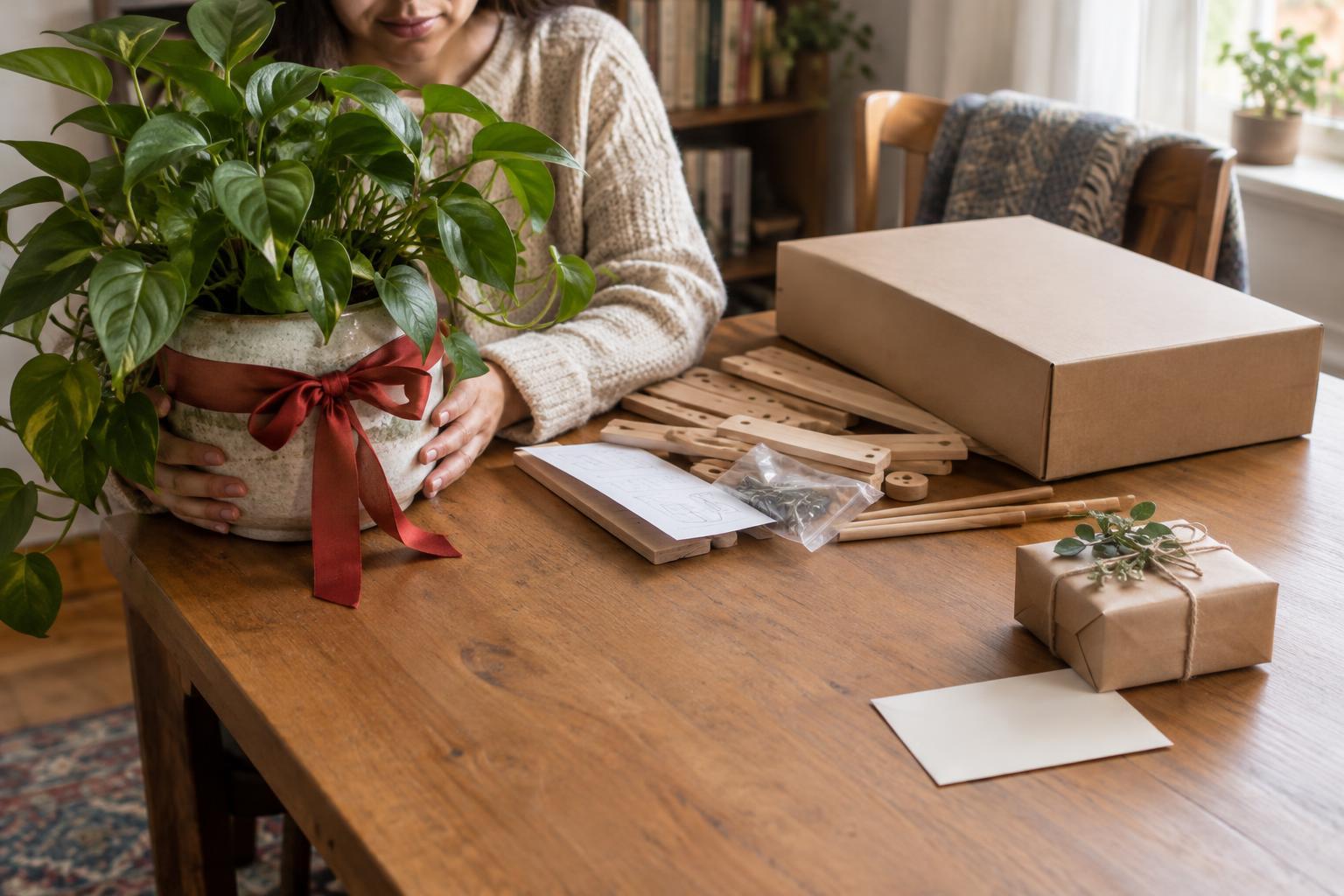
A present can be chosen with affection and still create work for the person receiving it. They may need to assemble it, find room for it, arrange transportation or learn how to use it. None of those tasks is necessarily a problem. The mistake is treating the extra effort as an insignificant detail because the gift itself is exciting.
Before choosing something elaborate, picture the first week after it arrives. Does the recipient need equipment, storage, a free afternoon or help from someone else? A simple gift that fits easily into their life may feel more generous than a grander one that adds to an already full schedule.
Giving an experience they have to organize
Tickets, classes and outings can be wonderful, but they often require more than showing up. The recipient may have to travel, find childcare, take time off or coordinate with a guest. A fixed date can be especially difficult when the giver presents it as a delightful surprise and assumes the recipient will make it work.
If the experience is meant to be shared, ask about availability before booking. If it is for the recipient alone, favor flexible options when possible, and be clear about what is included. An invitation such as “I’d love to take you, if you’re interested” leaves room for an honest answer. It is kinder than handing over a plan that is difficult to decline.
Overlooking the ongoing cost
Some gifts are inexpensive to give but costly to keep. A plant needs suitable space and care. A device might need supplies or a paid service. A large decorative piece needs somewhere to live. Even a homemade item can become a burden if the recipient feels expected to display it permanently.
Think beyond the moment of unwrapping. If the gift needs maintenance, refills or a place in the home, check that it suits the person’s circumstances and tastes. For a bigger commitment, asking first does not spoil the thoughtfulness; it shows that the recipient’s preferences matter more than the surprise. If you want to keep an element of surprise, ask about a broad category and choose a detail yourself.
Expecting a particular kind of gratitude
A gift can become uncomfortable when it comes with requests for a photo, a social media post, a prominent place on a shelf or a detailed report on how often it is used. The recipient might be grateful without wanting to perform that gratitude publicly. Repeatedly asking whether they have tried the gift can also make a kind gesture feel like an assignment.
Let thanks be enough. You can say, “I thought you might enjoy this, but please use it however you like.” That permission is especially helpful with handmade items, sentimental objects and things the recipient may eventually pass along. Once given, the item belongs to them; they should not have to manage the giver’s feelings about it.
Making generosity easier to receive
Price can create pressure, too. An unusually expensive present may leave someone feeling that they must reciprocate, particularly when they did not expect an exchange. Spending less is not a lesser expression of care. A favorite snack, a useful small item or a handwritten note can be personal without suggesting that an equal gift is due.
The easiest way to reduce pressure is to stay curious about the person rather than attached to your idea. Notice what they already enjoy, respect what they have declined before, and ask when the gift would affect their time, home or budget. If you are uncertain, choose something modest and easy to use, or write a note recalling a shared moment. A good gift offers warmth while leaving the recipient free to respond, use it or set it aside on their own terms.