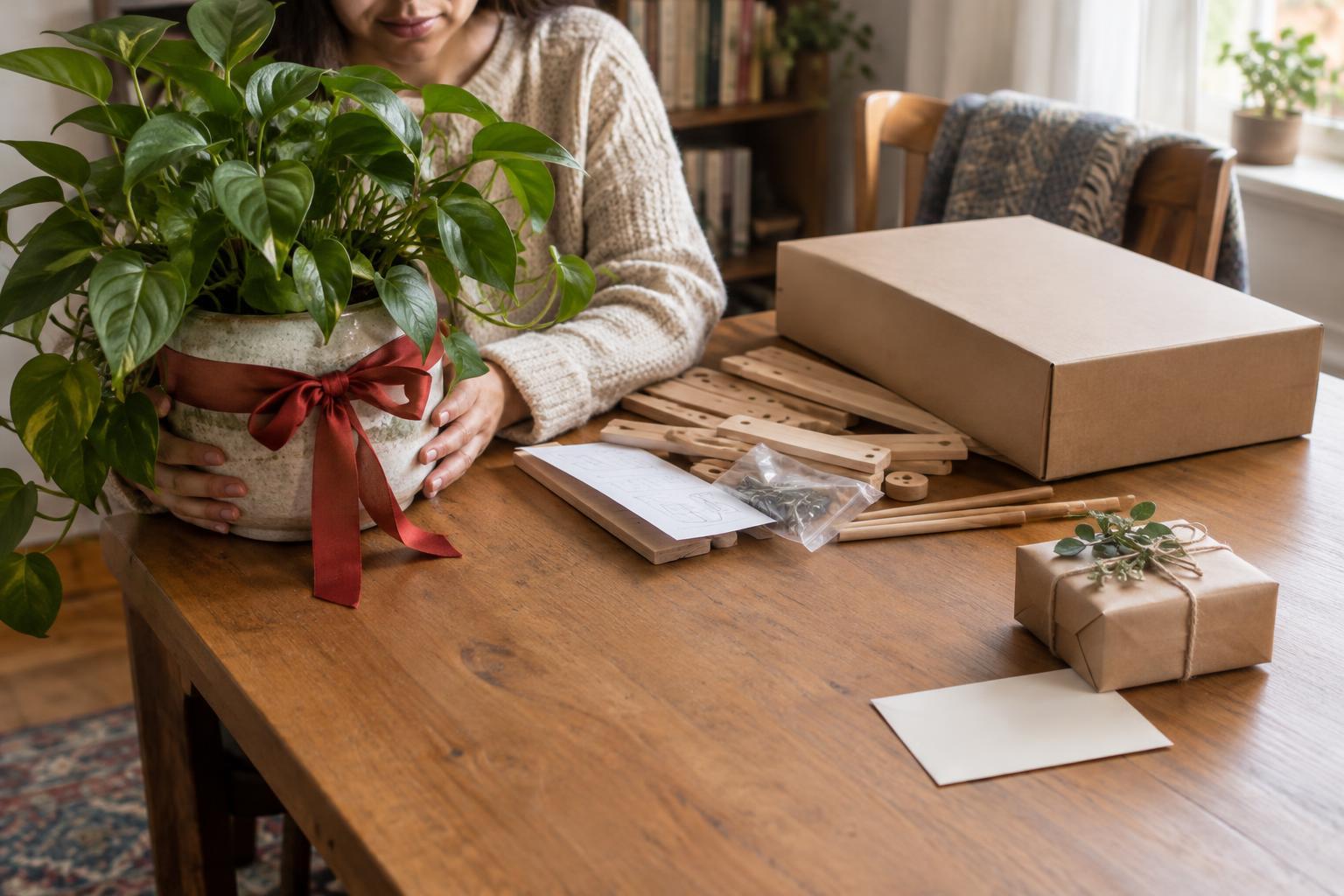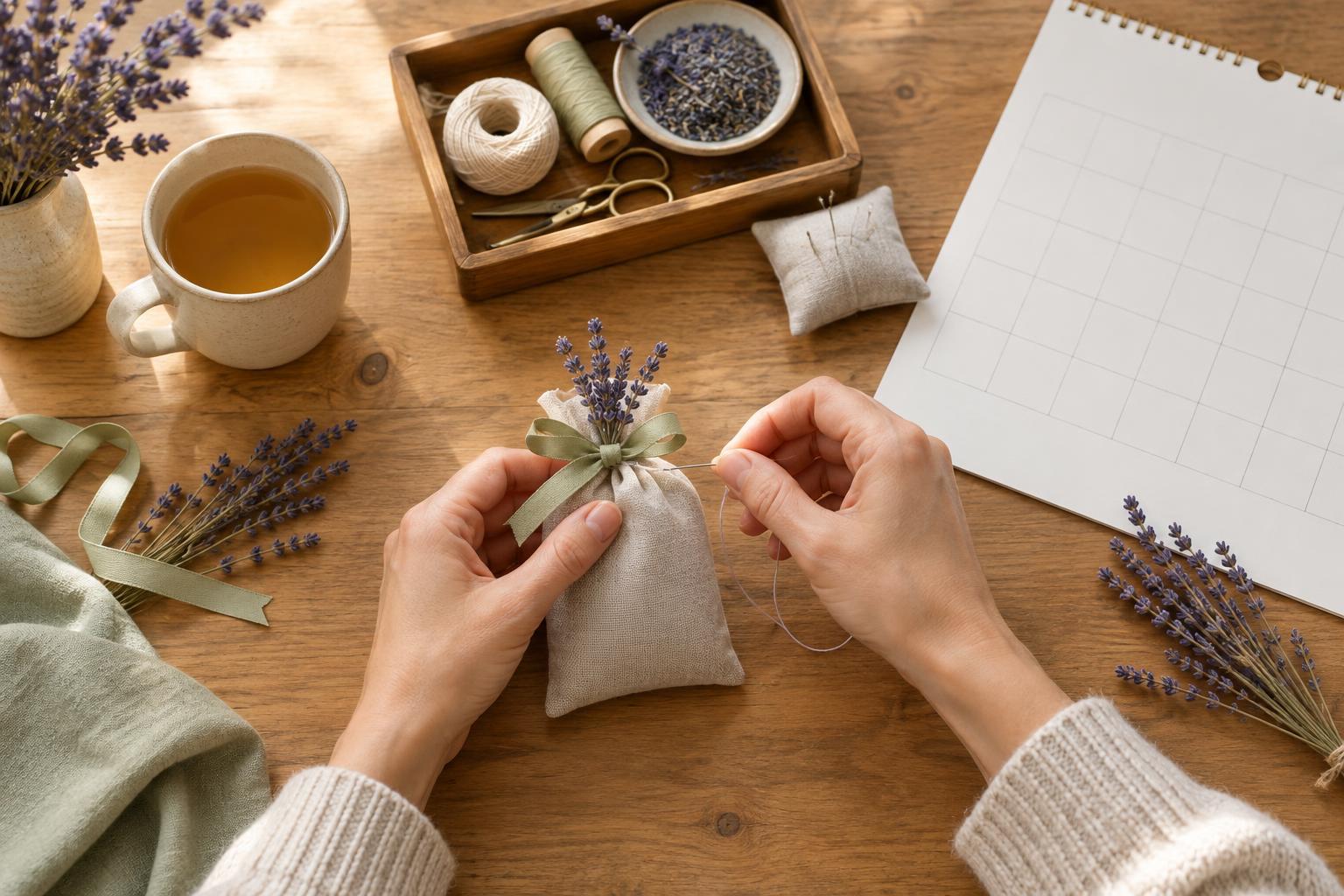
Start with the person, then check the calendar
The best handmade gift is not necessarily the most ambitious one. It is something the recipient will enjoy receiving and you can realistically finish. Begin by thinking about their tastes and habits. Would they use a decorated notebook, display a small framed drawing or appreciate a collection of favorite recipes? A modest gift that reflects something you know about them can feel more personal than a complicated project chosen because it looks impressive.
Next, work backward from the day you need the gift in hand. Leave room not just for making it, but for buying supplies, letting glue or paint dry, fixing mistakes and wrapping it. If you need to mail it, allow additional time for packing and transit without relying on a precise arrival day. Your true making deadline is earlier than the celebration.
Choose a project with a clear finish line
A finishable project has a small number of steps and a definition of “done” you can picture now. A handwritten recipe booklet might need five recipes, a cover and a ribbon. A photo gift might need one printed picture and a frame. By contrast, “make a scrapbook” can quietly grow into sorting hundreds of images, writing captions and finding the right supplies.
Match the technique to skills you already have. A deadline is a poor time to learn several new crafts at once. If you enjoy baking but rarely sew, homemade biscuits in a decorated tin may be a better choice than a stitched pouch. If you want to try a new technique, make it one small part of the gift, such as a stamped tag attached to something familiar.
Also consider what happens if an early step goes wrong. A project made from easily replaced materials is less stressful than one that depends on a single irreplaceable photograph or a specialty item that may be hard to find. When possible, keep a spare sheet, blank card or extra piece of fabric.
Make a quick time-and-supplies plan
Before committing, write down every stage: gather materials, prepare the pieces, make the gift, let it set if needed, add a note and package it. Estimate the hands-on time for each stage, then add a cushion. If you have only short evenings free, choose work you can pause neatly rather than a process that needs one uninterrupted afternoon.
Check what you already own before designing around new supplies. A beautiful project is less practical if its essential materials have not arrived or require a special trip. Paper, photographs, jars, fabric scraps and simple ribbon can all support thoughtful gifts, provided they suit the recipient and the finished item. If you are making food, check the recipient’s preferences and any known dietary restrictions first.
A useful test is to complete one small sample or the first unit of a repeated gift. Decorate one card before promising a set of twelve; assemble one page before planning a whole album. You will learn how long the work actually takes and whether the result feels worth repeating.
Keep the personal touch small and specific
Personalization does not have to mean adding more work. A short handwritten note can explain why you chose a color, recipe, photo or phrase. A simple label can turn a jar of homemade snack mix into a gift associated with a shared movie night. These details give the recipient a way into the story of the gift without requiring elaborate decoration.
Choose one detail to emphasize and let the rest stay simple. If the meaningful element is a favorite photograph, a plain frame may be enough. If the gift is a hand-bound notebook, a thoughtful message on the first page can matter more than an intricate cover. This approach saves time and helps the gift feel intentional rather than unfinished.
Plan a graceful backup
A backup plan protects the pleasure of making. Decide in advance what you can simplify if time gets tight: a set of six coasters can become a pair, a long recipe collection can become three well-presented favorites, and a detailed illustration can become a small card. Set a personal stop point before the deadline so you have time to package what you have completed.
If the project cannot be finished neatly, avoid handing over something fragile or wet simply to meet the date. A different, complete handmade gesture is often better. You might write a heartfelt letter, arrange a few printed photos or prepare a small treat instead. The aim is not to prove how many hours you spent. It is to give something considered, complete and enjoyable to receive.