Start with the person, not the package
The best care package is not necessarily the fullest one. Before choosing a theme, picture the recipient opening it: What would be useful or comforting on an ordinary day? Someone who enjoys trying new snacks may welcome a box of familiar favorites and small surprises. Someone with little storage space, a restricted diet or a crowded schedule may get more pleasure from a few nonfood items they can use at their own pace.
Think about why you are sending it, too. A package for a long study week might offer easy breaks and a reminder to rest. A package for someone settling into a new home could focus on small comforts that make the space feel familiar. Neither occasion requires an elaborate assortment. Choosing one clear purpose makes it easier to leave out things that look appealing but do not suit the recipient.
When food makes sense
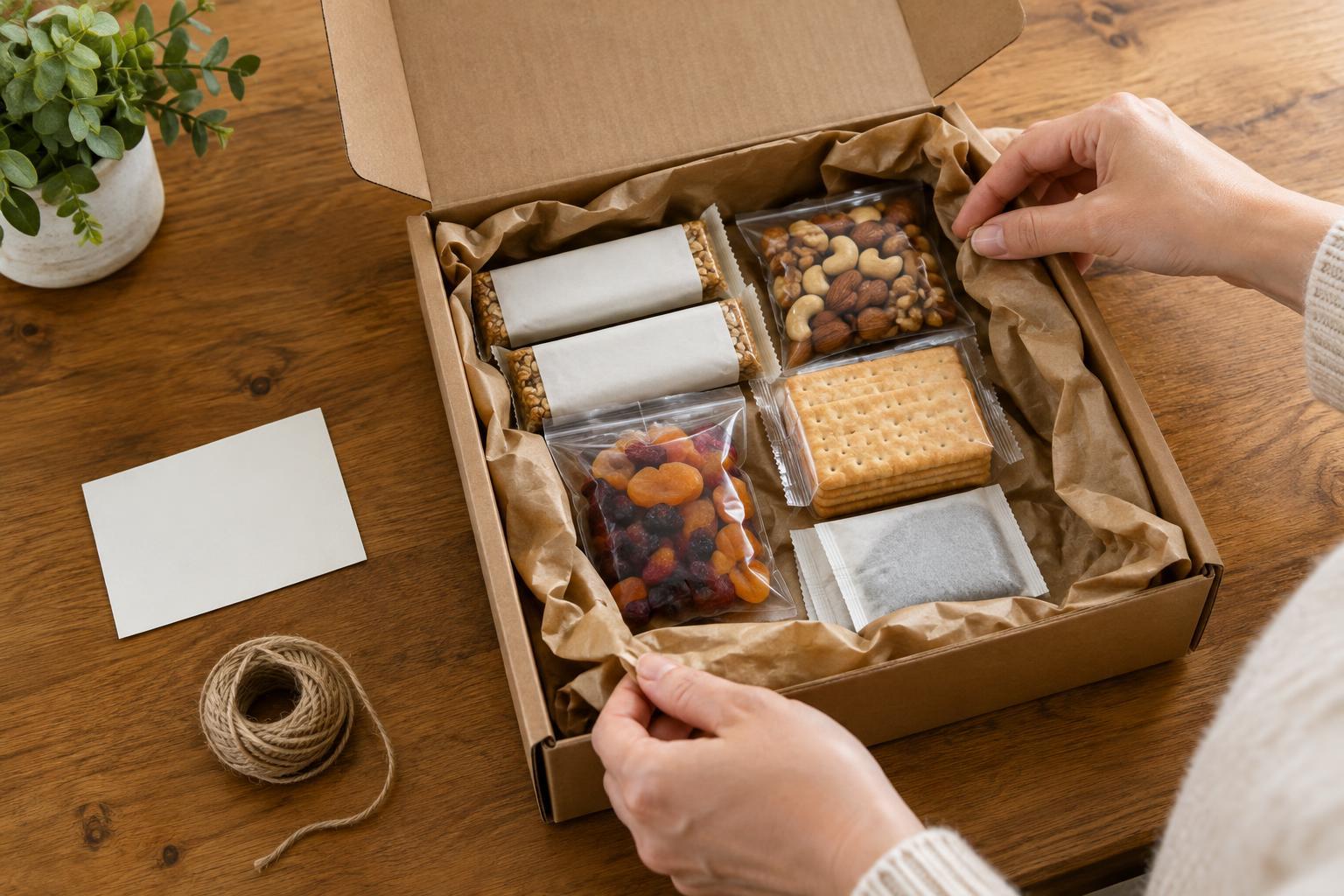
Food can turn a care package into a shared moment, even from a distance. A favorite tea, a shelf-stable snack or an ingredient linked to a family tradition can carry a memory as well as a flavor. Food is often a good fit when you know the recipient’s preferences and they have a convenient place to keep and enjoy what you send.
Check what you know before packing. Allergies, dietary preferences and strong dislikes matter more than a clever theme. If you are unsure, ask a simple question rather than guessing; the package can still be a surprise. Consider storage and transit as well. Choose items that are appropriate for the journey, follow the maker’s storage guidance and pack anything fragile or likely to leak separately. If safe delivery depends on refrigeration or a precise arrival time, a different gift may be less stressful for both of you.
When nonfood items are the better fit
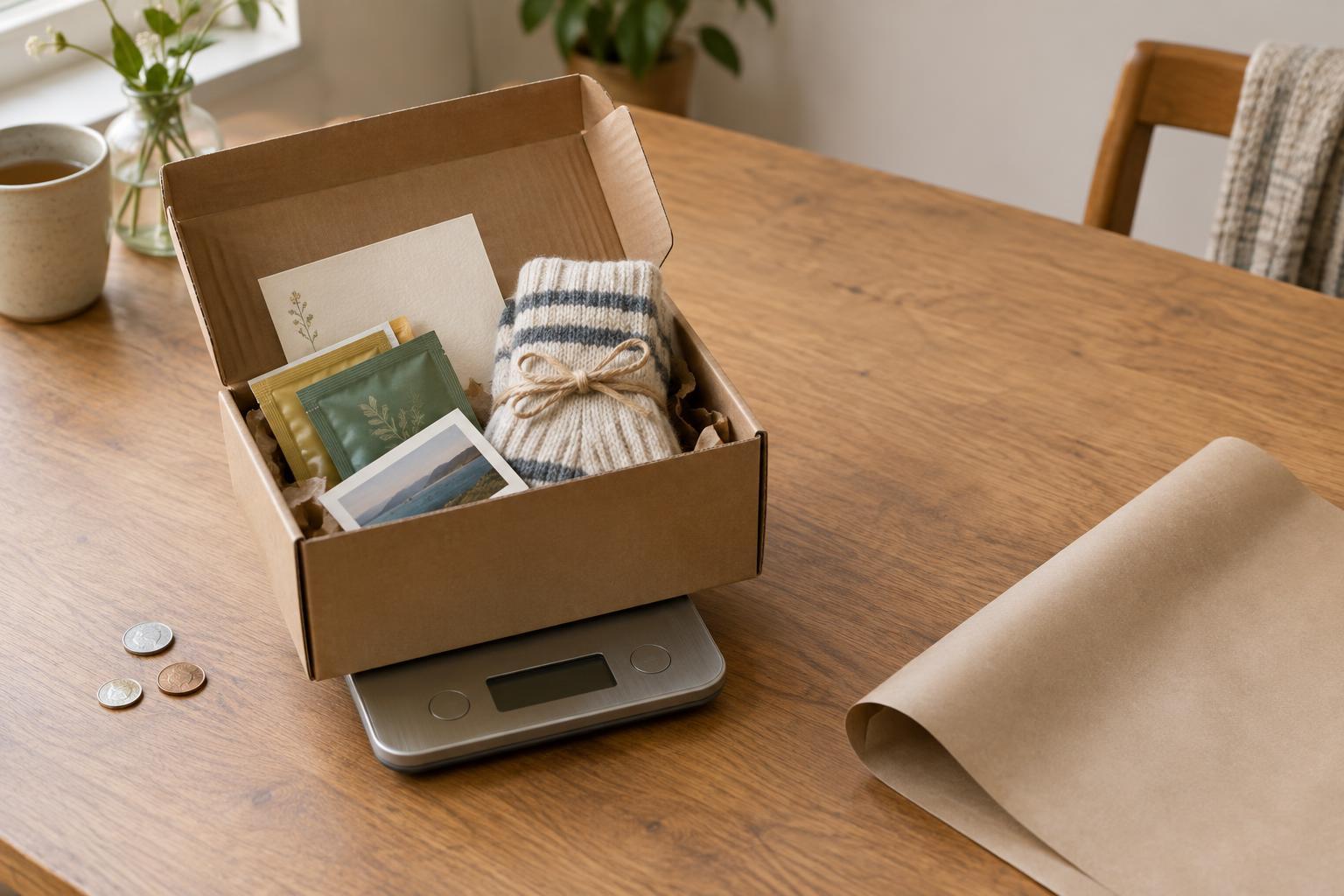
Nonfood packages give the recipient more freedom over when and how to enjoy them. A small notebook, postcards, a bookmark, a puzzle or a photograph can wait until the right moment without becoming another task on a busy day. This approach can be especially useful when food preferences are uncertain or when the recipient is traveling, sharing a kitchen or short on pantry space.
The same care still applies: useful to one person can be clutter to another. Choose items that suit their habits rather than an imagined version of them. A regular letter writer might appreciate stationery; someone who rarely writes may value a printed photo with a note on the back. Favor a few easy-to-use pieces over a collection of objects that require space, special supplies or a new hobby to enjoy.
A mixed package can be just right
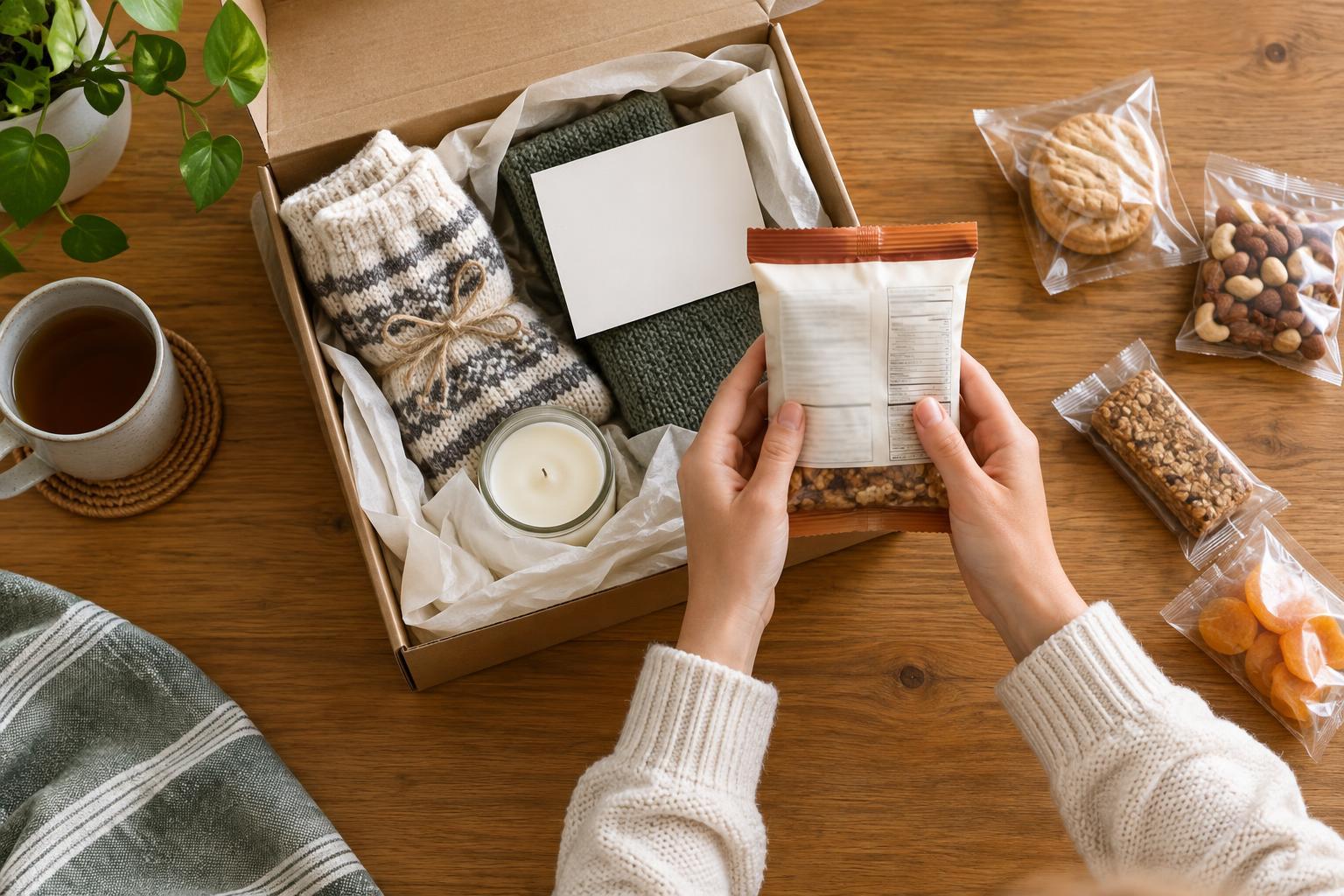
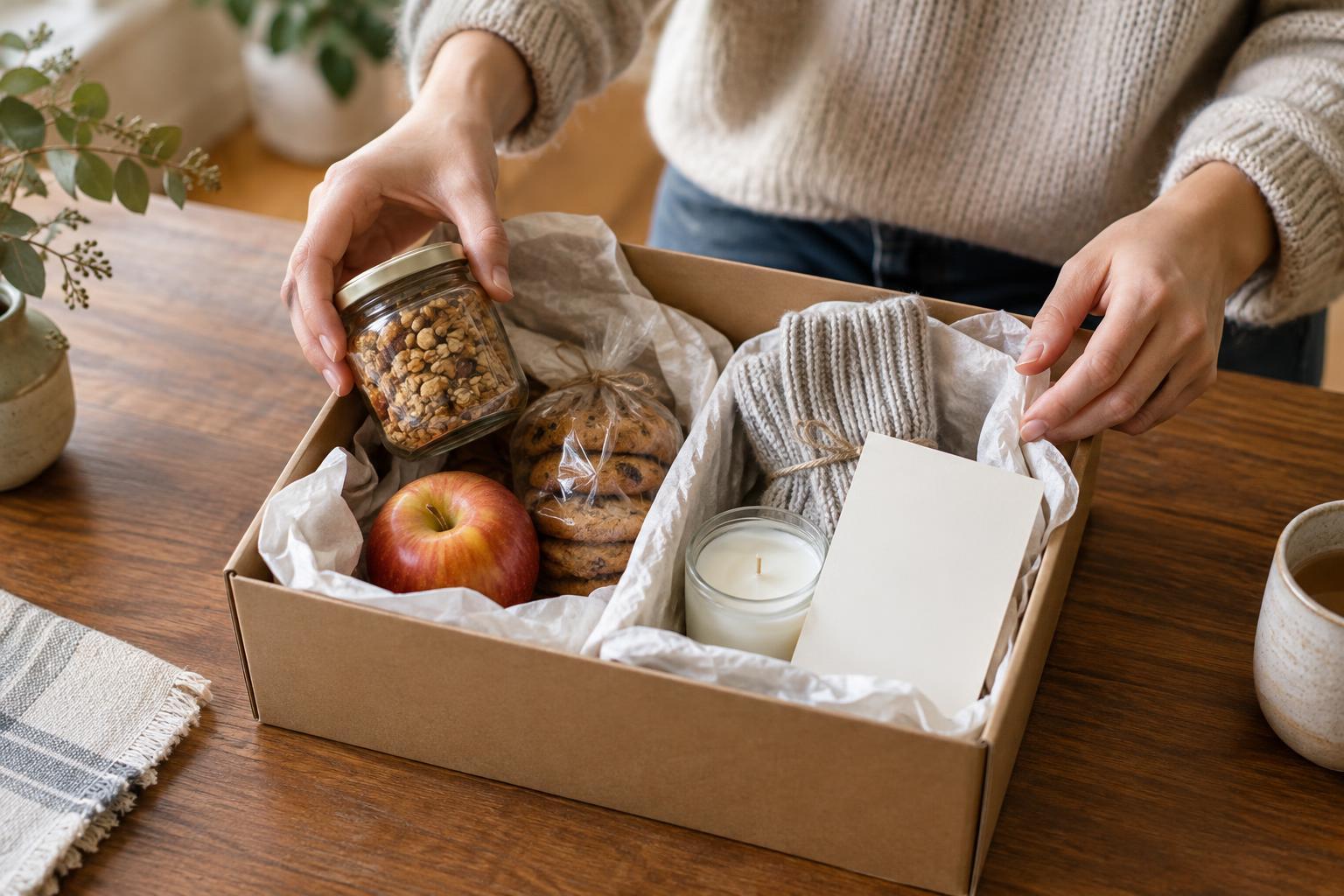
You do not have to treat food and nonfood as opposing choices. A small snack alongside a handwritten letter can make an afternoon feel special. Tea paired with a short reading recommendation, or a favorite treat tucked beside a photograph, gives the recipient something to enjoy now and something to keep. The mix works best when each item has a reason to be there.
If you are uncertain about food, let nonfood items form the heart of the package and add an edible extra only when you can choose it confidently. You can also build the package around a simple activity: a note suggesting a quiet break, a postcard to send back if they feel like it, and a snack you know they enjoy. Keep any invitation optional. A care package should offer connection, not create an obligation to respond or use everything at once.
Make the choice feel personal
Before sealing the box, look at it from the recipient’s point of view. Is there anything they would need to store, prepare, assemble or pass along? Could a simpler selection feel more welcome? Arrange the contents so delicate items are protected and the first thing they see has meaning, whether that is a letter, a photo or a familiar favorite.
A short note can tie the whole package together. Say why you chose one or two items, share a memory they bring to mind, or offer a few warm words without asking for anything in return. Food may be the better fit, nonfood may be the better fit, or a mix may suit them best. The thoughtful part is paying attention to how they actually live and making it easy for them to feel remembered.