Start with the gift, not the wrapping
A gift’s presentation can build anticipation, but it does not need to be elaborate to feel thoughtful. Before choosing a material, look at the object itself. Is it a neat box, an awkward shape, something fragile or a collection of small items? Then consider where the gift is going. A present handed over at dinner has different needs from one that must travel in a crowded bag.
Think about the recipient, too. Someone who enjoys slowly unwrapping a parcel may appreciate paper, while a person who saves ribbons and containers might welcome a reusable bag or piece of fabric. If you are short on time, choose a method you can finish neatly rather than one that looks impressive only in theory. A handwritten tag or brief note can make even the simplest presentation feel specific to the person receiving it.
Choose a gift bag for ease and unusual shapes
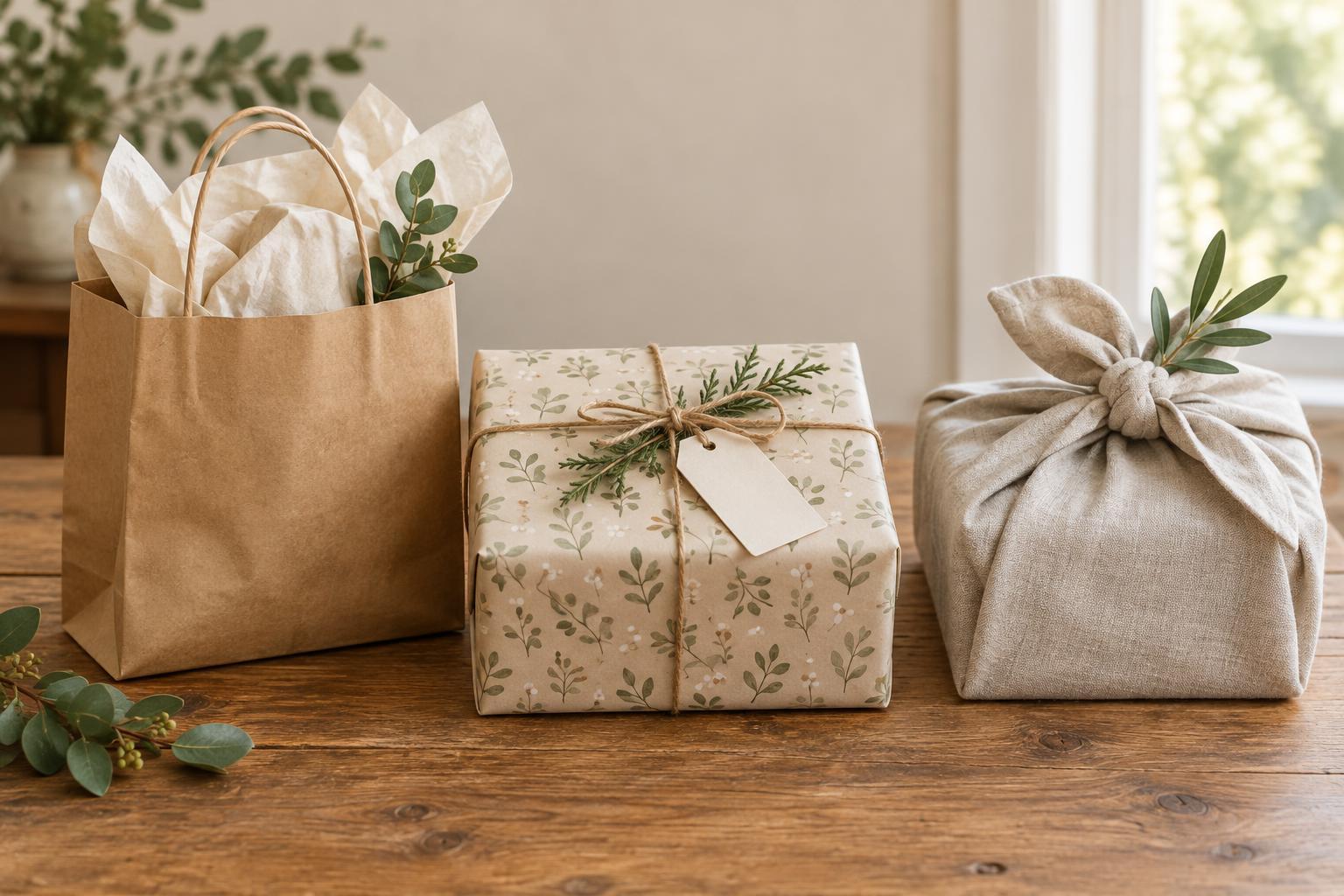
A gift bag is often the most forgiving choice for a mug, a soft toy, a bundle of stationery or several small gifts. It requires little measuring and is easy to reopen if you remember a card at the last minute. For a polished result, choose a bag that fits fairly closely. An oversized bag can make a small present look lost, while an overfilled one may strain at the handles.
Tissue paper can hide the contents and add a little height, but it is optional. You could also use a clean scarf or a sheet of plain paper you already have. Check the bottom of the bag before adding anything heavy, and protect breakable items inside their own box or padding; the bag is presentation, not protection. If you hope the bag will be used again, avoid writing directly on it. Tie a tag to a handle instead.
Use wrapping paper when opening is part of the fun
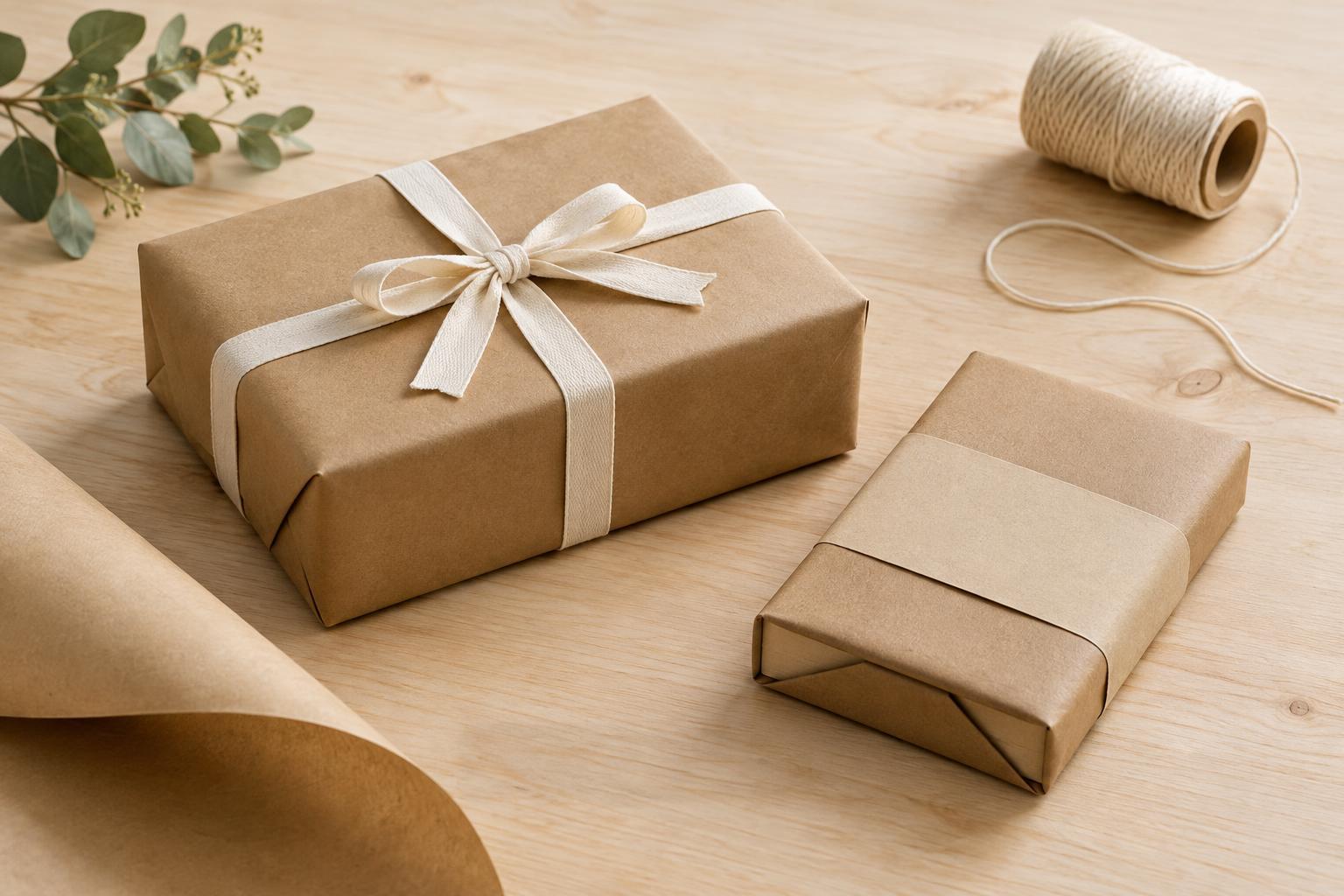
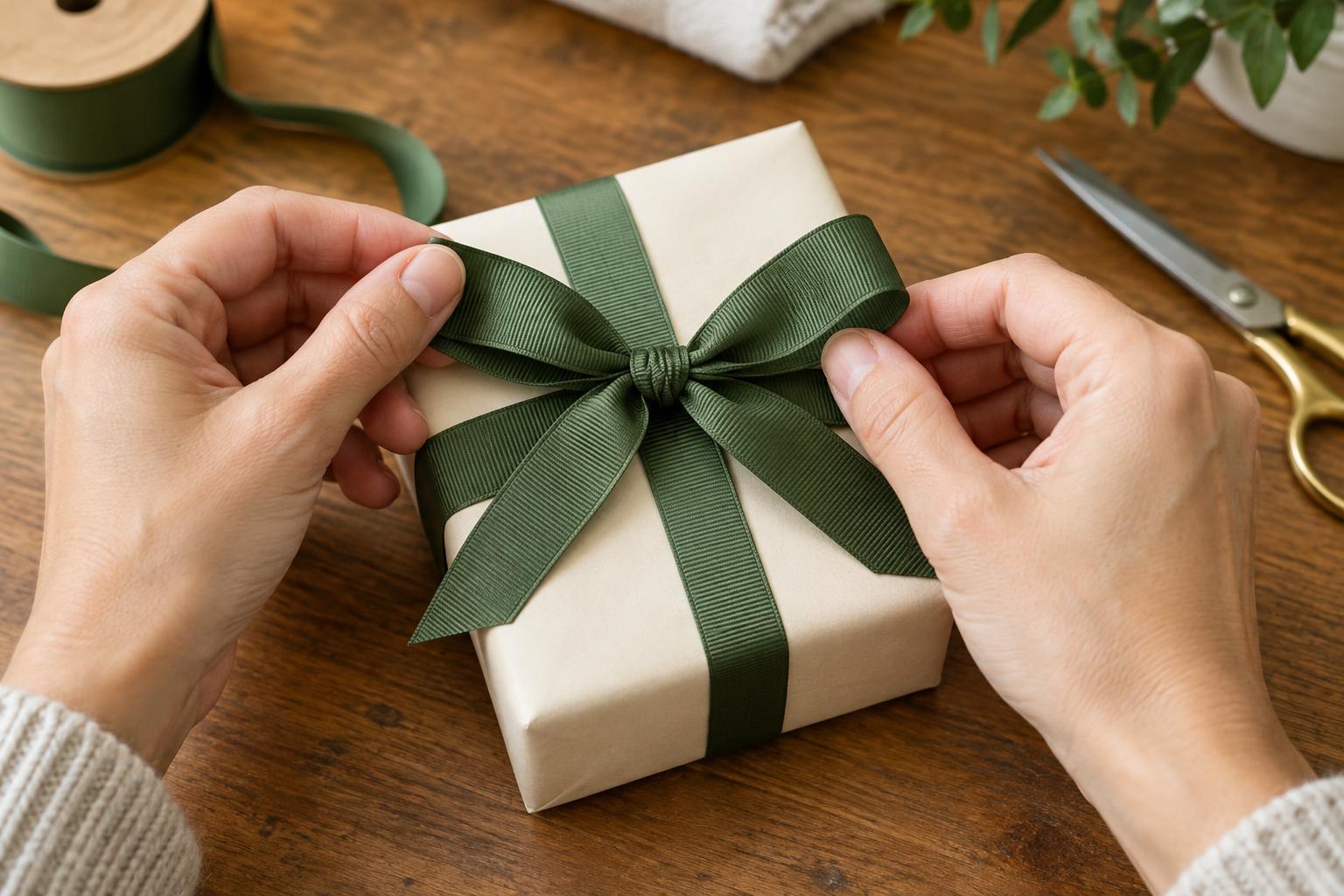
Wrapping paper suits regular shapes such as books and boxes, especially when you want the moment of unwrapping to be part of the gift. It can give several presents a coordinated look without requiring identical contents. Paper is less cooperative around bottles, handles and other uneven edges, so placing an awkward item in a suitable box first may save effort and produce a tidier result.
Measure before cutting: the paper needs enough width to meet around the gift and enough at each end to fold over without leaving a bulky flap. Crease edges with your fingers and use small pieces of tape rather than trying to fix every fold with more paper. Plain paper can be dressed up with string, a drawn pattern or a child’s artwork. If the wrapping is likely to be removed immediately, a simple finish is often plenty.
Try fabric for a flexible, reusable finish
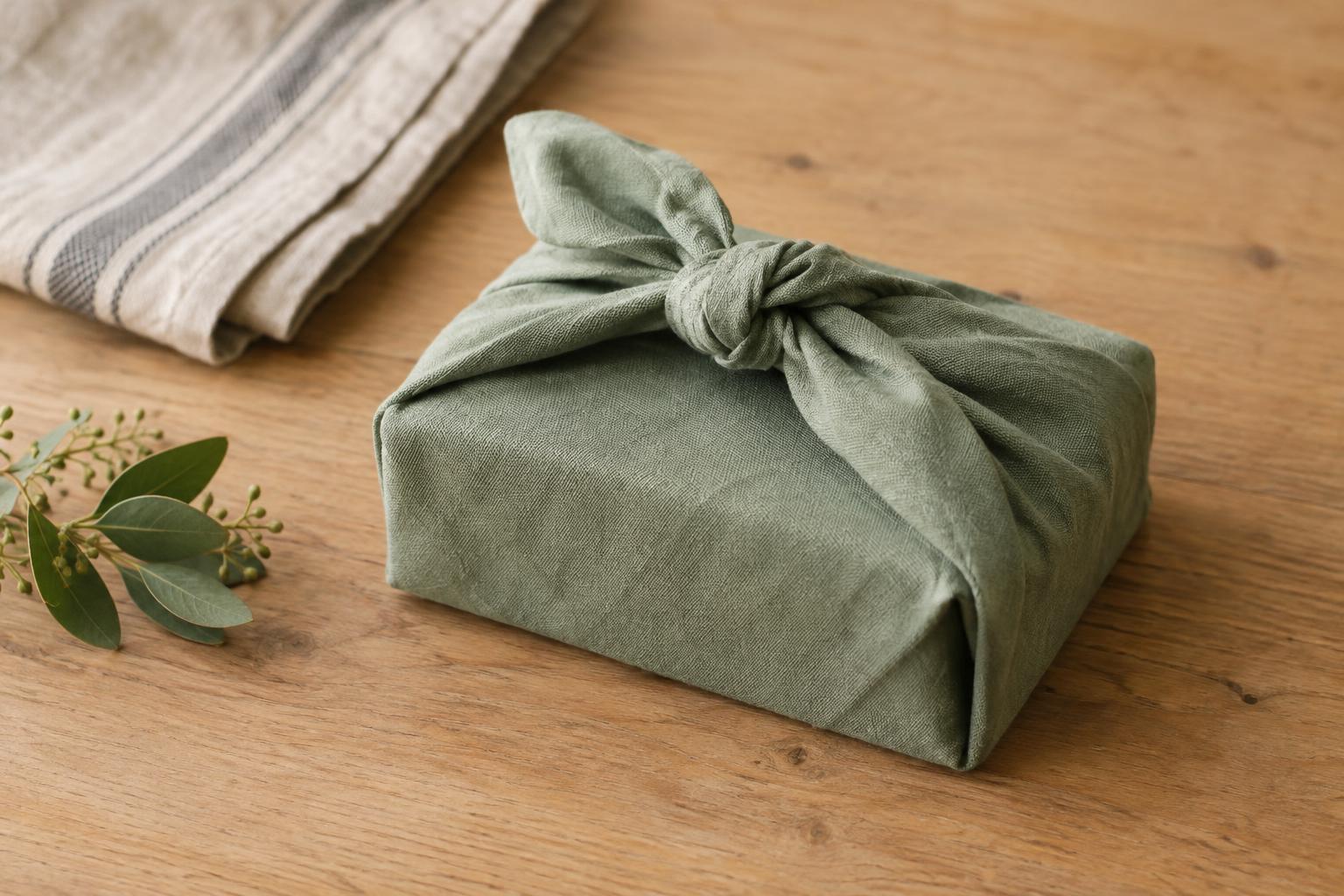
Fabric works well when you want a soft, distinctive presentation with little or no tape. A square of cloth can be knotted around a small box, book or jar, and the fabric itself can become part of the gift if it is something the recipient might use. A tea towel, for example, can wrap a kitchen-themed present. For a keepsake, you might choose cloth with a color or pattern that has personal meaning.
Fabric takes a little practice, so test the size and knot before you commit. The corners should be long enough to tie comfortably without pulling the cloth tight against a fragile object. Slippery fabrics may loosen in transit; a firmer cotton is often easier to handle. If you are wrapping a heavy or delicate gift, use a secure box underneath and treat the fabric as the finishing layer rather than its only covering.
Make the final choice personal and practical
If you are deciding between methods, ask three questions: What protects the gift? What makes it pleasant to receive? What can I comfortably put together? A sturdy box and wrapping paper may suit a carefully chosen book. A bag may make a group of small treats easier to carry. Fabric may be appealing when the cloth has a purpose beyond the reveal. You can combine methods, too: a wrapped item inside a bag does not need extra decoration.
The finishing detail is where presentation becomes personal. Add a tag that explains why you chose the gift, tuck in a short letter or tie on a small paper ornament made for the occasion. Keep the message readable and the gift easy to open. The aim is not a flawless package; it is to give someone a welcoming first glimpse of the care behind what is inside.