Start with an envelope that fits
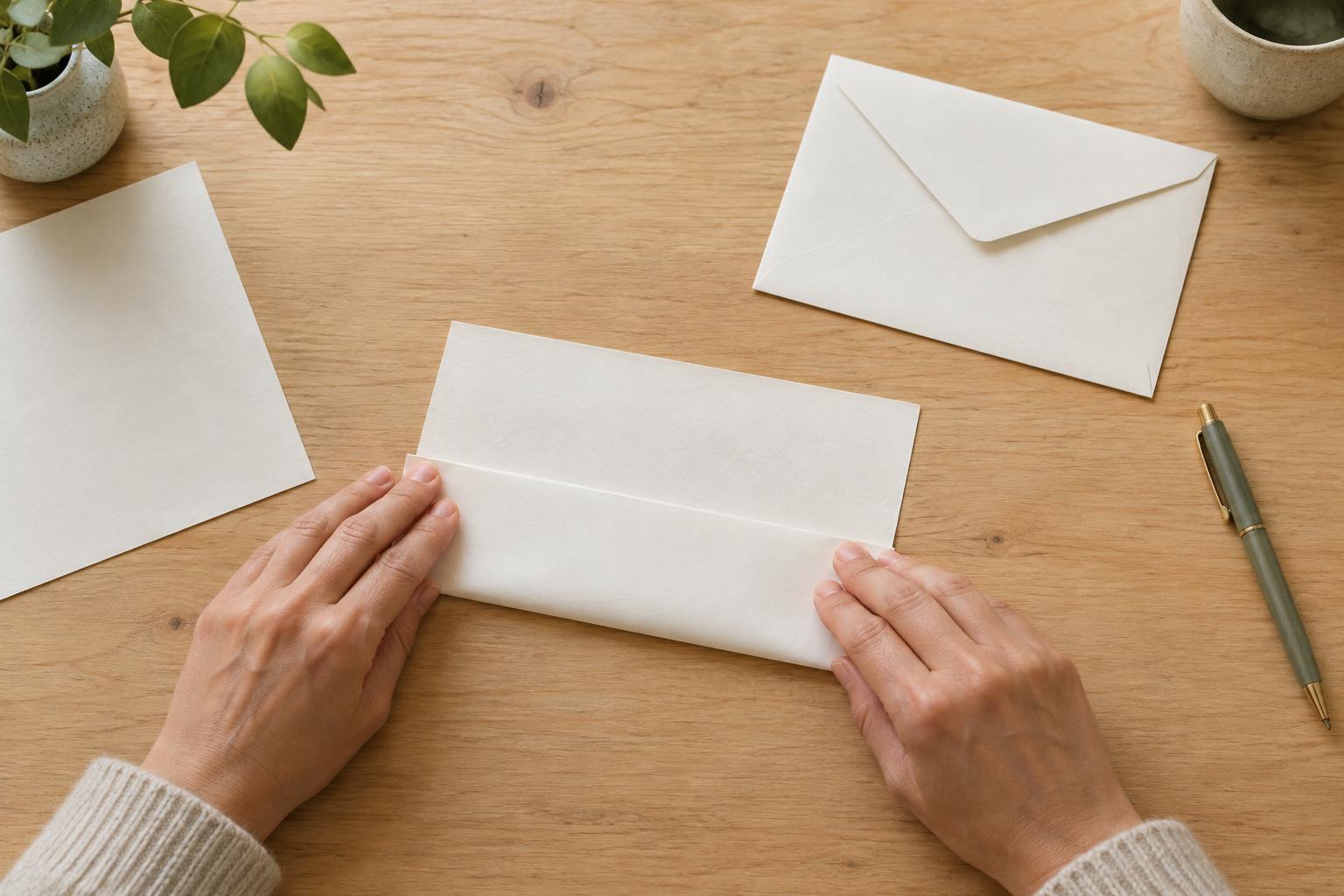
Choose an envelope that holds your letter without forcing it. A single sheet can usually be folded neatly into a standard letter envelope; several pages or a small card may need more room. If you include a photograph or keepsake, use an envelope sturdy enough to protect it. Make sure anything inside lies reasonably flat and that the flap closes securely.
Before writing on the envelope, confirm the recipient’s current mailing address. Check the spelling of their name, the street address or post office box, any apartment or unit number, and the postal code. An old address is easy to overlook when you have not written to someone in a while. If you are unsure, asking for an updated address is better than guessing.
Write the recipient’s address clearly
On the front of the envelope, place the recipient’s address in the central area, leaving clear space around it. Put the recipient’s name first, followed by the street address and any apartment or unit information. Then write the locality and postal code in the order used by the destination country. For a letter going abroad, add the destination country on its own final line so it is easy to identify.
Use dark ink and handwriting that another person could read without knowing the recipient. Keep each line straight and avoid decorative lettering that might make a number or letter ambiguous. If you make a mistake that affects the address, a fresh envelope is usually the clearest solution. Local postal services may have specific formatting guidance, particularly for international addresses, so follow that guidance when it differs from a familiar layout.
Add a return address
A return address gives the postal service somewhere to send the letter if it cannot be delivered. In many places, it goes in the upper-left corner of the front of the envelope; conventions can differ, so check your local postal service’s guidance if you are uncertain. Write your name and full mailing address legibly, including the postal code and, for international mail, your country.
A return address can also help your correspondent write back, but it does not need to replace the address you put inside the letter. If you would rather not display a home address, consider whether you have another mailing address you are comfortable using. Whatever address you choose should be one where you can actually receive returned mail.
Choose and place the postage
Postage depends on where the letter is going and on the envelope’s size, thickness, shape and weight. A card, extra pages or a small enclosure can change the amount needed. Check the current rates and mailing rules with the postal service you will use, especially for international letters or envelopes that are unusually large, rigid or bulky. If you cannot tell which rate applies, weighing the prepared envelope at a post office is a straightforward option.
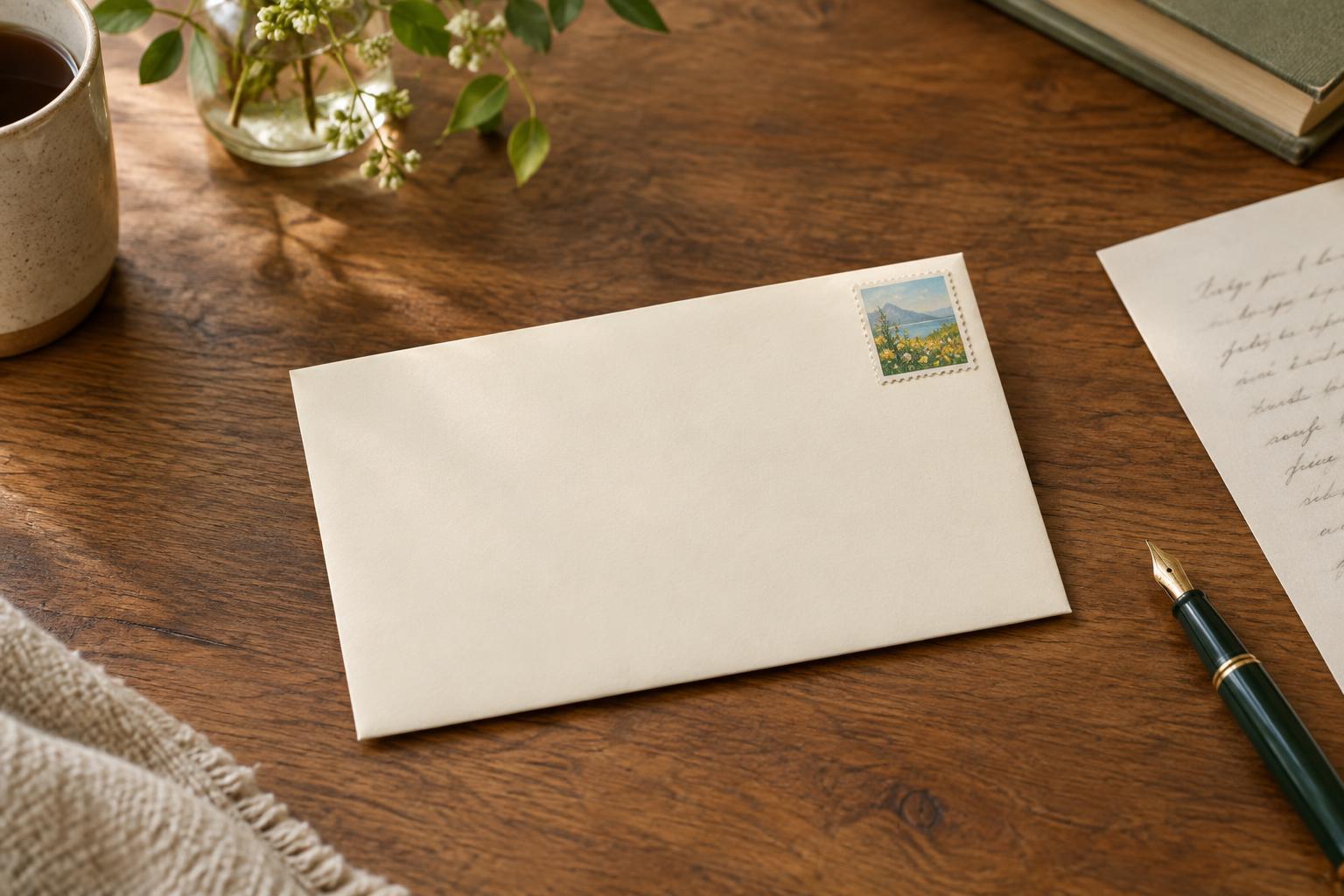
Place the stamp or postage label where your postal service directs. For many standard envelopes, a stamp belongs in the upper-right corner of the front. Leave that area free when writing the addresses. If the postage has an adhesive backing, attach it firmly rather than relying on tape, and make sure it does not cover any part of the address.
Give it one final look
Once the letter is inside, seal the envelope and check both addresses against your notes. Look especially at apartment numbers, postal codes and the destination country, if applicable. Confirm that the stamp is attached and that you have used the right postage for the completed envelope, not just an empty one.
Keep embellishments modest on the outside. A small drawing can make a personal letter feel welcoming, but the address and postage should remain easy to see. Save ribbons, loose decorations and most of your creative touches for the letter itself. When everything is clear and secure, your message is ready to mail.