Start with the person, not the party
Retirement marks a change in routine, relationships and possibilities. For some people, it feels exciting; for others, it may also bring uncertainty or sadness. Before booking a venue or writing an invitation, ask the person what kind of acknowledgment they would enjoy. They might want a lively gathering, a quiet meal, a handful of letters or no formal event at all. Respecting that answer is more meaningful than arranging a surprise they have to endure.
Ask a few practical questions, too: Who would they like to include? Would they prefer speeches, or would those feel uncomfortable? Are there colleagues they hope to see alongside friends and family? If you are planning on their behalf, offer choices rather than a finished plan. A celebration should give the retiree room to participate as themselves, not require them to perform a cheerful version of retirement.
Honor the work without making it the whole story
A career may deserve recognition, especially when it has taken up many years and held important friendships. You do not have to avoid talking about work. Instead, move beyond a list of titles, promotions or milestones. Invite people to share what they appreciate about the retiree: the way they welcomed a newcomer, kept in touch, told a story or made an ordinary day easier. Those qualities may have shown up at work, but they belong to the person.
When writing invitations or introducing a toast, use language that leaves the next chapter open. “Join us to celebrate everything we appreciate about Sam” makes space for more than “Goodbye to the office’s hardest worker.” Be careful with jokes about being permanently free, old or ready to do nothing. Even affectionate teasing can miss the mark if the person has mixed feelings or already has plans that matter to them.
Bring different parts of their life together
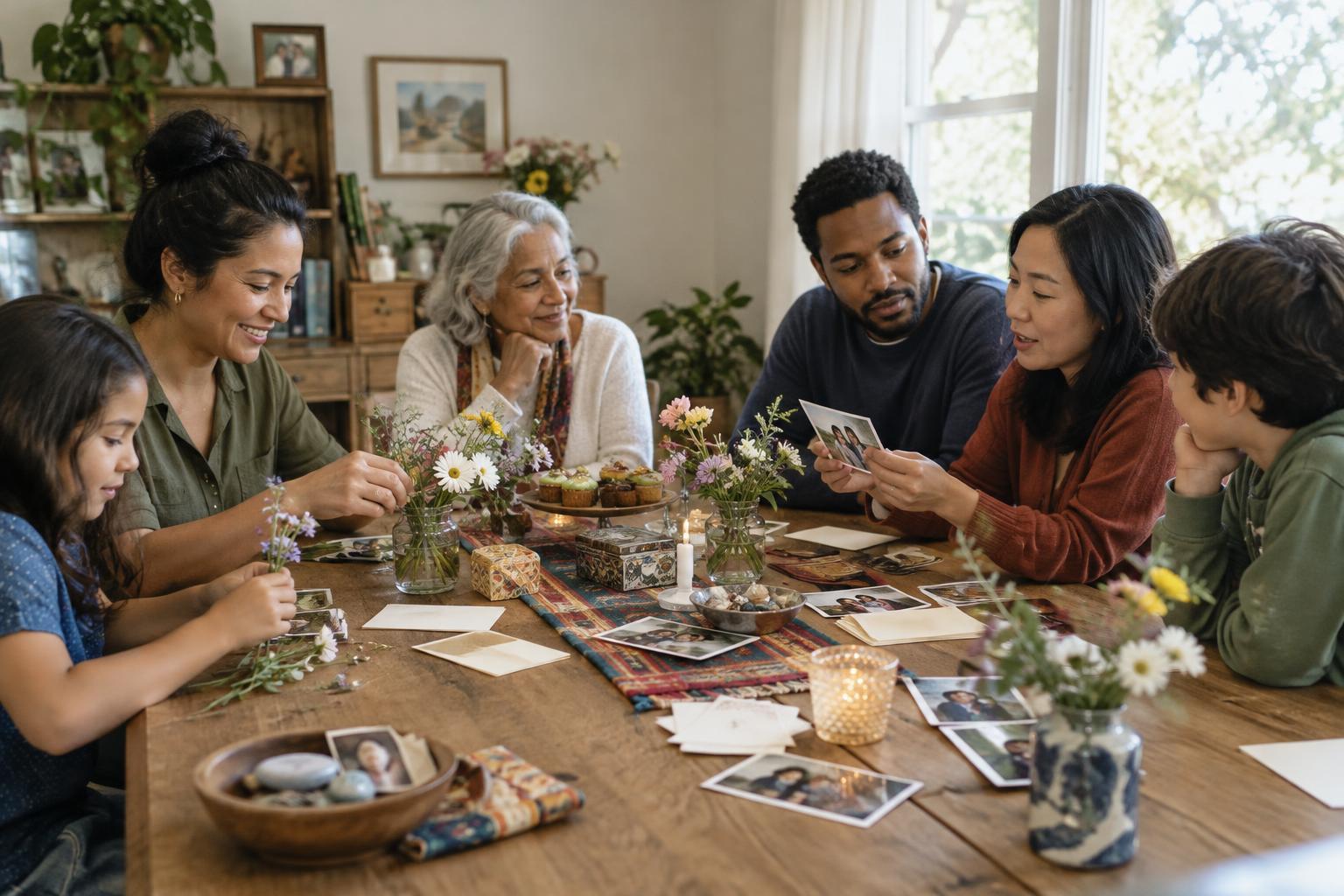
A guest list can gently widen the story. Alongside coworkers, consider inviting neighbors, relatives, longtime friends or people who know the retiree through a hobby or community group, if the retiree wants them there. At a larger gathering, introduce guests with a little context so that no one feels they have walked into a reunion where everybody else knows the rules. A shared meal or open-house format can make conversation easier than a long program of speeches.
Simple prompts can help guests offer memories from different parts of life. Put out cards asking, “What is something you have learned from them?” or “What is a small moment you remember?” Guests can write their names or leave a note privately. If the retiree would rather not be the center of attention all evening, set aside a table for messages and let people contribute without reading everything aloud.
Make a keepsake they can revisit on their own terms
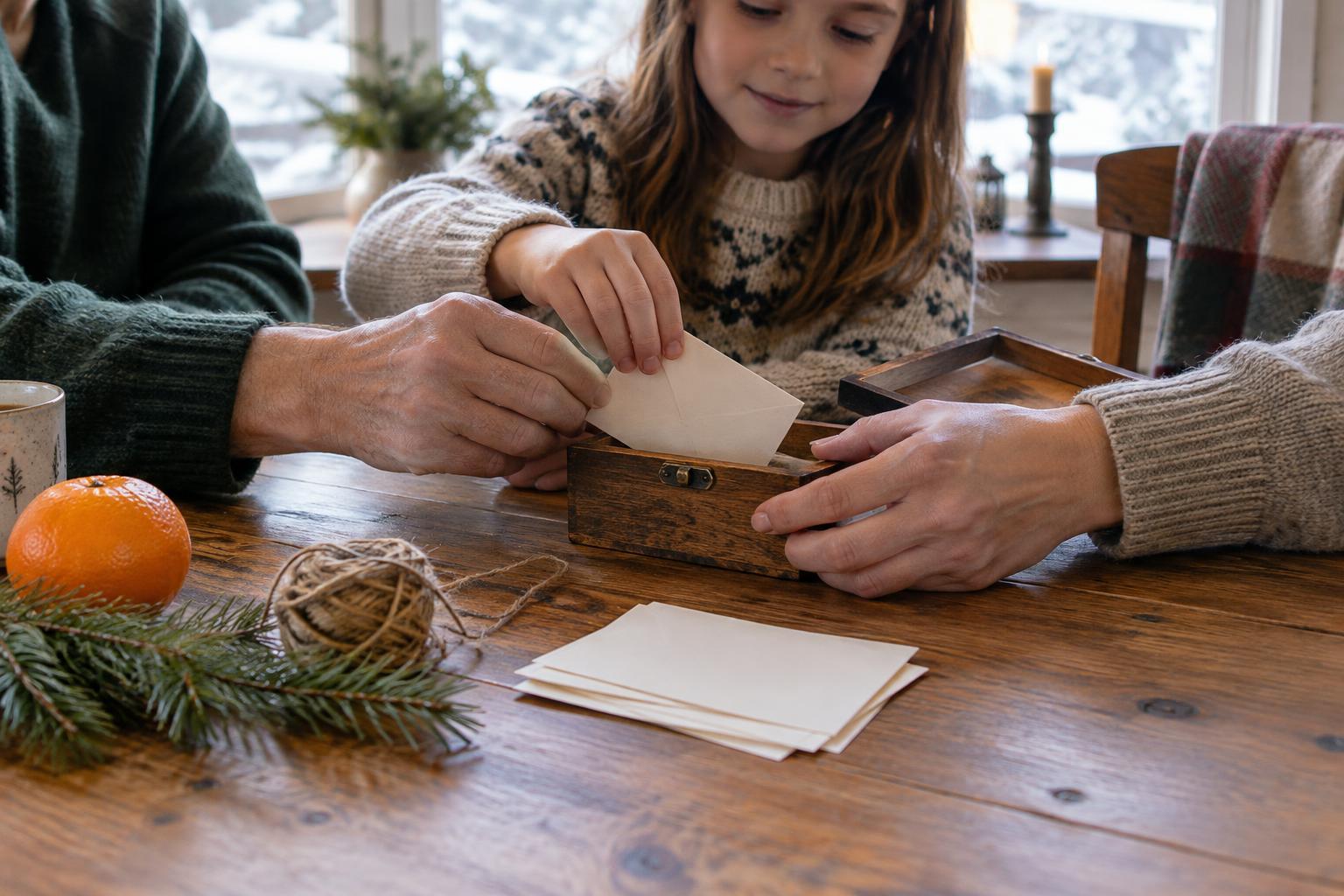
A bundle of handwritten notes can hold more variety than a single congratulatory card. Ask contributors to describe a specific memory, offer thanks or suggest something they would enjoy doing together in the future. Give them enough notice to write thoughtfully, and make clear that a short note is welcome. Collected in a box, album or folder, the messages become something the retiree can read later, at their own pace.
Photos and mementos can work well, too, but choose them with care. A keepsake made entirely of workplace awards may feel narrow; one that mixes everyday snapshots, recipes, ticket stubs and notes from different circles can feel more like a portrait. Check before including anything personal or sharing an album online. If you are unsure whether a memory will feel comfortable in public, save it for a private letter or leave it out.
Celebrate possibilities without assigning a new identity
It is tempting to fill a retirement card with instructions to travel, take up gardening or finally relax. Those wishes may be well meant, but they assume a particular kind of future. A more generous approach is to offer opportunities without expectations: an invitation to lunch, a list of places you could visit together or a promise to keep writing. If giving a gift, consider something connected to an interest they have already expressed rather than a hobby you hope they will adopt.
The celebration need not present retirement as a complete transformation. It can simply mark a transition, thank the person for what they have shared and remind them that their relationships continue. The most lasting message may be a modest one: we value the work you did, we value the person you are, and we would like to stay connected.