Let the date be what it is
A significant date does not have to become a formal occasion. You might want to mark a birthday with a familiar meal, or you might need a quiet day with no plans. Both are ways of making room for someone you miss. You can decide in advance what feels manageable and change your mind when the day arrives.
If a date tends to catch you off guard, put a gentle reminder on your calendar a few days beforehand. It can be as simple as “Take it slowly on Friday.” That small bit of notice may help you leave space in your schedule, gather a comforting object or ask a trusted person to check in. You do not need to turn the reminder into a plan you must follow.
Write something you do not have to send
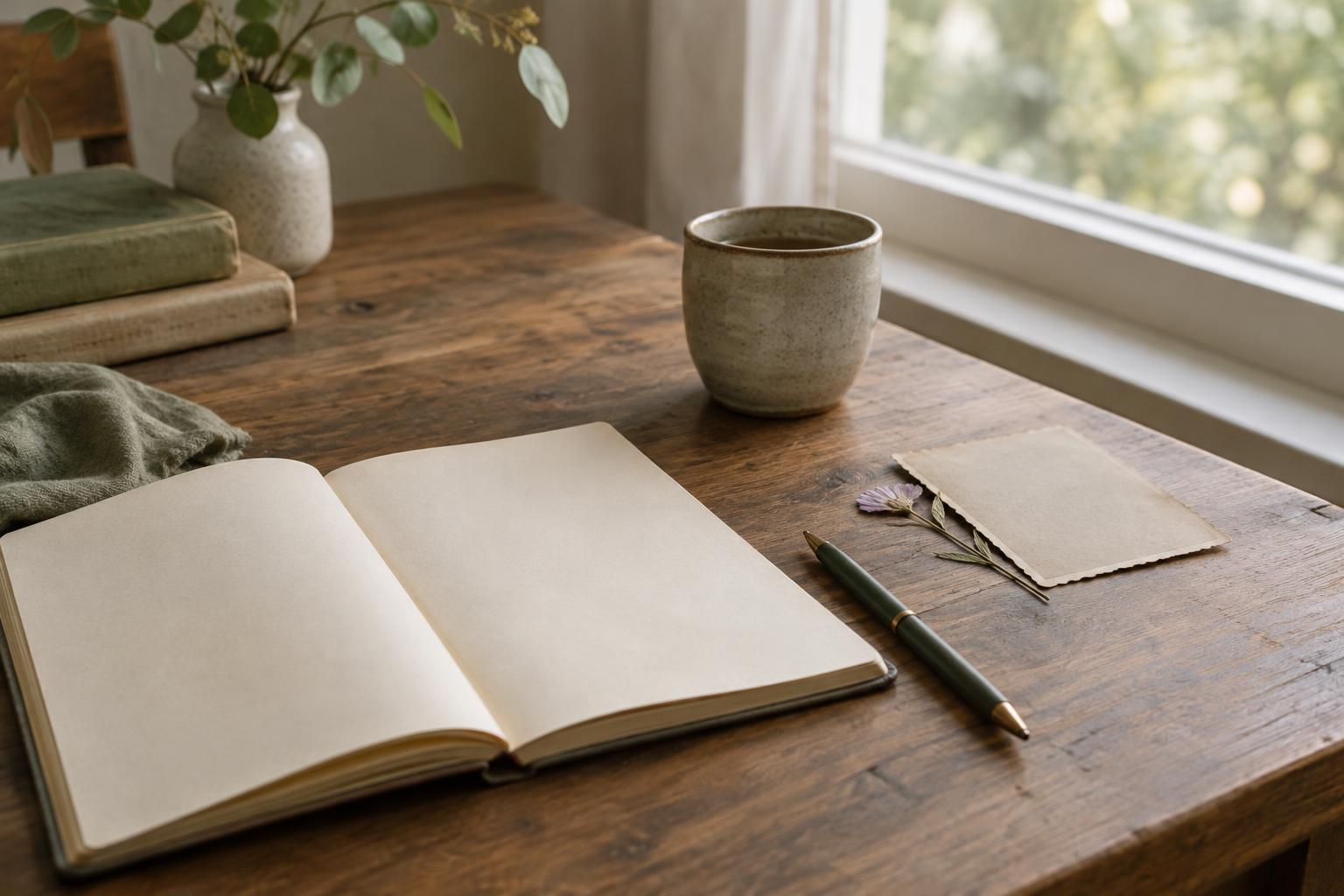
A letter can be a private place to say what has changed since you last saw your loved one. Tell them about an ordinary morning, a family joke you still repeat or a question you wish you could ask. There is no need to make the writing eloquent. A few lines on a scrap of paper can hold as much meaning as a full page.
If a letter feels too large, try a list: three things that remind you of them, a phrase they used or a memory tied to the season. You can tuck the page into a notebook, place it in a box of keepsakes or recycle it after writing. The value may be in the act of noticing, not in preserving every word.
Choose a ritual that fits your life
Small, repeatable actions can give a significant date a familiar shape. You might make their favorite breakfast, tend a plant, play a song or take a walk along a route you shared. Choose something you can do without elaborate preparation. A ritual is allowed to change as your circumstances change; it does not have to look the same every year.
If you would rather spend time with others, invite one person to join you for tea or a walk. You can say plainly what would help: “I’d like to tell a story about them,” or “I’d appreciate company, but I don’t want to talk much.” People may not know what you want unless you tell them, and it is fine to keep the gathering brief.
Make a keepsake from an ordinary detail
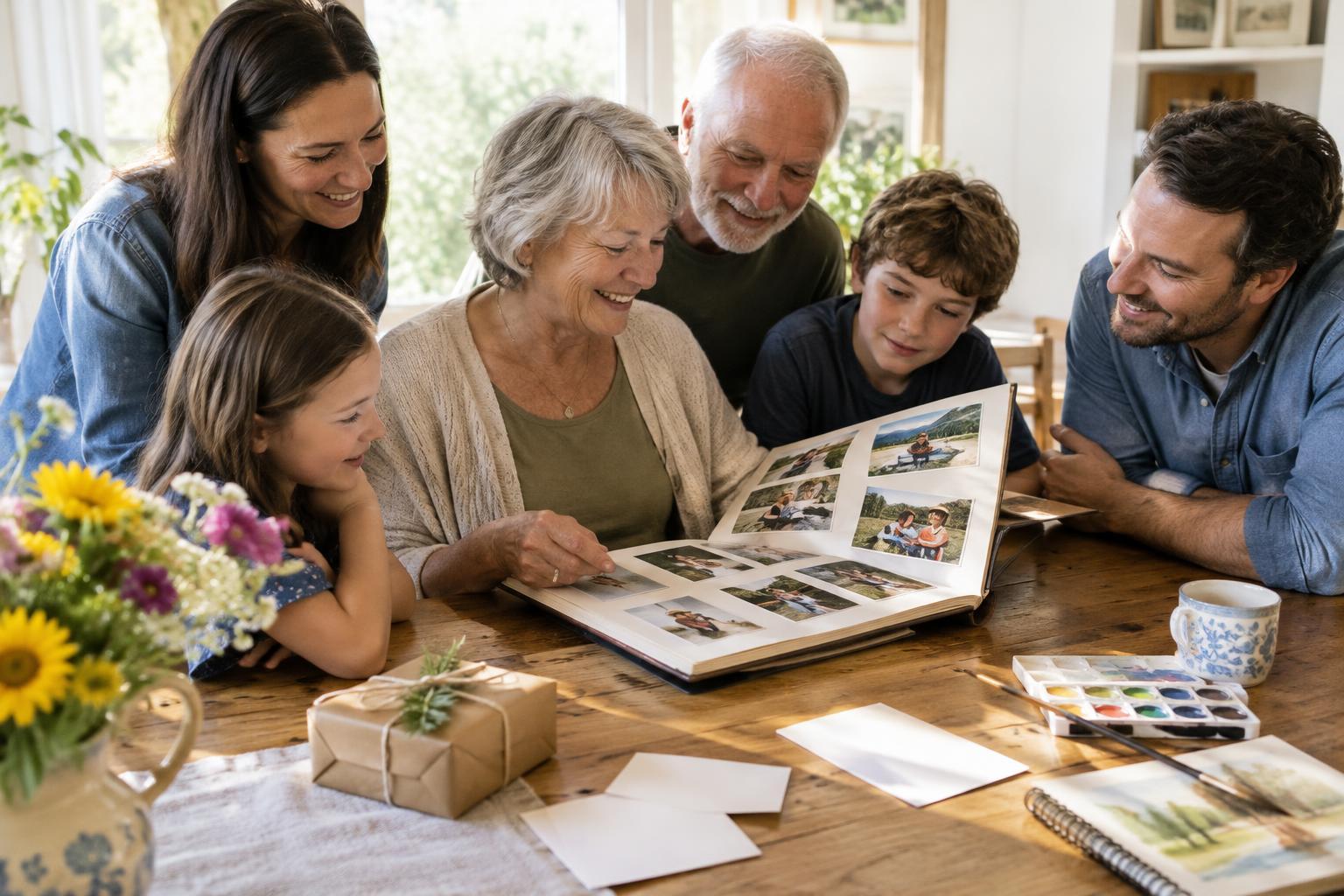
Keepsakes need not be elaborate or permanent. A recipe written in your loved one’s handwriting, a photograph with a note on the back or a ticket from a shared outing can be enough. On a significant date, you might select one item and write down why it matters. Include the small details that may be easy to forget: the sound of their laugh, the way they set the table or the story behind a particular picture.
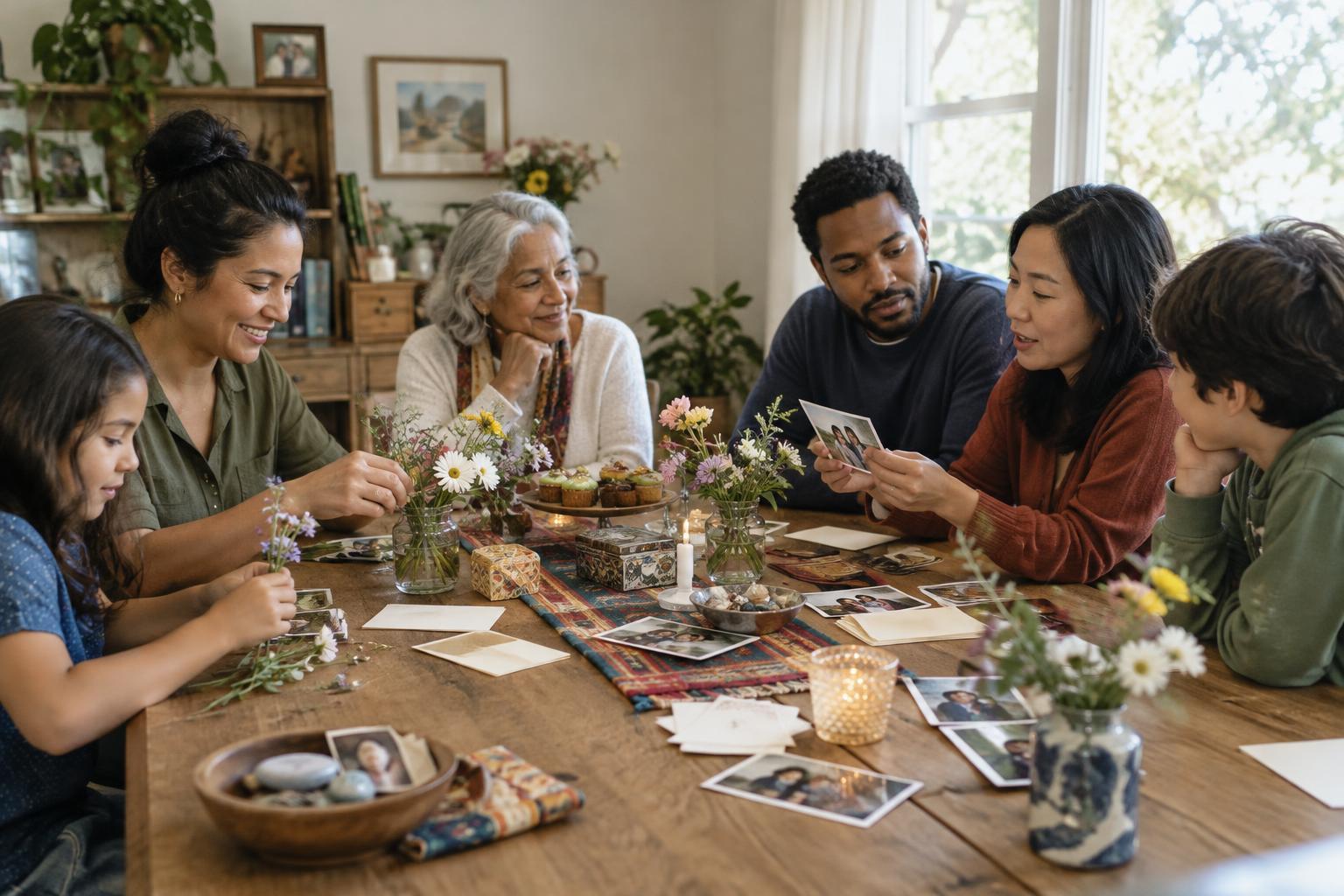
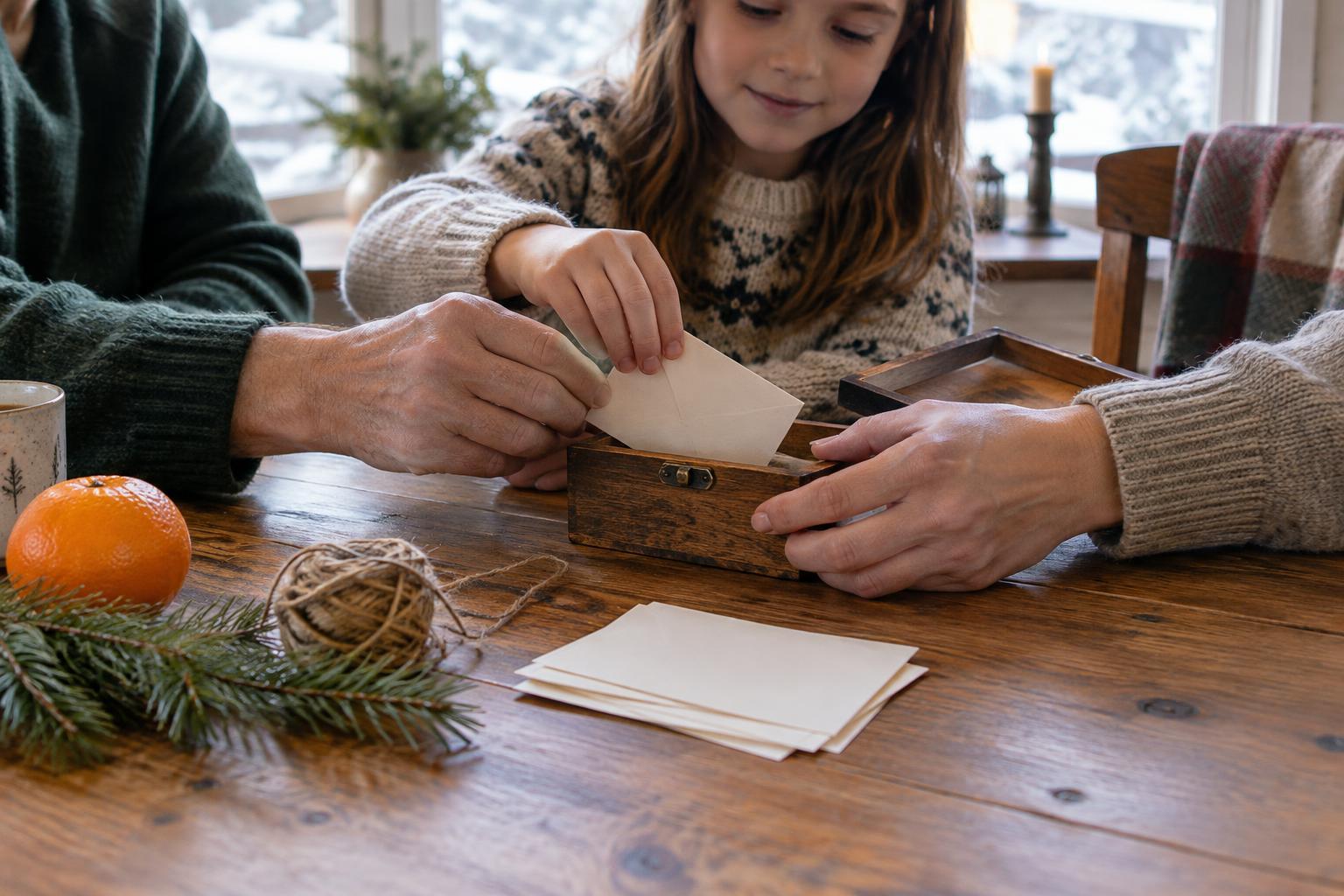
If several people want to contribute, invite them to share one memory each on separate cards. Keep the cards together in an envelope or box so anyone can read them when they wish. Ask before copying or displaying someone else’s words or photos, especially if the memory feels personal. A shared keepsake works best when each person can choose how much to give.
Leave room for different ways of remembering
Significant dates can mean different things to people who knew the same person. One relative may want to gather; another may prefer privacy. You can offer an invitation without making attendance a measure of love: “I’m lighting a candle at home tonight. You’re welcome to join me, and it’s okay if you’d rather mark the day your own way.”
You can also choose not to mark a date at all. Remembering someone is not a task to complete on the calendar, and a difficult day does not need to become a beautiful one. Whether you write a note, share a story or simply pause for a moment, the gesture can be quiet and still be meaningful.