Begin with questions, not a preset plan
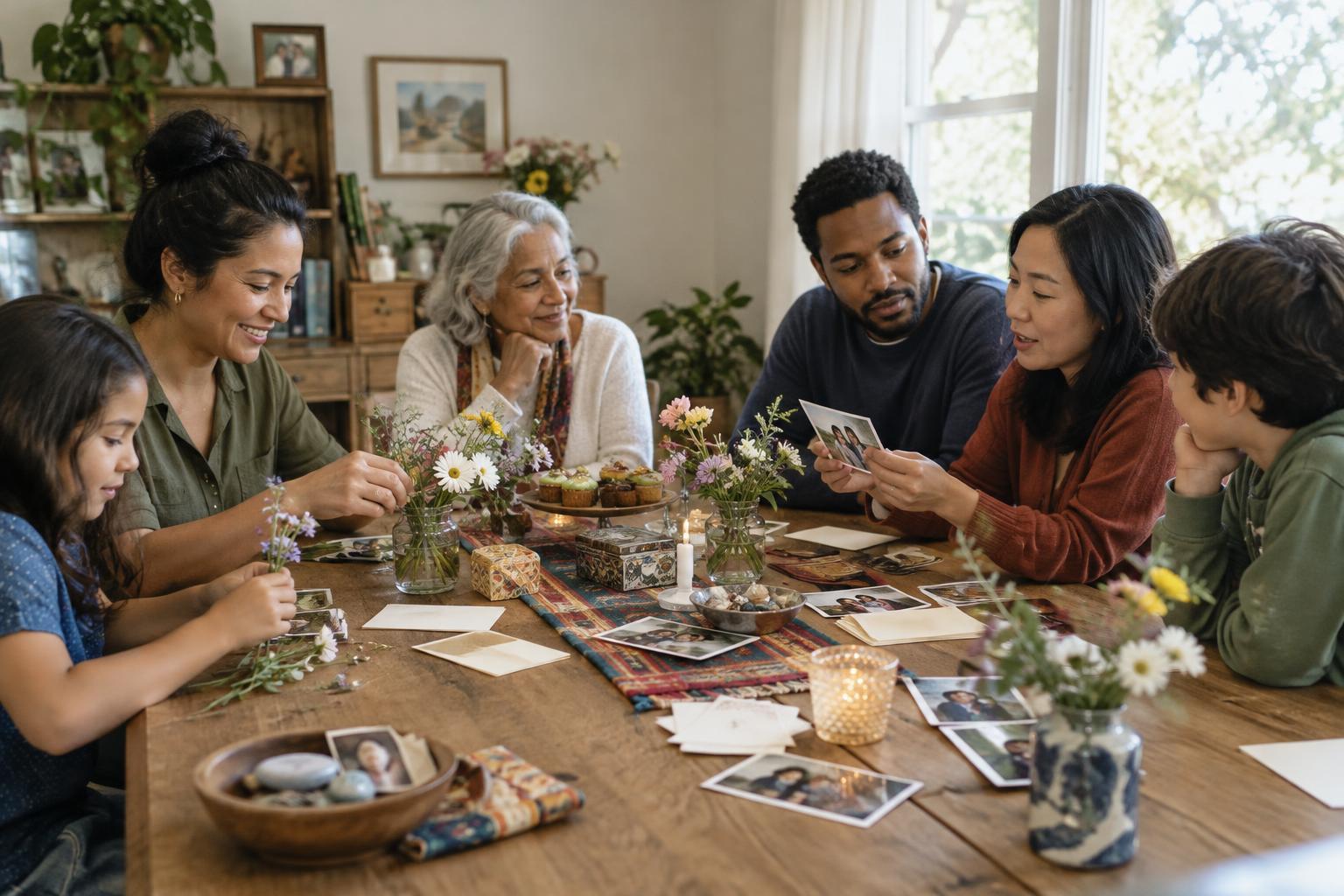
A family celebration can bring together people with different holidays, faiths, languages, foods and ideas about what makes an occasion special. Before choosing decorations or sending invitations, ask the people most closely involved what they hope the gathering will include. An open question such as “What part of this occasion feels important to you?” leaves room for answers you might not have anticipated.
Listen for the difference between a preference and something a person considers essential. One relative may love a particular dish; another may need time for a religious observance or may not want to take part in one. Ask who should help make decisions, especially when the celebration marks a milestone for a particular person. The aim is not to make everyone’s customs interchangeable. It is to understand them well enough to plan with care.
Choose a shape for the gathering
Once you know what matters, decide what the gathering can comfortably hold. A shared meal with a few distinct moments may work better than trying to blend every custom into one ceremony. You might leave time for separate blessings, toasts or songs, with each led by someone who knows its meaning. If two activities cannot sit together comfortably, consider holding them at different times rather than asking anyone to compromise a meaningful practice.
It is fine for a celebration to have a simple theme, such as welcoming a new family member or honoring a birthday, without assigning the same meaning to every tradition represented. Look for points of connection: hospitality, gratitude, remembrance or joy may guide the tone even when people express those ideas differently. Be realistic about the schedule, too. A shorter, well-paced gathering gives guests more room to enjoy each other than an overfilled program.
Make participation welcoming, not compulsory
Let guests know what to expect before they arrive. An invitation can mention the occasion, the general order of events and practical details such as food or dress. If part of the celebration is unfamiliar to some guests, a brief introduction can explain what will happen and whether participation is optional. You do not need to turn someone’s cherished custom into a performance or ask its keeper to speak for an entire community.
Offer ways to take part at different comfort levels. Guests might join a group activity, observe quietly or contribute a written wish instead. Consider seating, accessibility, children’s needs and a place to step away from noise. If food traditions differ, label dishes clearly and ask about dietary needs without making a guest explain them in front of everyone. Small choices like these help people feel considered rather than singled out.
Handle differences with care
Not every request can be met, and disagreements may surface even in a close family. If a proposed activity makes someone uncomfortable, ask what concerns them before searching for a quick fix. They may object to taking part, to the way a custom is being presented or to its place in the schedule. Understanding the concern gives you a better chance of finding an adjustment than treating every objection as resistance to the celebration.
Be clear about decisions without presenting them as a vote on whose tradition matters most. You might explain that one custom will have its own moment while another will be reflected in the meal, or that an activity is being left out because the person it honors does not want it. If feelings remain tender, a smaller conversation before the event is usually kinder than trying to resolve the issue in front of guests.
Keep a record of the people, not just the décor
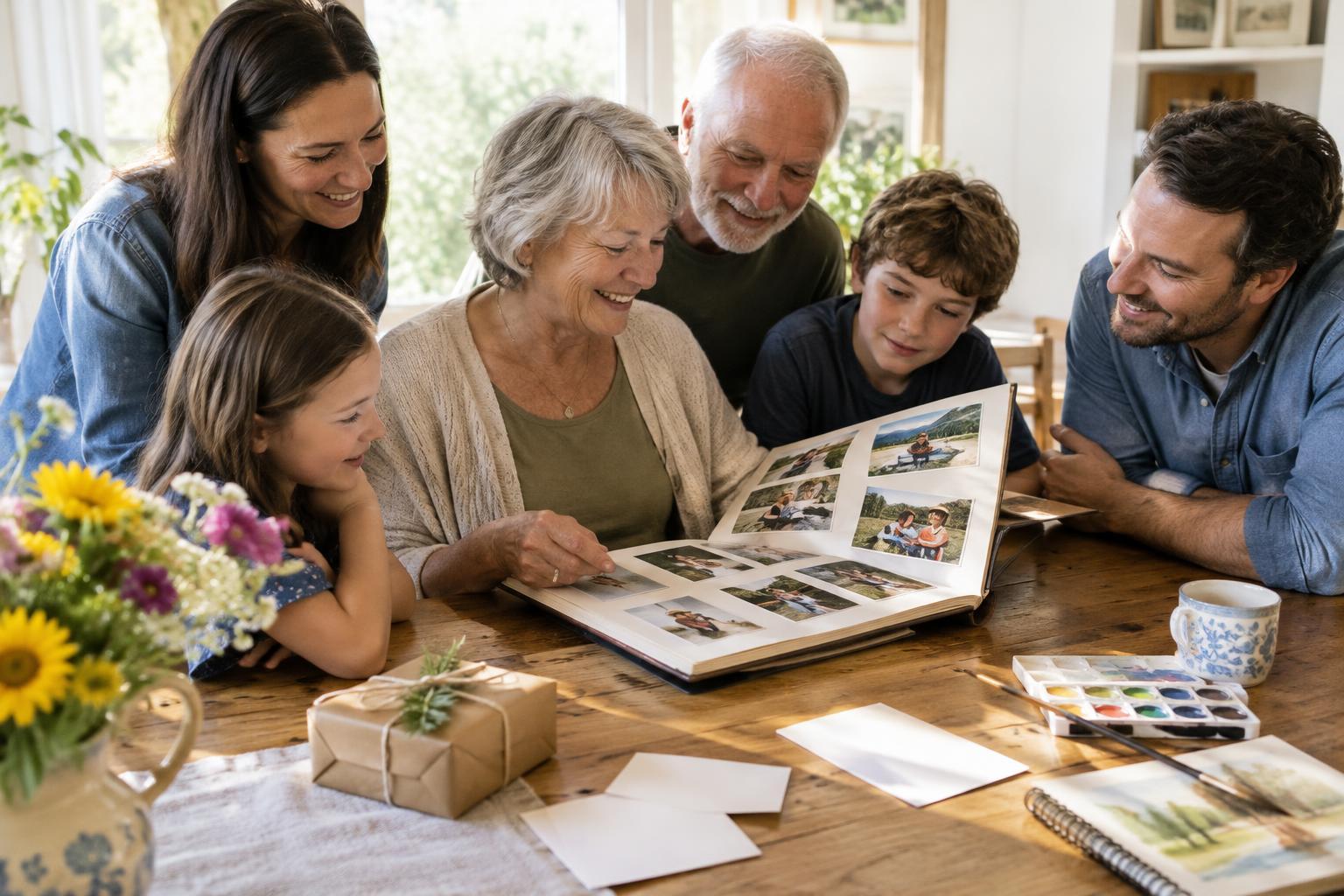
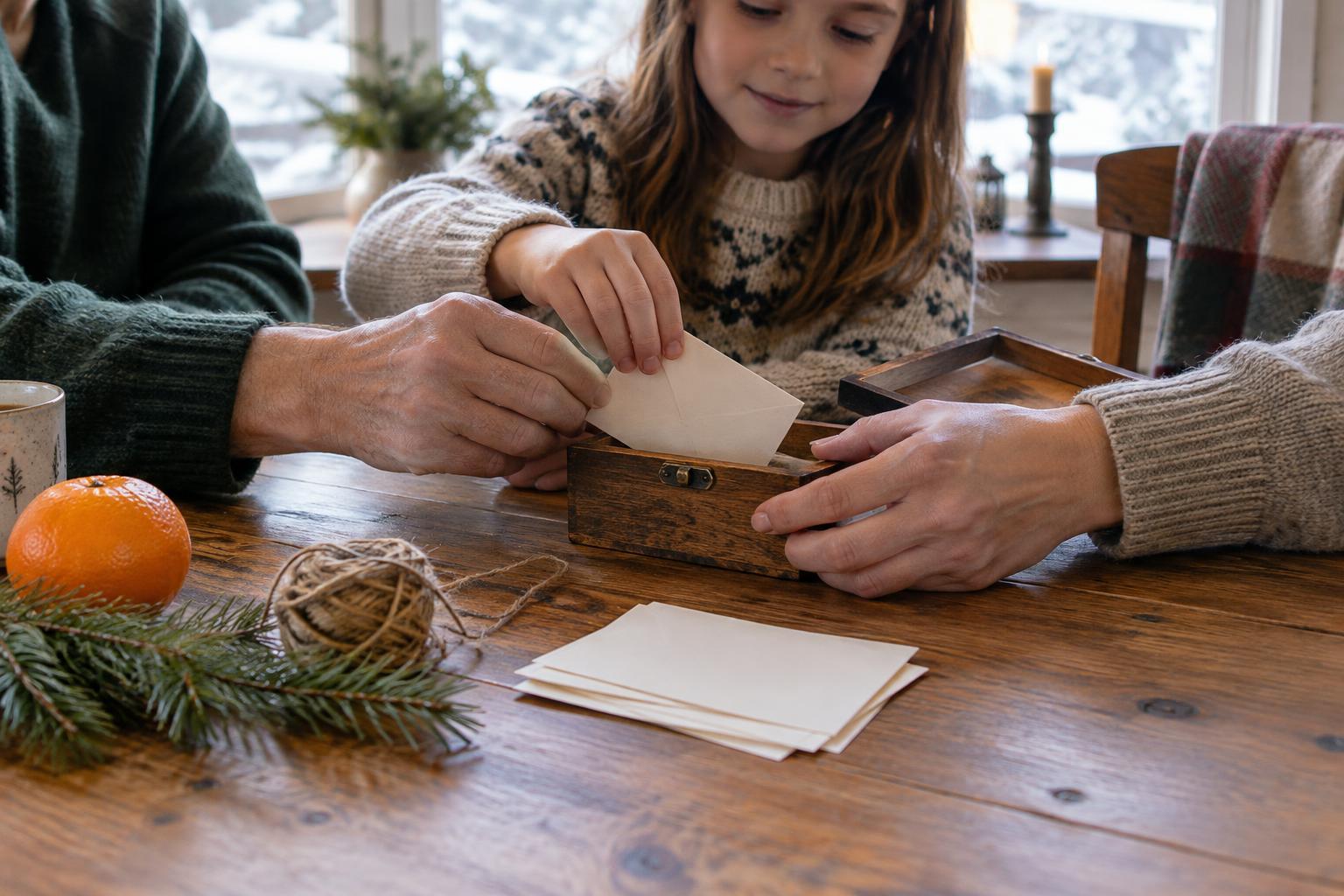
A keepsake can preserve the celebration’s many voices without forcing them into one story. Invite guests to write a wish, a memory or a recipe on separate cards, in whichever language feels natural to them. Gather the cards in a box or album, adding names and brief notes with permission. For a milestone occasion, a handwritten letter from each household can be more personal than a single message everyone must agree on.
Photographs and mementos can help, too, but ask before sharing images or saving items that carry private or sacred meaning. After the gathering, send a short note of thanks that mentions a specific contribution: a story told, a table set or a dish prepared. The most lasting sign of a respectful celebration may be that people recognize their part in it and feel welcome to gather again.