Decide what you want to keep
A ticket stub may be small, but it can recall the people, place and feeling of an occasion. Before choosing an album or box, gather the paper mementos you have in mind: tickets, invitations, programs, place cards, receipts and handwritten notes. Handle them with clean, dry hands and give yourself room to sort without stacking delicate pieces under heavier objects.
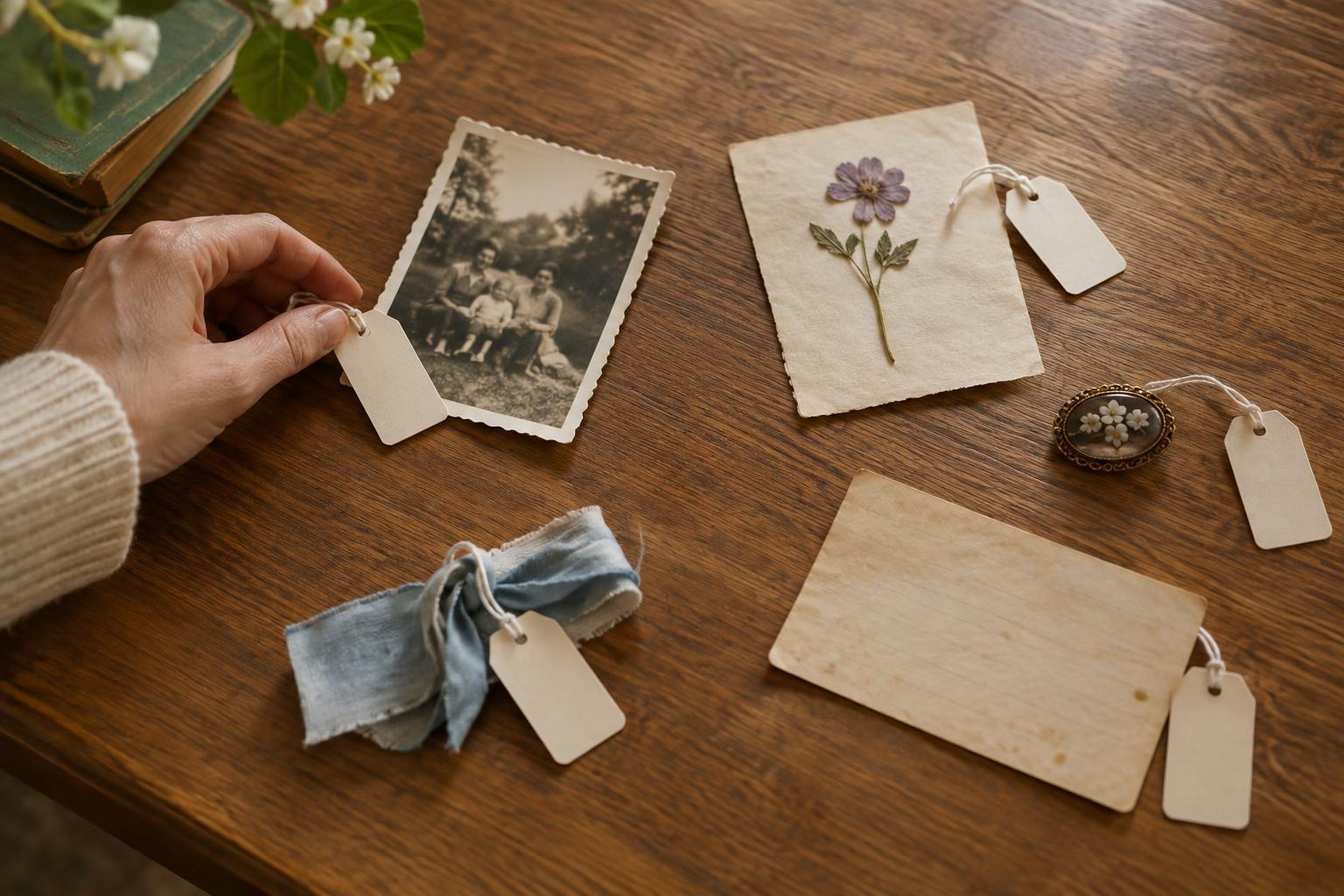
Keep the items that mean something to you rather than feeling obliged to save every scrap. If several pieces tell the same story, you might choose one original and take a photo of the rest. Group what remains by event or year, but resist writing directly on a keepsake to identify it. A separate note with the date, location and names of the people involved will preserve the story without marking the paper.
Protect paper from light, heat and moisture
A stable, dry indoor space is usually a better home for paper than a sunny shelf, damp basement or hot attic. Light can fade ink and printed colors, while moisture can encourage staining or sticking. Choose a cupboard, drawer or closet away from direct sunlight, heaters and water sources. Avoid packing paper that feels damp; let it dry fully in a clean, well-ventilated place before storing it.
Tickets deserve particular care because printing methods vary. Some modern receipts and tickets use heat-sensitive paper that may darken or fade with time. A digital photo or scan can preserve the visible details even if the original changes. Make the copy while the text is still easy to read, and keep it as a backup rather than treating it as a reason to handle the original more often.
Choose an enclosure that fits the item
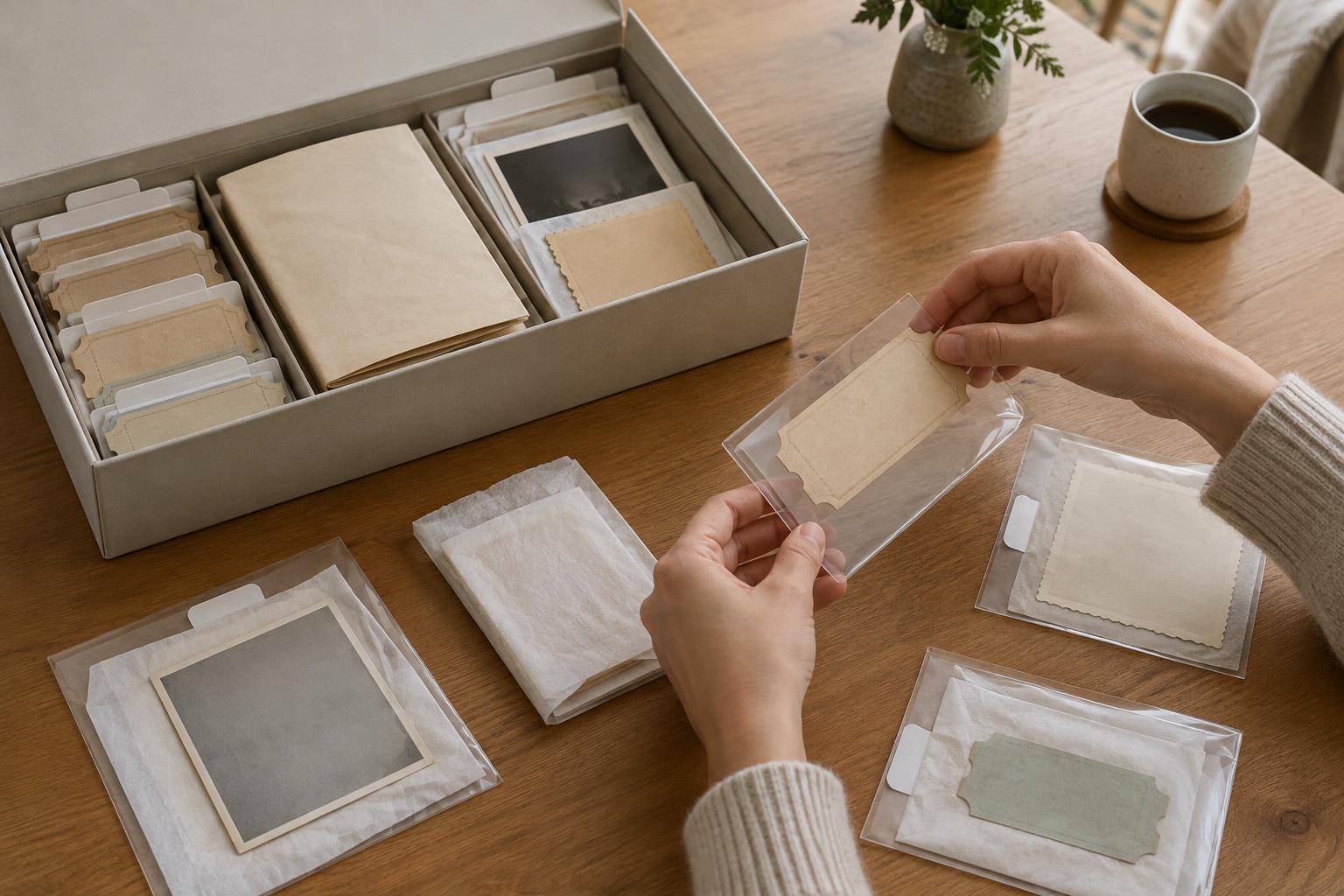
For long-term storage, look for paper folders or sleeves described as acid-free and suitable for archival use. These can separate keepsakes so their surfaces do not rub against one another. Use an enclosure large enough that a ticket slips in without bending; a folded program may need its own folder. If you are unsure about a plastic sleeve, check what it is made from before placing a valued original inside it.
Avoid attaching keepsakes with ordinary tape, glue, staples or self-adhesive album pages. Adhesives can leave marks or become difficult to remove, and metal fasteners may damage nearby paper. Instead, place each item in a sleeve or folder and put your written label on the enclosure. If an item is already torn or unusually fragile, minimize handling and avoid trying to flatten or repair it with household materials.
Make the collection easy to revisit
A storage system works best when you can find a memory without emptying the whole box. Place protected items in a sturdy, lidded box or an album that accommodates their enclosures. Within a box, simple dividers can separate birthdays, trips, concerts and other occasions. Leave a little space so pieces are not crushed when the lid closes, and keep oversized programs flat in a container that fits them.
A brief description often becomes more valuable than an elaborate filing system. On a separate card, record what happened, who was there and why you saved the piece. You can tuck that card alongside the keepsake. For especially meaningful events, add a photo or a copy of a letter to give the paper context. Store digital copies in clearly named folders as well, and back them up in a second place if they matter to you.
Display copies and check originals occasionally
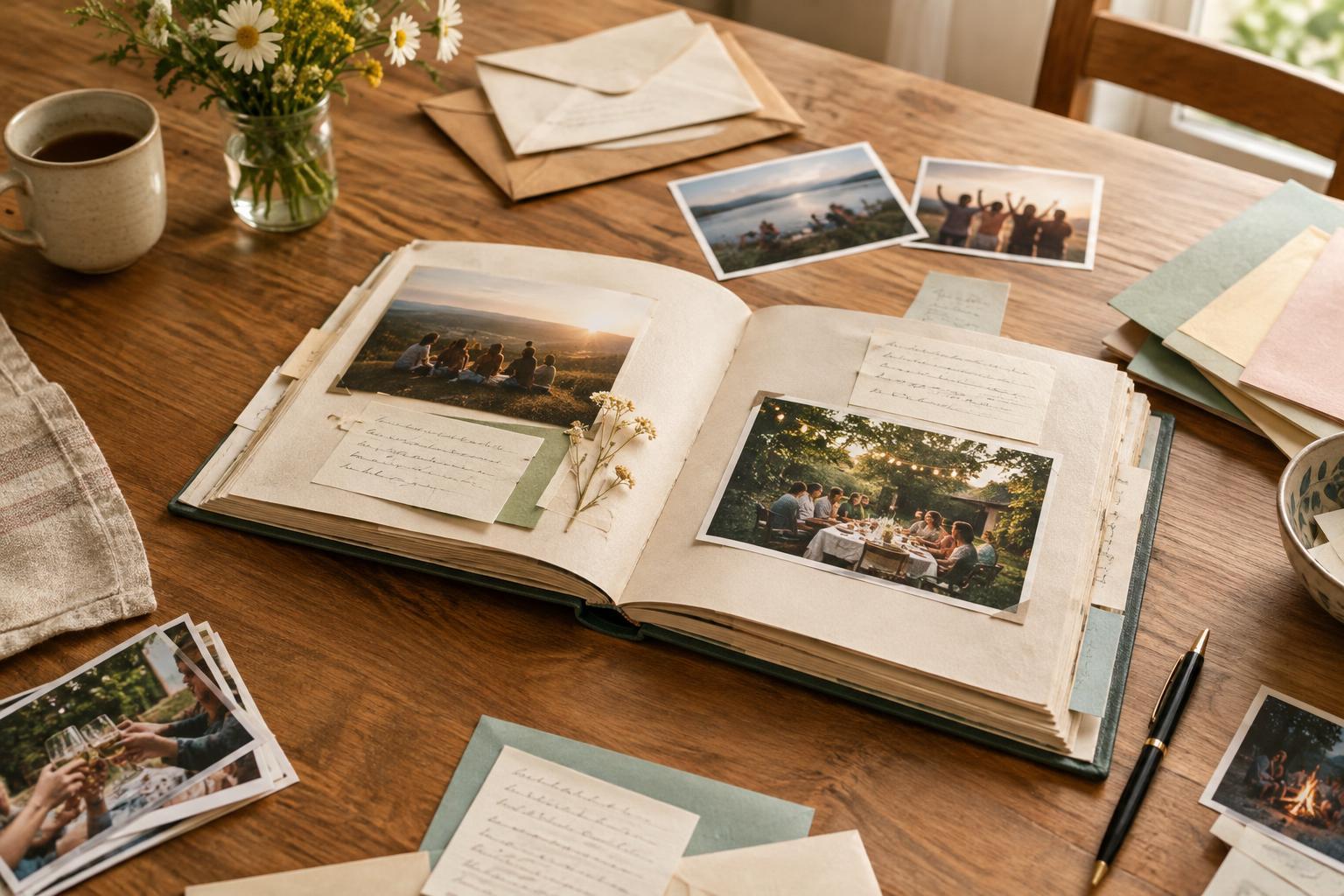
Keeping an original safe does not mean hiding the memory. A copy of a ticket can go in a scrapbook or frame, leaving the original protected in storage. If you prefer to display the original, keep it out of direct sunlight and use a frame that holds it without glue or tape. Even with care, displayed paper may change over time, so consider which matters more to you: seeing the original every day or preserving its present appearance.
Every so often, look through the collection for signs of dampness, sticking, pests or crowded folders. Make sure labels still make sense and that new keepsakes have a place to go. The aim is not a perfect archive. It is a manageable home for the little pieces of paper that help you remember your celebrations and the people who shared them.