Start with an invitation to share needs
A gathering feels more welcoming when guests can tell you what would help them enjoy it. When you invite people, add a simple line such as, “Please let me know if there’s anything I can do to make the gathering easier to attend.” Give them a way to reply privately. Some guests may have requests; others may prefer not to explain anything. Neither response needs to become a group conversation.
Ask about practical arrangements rather than diagnoses. A guest might need a step-free entrance, a chair with a back, a quiet place to rest, space for a mobility aid or information about the food. If you cannot meet a request, say so early and work with the guest on an alternative. The aim is not to guess what someone needs, but to make it easy for them to tell you.
Check the journey through the space
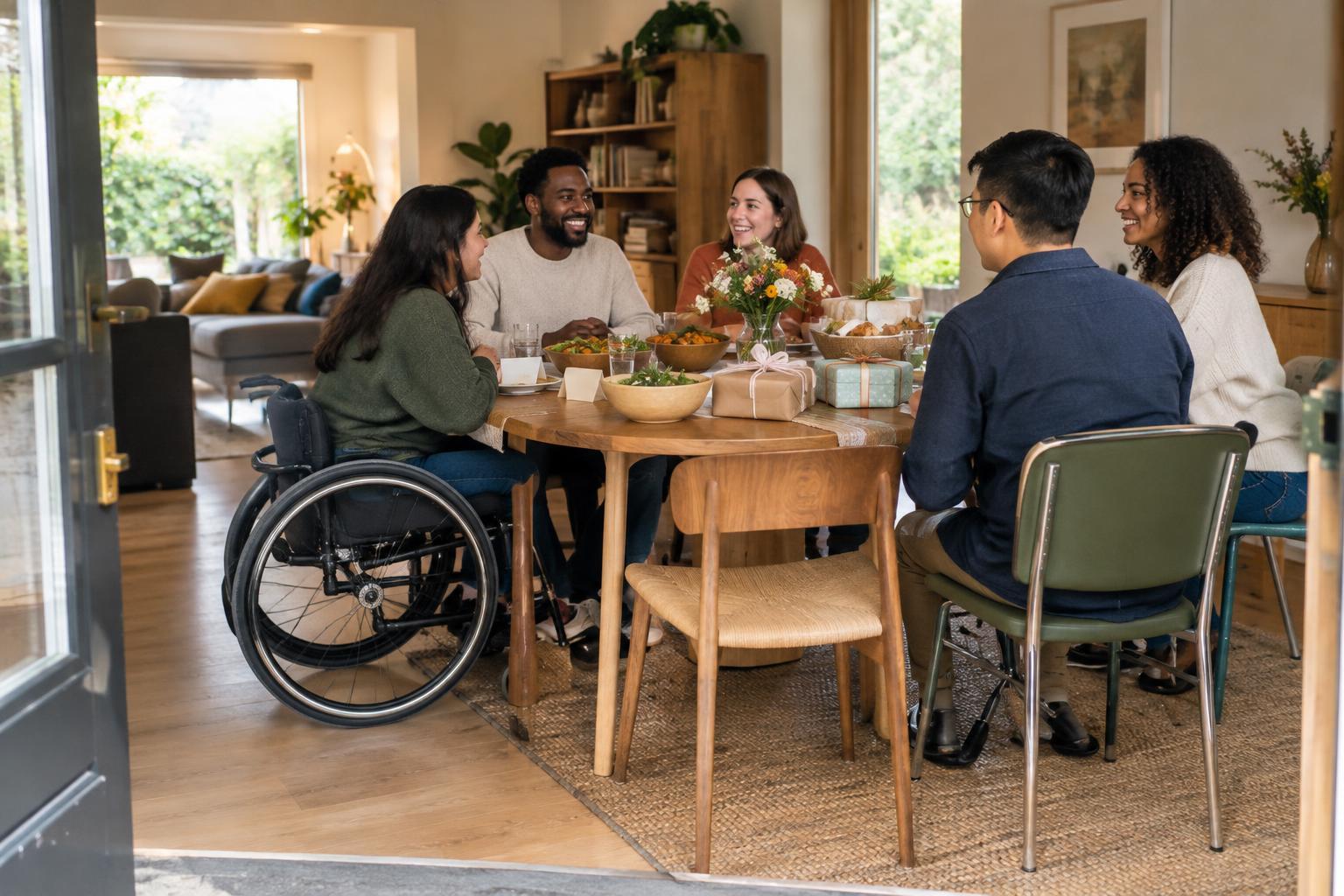
Think beyond the front door. Consider how guests will arrive, enter, use the bathroom, get food and move between activities. Steps, narrow passages, heavy doors and crowded furniture can make a space difficult to use. If you are choosing a venue, ask specific questions about its entrance, seating and toilets rather than relying on a general description that calls it “accessible.”
Before the gathering, clear walkways and leave room around tables and chairs. Put everyday essentials where guests can reach them without asking for help. Offer different seating options if possible, and keep a few seats available throughout the event. If you know a feature may be difficult to navigate, describe it plainly ahead of time so guests can decide what works for them.
Make the plan easy to understand and adjust
An invitation can do more than give a time and address. Include the likely length of the gathering, whether guests will be standing or seated, what food you plan to serve and any access details you have checked. If there will be loud music, outdoor activities or a long walk between locations, mention those too. Clear information helps people plan without having to ask a string of follow-up questions.
Leave room for guests to participate in different ways. Someone might arrive later, leave early, step outside for a break or skip an activity while still wanting to celebrate. A loose schedule, a place to sit away from the busiest area and a way to join conversations without competing with music can all help. Let guests know that taking a break is fine; they should not have to explain their absence.
Plan food and activities with choice in mind
When food is part of the event, ask about dietary needs in advance and keep ingredient information available where you can. Serve food in a way guests can reach, or offer help without making assumptions about who needs it. If there is uncertainty about an ingredient, be honest rather than guessing. Giving people room to bring something that works for them can also be helpful.
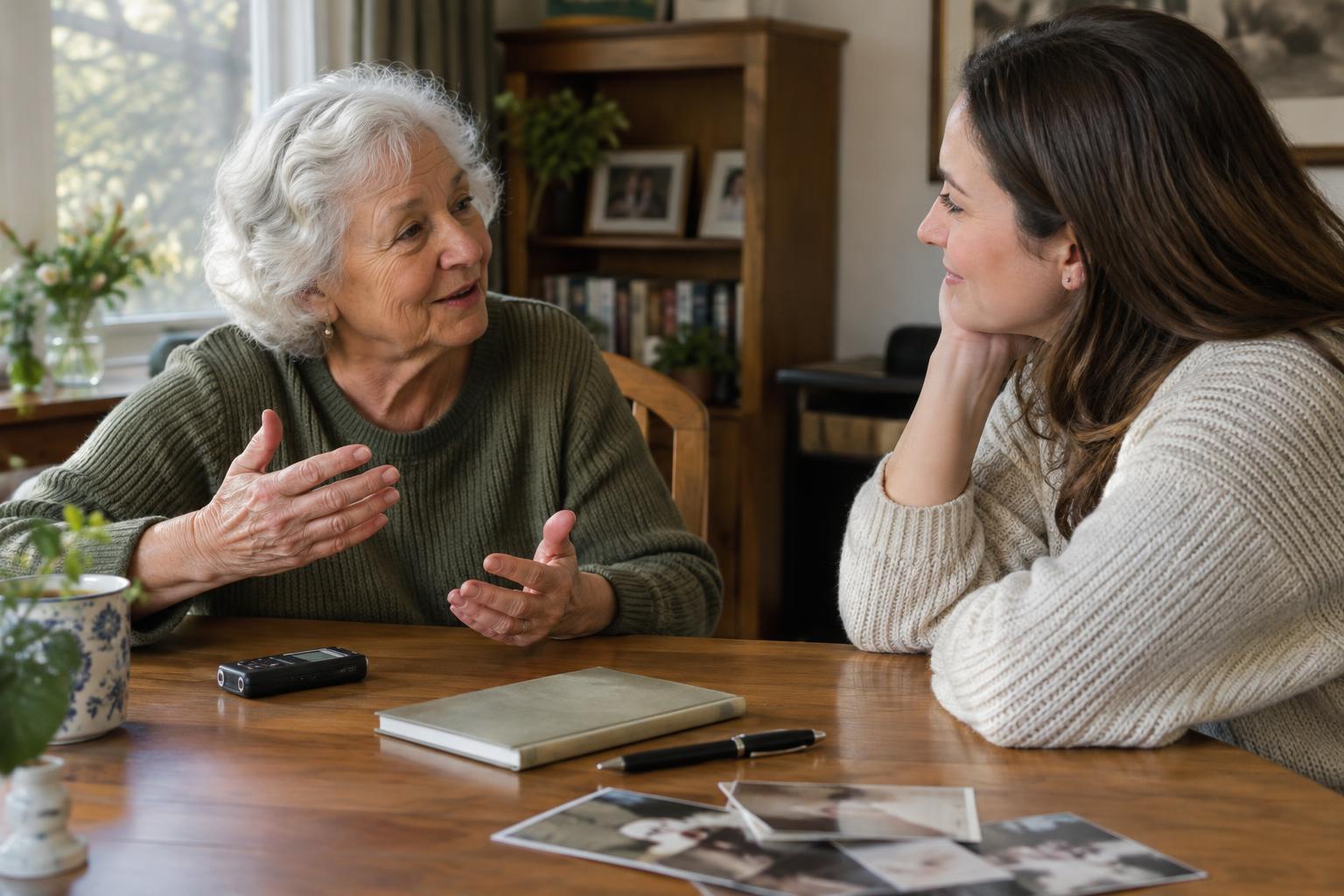
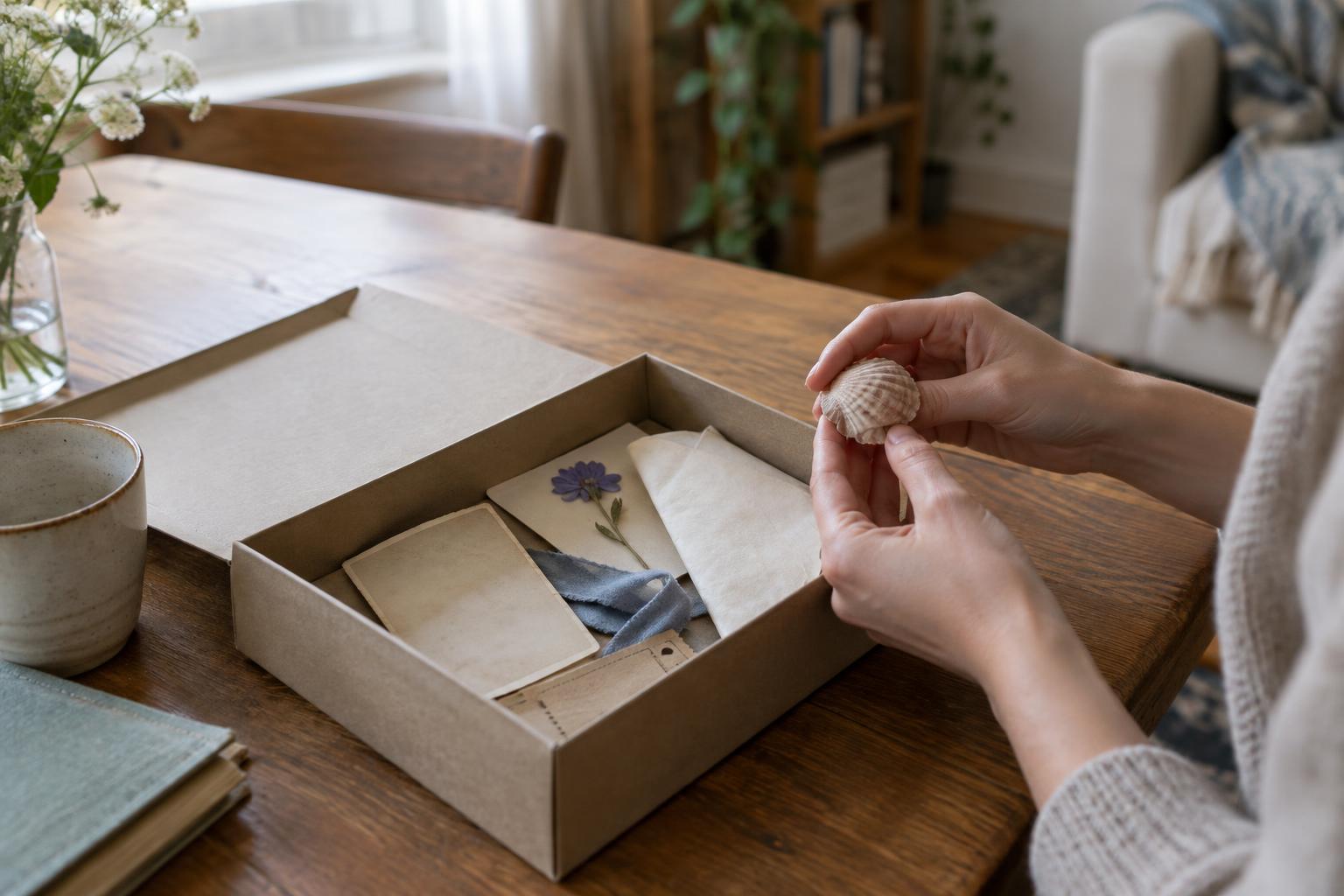
Choose activities that do not make one form of participation the only way to belong. For example, a celebration might include a shared card, a memory box or a table where guests can write a note at their own pace. People can contribute during the gathering or send a message afterward. If you plan photos, speeches or games, invite rather than require participation, and ask before sharing anyone’s words or image beyond the group.
Follow through with warmth, not fuss
On the day, keep the arrangements you promised and make small adjustments when needed. Point out practical features, such as the bathroom and quieter seating, without singling anyone out. If something is not working, ask the person concerned what would help instead of drawing a crowd around the problem. A comfortable gathering gives guests the freedom to say what they need and to change their minds.
Afterward, a handwritten thank-you or a copy of a group photo can become a keepsake for someone who attended only part of the celebration or joined from afar. Ask how they would like to receive it, and respect anyone who does not want a photo shared. The most thoughtful details are often simple ones: useful information, genuine choice and a host willing to listen.