Begin with an invitation, not a recording
A relative’s stories can bring texture to a family keepsake: the sound of their laugh, the details of a childhood kitchen, or the way they describe a celebration. Recording those memories starts with a conversation, not a microphone. Explain what you hope to make, whether that is a private audio file, a handwritten booklet based on an interview, or a short collection for a family gathering. Ask whether they would enjoy taking part, and make it easy to say no.
Permission is more useful when it is specific. Before you begin, ask whether they are comfortable with audio or video, who may hear or see it, and whether you may write down or edit their words. Someone may welcome a recording for their children but not want it sent to a wider group. Agree that they can skip questions, pause, stop, or ask you to remove a passage later. If their wishes change, treat that as part of the process rather than an inconvenience.
Make the conversation comfortable
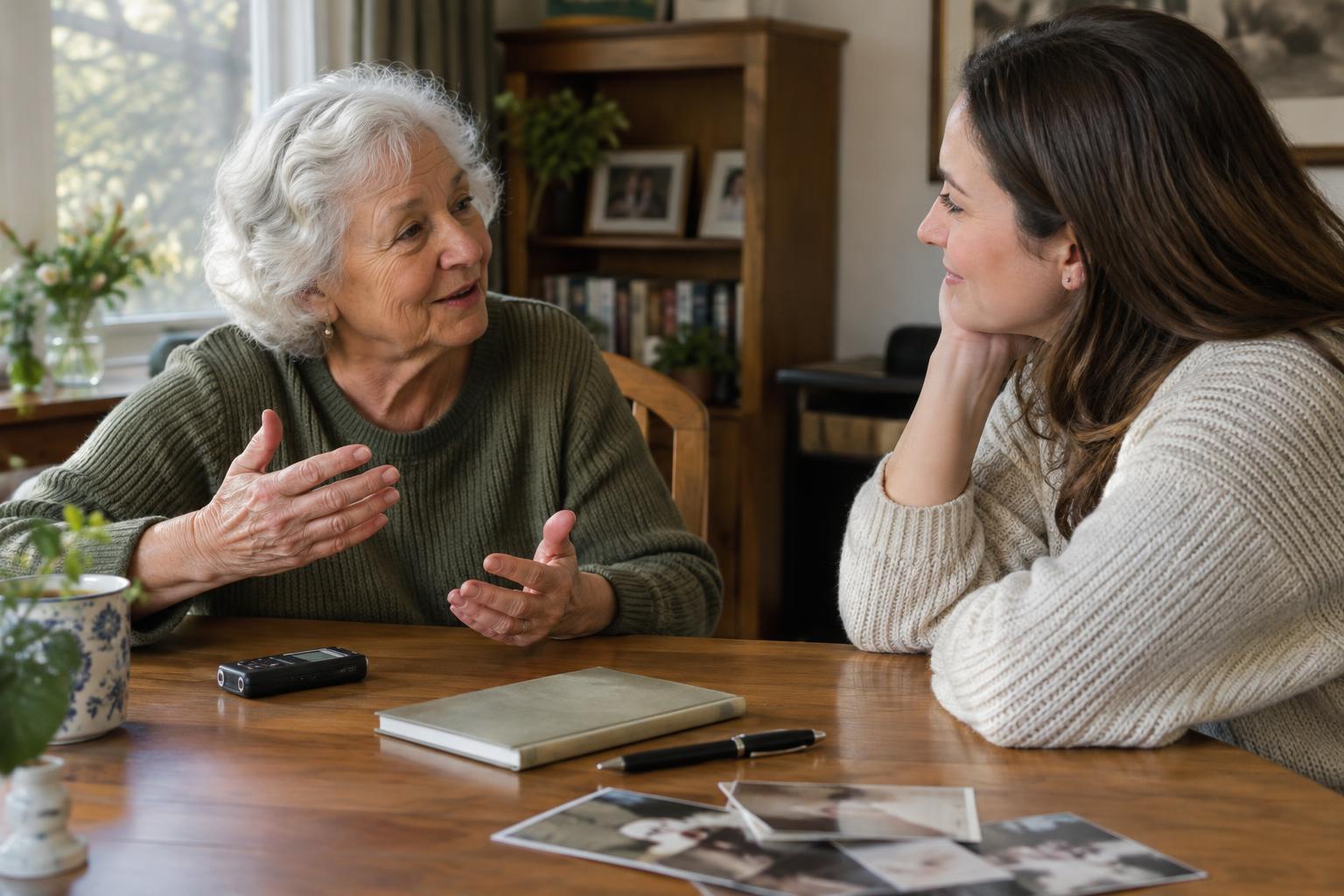
Choose a time and place that suits the storyteller. A quiet room may help an audio recording, but comfort matters more than perfect sound. Keep the first session short enough that neither of you feels obliged to fill every silence. If you use a phone, test it briefly, then ask again before making the actual recording. Position it nearby rather than turning the visit into a formal interview.
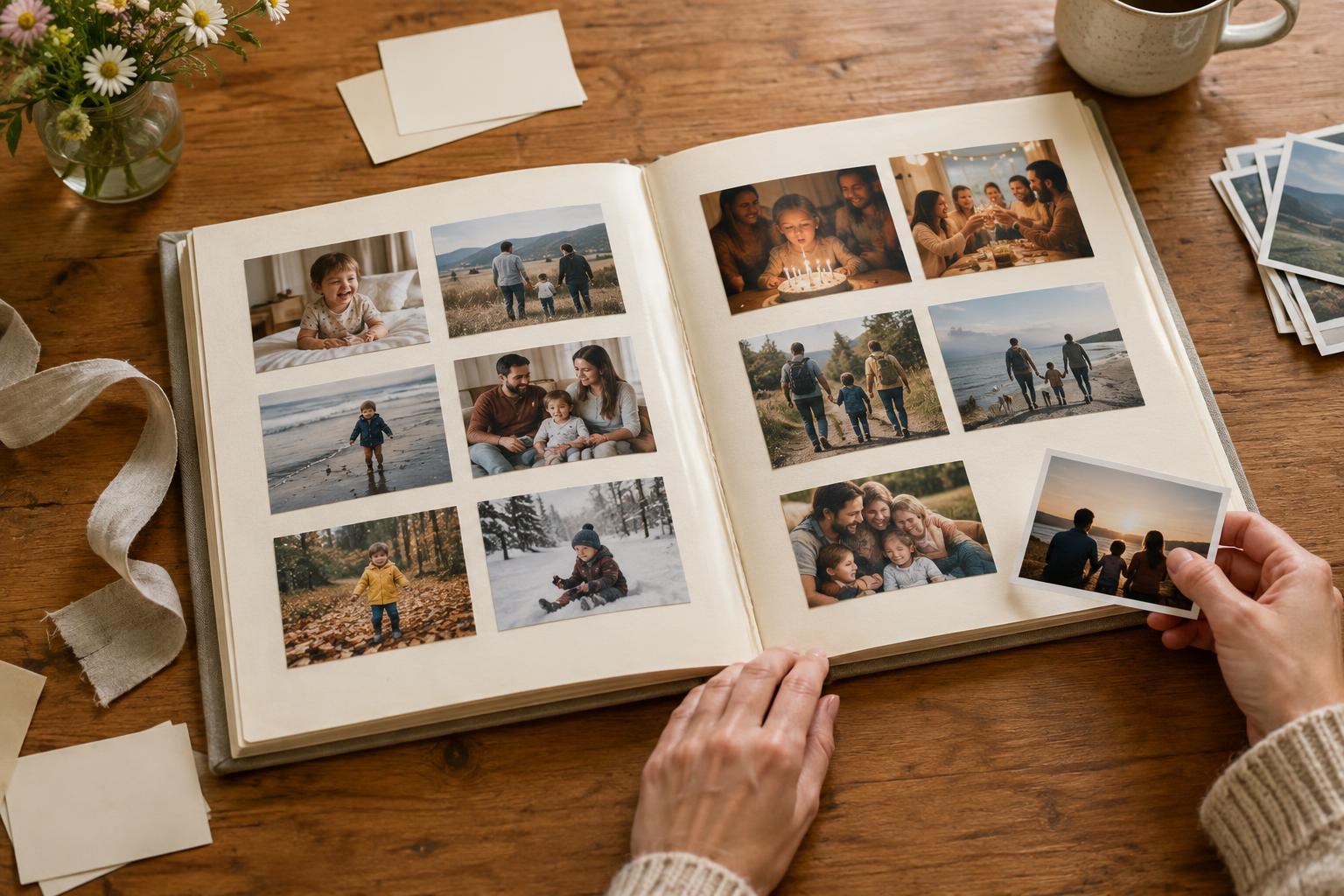
Start with open prompts about things they seem happy to discuss: “What was your neighborhood like when you were young?” or “How did your family usually mark birthdays?” A photograph, recipe card or familiar object might help a memory surface. Follow their lead and allow detours; the small details are often what make a story feel personal. Avoid pressing for an exact date or a complete account. It is fine for a memory to begin with “I think.”
Let them set the boundaries
Family stories sometimes touch on grief, disagreement or other people’s private lives. You do not need to pursue a difficult thread because it sounds important. If your relative hesitates, offer to move on. You can ask, “Would you like that part kept just between us?” and honor the answer. Be especially thoughtful when a story identifies someone who has not agreed to be included; a keepsake can preserve its meaning without repeating every name or personal detail.
After the conversation, check what your relative is comfortable keeping. They may prefer to leave out a particular anecdote, soften a description, or reserve one story for a smaller audience. Reviewing these choices together can be as simple as listening to a short section or reading a printed draft. The aim is not to make their memories sound polished. It is to help them recognize their own voice in the result.
Turn the recording into a keepsake
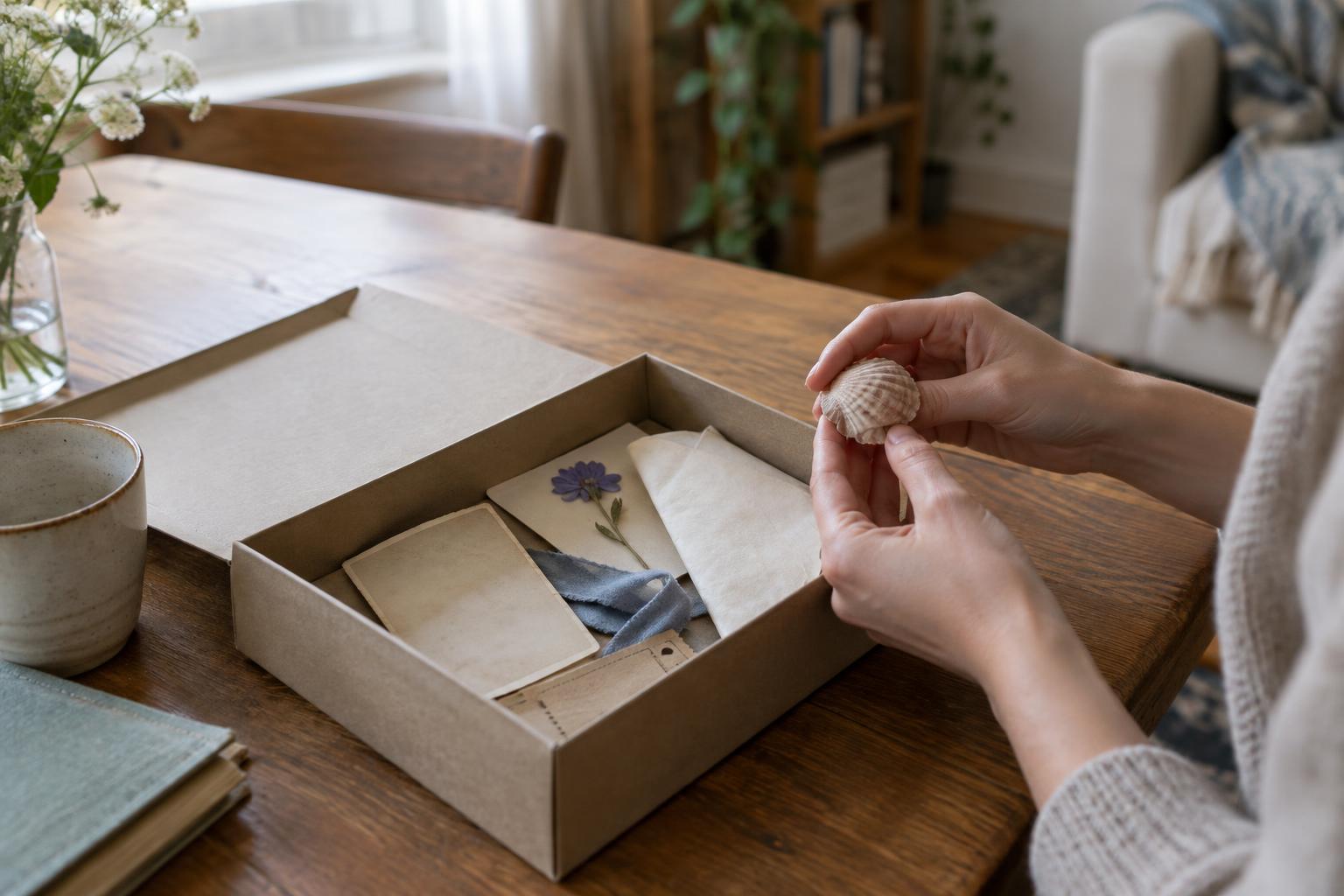
The finished piece need not be elaborate. You might pair a short audio recording with a labeled family photograph, transcribe one favorite story into a small booklet, or copy a few approved memories onto cards for a celebration table. Add context the storyteller has confirmed, such as who is speaking and what the story is about. If you edit for length, take care not to change the meaning of what they said.
Consider offering your relative the first copy or a chance to choose the title. A handwritten note explaining why a particular story stayed with you can make the gift feel like a conversation rather than an archive. If they would rather keep the recording private, you can still thank them for sharing it. The time spent listening has value even when no finished gift is made.
Agree on sharing and safekeeping
Before making copies, posting clips or playing the recording at a gathering, confirm the audience you agreed on. A private family message can travel farther than intended when forwarded, so tell recipients if the story is not theirs to share. Keep the original file somewhere you can find it, give it a clear label, and avoid storing extra copies where they are not needed. If your relative asks you to delete the recording, follow through and check any copies you control.
You can revisit the arrangement over time, particularly if you hope to use the story in a new way. Permission for a family booklet is not automatically permission for a public post. By asking first, listening closely and staying open to changes, you create a keepsake that reflects not only what your relative remembers, but how they want those memories held.