Decide what you want to remember
Not every milestone calls for a gathering. Perhaps you completed a course, kept a promise to yourself, settled into a new home, or made it through a demanding season. Before deciding how to celebrate, name what matters about the moment. Was it the result, the effort, or the person you became along the way? A specific answer makes even a modest gesture feel more meaningful.
It also gives you permission to set the scale yourself. You might want to share the news with one friend, or you might prefer to keep it private. Marking a milestone does not require an impressive accomplishment or anyone else’s approval. It is simply a way to pause before everyday life moves on.
Create a small ritual
Choose an activity that gives the moment a clear beginning and end. Take a familiar walk with a different destination, make your favorite breakfast on an ordinary weekday, or sit down with a cup of tea and write about what has changed. Repeating a ritual for future milestones can give these quiet occasions a shape of their own.
Try to match the ritual to the achievement. After finishing a long project, an evening with no plans may feel better than another activity to organize. After taking a new step, visiting a place you have been curious about might feel fitting. A celebration should leave you feeling recognized, not give you another task to complete.
Put the moment into words
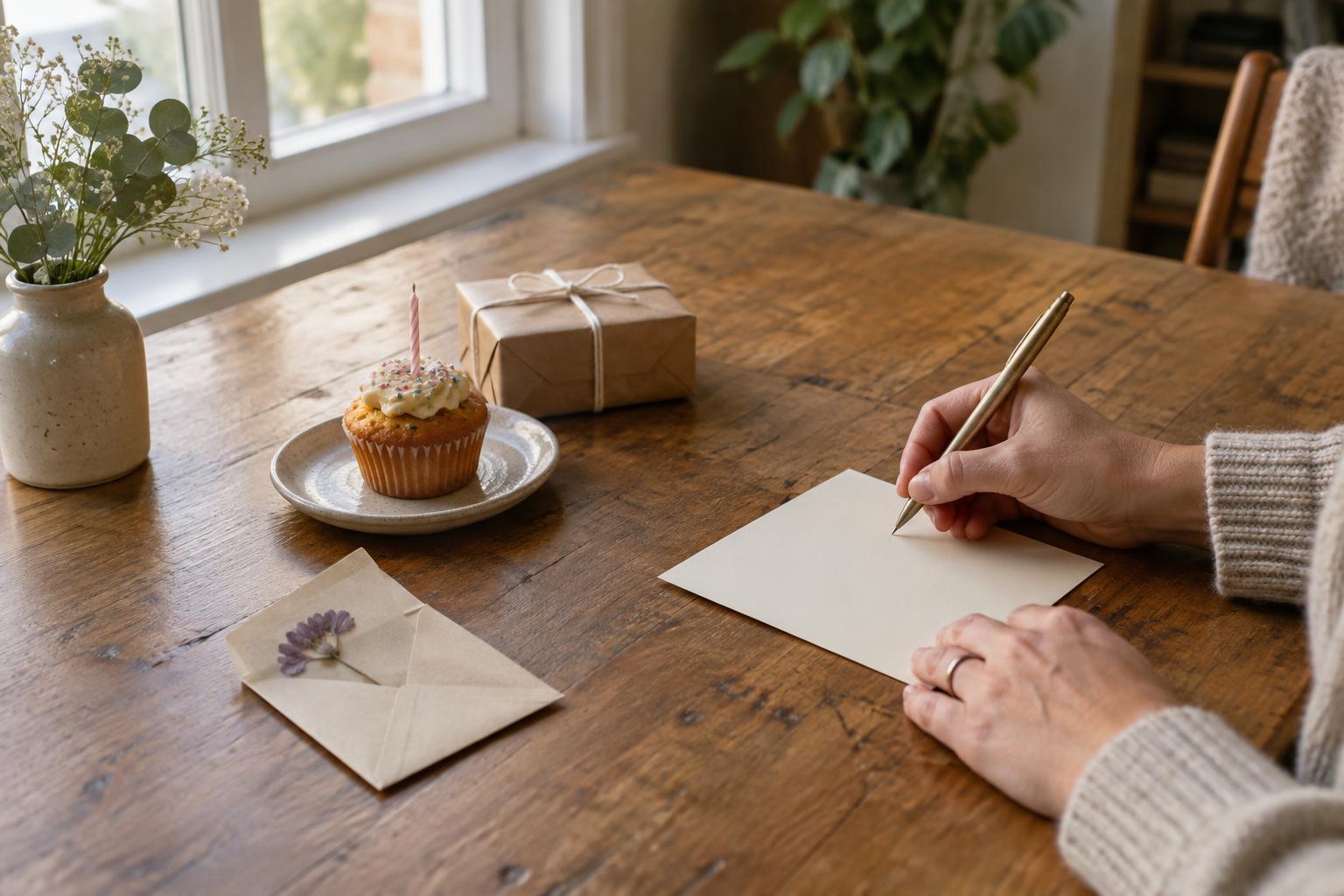
A handwritten note can hold details that are easy to lose later. Write a short letter to yourself describing what was difficult, what helped, and what you would like to carry forward. You do not need polished language. A few honest sentences on a card or a page of stationery can be enough. Add the date so you can place the memory when you find it again.
If another person was part of the journey, this may also be a good time to thank them. Rather than announcing the milestone with a long account, tell them one thing they did that made a difference. You can send the note, tuck it into a gift, or read it aloud over coffee. The milestone remains yours, but acknowledging their part can make the connection feel more lasting.
Make a keepsake you will want to keep
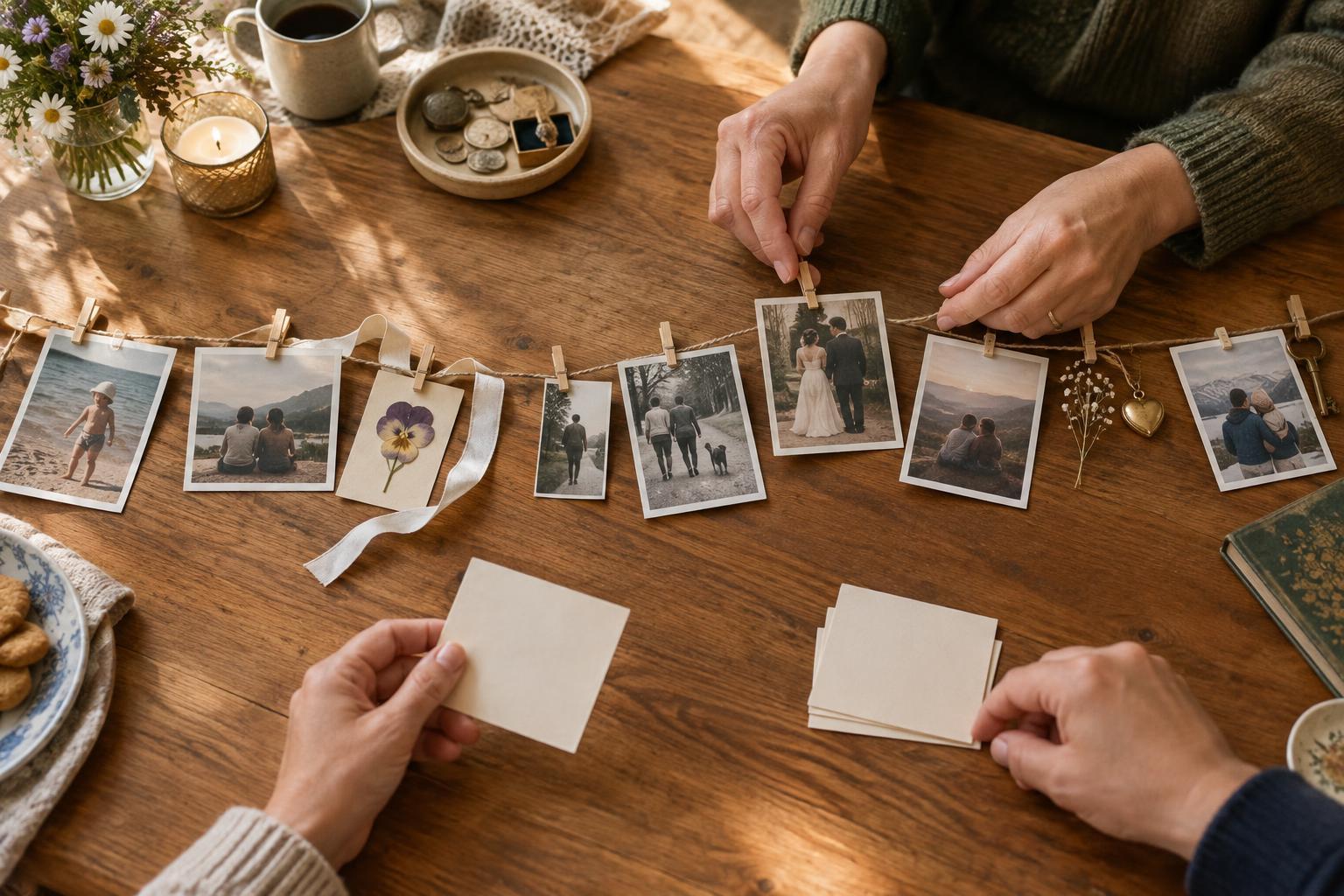
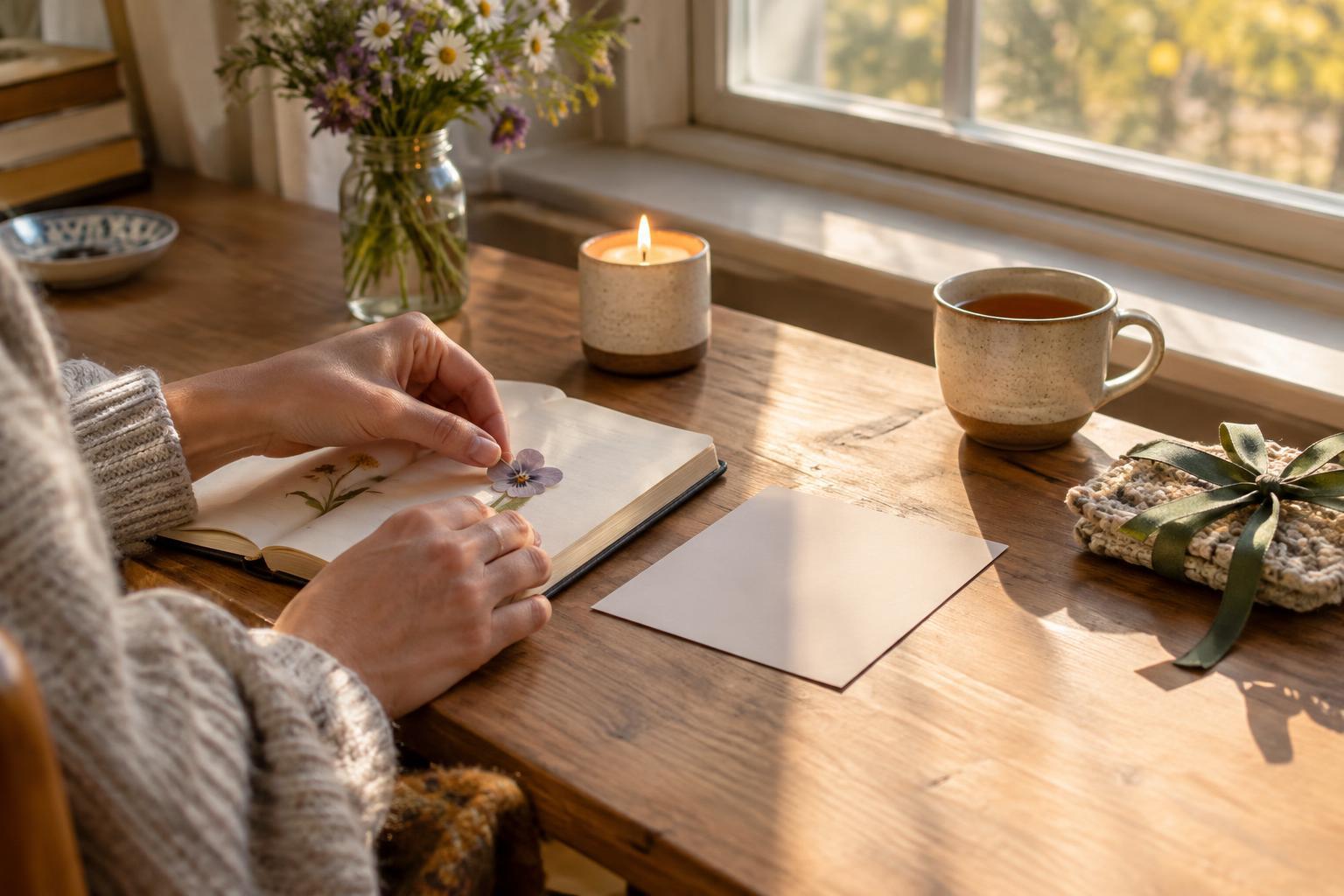
A keepsake need not be bought or elaborate. Save a ticket from the day, print a photograph, press a leaf from your walk, or write the name of the milestone on a small piece of card. Place it in an envelope with a brief note explaining its meaning. Without that context, an ordinary object can become a mystery to your future self.
Think about where the keepsake will live. A single folder or box can hold cards, photographs, and small objects without turning them into a display project. If you enjoy seeing your reminders, frame a note or place a photograph where you will notice it. If the achievement feels tender or private, storing it safely out of sight is just as valid.
Share it in a way that suits you
Sharing a milestone does not mean hosting a party. Invite one person for a walk, send a postcard to someone far away, or ask a friend to join you for dessert. You can be direct about what you want: “I finished something important to me, and I’d love to tell you about it.” That gives the other person a chance to celebrate with you without asking them to guess why the occasion matters.
You can also choose not to share it yet. Some milestones need time before they are easy to explain, especially when they involve change or recovery from a hard period. Mark the day in a calendar, write yourself a note, or prepare a small envelope to open in a few months. Whether someone else joins you or not, taking a moment to notice your progress is a celebration.