Ask what celebrating means to them
Graduation can bring pride, relief, uncertainty and excitement at the same time. Before booking a venue or inviting guests, ask the graduate how they would like to mark the occasion. They might picture a lively gathering, a quiet meal, an afternoon with close friends or simply a day without obligations. Treat their answer as the starting point, not a suggestion to fit into a party you have already planned.
Specific questions are easier to answer than “What do you want to do?” Ask whether they would enjoy speeches, photos, surprise guests or being the center of attention. Find out whom they most want to see and what they would rather skip. If they are unsure, offer two or three manageable options and give them time to think. A celebration can be thoughtful without being elaborate.
Choose a format that fits the person
Once you know the graduate’s preferences, choose a format that supports them. A casual open house allows people to drop by without making one long event of the day. A small dinner gives close family or friends room to talk. A picnic, game night or shared activity may feel more natural to someone who dislikes formal attention. If important people live far away, a short video call or a collection of recorded messages can include them without requiring a larger gathering.
Keep practical limits in view as well. Consider the graduate’s energy, accessibility needs, schedule and budget alongside your own. If several people want to celebrate them, it may be better to arrange separate, simple visits than one event that tries to satisfy everyone. Make it clear which decisions belong to the graduate, especially when family traditions or other people’s expectations differ from their wishes.
Make the details personal, not performative
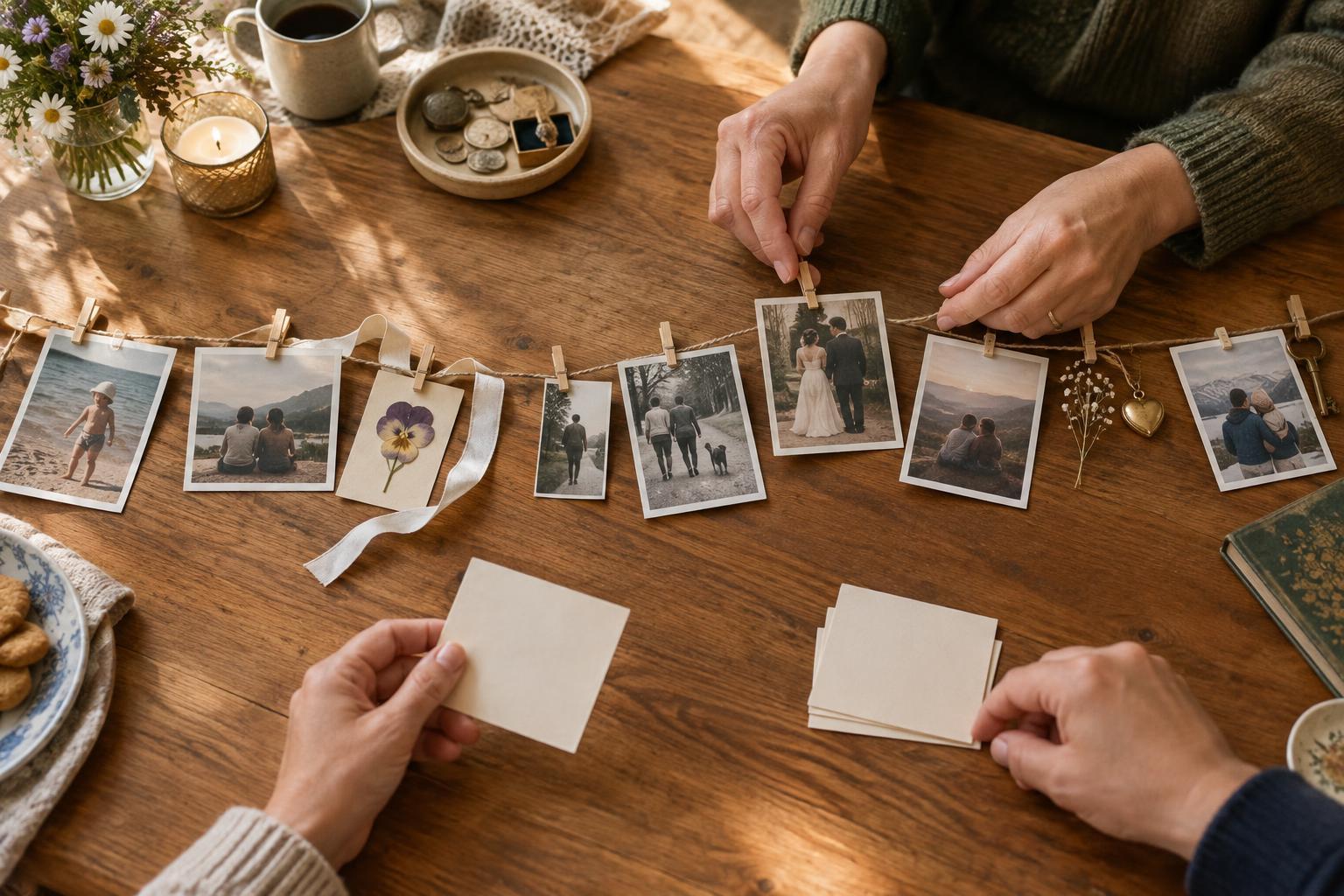
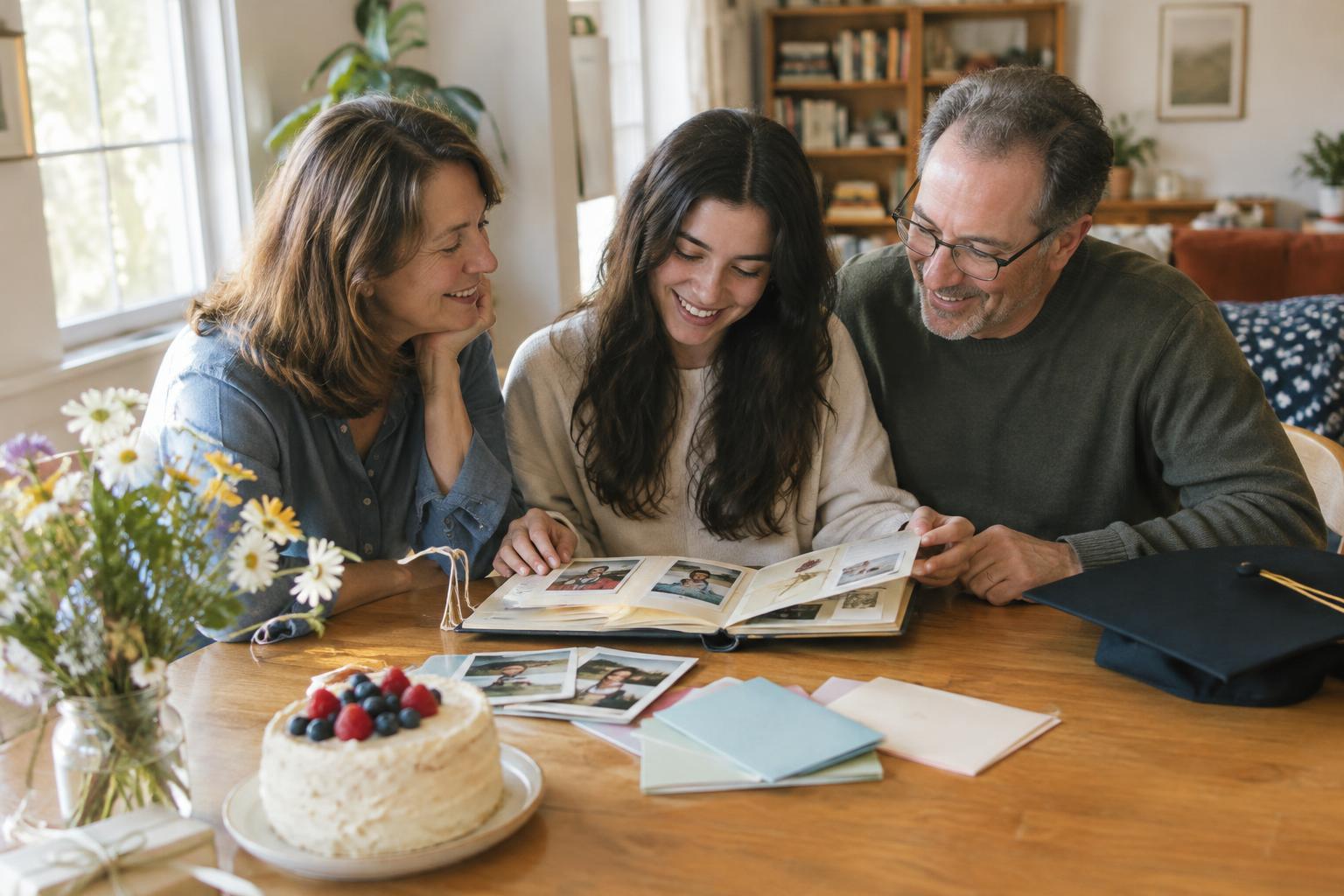
Personal touches need not be grand. Serve a favorite snack, play music they choose or use colors and decorations they actually like. A display of a few photos can show their journey, but ask before sharing images or stories publicly. Some graduates love childhood memories; others would rather focus on the people and interests that matter to them now.
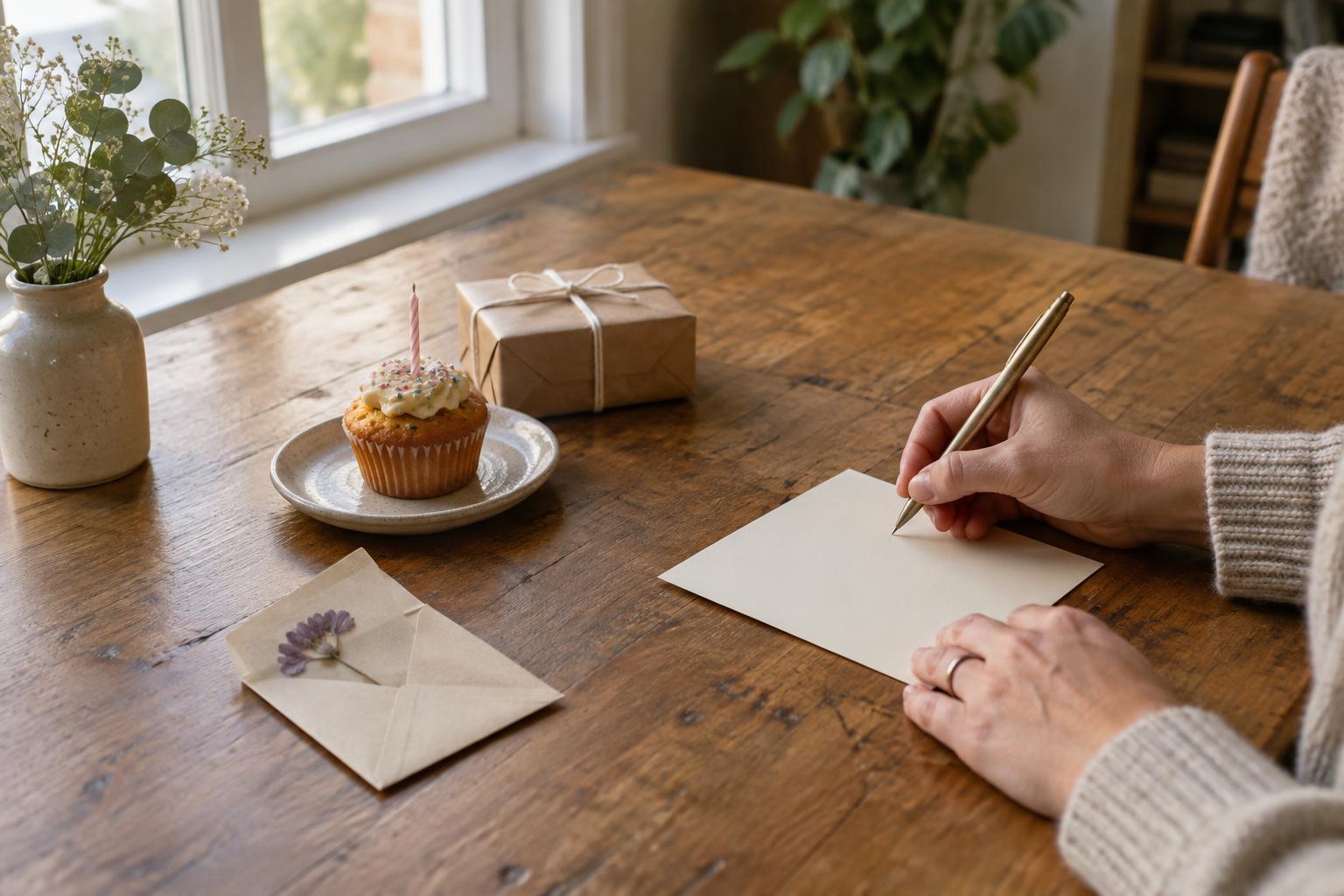
If guests want to contribute, invite them to write a brief note about a shared memory, something they appreciate about the graduate or a wish for the next chapter. Provide cards and pens at the gathering, or ask for notes in advance so people who cannot attend can participate. Avoid making guests read their messages aloud unless the graduate welcomes it. Private words often make a more comfortable and lasting gift than an unexpected speech.
Plan a keepsake they will want to keep
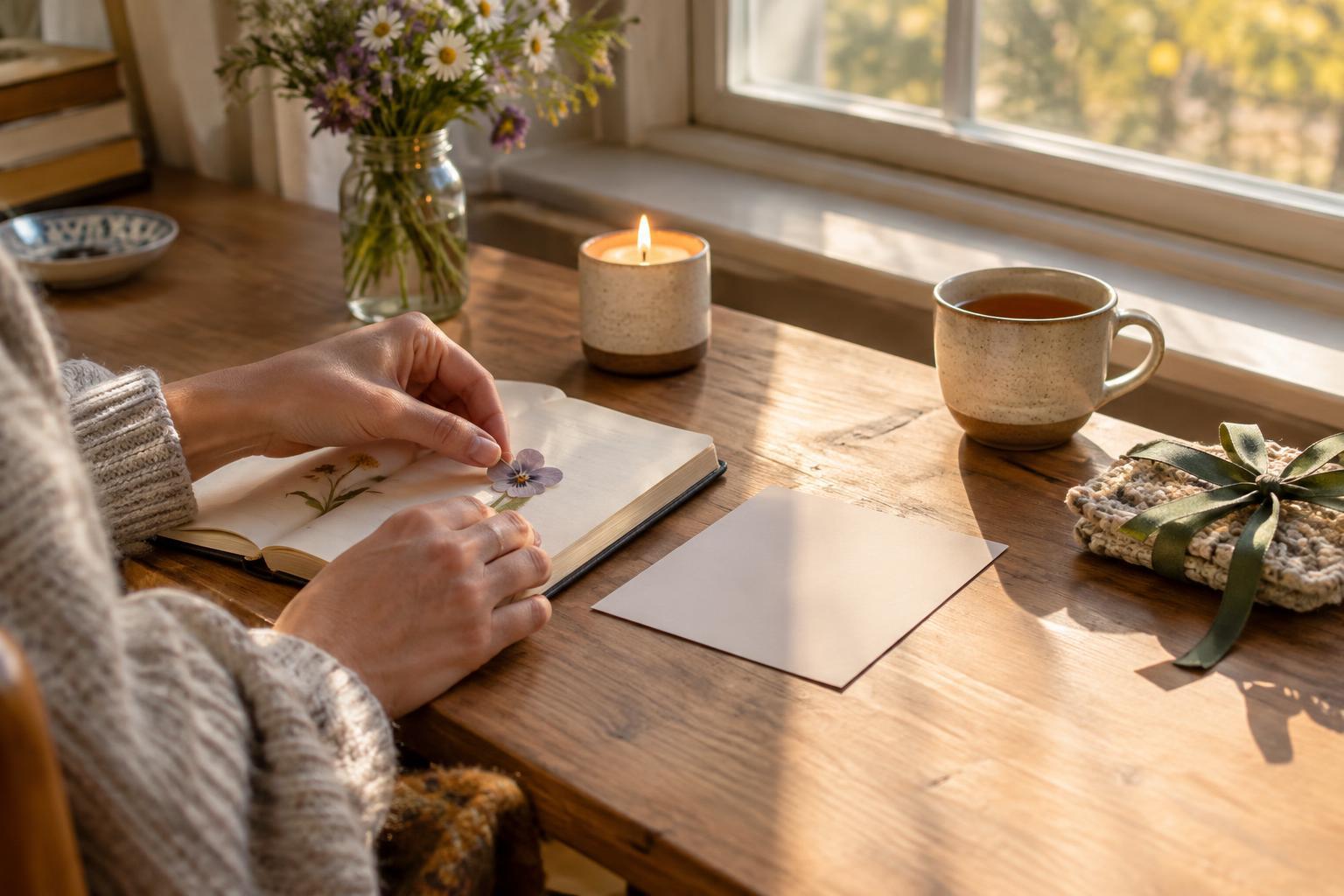
A keepsake works best when it suits the graduate’s habits and available space. Someone who enjoys paper mementos might like a small box for cards, photos and a program from the ceremony. Someone who prefers less clutter might appreciate a slim album or a single framed picture. You could leave room for the graduate to add their own reflections later, after the busy day has passed.
Consider including ordinary details as well as milestones: a handwritten recipe from a celebratory meal, a note from a friend or a photo taken during a relaxed moment. Label items with names where useful, and let the graduate decide what belongs in the collection. The goal is not to document every part of graduation. It is to preserve a few things that will help them remember how they felt and who was there.
Leave room for the day to unfold
Even a carefully chosen plan can feel overwhelming when the day arrives. Build in pauses, keep the schedule light and identify someone other than the graduate who can answer guests’ practical questions. If the graduate wants to leave early, change an activity or spend time with one person, let the plan bend. Their comfort matters more than completing every item on an itinerary.
Afterward, a simple follow-up can extend the warmth without extending the event. Send the collected notes, share photos they are happy to receive or write a personal letter about what you admired in their achievement. A graduation celebration reflects the graduate’s wishes when it gives them a say before, during and after the occasion—and leaves them with a memory that feels like their own.