Choose a ritual that fits your real life
The best birthday tradition is one you can imagine doing on an ordinary year, not just a year when you have plenty of time and energy. It might be breakfast from a favorite café, a walk in a familiar place or an evening spent cooking a meal you love. Pick something small enough to repeat and flexible enough to change shape. A birthday walk can be ten minutes around the block one year and a longer outing the next.
You can also decide what you want the ritual to do for you. If birthdays tend to feel busy, choose something restful. If the day leaves you feeling disconnected, build in a conversation. There is no need to fill every hour with plans. One dependable moment can give the day a sense of occasion while leaving space for whatever else life brings.
Write a note to your future self
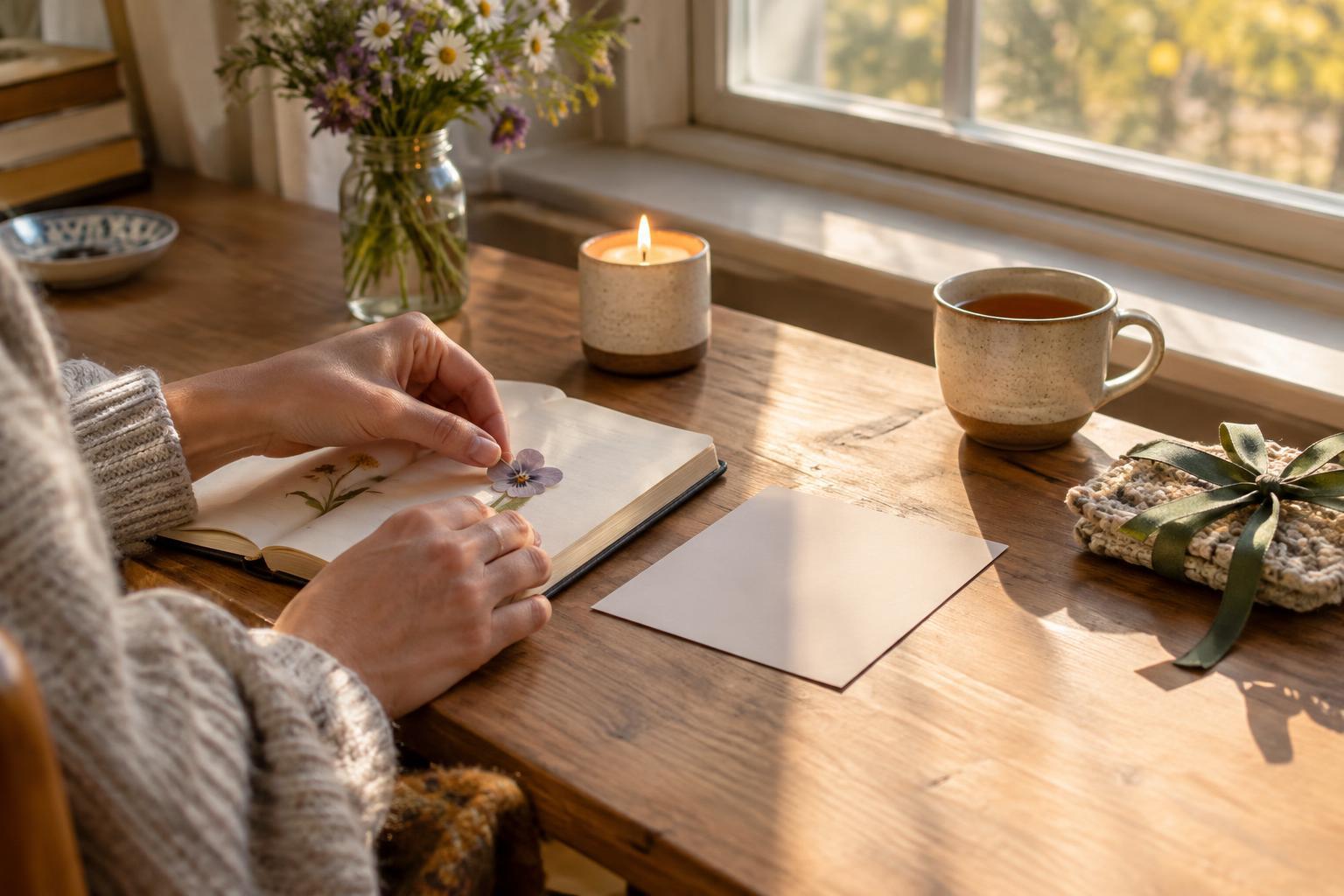
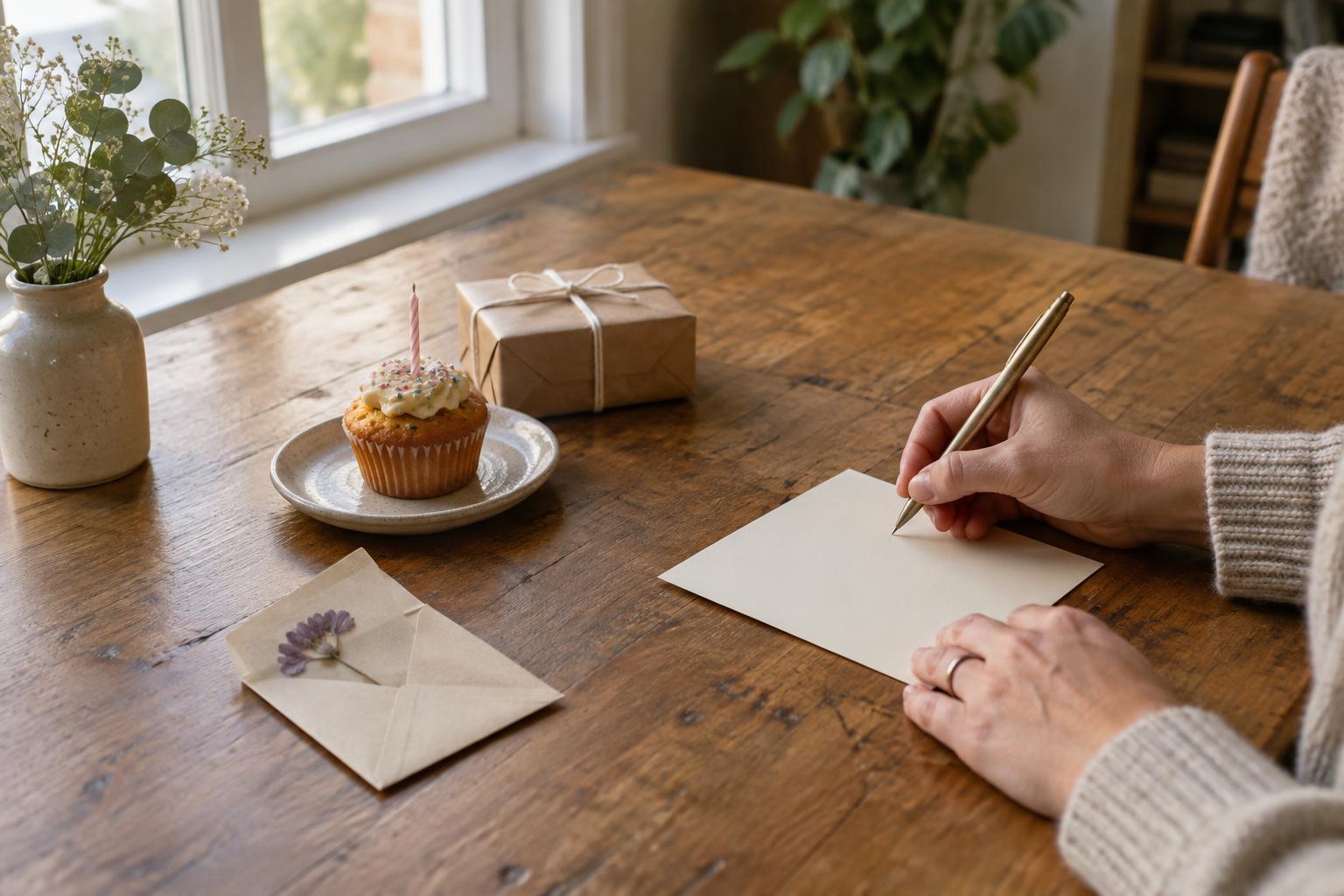
Set aside a few minutes each birthday to write about the year you have just lived. You might record a small victory, something that surprised you and one thing you hope to make room for next. A postcard or single sheet of paper is enough. Date it, tuck it into an envelope and read it on your next birthday before writing a new one.
Keep the questions gentle rather than turning the note into a yearly performance review. Try “What made me laugh recently?” or “Who helped me feel at home this year?” If you miss a birthday or do not want to revisit a difficult year, simply begin again. The value of the tradition is in noticing your life as it unfolds, not maintaining a perfect record.
Make connection easy to repeat
A shared birthday ritual does not have to depend on everyone being in the same room. Ask a friend to exchange voice messages, arrange a short call with someone you rarely see or invite a few people to send a memory from the past year. If you enjoy writing, send a birthday letter of your own to someone who has been part of your year. A birthday can be an opportunity to express affection as well as receive it.
Keep the invitation light: “Would you like to have our usual birthday tea this week?” is easier to repeat than a complicated annual gathering. If schedules do not line up, celebrate on a nearby day. Traditions can give people a familiar way to reconnect without making attendance, gifts or a particular date feel like a test of friendship.
Collect one small keepsake
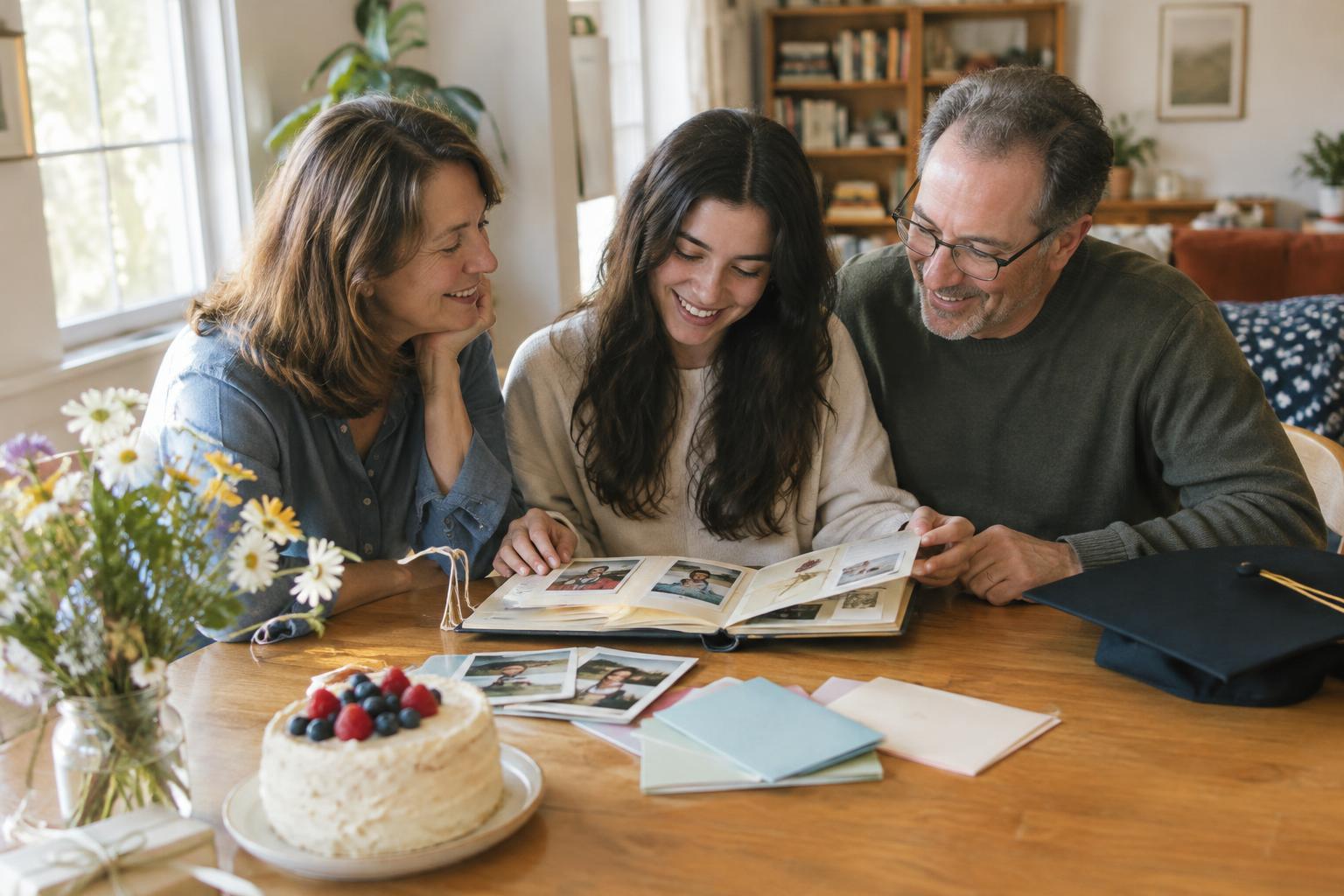
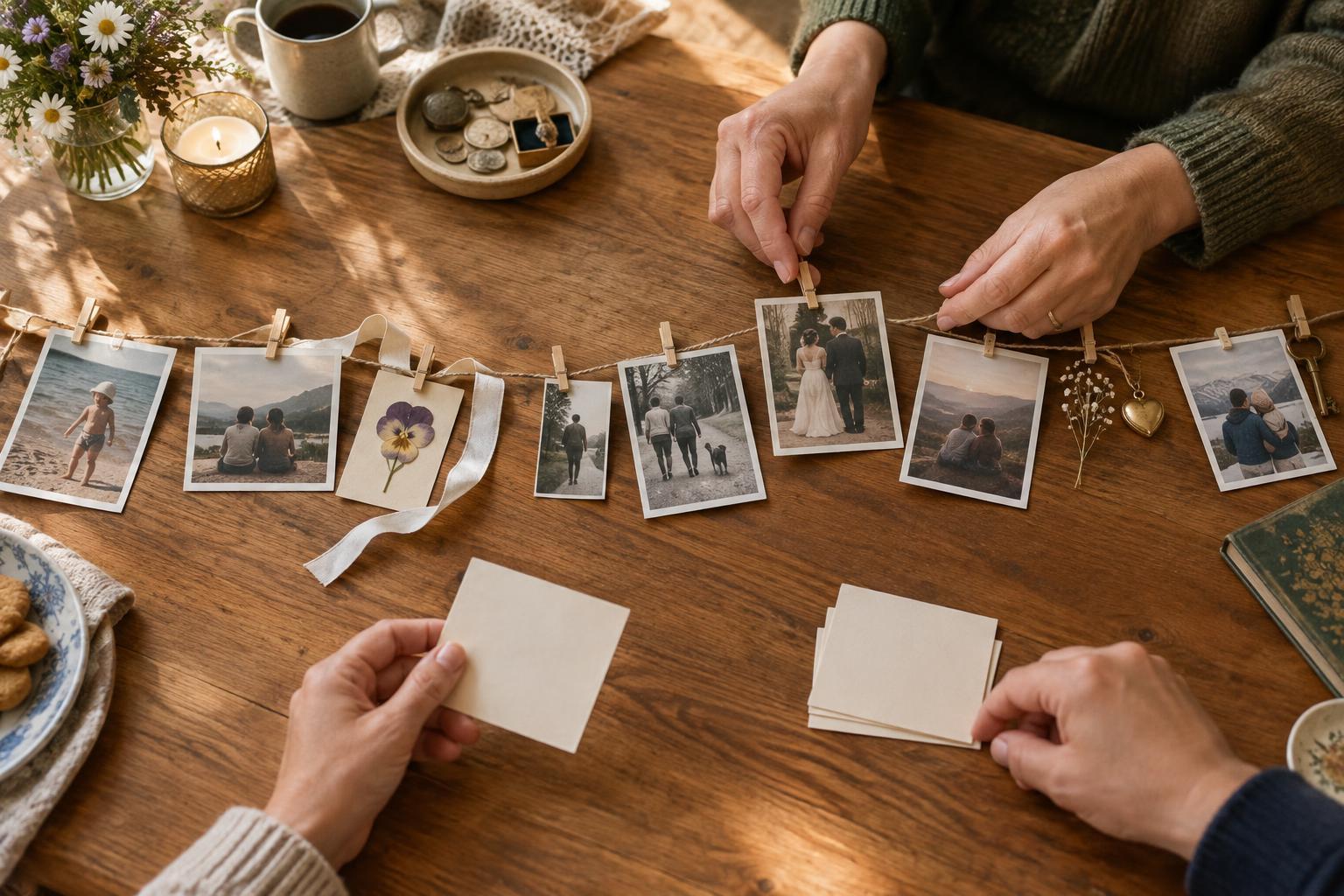
Choose a modest object to represent each birthday: a photo printed at home, a ticket from an outing, a handwritten menu from dinner or a pressed leaf from a walk. Add a sentence explaining why you kept it. Store the pieces in one envelope, box or album so they do not become another pile to sort through later.
The keepsake need not document a grand event. A note about an excellent conversation or the song you played while making breakfast may bring back more than an expensive souvenir. If collecting objects does not appeal to you, take one photo from the same spot each year or keep a running list of birthday meals. Consistency gives the collection its character; simplicity helps you continue it.
Leave room for different kinds of birthdays
Some years call for a table full of friends; others call for a quiet evening. Consider giving your tradition a basic version and an expanded version. Your basic version might be lighting a candle and writing three lines in a notebook. When you have more time, you could pair it with a meal, a day trip or a small gathering. Both versions count.
If a tradition starts to feel like an obligation, change it. You can keep the part that matters—a moment of reflection, a familiar greeting or a saved memory—and let the rest go. Repeating a birthday ritual is not about making every year look alike. It is about offering yourself a recognizable pause to celebrate the life you are living now.