Start with the person, not the forecast
Weather is a useful starting point, but the recipient’s routine matters more. Someone working outdoors may welcome different things from someone spending most of the day at home. Think about where they will open the package, what they already have and whether they have room to store anything bulky. A small collection of things they will actually use often feels more caring than a box filled for the sake of filling it.
Choose a simple theme before gathering items: a quiet evening in, a break between busy days or a little comfort after a long journey. Let that theme guide your choices without making every item match. A favorite color, a shared joke or a handwritten note can make practical supplies feel unmistakably personal.
Build a warm-weather package that travels well
For hot weather, favor items that are pleasant to use without needing to stay cool. A lightweight notebook, a paperback, a reusable cloth or a packet of shelf-stable drink mix can fit a relaxed summer theme. If you include skincare or other liquids, check their packaging and pack them so a leak cannot reach paper items. Avoid assuming that chocolate, candles or anything delicate will hold its shape in a hot vehicle or on a sunny doorstep.
A warm-weather package can also suggest an activity rather than supply a whole occasion. Add a short list of songs for an evening walk, a few conversation prompts for a picnic or a note describing a favorite memory from a past summer. These additions take little space, travel easily and give the recipient a way to enjoy the gift on their own schedule.
Choose cold-weather comforts with care
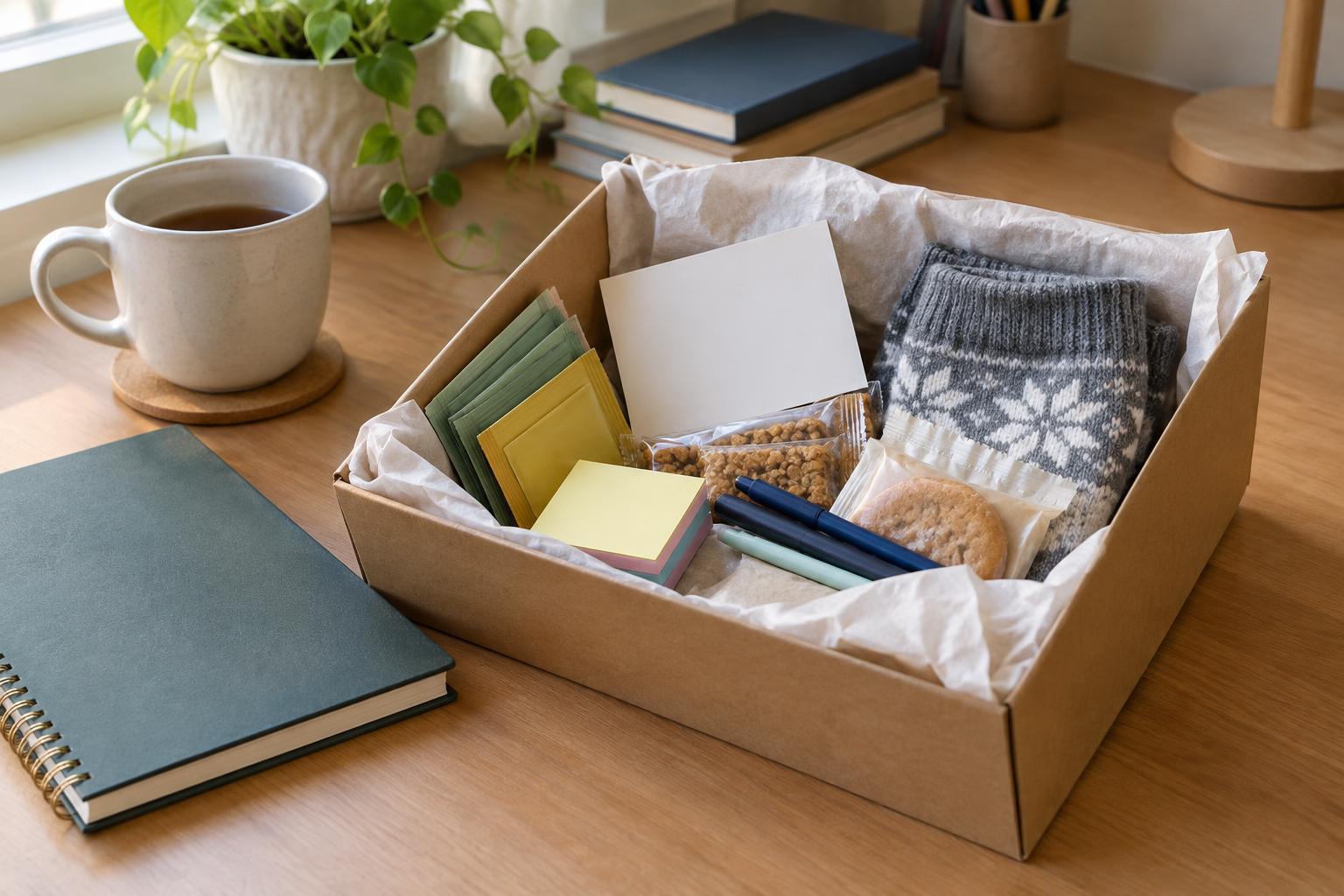
In colder weather, consider useful layers and indoor comforts: soft socks, a scarf that suits the recipient’s style, stationery for a slow afternoon or a sturdy mug if you can protect it well. Shelf-stable tea or cocoa may suit someone who enjoys a warm drink, but there is no need to make every winter package about food. A puzzle book, a favorite photograph or a letter can offer a welcome pause, too.
Cold conditions bring their own packing questions. A bottle or jar that freezes could leak or break, and temperature changes may cause condensation inside poorly sealed wrapping. Choose sturdy containers, keep paper separate from anything that might become damp and use enough cushioning to stop heavier objects shifting. If an item seems fragile or needs special storage, consider leaving it out rather than relying on the weather to cooperate.
Plan for the journey, not just the season
A package may sit indoors, outdoors or in a vehicle along the way, so plan for changes in temperature and handling. Check the carrier’s rules for liquids, batteries, food and other restricted items before packing. For food, choose commercially packaged, shelf-stable options when appropriate, and pay attention to any dietary needs the recipient has told you about. Homemade perishables and items that require refrigeration are poor choices for an uncertain journey.
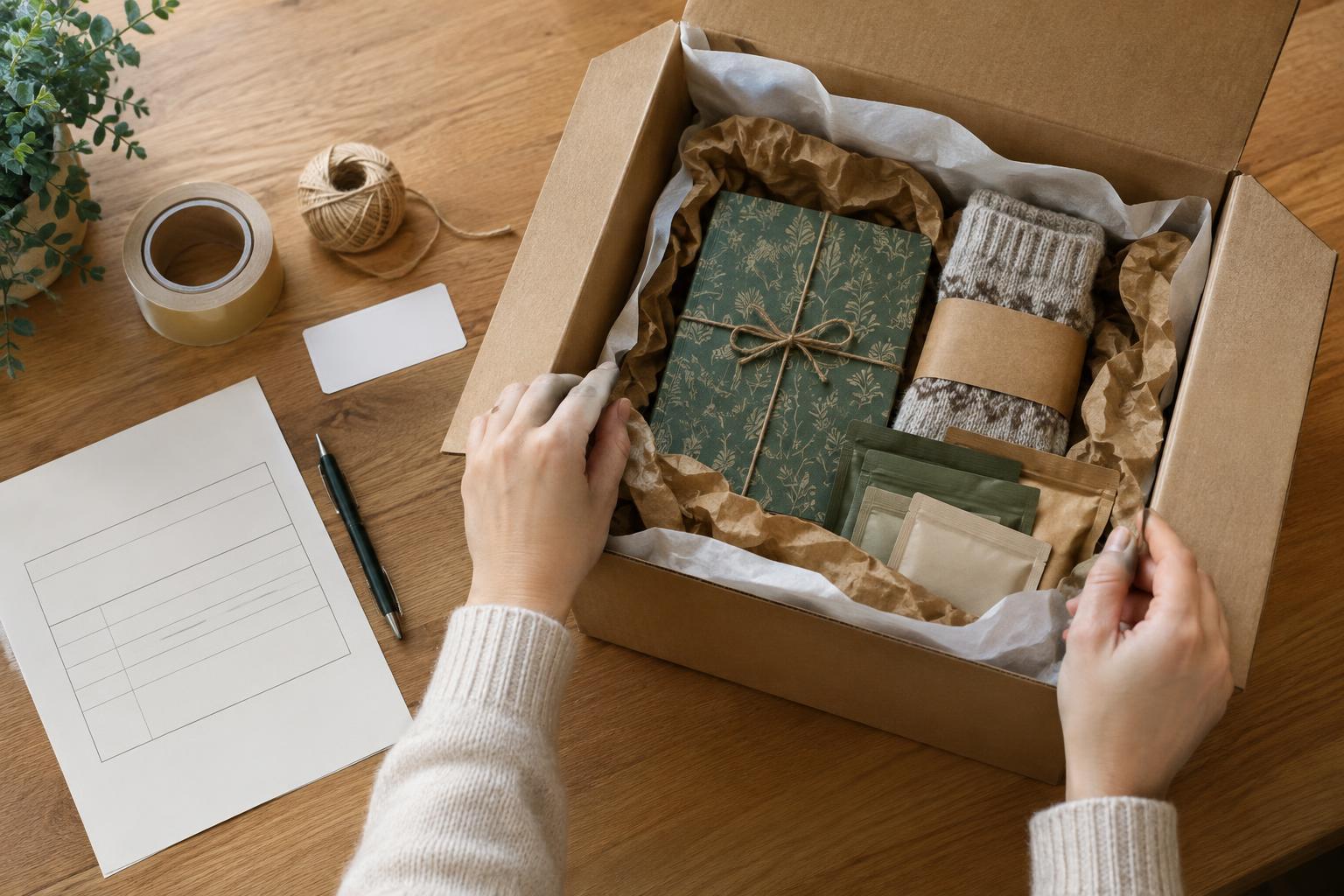
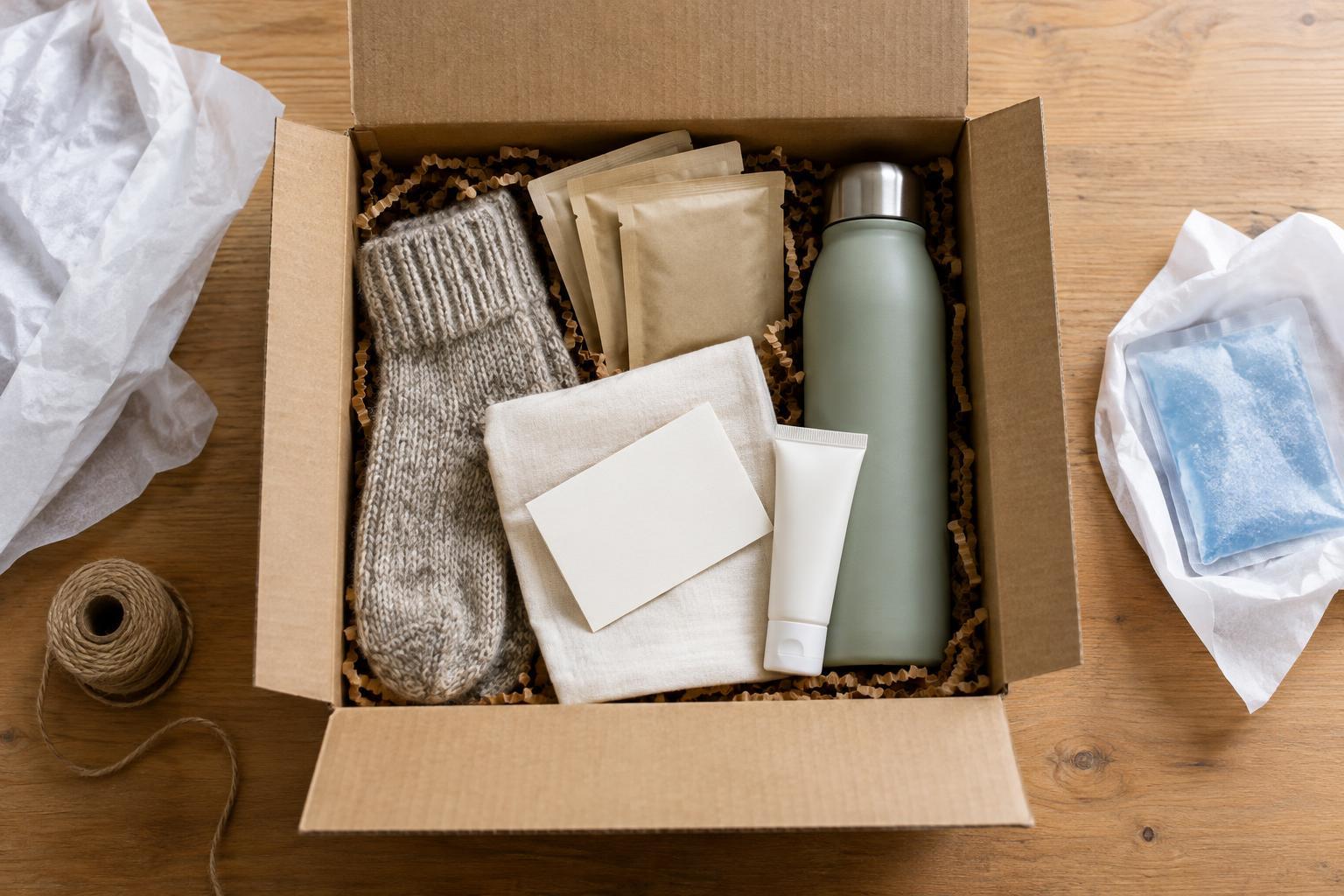
Place heavier items at the bottom, cushion breakable pieces and fill empty spaces so contents cannot rattle. Put anything that could leak in its own sealed bag, away from letters and photographs. A box that closes comfortably is usually easier to protect than one packed so tightly that its contents press against the sides. Before sealing it, give the box a gentle shake and adjust anything that moves.
Make the finishing touches feel personal
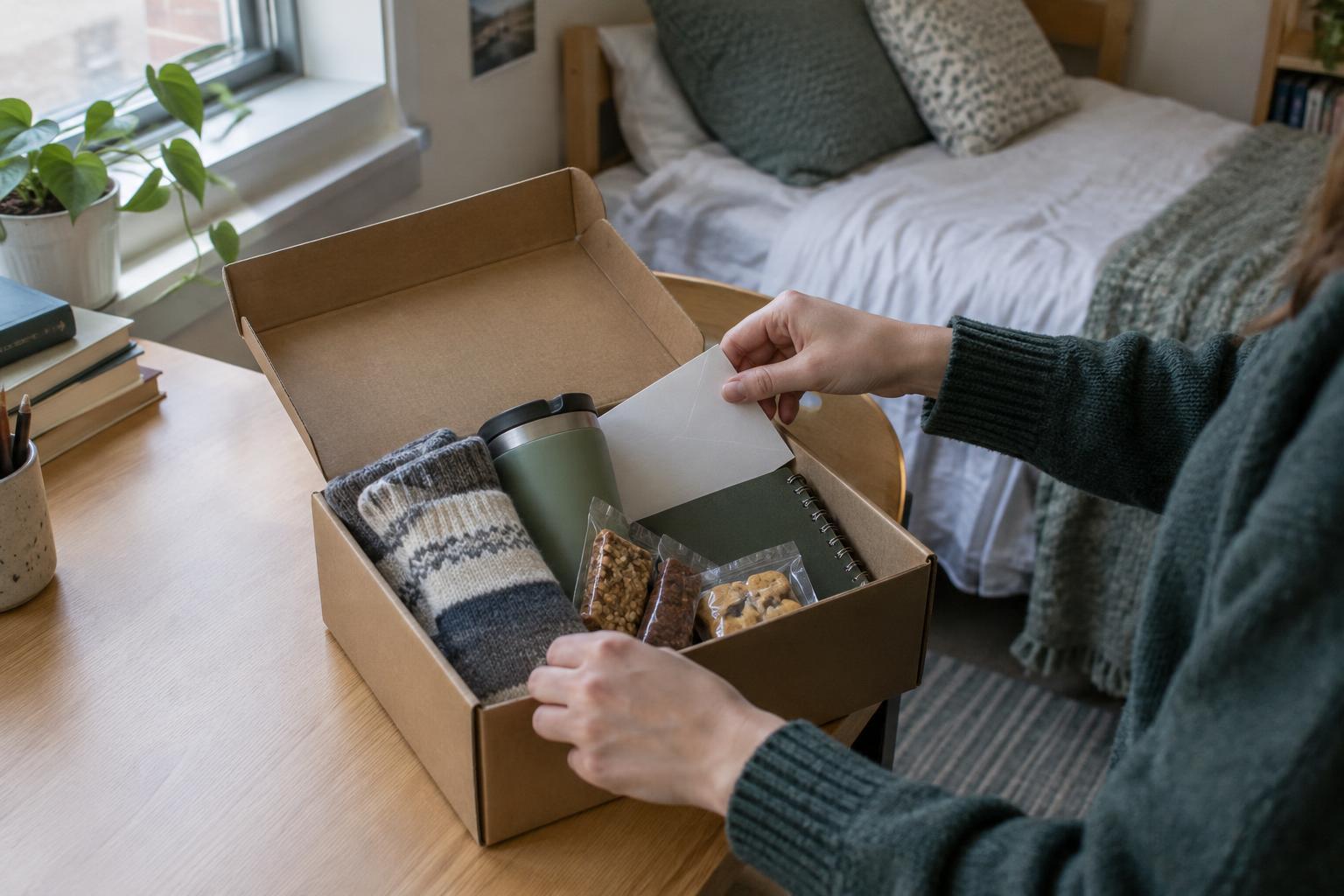
Presentation can be simple and still feel special. Wrap groups of items in tissue, label a few pieces with brief notes such as “for a quiet morning,” or place a letter on top so it is the first thing the recipient sees. If you use decorative paper or ribbon, keep it inside the shipping box where it is less likely to snag or become damaged.
The most memorable part may be the message. Tell the recipient why you chose one or two items, ask a question they can answer later or share a small memory that fits the season. You do not need to promise that the package will fix a difficult week. It is enough to say, in your own words, that you were thinking of them.