Start with the person, not the shopping list
The best exam-week care package reflects what its recipient actually likes and needs. Before choosing anything, think about where they will be studying, what they can store, and whether they have time to prepare food. A student in a shared room may appreciate compact, quiet items more than a bulky blanket or a scented candle. Someone commuting between classes may get more use from portable snacks and a sturdy pen.
If you can ask a question without spoiling the surprise, try something simple: “Are there any snacks you’re enjoying lately?” or “Do you need any study supplies?” Check dietary needs and allergies before sending food. If you are mailing the package to a school or residence, confirm that the address accepts parcels and avoid anything restricted, perishable or likely to leak.
Choose a few useful study companions
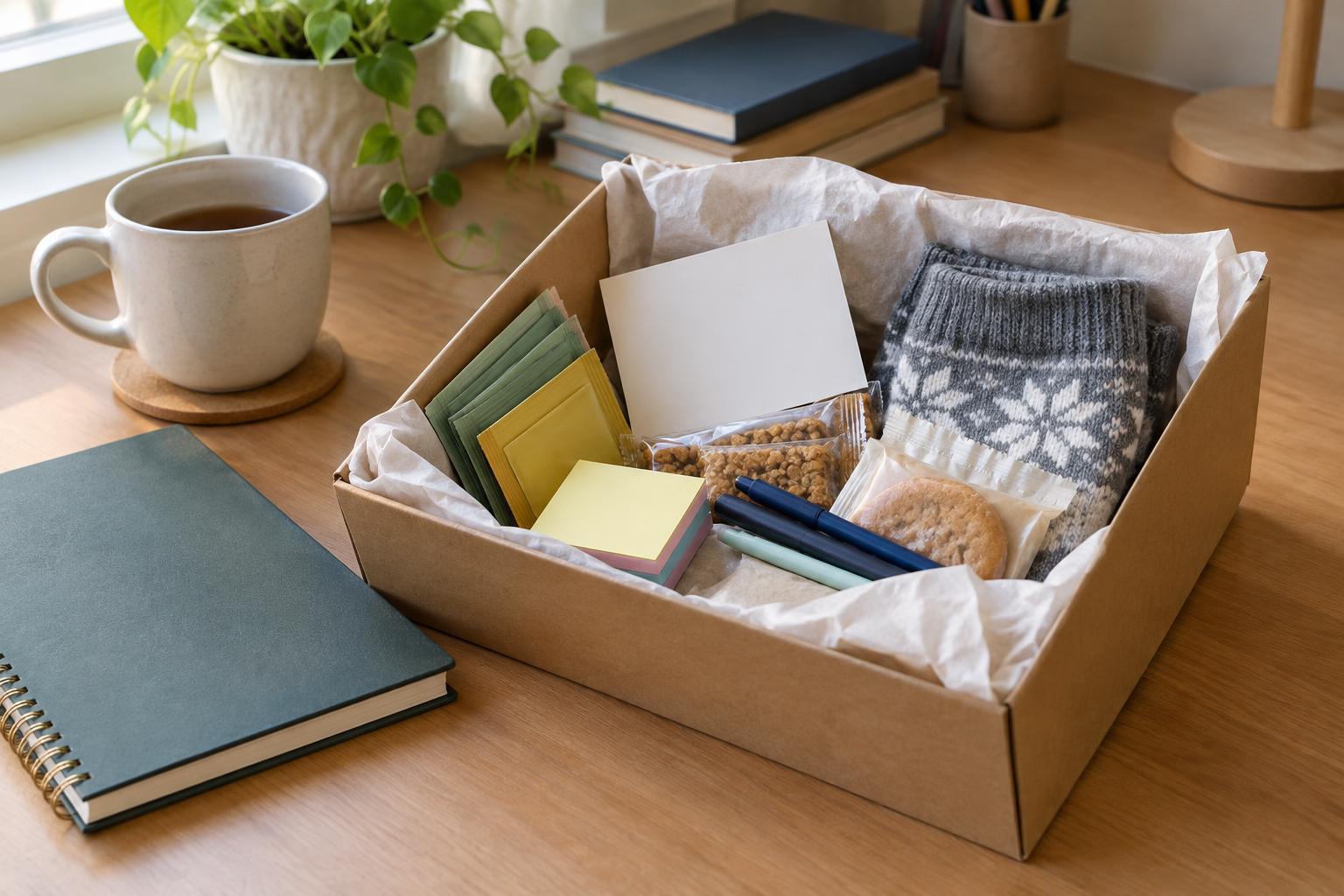
Practical supplies can take a small task off someone’s list. Consider pens they like using, sticky notes, index cards, a highlighter or a compact notebook. Resist the urge to include every stationery item you can find. A handful of well-chosen basics is easier to use than a box full of unfamiliar tools.
You can make these items feel personal without turning them into instructions. Tuck a short message inside the notebook, such as “For ideas worth keeping,” or add a bookmark in a color they love. If the recipient studies digitally, a screen cloth or a simple cable organizer may suit them better than paper supplies. The aim is to support their existing routine, not suggest that they need a new one.
Add comforts that are easy to enjoy
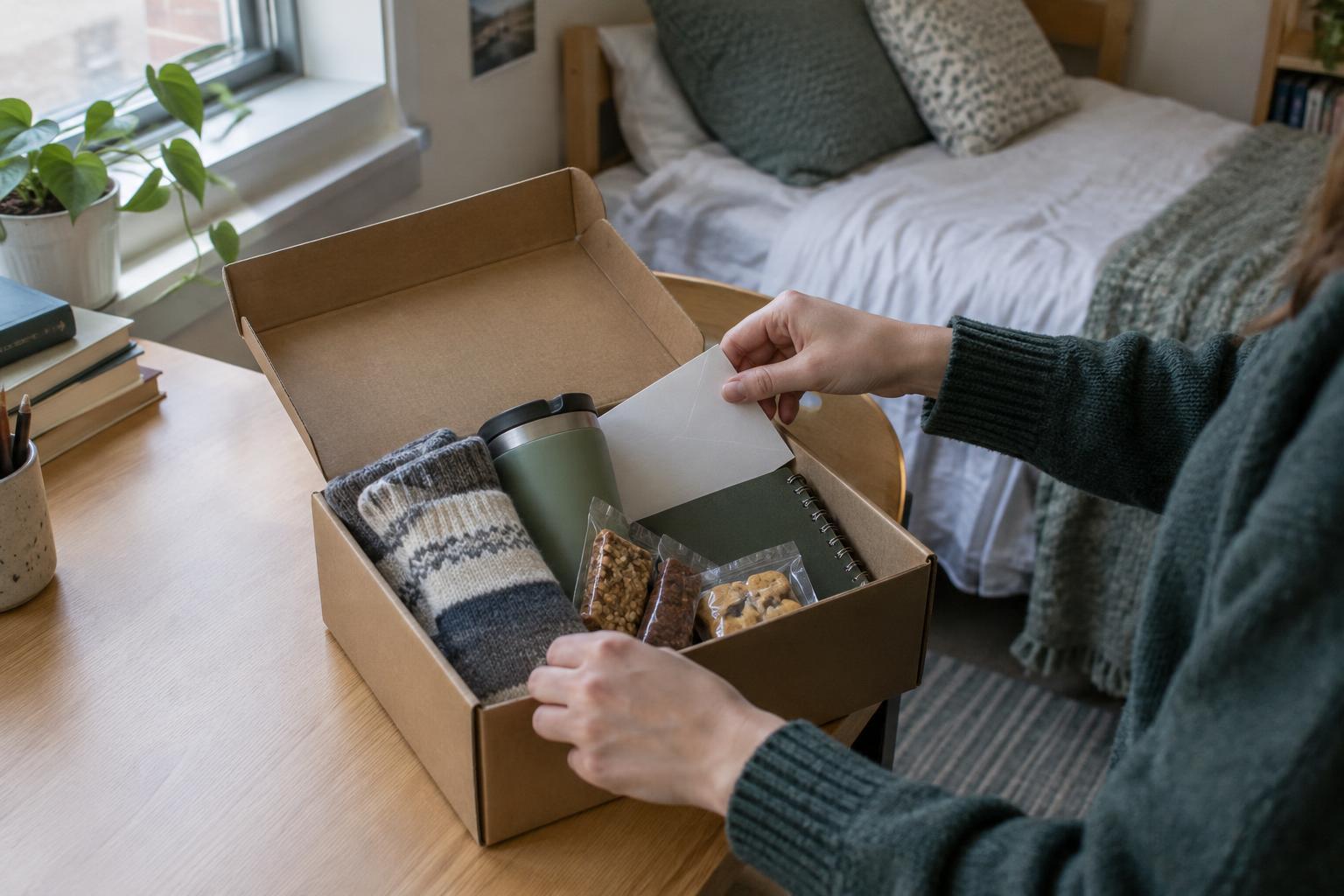
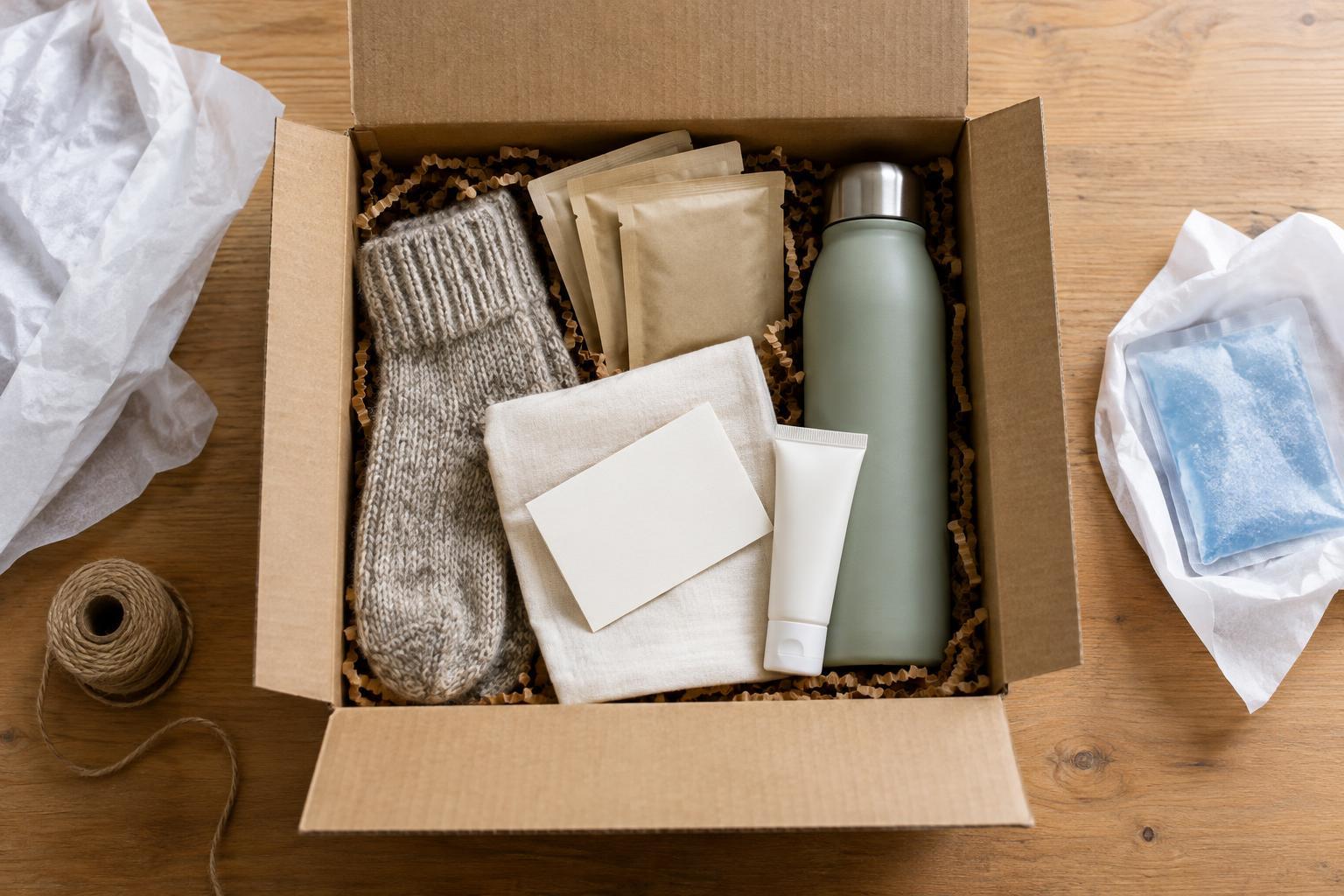
Exam weeks can make ordinary comforts feel especially welcome. Shelf-stable snacks in individual portions are convenient, provided they fit the recipient’s preferences and any mailing rules. Tea, hot chocolate or another familiar drink can be a nice addition if you know they have a way to prepare it. A reusable water bottle may be useful for someone who has mentioned needing one, but it can take up much of the box, so choose it deliberately.
Think beyond food, too. Cozy socks, a small puzzle, a favorite comic or a few printed photos can offer a moment away from studying. Avoid gifts that create another obligation, such as a complicated craft project, unless you know the person would find it relaxing. One or two small comforts are enough; the package should be easy to open and put to use.
Write a note that takes the pressure off
A handwritten note may be the most meaningful part of the package. Keep it warm and specific: recall something you admire about the recipient, share a fond memory, or tell them you are looking forward to catching up when they have time. You do not need to predict how their exams will go. Encouragement can focus on their effort and on the fact that your care is not tied to any result.
If you want to offer help, make it optional and concrete. You might say, “If a short phone break sounds good, I’m around this weekend,” rather than asking for a long update in the middle of a busy week. A note that requires no reply gives them room to enjoy the gesture on their own schedule.
Pack it simply and send it at the right time
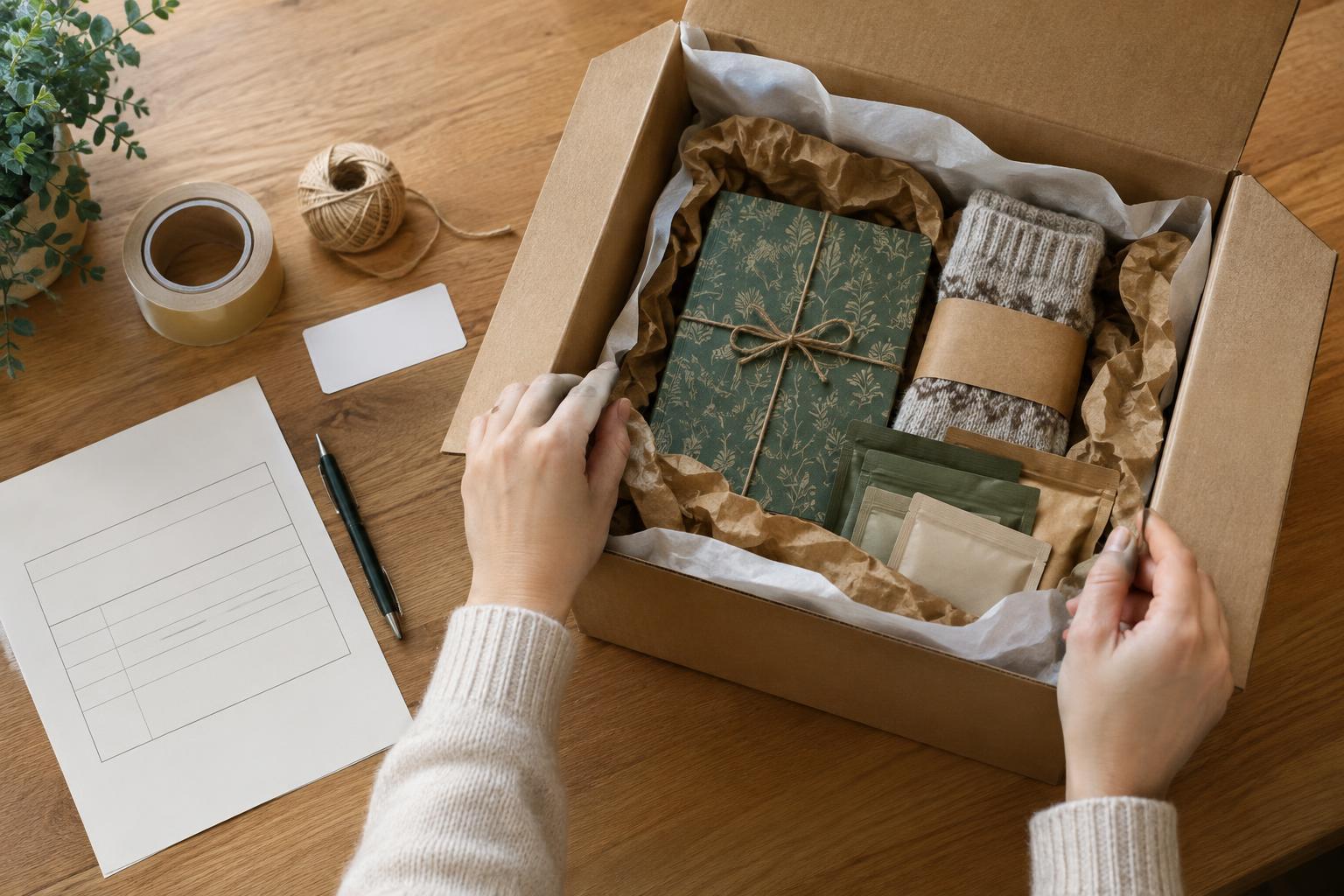
Lay everything out before packing so you can spot duplicates and remove items that do not fit. Place heavier objects at the bottom, cushion fragile items, and seal anything that might spill in its own bag. Keep the note near the top so it is the first thing they see. If you are delivering the package in person, a reusable tote or small box can be part of the gift; if you are mailing it, prioritize secure packaging over elaborate wrapping.
Leave enough time for the package to arrive before or during exam week, but do not worry if the timing is imperfect. A care package received afterward can still offer a welcome pause. Thoughtfulness matters more than size or expense: a few familiar things, chosen with care, can say “I’m thinking of you” without adding one more thing to their to-do list.