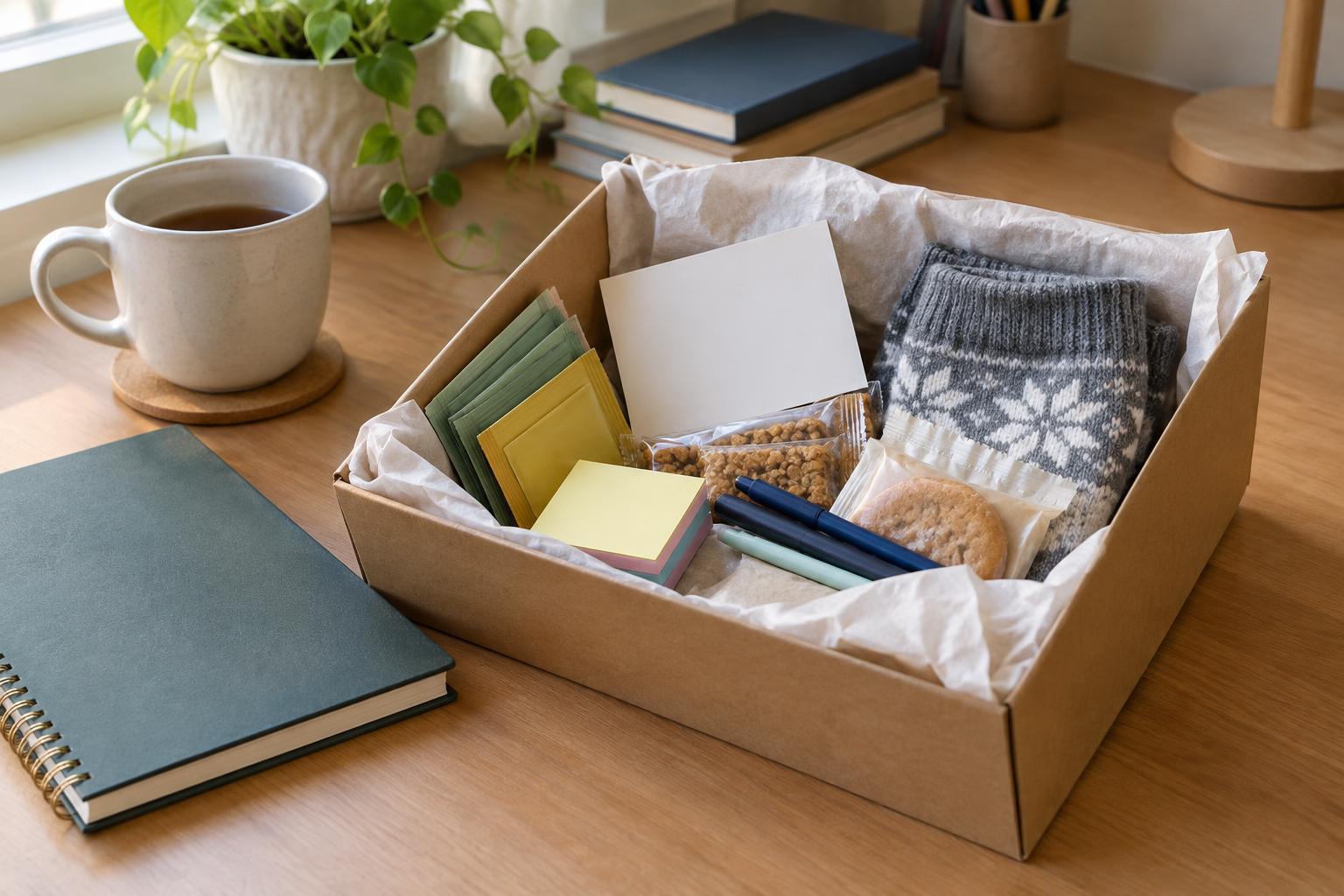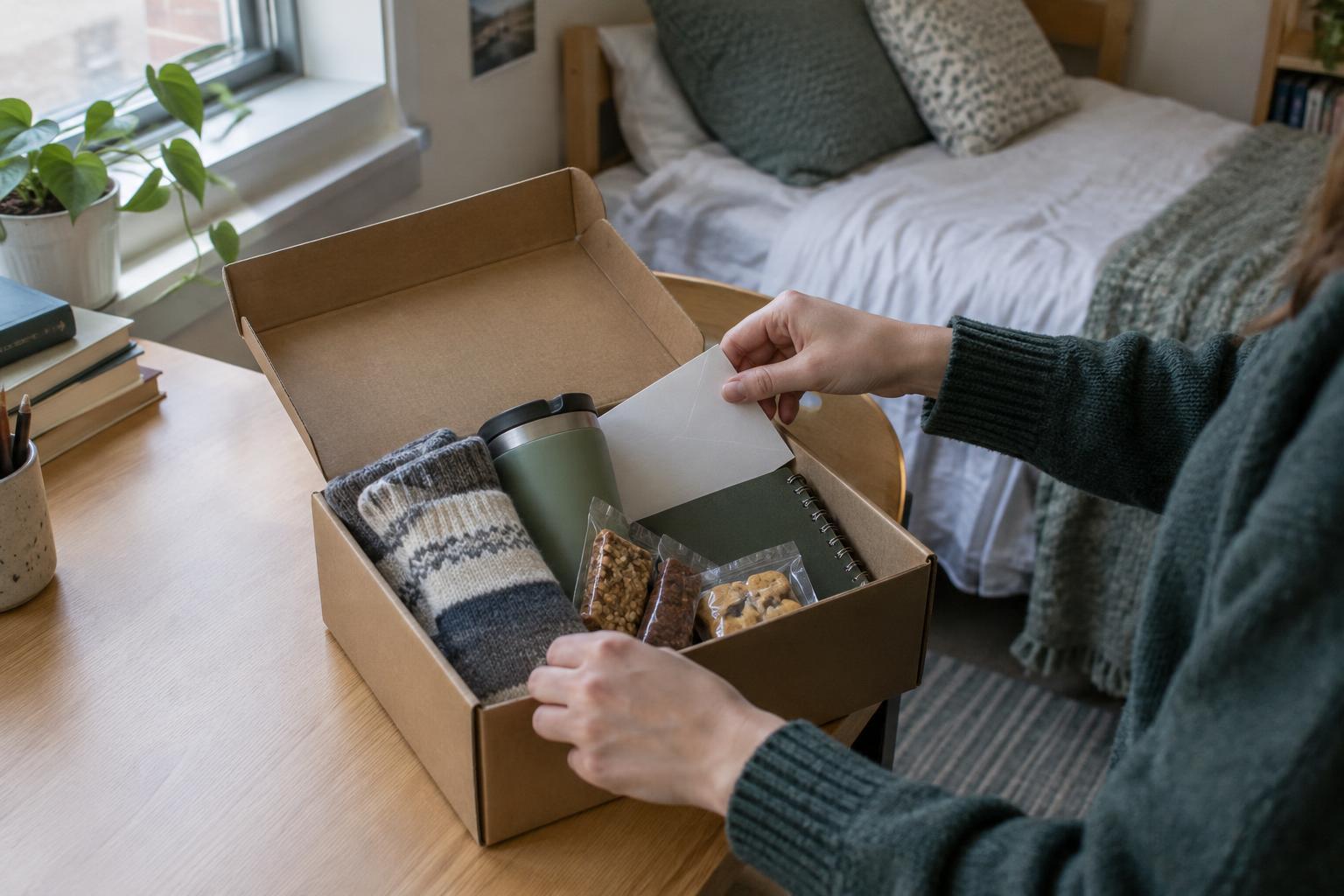
Check the destination before choosing the contents
Start with the destination country and the mailing service you plan to use. Rules can differ by country and by carrier, so check both sets of guidance before buying or packing anything. An item that seems harmless at home may be restricted, require special paperwork or be unsuitable for international post.
Pay particular attention to food, plants and seeds, medicines, cosmetics, liquids, aerosols and items containing batteries. Homemade treats can be especially difficult to assess because their ingredients and shelf life may be unclear. When the rules are uncertain, choose a simpler substitute, such as a handwritten recipe instead of a perishable dish, or a photo of a favorite garden instead of seeds.
Think about the journey, too. A parcel may spend longer in transit than expected and encounter changes in temperature or handling. Choose items that will still feel welcome if arrival takes a while: letters, printed photos, small craft supplies or other durable comforts are often easier to pack than anything fragile or time-sensitive.
Plan for customs and possible costs
International parcels commonly need a customs declaration. Set aside time to complete the form required by your postal service or carrier. Describe each item plainly and specifically, with an accurate quantity and value; “two notebooks” is more useful than “gifts.” Marking a parcel as a gift does not replace an honest description or guarantee that it will be free of charges.
Check how the destination handles duties, taxes or processing fees, and remember that the recipient may be asked to pay them before receiving the package. Exact requirements depend on the destination and the shipment. If an unexpected bill would be awkward, discuss the possibility with your recipient before mailing. Keep a copy or photo of the completed declaration and your posting receipt for your records.
Pack for handling, not just for the reveal
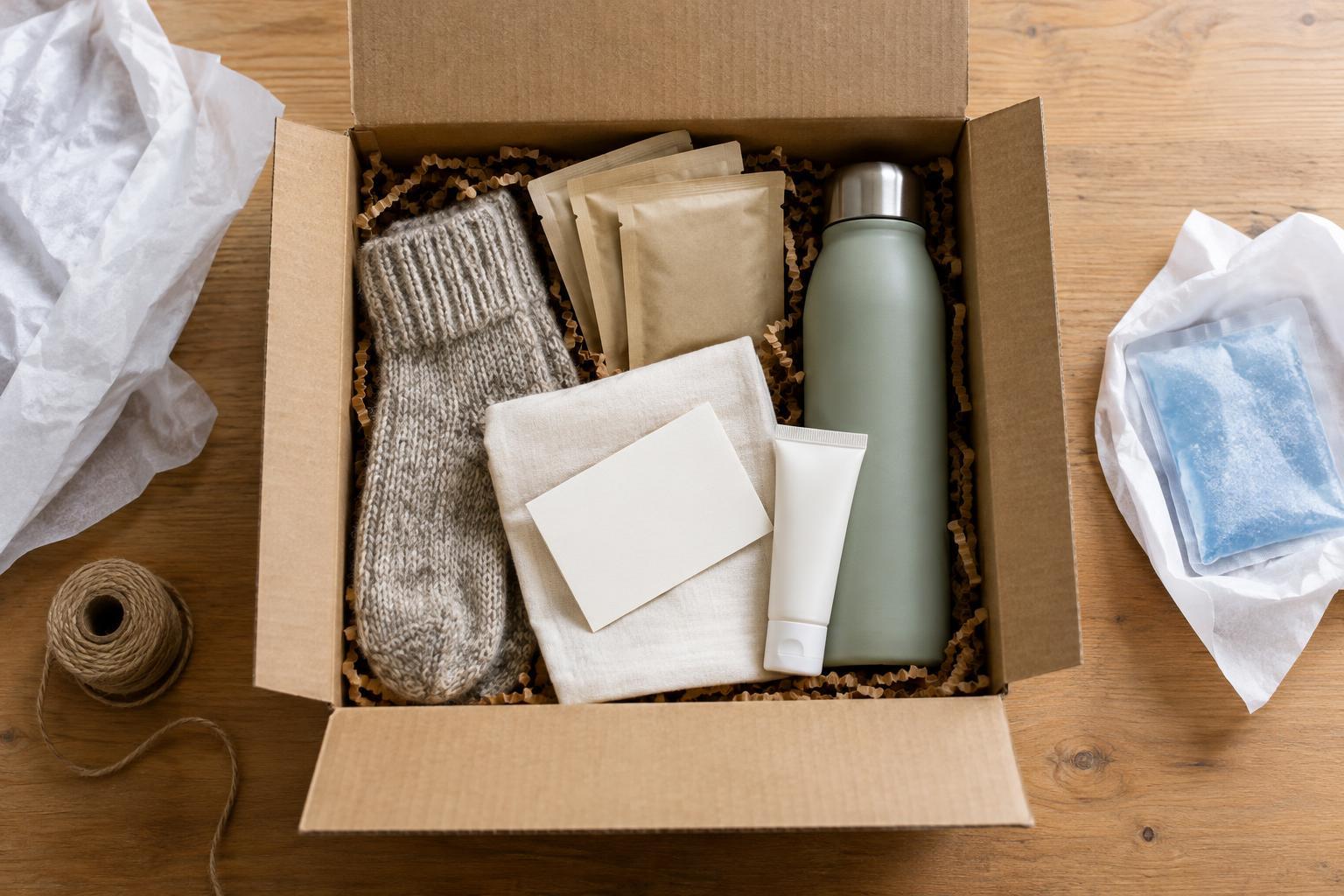
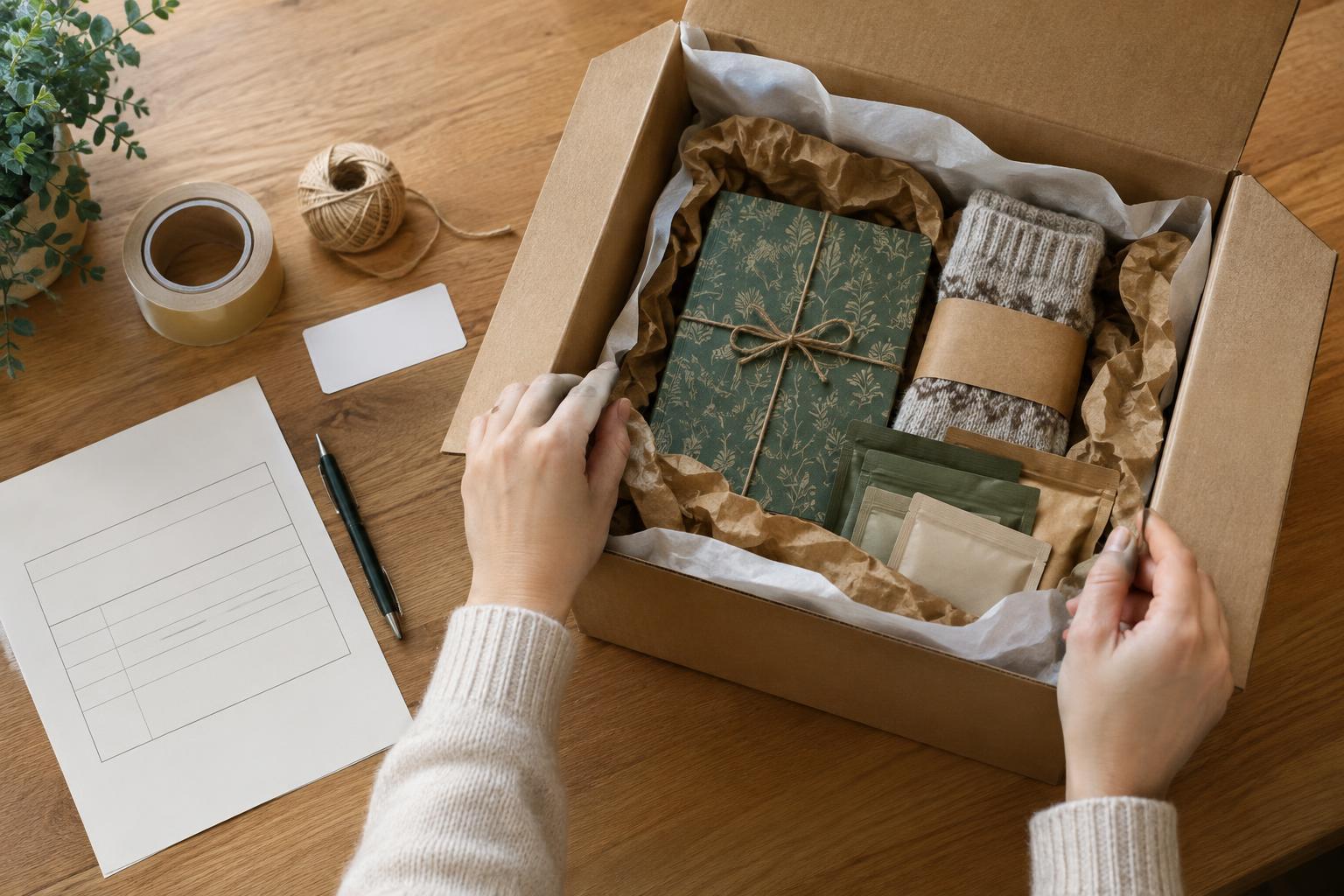
Presentation matters, but protection comes first. Use a sturdy box with enough space for cushioning on every side of the contents. Wrap breakable items individually, fill gaps so nothing shifts when the box is gently shaken, and seal the outer seams securely. Avoid putting delicate decorations on the outside, where they could catch or tear.
If permitted items could leak, place them in a sealed inner bag and protect the rest of the package. Keep scented items away from paper, fabric or food so their fragrance does not spread through the box. You can still make the opening feel personal: tuck a note on top, group items in simple paper wraps, and explain why you chose them. Include an inventory for yourself before sealing the box so the customs form matches what is inside.
Make the address and delivery choice count
Confirm the recipient’s full name, street address, postal code and any apartment or building details directly with them. Ask whether their local postal service needs a particular address format or phone number. Write or print the address clearly, include a return address, and check that labels and customs documents are attached as your chosen service requires.
Compare mailing options by their permitted contents, size and weight limits, tracking availability and estimated delivery window. An estimate is not a promise, especially when a parcel must pass through customs. If the package is for a birthday or another occasion, send it with room for delays or let the recipient know a surprise may arrive after the day itself.
Keep the gesture thoughtful even if plans change
Before posting, run through a final check: Are all items allowed by the destination and carrier? Is the customs description complete? Can the box withstand handling? Does the recipient know about any possible charges? A few minutes spent checking can prevent a carefully assembled gift from becoming an inconvenience.
If a favorite item cannot be mailed, preserve the meaning behind it. Share a family recipe as a card, pair a printed memory with a short letter, or choose a small item that reflects an inside joke. The best international care package is not necessarily the fullest one. It is one that can travel sensibly and make the person opening it feel remembered.