Begin with what you want to celebrate
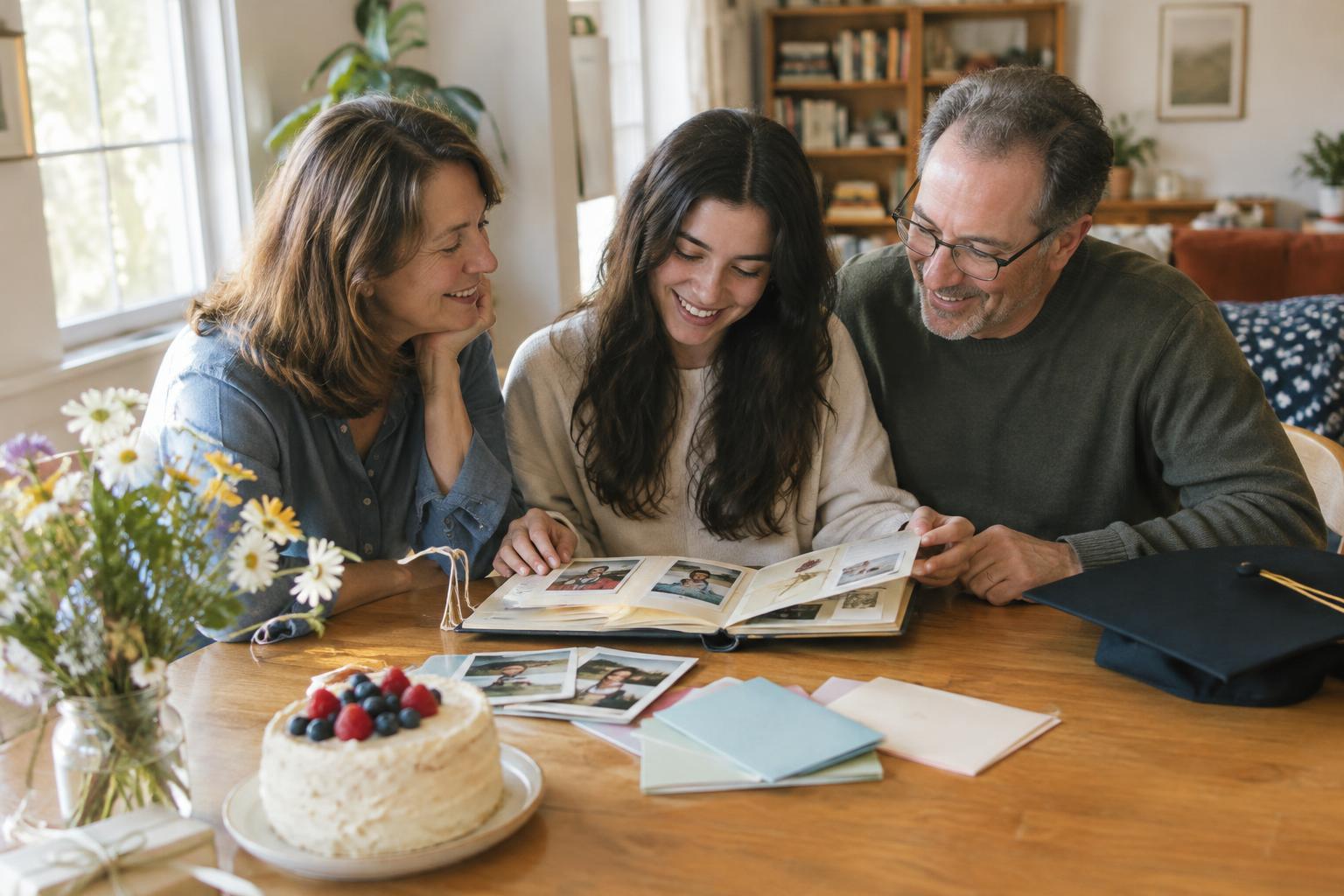
Before choosing a menu or buying decorations, name the reason for gathering. Is this a chance to honor someone’s effort, mark a new chapter or bring people together after time apart? That answer can guide decisions better than a picture of what a celebration is supposed to look like. A graduation gathering, for example, might feel most meaningful when guests have time to share memories, rather than when every surface is decorated.
Ask the guest of honor what they would enjoy, if the occasion allows it. Some people love a lively group; others would prefer a quiet meal with two close friends. Set a spending limit early, including food, supplies and any travel costs. Then choose two or three priorities to fund. Leaving room for those priorities makes it easier to skip extras that look festive but would not add much to the experience.
Choose a format that fits your resources
A celebration can be a morning walk, an afternoon picnic or dessert at home instead of a full evening event. Choose a time and place where people can relax without much setup. A familiar living room can feel welcoming with rearranged chairs and a clear spot to gather. If the weather is suitable, an outdoor space may offer room to spread out, though it helps to have a backup plan.
Keep the guest list suited to your space, energy and budget. A smaller gathering gives people more opportunity to talk, while a brief open-house-style visit may suit friends who cannot all arrive at once. For loved ones who live far away, invite a note, voice message or short video greeting. Their contribution can be part of the occasion without requiring them to travel or join a call at a particular time.
Make food and decorations feel intentional
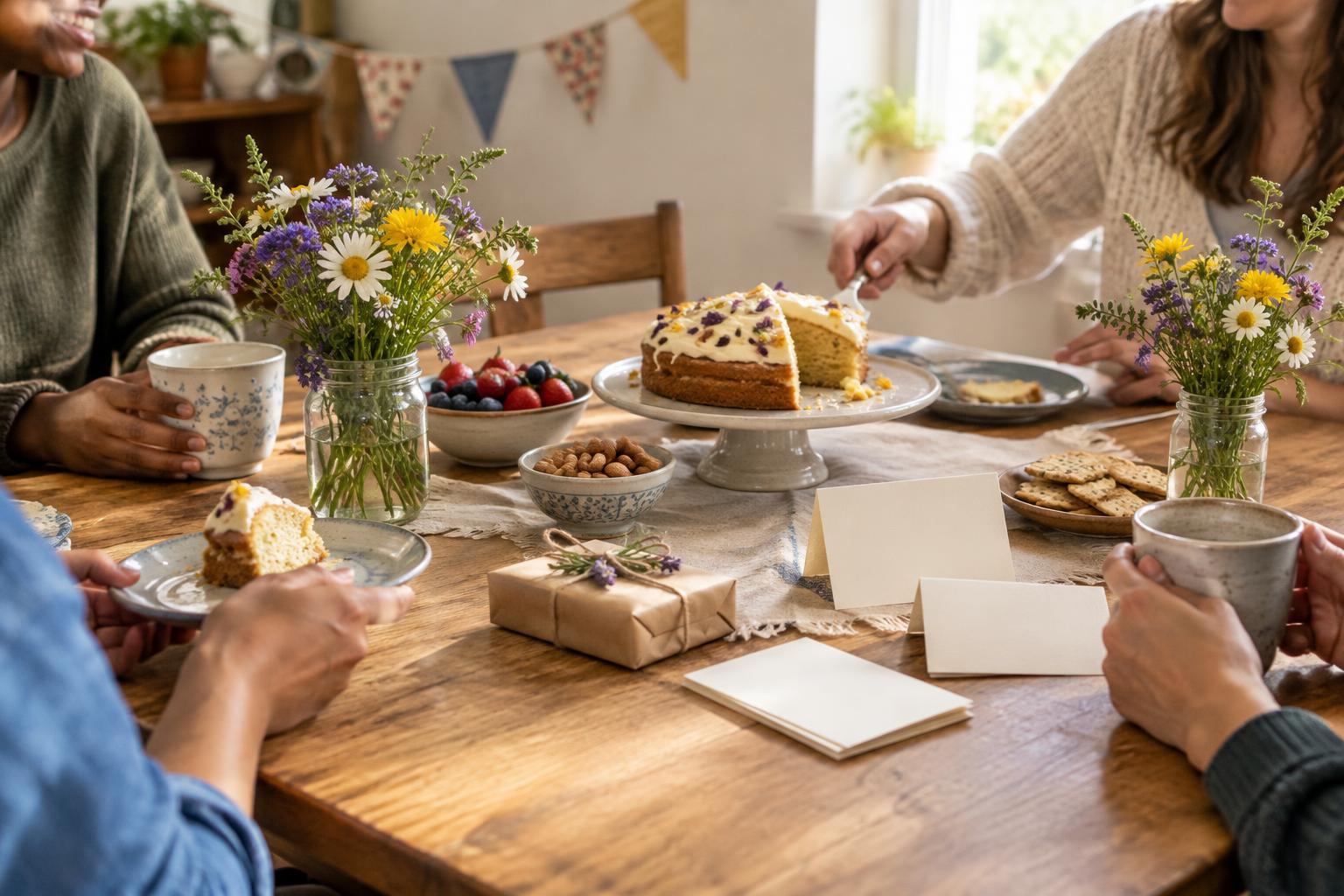
Food does not have to carry the whole event. Serving one favorite dish, a simple snack spread or a homemade cake can feel more personal than offering many options. If guests offer to bring something, give them an easy choice and make clear that contributing is optional. You can also plan the gathering between mealtimes and say on the invitation that light refreshments will be served, so expectations match what you are providing.
For decorations, look at what you already have: a cloth to cover a table, jars for flowers or branches, and photos that tell a story. A handwritten welcome sign or a few paper decorations can set the tone without filling the room. Repeating one color or theme helps simple items feel connected. Rather than buying objects for a single afternoon, consider which supplies you would enjoy using again.
Give people a way to participate
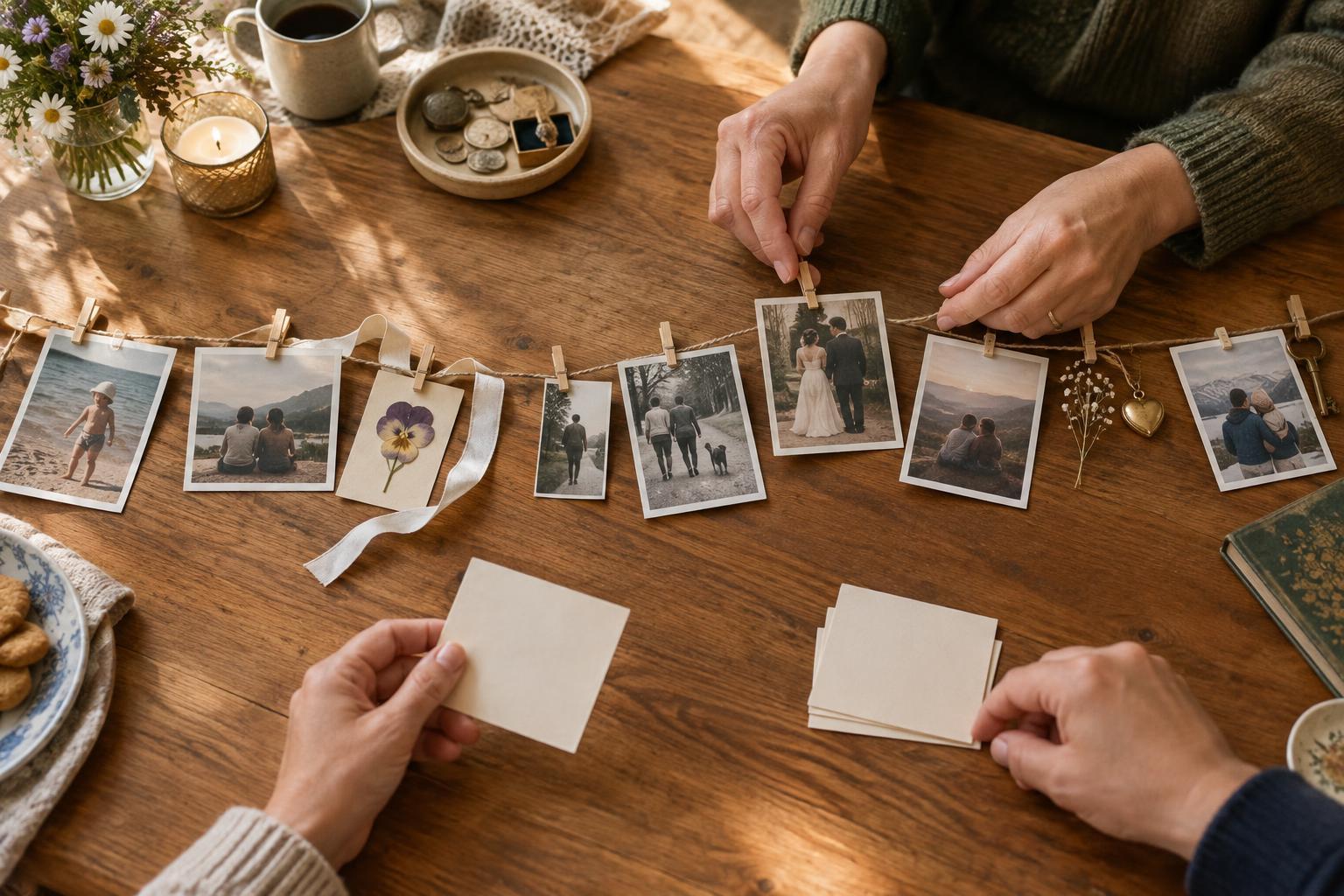
Shared moments often become the parts people remember. Place blank cards and pens on a table so guests can write a memory, a wish or a note of encouragement. Leave a prompt for anyone unsure where to begin, such as “One thing I appreciate about you is…” Guests who would rather not write can contribute by telling a story or helping choose music.
An activity need not feel like a formal game. Invite everyone to add a song to a playlist, look through old photographs or help assemble a small recipe collection. Pick something that suits the group and keep participation optional. A little unplanned time matters too: if the schedule is packed, people may miss the chance to have the conversations they came for.
Save a small reminder of the day
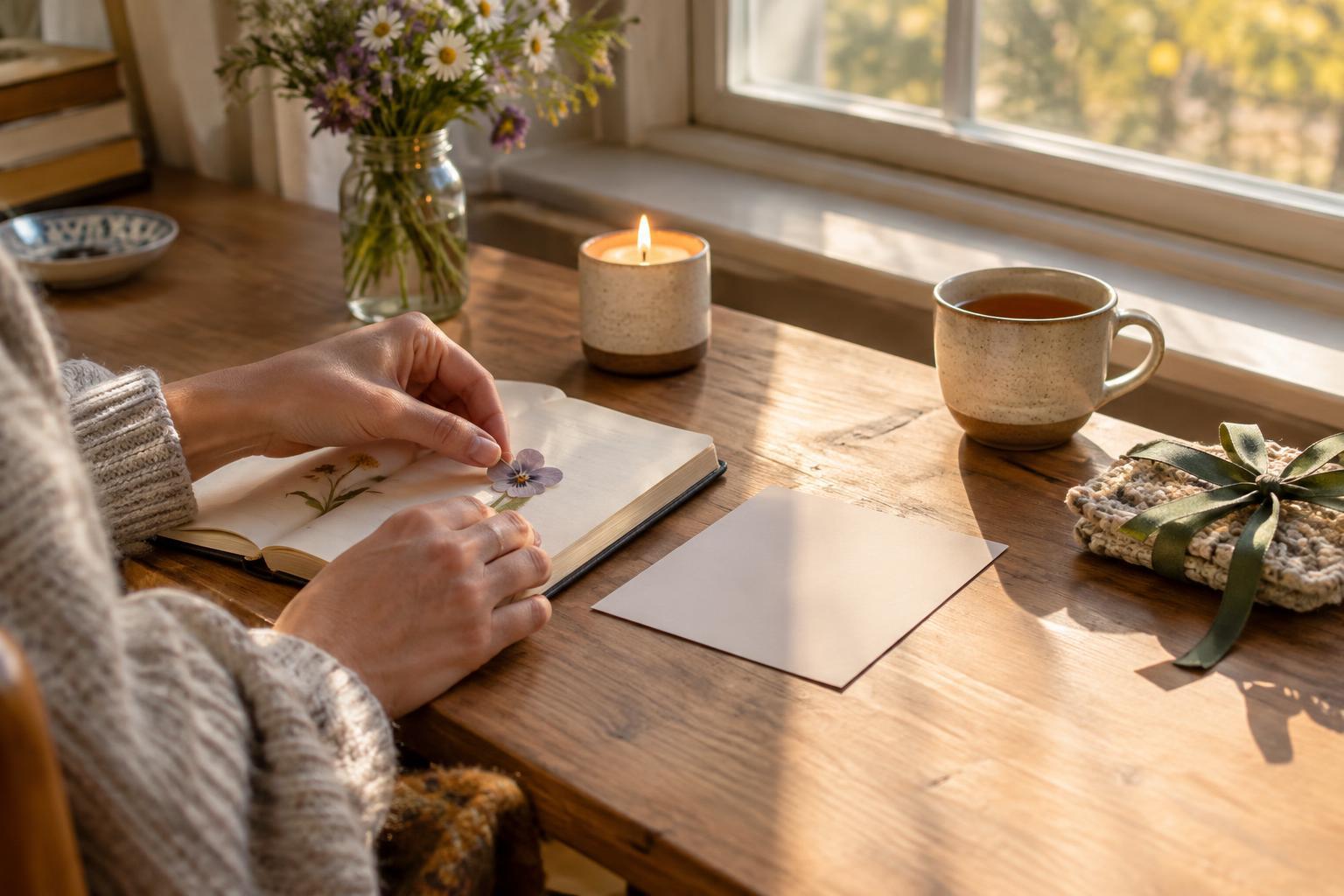
A keepsake can be as simple as the signed cards tied with string, a printed group photo with names written on the back or the recipe for a dish everyone enjoyed. Choose a way to preserve the moment before the gathering begins, then keep it manageable. You do not need to photograph every detail to remember the occasion.
Afterward, send a short thank-you message to those who helped or attended. Mentioning a specific moment makes it more personal, whether someone brought a dish, shared a story or made the guest of honor laugh. A meaningful celebration is not measured by how much was spent. It is shaped by the attention given to the people in the room and the care taken to make them feel included.