Start with the reveal, not the wrapping
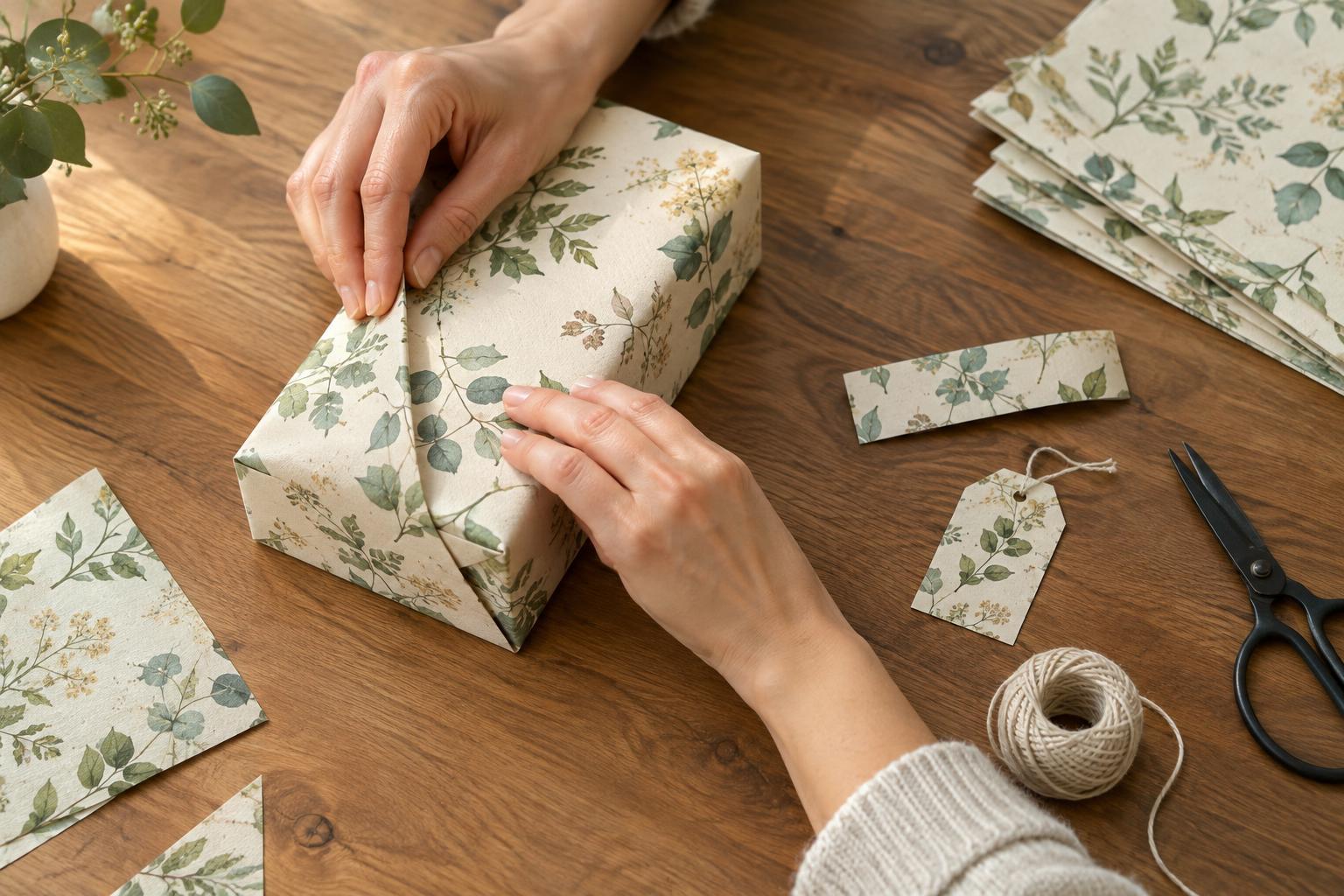
Oversized gifts can be awkward to wrap. Paper may tear around corners, leave visible seams or require more tape than expected. Instead of trying to hide every inch, think about what you want the recipient to experience first. Do you want a cheerful surprise as they enter the room, a quiet moment with a handwritten note, or a little suspense before they see the gift?
Choose the presentation around the object and the space available. A sturdy piece of furniture might look lovely dressed with a bow, while an oddly shaped item may be easier to conceal briefly behind a curtain. If the gift is heavy, leave it where it can be enjoyed without needing to move it for the reveal. The goal is to make the occasion feel considered, not to create a complicated unwrapping task.
Use fabric for a simple covered reveal
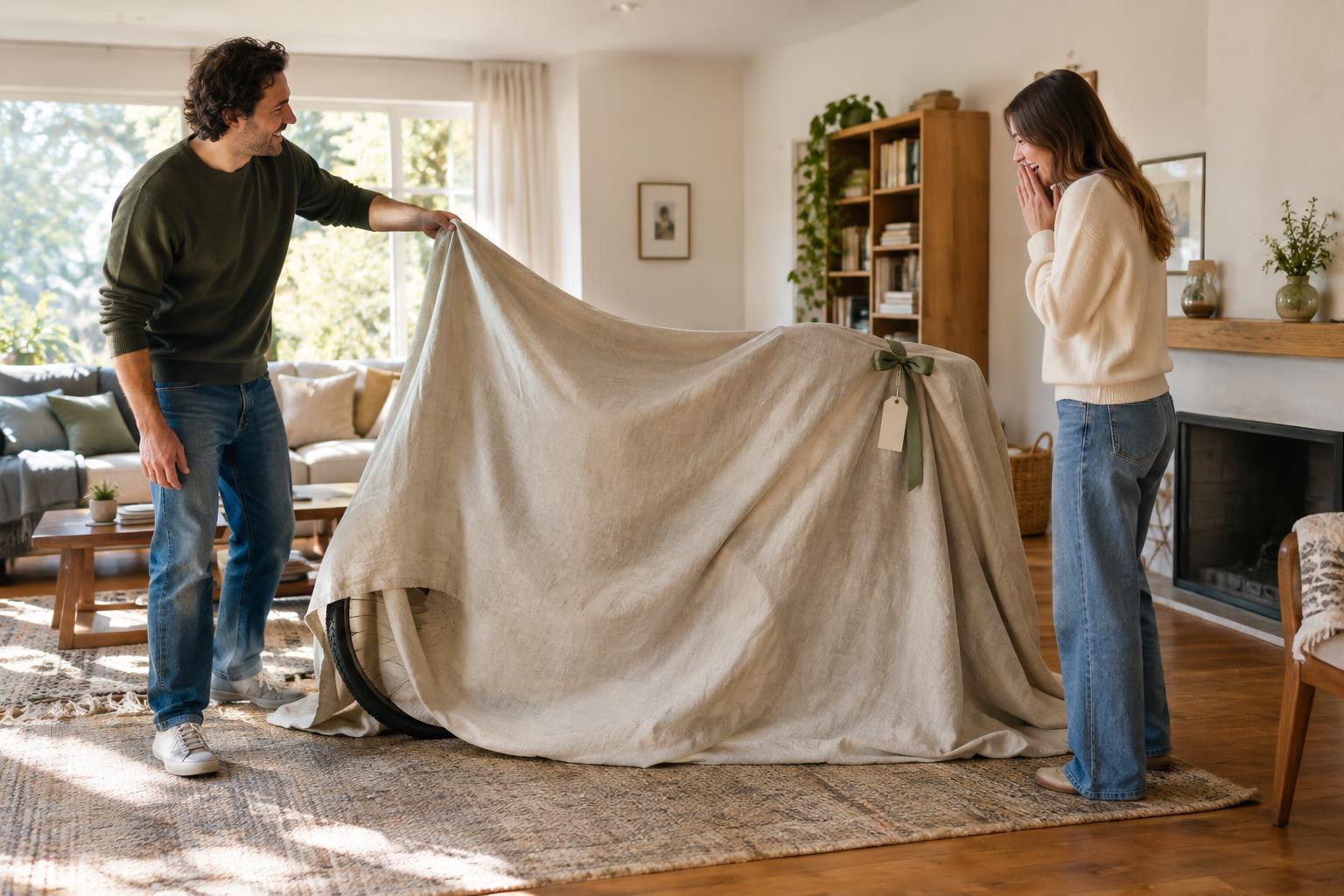
A clean sheet, tablecloth or large piece of fabric can cover an item without the folding and taping that paper requires. Drape it loosely, then tie a wide ribbon around the middle or place a small tag where it can be seen. The fabric does not have to disguise the shape perfectly. Sometimes a recognizable outline adds to the anticipation.
Check that the covering can be lifted away easily and will not catch on handles, sharp edges or delicate parts. Avoid placing fabric near anything hot or in use, and keep walkways clear of trailing corners. If the recipient might need help uncovering the gift, offer to pull the fabric away for them. Afterwards, fold it up for another celebration or return it to its everyday purpose.
Make the surrounding space part of the presentation
When a gift is too large to cover, decorate a small area around it instead. A ribbon tied to a handle, a tag hanging from a safe point and a card placed nearby can signal that the object is a gift. For something already set up in a room, you might add a few paper decorations to a nearby wall or arrange smaller wrapped accessories beside it. Keep decorations off surfaces that need to open, move or stay clear.
This approach works especially well when the gift is useful straight away, such as a desk, a garden item or a piece of equipment. A brief note can explain why you chose it without turning the moment into a speech: perhaps it makes room for a favorite hobby or offers a more comfortable place to spend time together. The words give the reveal its personal touch, even when the object is in plain sight.
Give a small clue before the big gift
If you want the recipient to open something, wrap a small clue rather than the oversized item. A handwritten card, a related accessory or a simple drawing can point them toward the main gift. For example, a bookmark might lead to a new reading chair, while a packet of seeds could introduce a gardening setup. Choose a clue that is understandable enough to be fun without making the recipient solve a difficult puzzle.
You can also write a short sequence of notes that guides them from one spot to another. Two or three steps are usually plenty for a relaxed reveal. Make sure the route is easy to follow, and let the final note lead to a place where the gift can be seen comfortably. If the item is stored elsewhere, a card explaining what it is and when they can see it may be kinder than asking them to guess.
Finish with details that suit the recipient
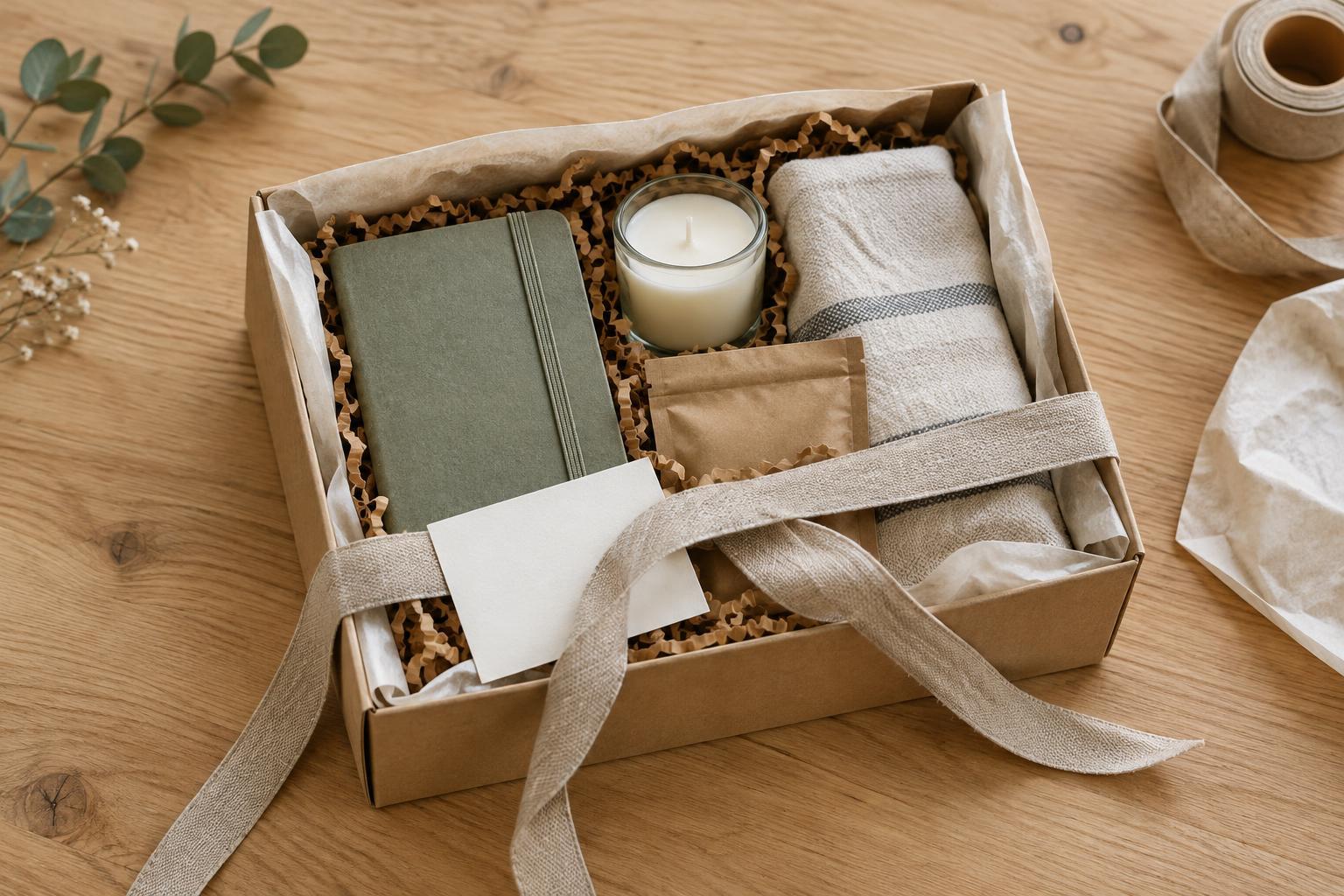
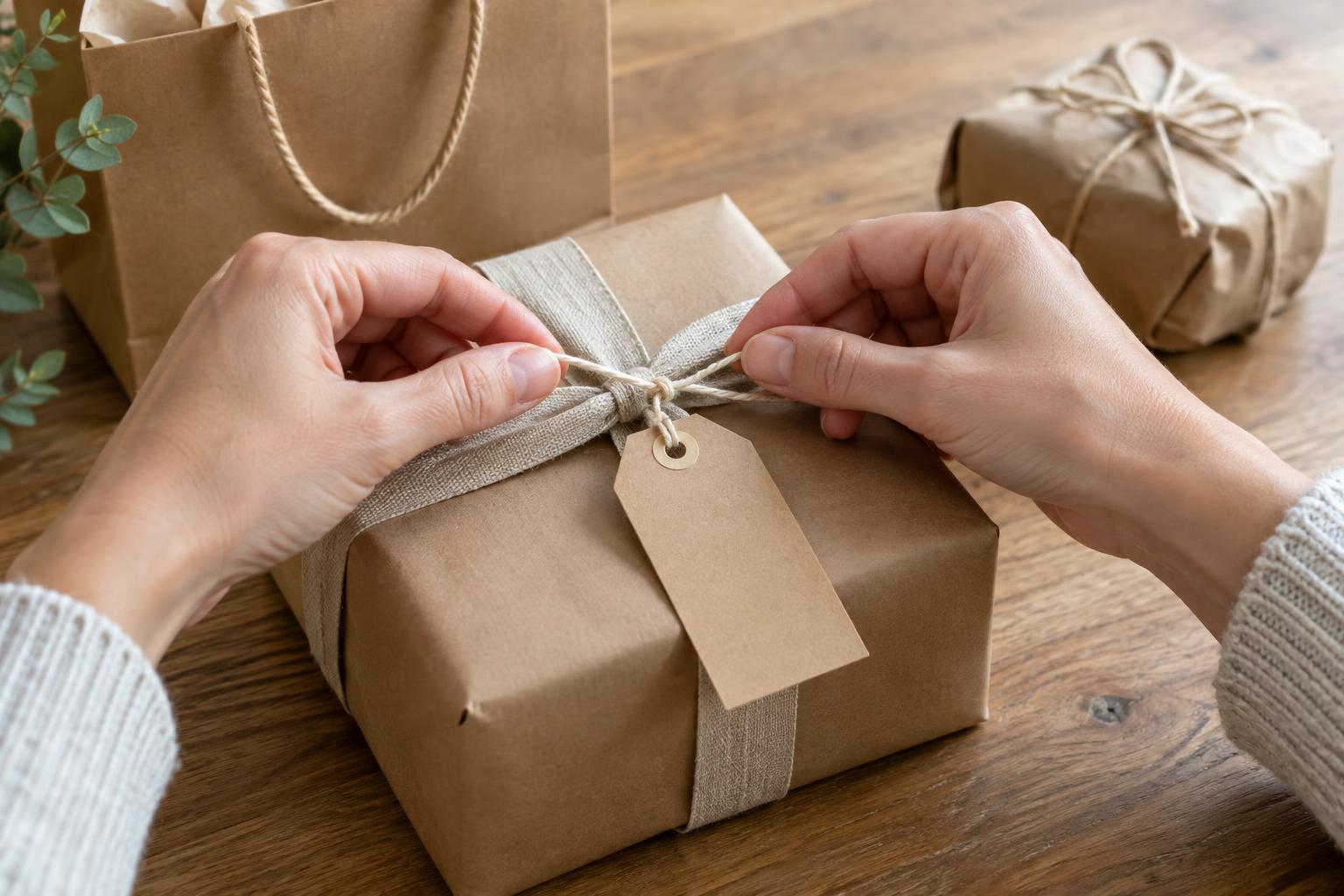
A large bow is an option, but it is not the only finishing touch. Try a handmade tag, a favorite color of ribbon or a card tucked into an envelope. For a gift shared by a household, invite each giver to write a sentence about what they hope the recipients will enjoy. These details are small enough to manage even when the gift itself is not.
Before the reveal, step back and check the practical details. Can the recipient reach the card? Will any ribbon interfere with using the item? Is there enough room to look at it without shifting furniture? Once those questions are settled, resist the urge to add more. A clear view of the gift, a thoughtful note and a moment to take it in can make a presentation feel complete without a single sheet of wrapping paper.