Start with the person, not the wrapping
Opening a present can be part of the pleasure, but tight knots, tiny tape ends and layers of sealed paper can make it frustrating for someone with limited hand dexterity. There is no single wrapping method that works for everyone. If you can, ask the recipient what they prefer: a bag they can lift the gift from, a box with a removable lid, or paper with an easy place to start tearing.
Consider how the gift will be opened, too. Will it be on a table, in someone’s lap or away from home? A package that stays steady on a flat surface may be easier to manage than one that rolls or slips. You can keep the surprise without making the opening difficult: ask about their preferred packaging in general, then choose the colours and finishing touches yourself.
Choose a container that does the work
A gift bag is often a simple alternative to tightly wrapped paper. Choose one with a wide opening, enough room to reach inside and handles that are comfortable to grasp. Use just enough tissue to conceal the gift; packing it down firmly creates another obstacle. If the item is heavy, check that the bag is sturdy and place it where the recipient can reach it without having to lift it first.
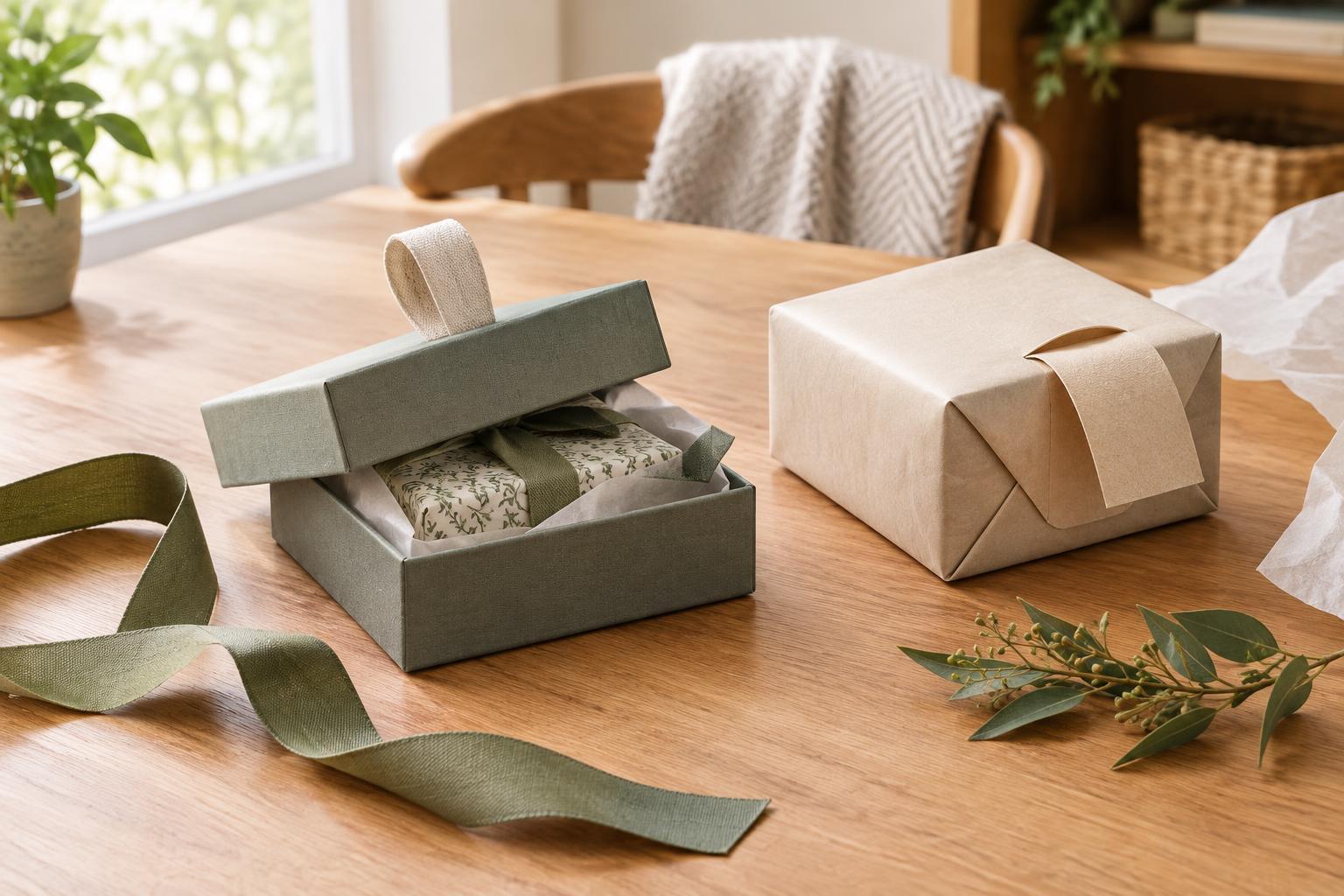
A box with a loose-fitting, lift-off lid offers a neat presentation without requiring someone to peel tape from every edge. For a small item, place it in a larger box so there is room to get fingers around it. A fabric wrap or pouch can also work well when it closes with a loose fold rather than a drawstring that must be pinched and pulled. Whatever you choose, try opening it yourself without using fingernails or a strong grip.
If you use paper, create an obvious starting point
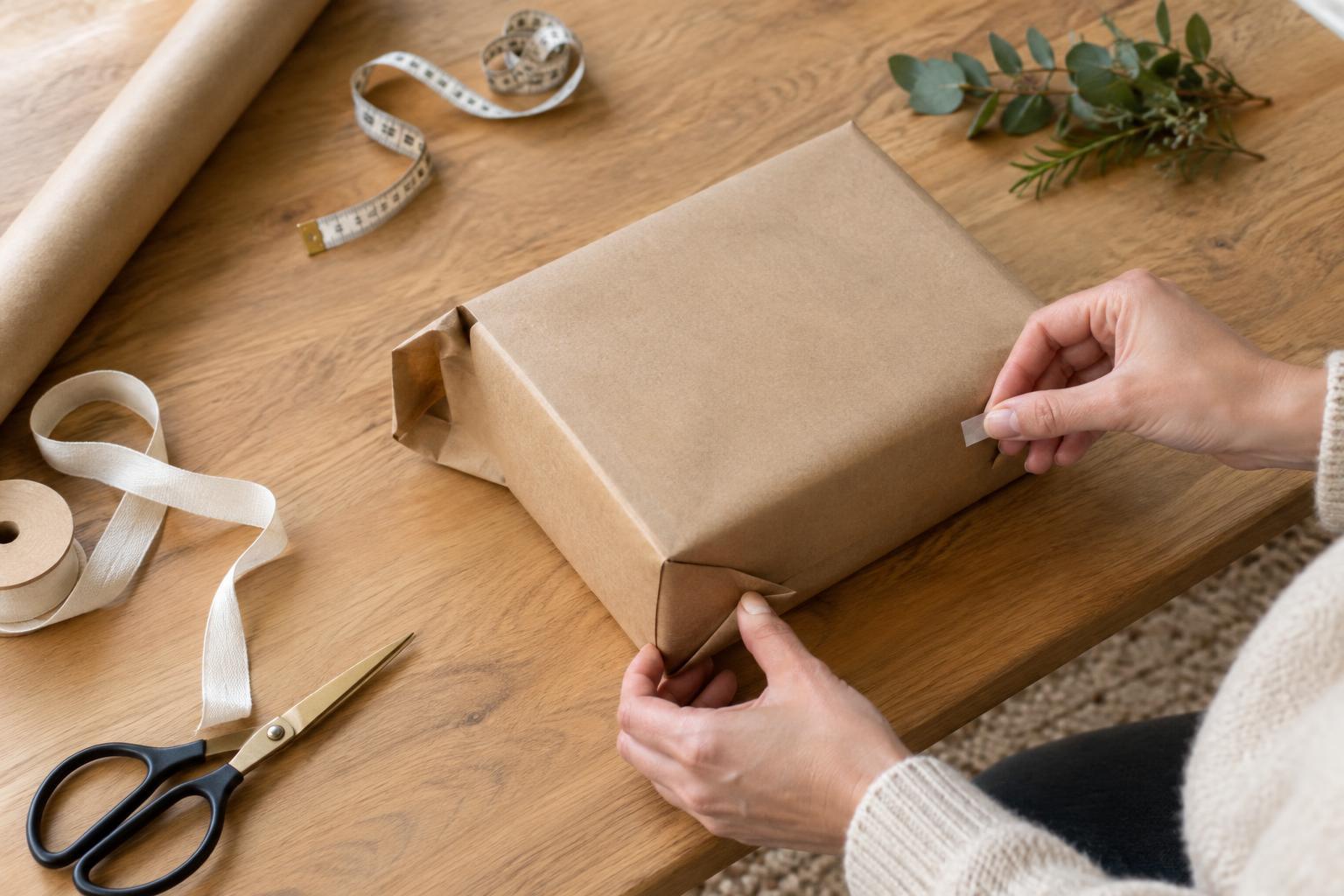
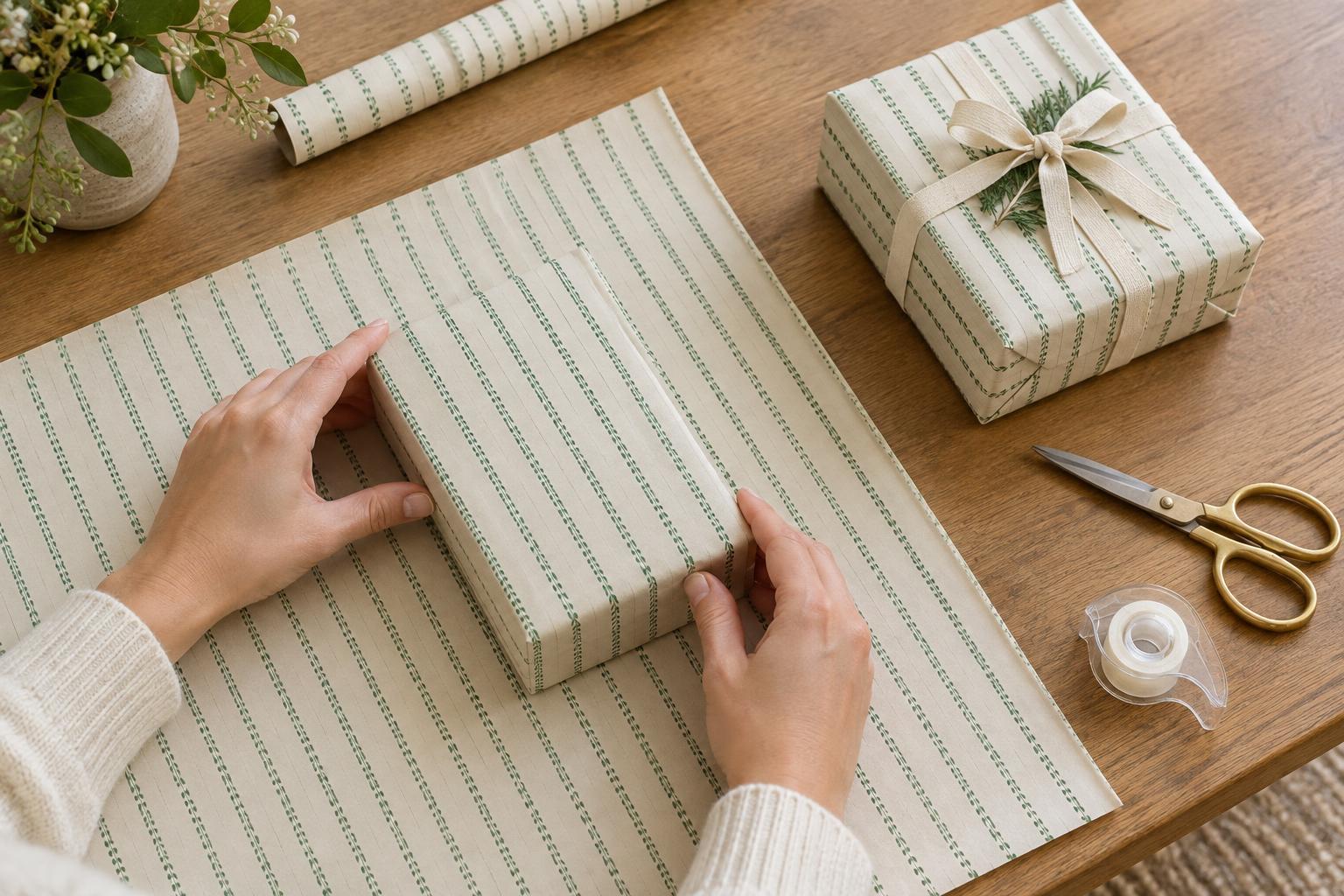
Traditional wrapping can still work if the paper is easy to catch and the seams are not heavily taped. Fold the paper neatly around the gift, but avoid pulling it so tight that there is no space to grip an edge. Use only as much tape as needed to hold the folds in place, and keep tape away from every possible opening edge.
A broad pull tab can make the first move clearer. Fold a short strip of sturdy paper or ribbon into a loop and secure its ends beneath one taped flap, leaving the loop visible and large enough to grasp. Make sure pulling it actually lifts the flap rather than detaching the tab. You might add a small note that says, “Pull here,” especially if the tab blends into the design. Test the finished package gently: the opening should begin without a sharp tool or a prolonged search for a seam.
Keep decorations easy to remove
A decorative bow can be welcoming without becoming a puzzle. Instead of tying a tight knot around the entire package, attach a bow to the lid of a box or tuck a loose ribbon beneath a fold. Avoid thin string, multiple knots and tiny adhesive decorations that must be picked off before the gift can be opened.
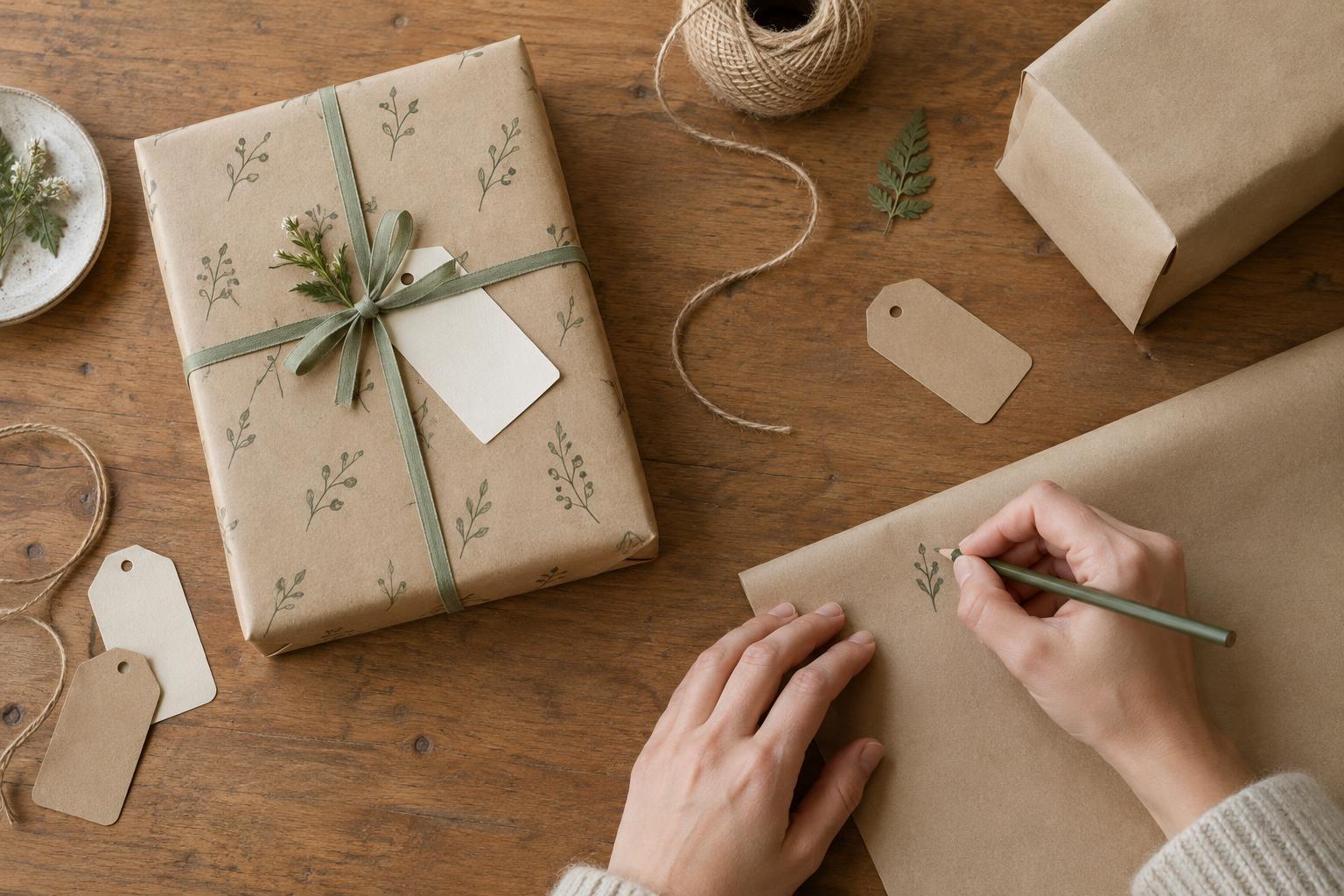
Make the gift tag easy to read and handle. A larger card can rest inside a bag or sit on top of a box, so the recipient does not have to untie it from a handle. If the gift includes several small parts, place them together in one easy-to-open container rather than individually wrapping each piece. These choices can still look considered: coordinated paper, a handwritten message or a favourite colour adds personality without adding extra steps.
Do a final opening check
Before giving the gift, set it down and walk through the opening sequence. Can you tell where to begin? Does the container stay put? Can the recipient reach and lift out the gift once the wrapping is open? If removing one layer reveals another sealed layer, consider leaving the inner package unwrapped or opening its outer seal in advance.
If you are posting the gift, protective packaging may need to be more secure than the decorative layer. Keep the transit box separate from the easy-to-open presentation where possible, and let the recipient know if an outer seal may need help to remove. The aim is not to remove every moment of anticipation. It is to make the thought behind the gift clear without requiring a struggle to get to it.