Start with what the occasion means
Celebrating from different places can feel awkward when the usual ways of showing up are unavailable. But being together does not have to mean doing the same elaborate activity. Before choosing a plan, ask what the person being celebrated would enjoy: lively conversation, a quiet hour, a familiar tradition or simply knowing someone has set aside time for them. That answer is a better starting point than trying to recreate an in-person party.
Keep the invitation easy to accept. You might agree during a regular call to meet again at a particular time, or choose a moment when you will both pause wherever you are. If schedules or time zones make a simultaneous celebration difficult, each person can observe the occasion at a convenient hour and talk about it later. The point is shared intention, not perfect coordination.
Make an ordinary activity feel shared
A familiar activity can become a small ceremony when you agree to do it together. Have a cup of tea while talking on the phone, take walks in your respective neighborhoods, or sit down to breakfast at the same time. There is no need for matching food, decorations or surroundings. Describing what you notice gives the other person a place in your day: the sound outside your window, the view from your walk or the first bite of a favorite meal.
If a live call is not practical, choose a simple activity you can each do separately. You could both watch the sunset, listen to a favorite song or make a wish before bed, then compare the experience in your next conversation. A modest plan is often easier to keep, especially when one person is busy, tired or celebrating in a different time zone.
Let stories be the centerpiece
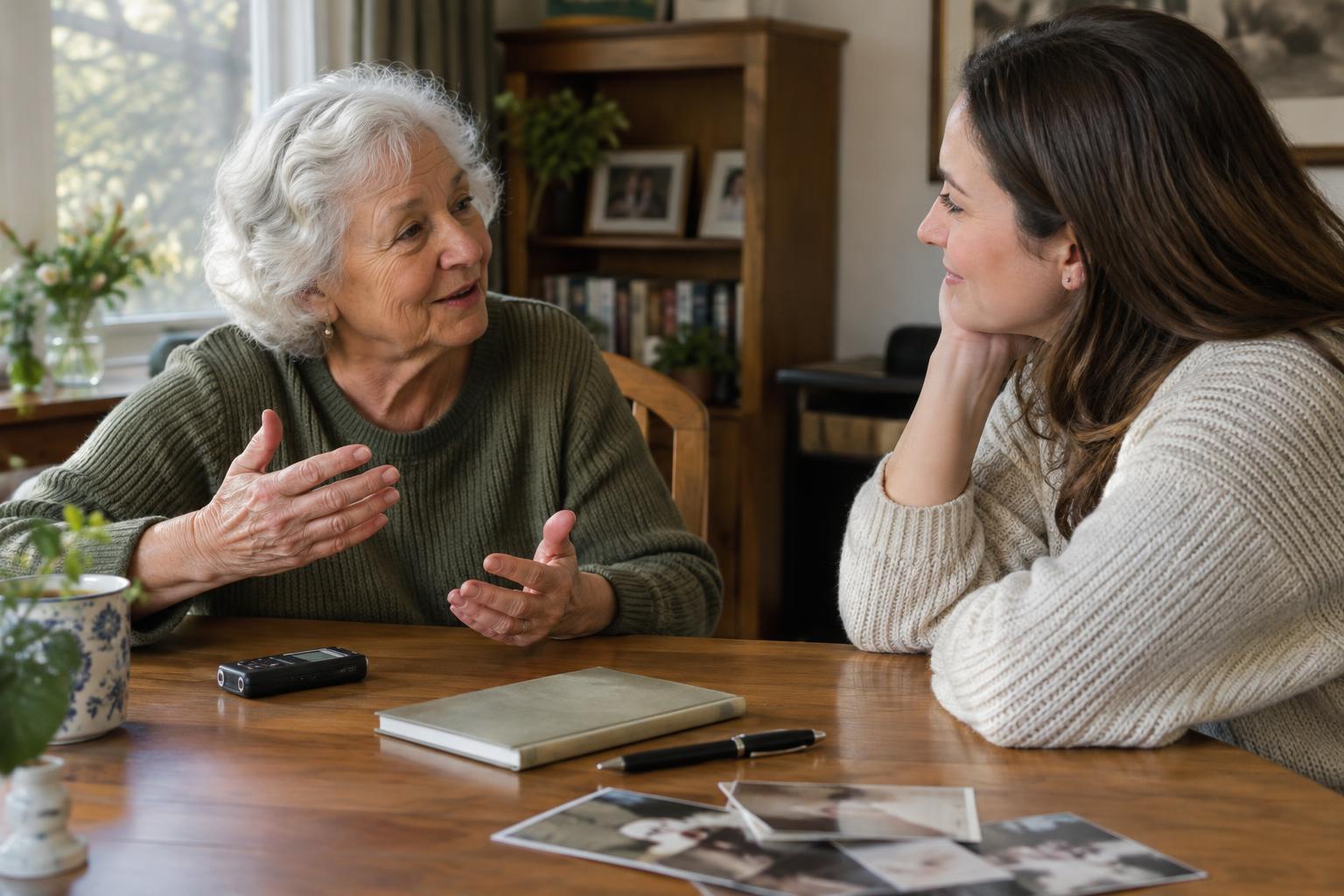
Conversation can provide the part of a celebration that lasts longest in memory. Instead of relying on the usual “How was your day?”, try a question tied to the occasion. For a birthday, ask which past birthday still makes them smile. For an anniversary, recall a small moment that captures the relationship. For a new job or finished project, invite them to talk about a challenge they handled well. Give them room to answer without turning the call into an interview.
You can also take turns telling the story of a shared memory. One person might remember where you were; the other might remember what made you laugh. Differences need not be corrected. They can be part of the pleasure of looking back together. If the occasion is bittersweet, leave space for that too. A celebration can hold gratitude and sadness at once.
Create a ritual you can repeat
A ritual gives an occasion its own shape without requiring supplies. You might each say one thing you appreciated about the past year, name a hope for the next one, or share a toast using whatever drink is already at hand. A family or group could take turns offering a favorite memory of the person being honored. Keep it short enough that everyone who wants to participate can do so comfortably.
Repeated rituals can become keepsakes in their own right: not objects to store, but moments people come to recognize. You might ask the same question each year and notice how the answers change. There is no need to insist that a tradition continue forever, though. Let it evolve as relationships, energy and circumstances change.
Leave room for different kinds of presence
Not everyone enjoys a long video call, and a celebration should not become a test of availability. A phone conversation may feel warmer than a screen for someone who is tired of looking at one. A brief check-in may suit a crowded day. For a group, consider a clear start and end time so people know what to expect, and allow anyone who prefers to listen rather than speak to do so.
Before you part, name the moment plainly: “I’m glad we made time for this,” or “I loved hearing that story.” It can feel small, but it confirms what the gathering was for. When nothing is sent and no one travels, the attention you give each other is the celebration.